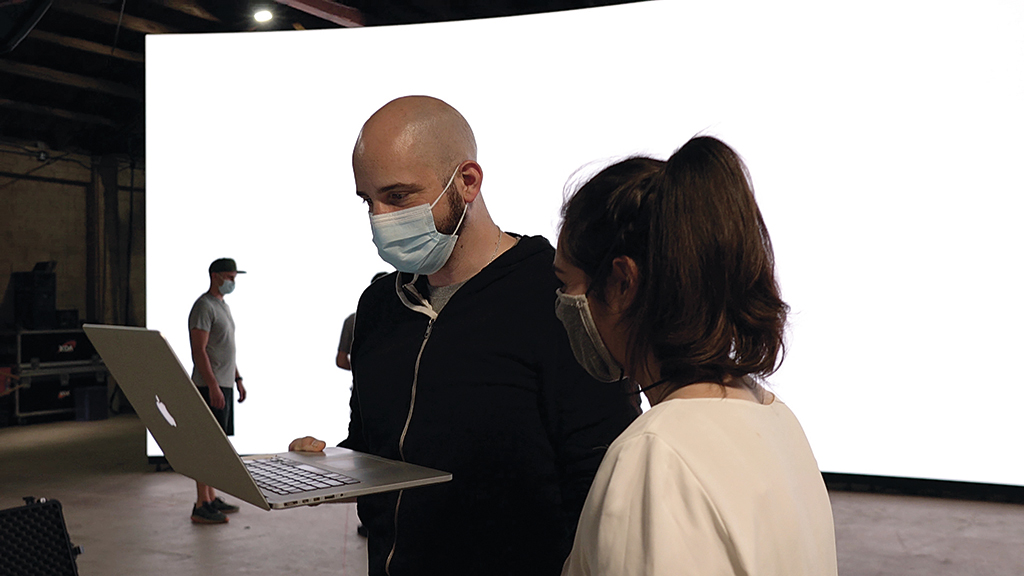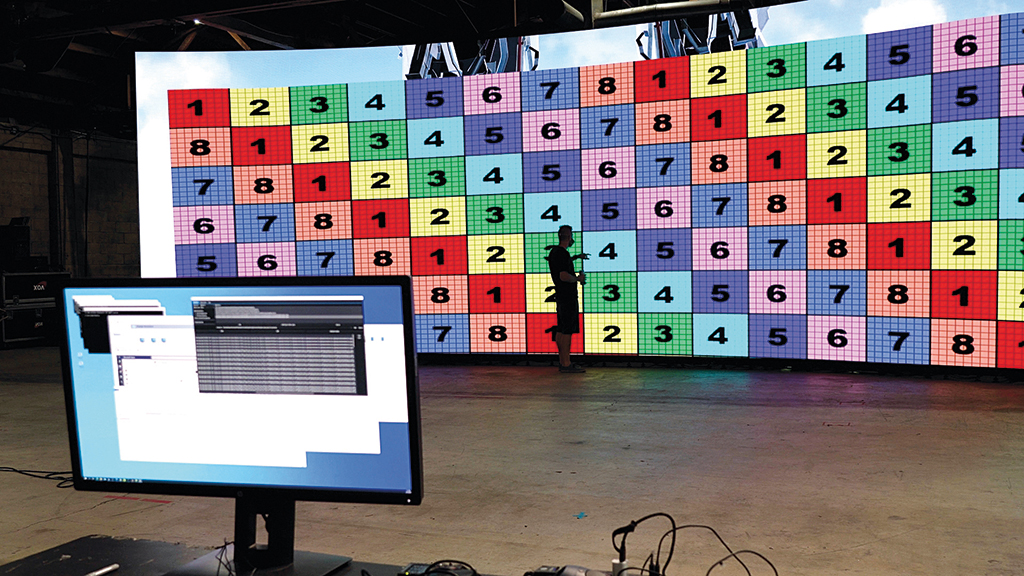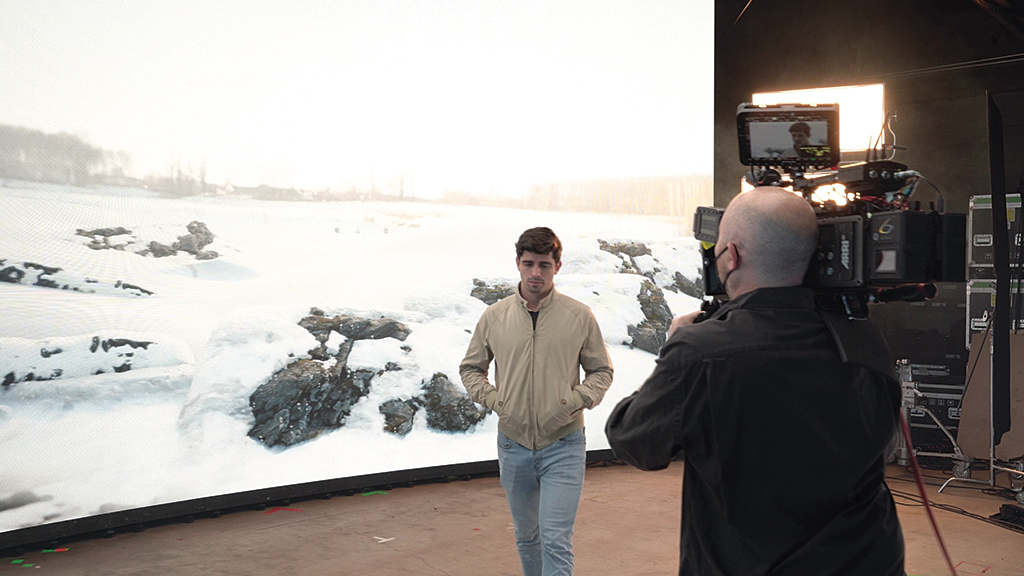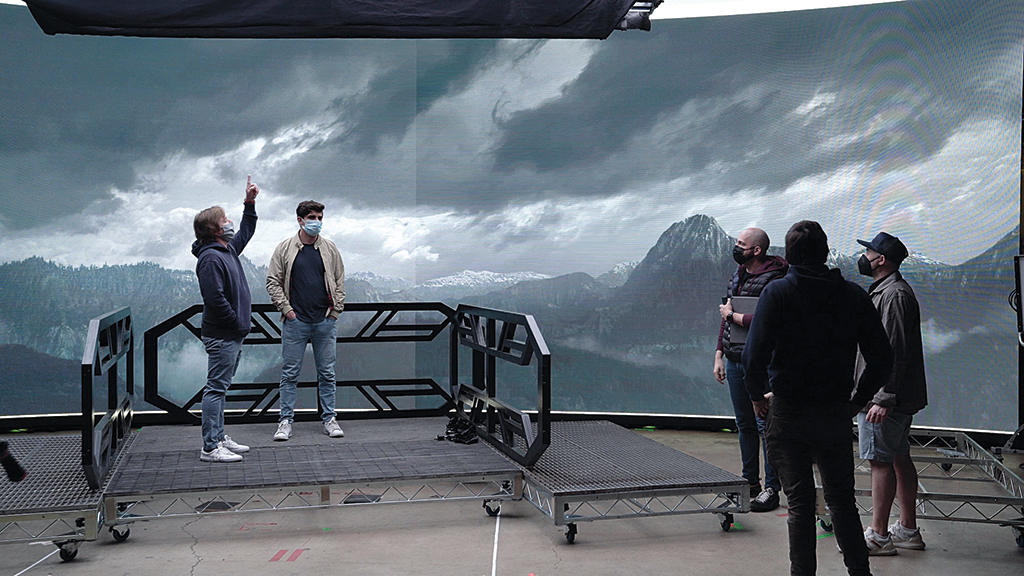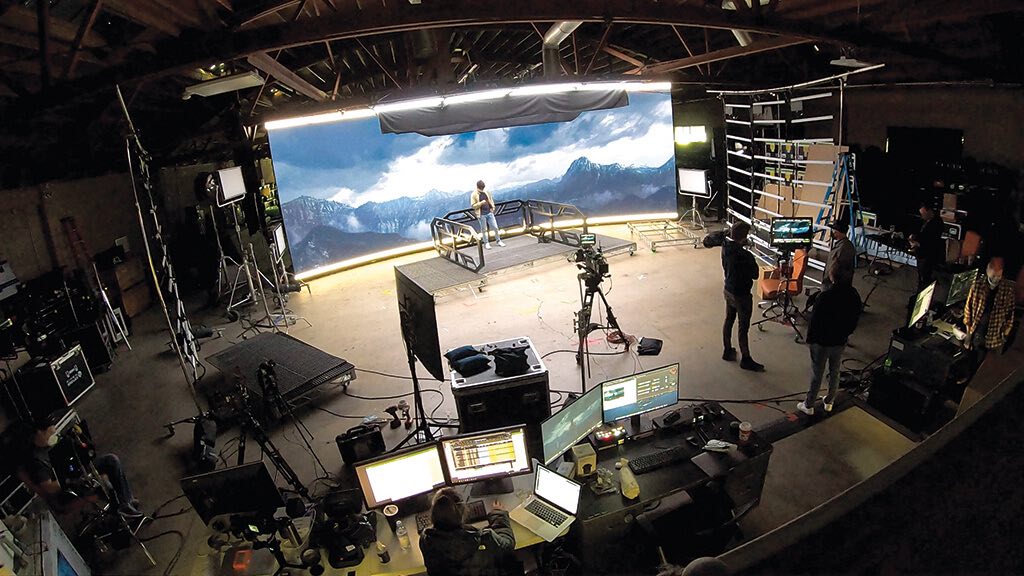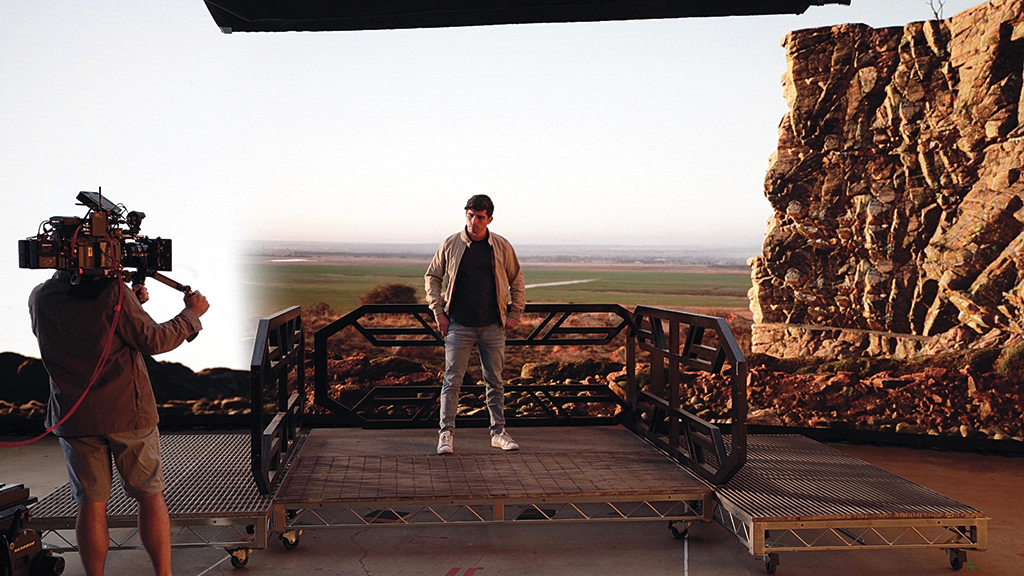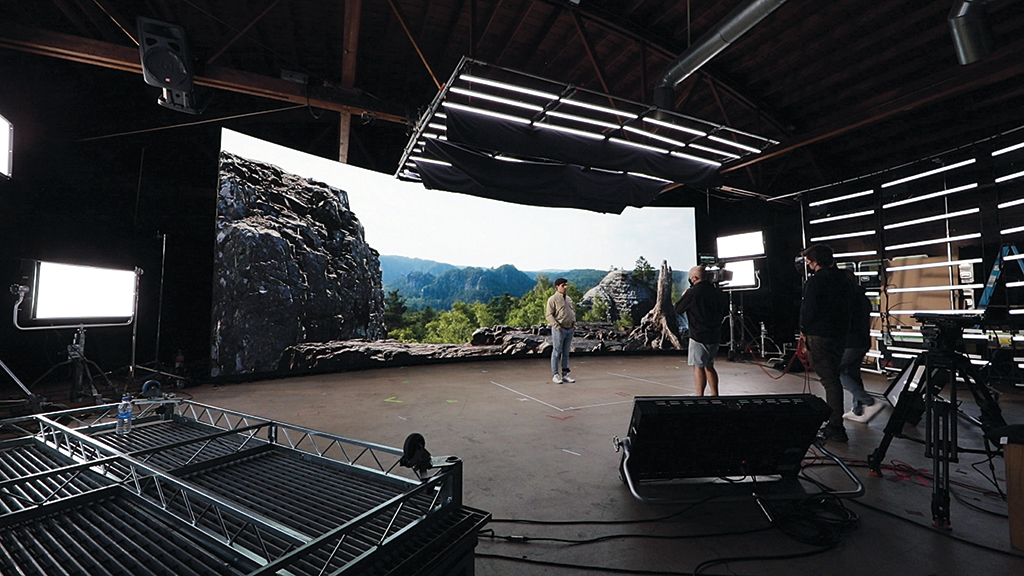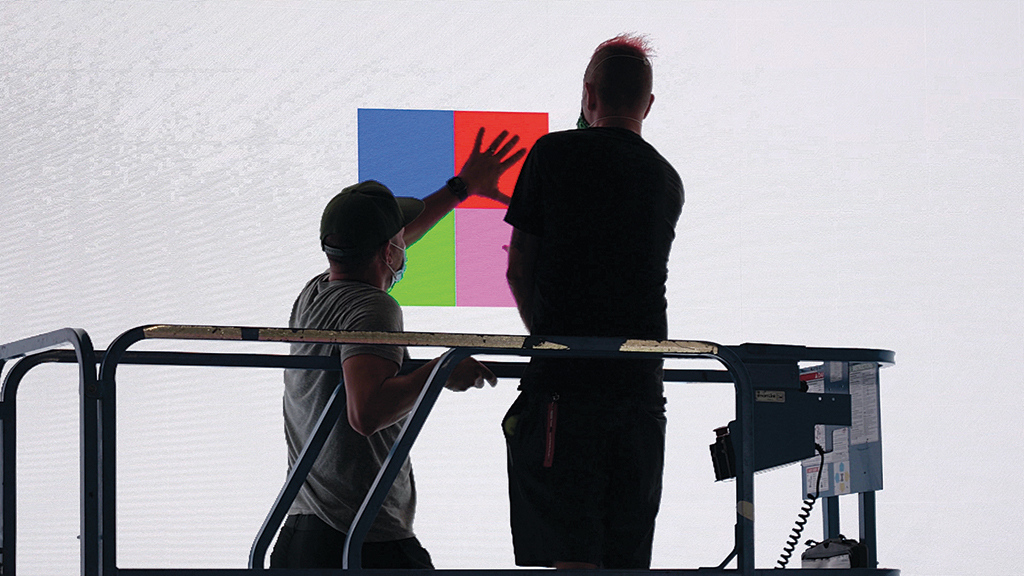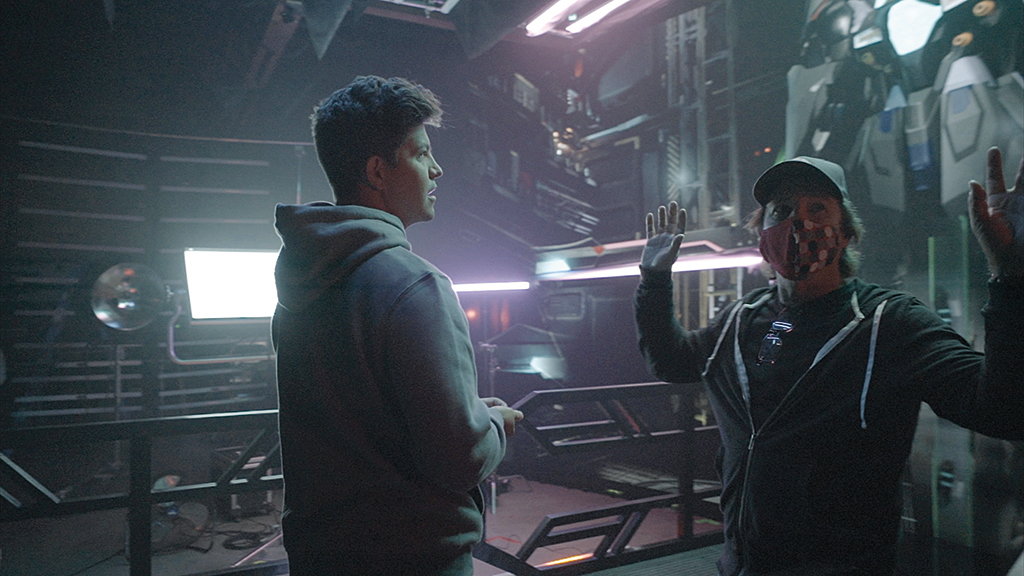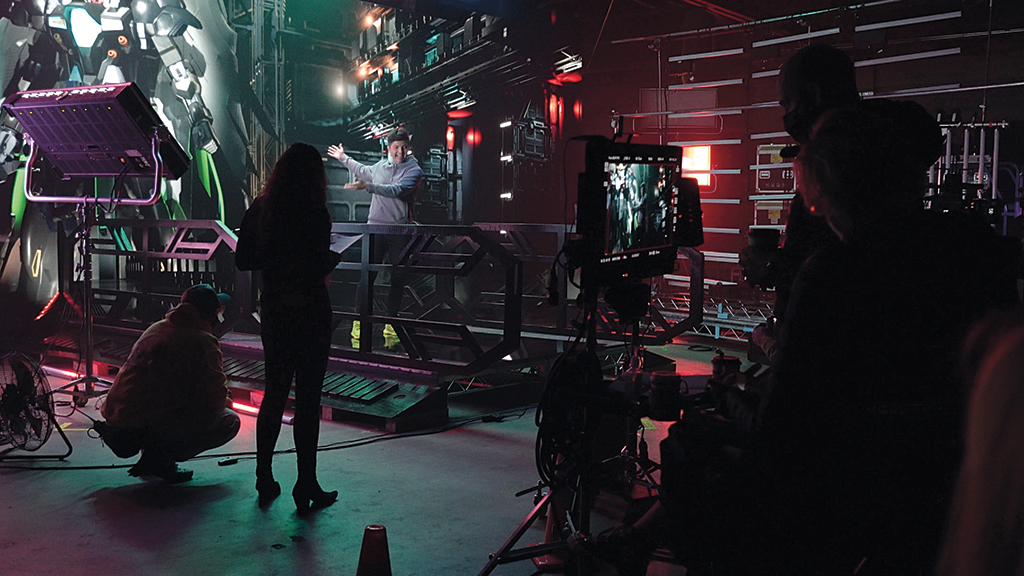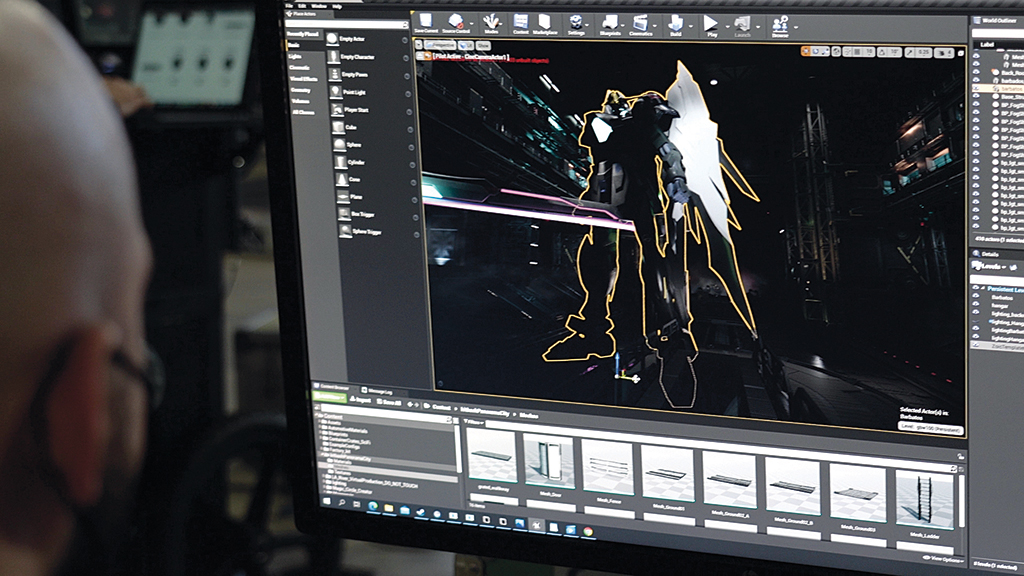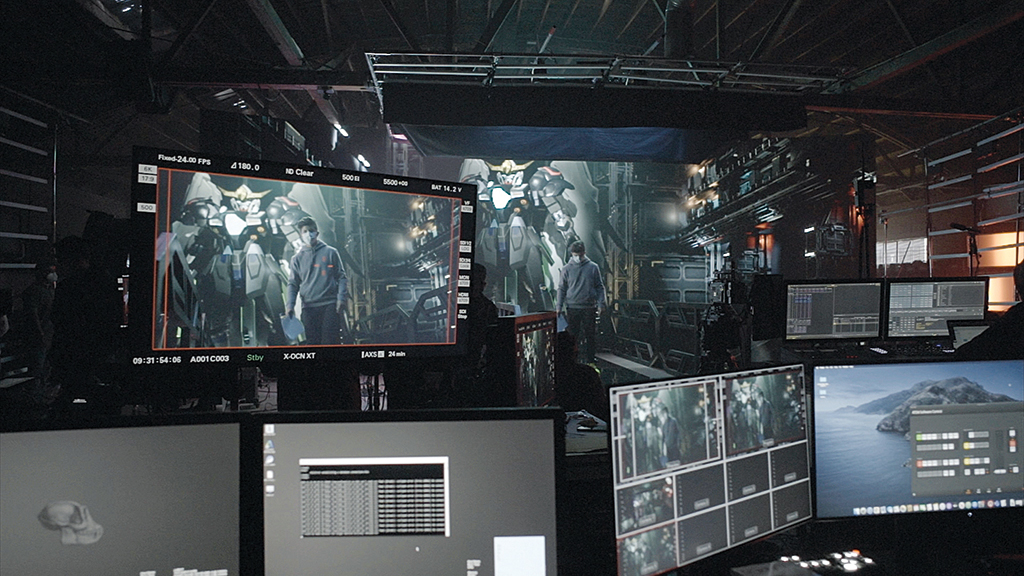
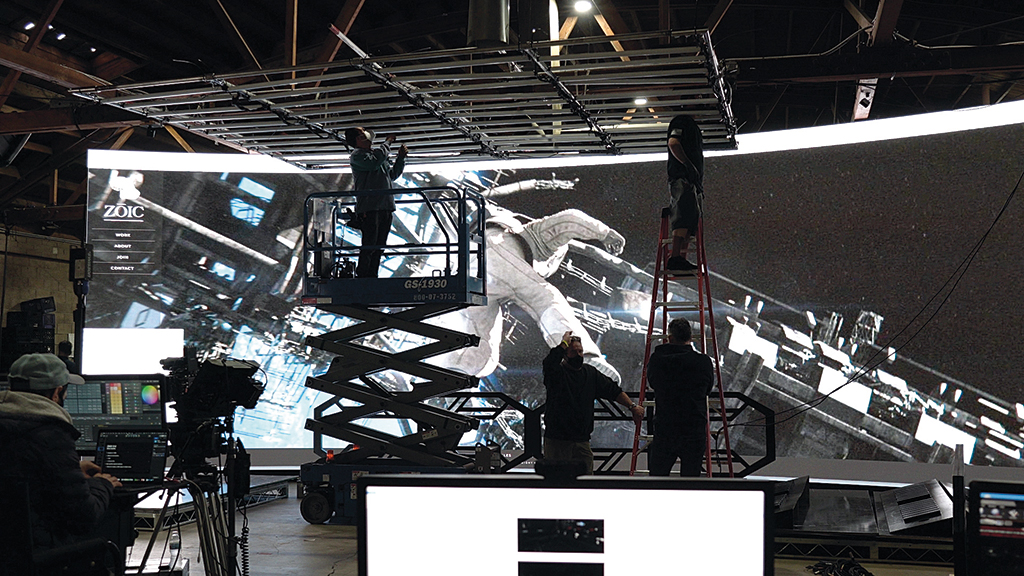
An overhead lighting rig is installed on the LED wall stage.
If there’s one thing changing the way that physical production and visual effects interact right now, it’s the rise of LED walls, also known as LED volumes.
LED walls form part of the shift to virtual production and real-time content creation, and have gained prominence by enabling in-camera VFX shots that don’t require additional post-production, offering an alternative to bluescreen or greenscreen shooting, and helping to immerse actors and crews into what will eventually be the final shots.
Several production houses and visual effects studios have built dedicated LED walls and associated workflows. Some rely on bespoke LED wall setups, depending on the needs of the particular project. One company, Zoic Studios, even embarked on a project to install a LED wall inside existing studio space and use it to further the crew’s understanding of virtual production.
How did Zoic do that exactly? Here, Zoic Creative Director and Visual Effects Supervisor Julien Brami breaks down the process they followed and what they took away from this new virtual production experience.