Images courtesy of Netflix.

Images courtesy of Netflix.
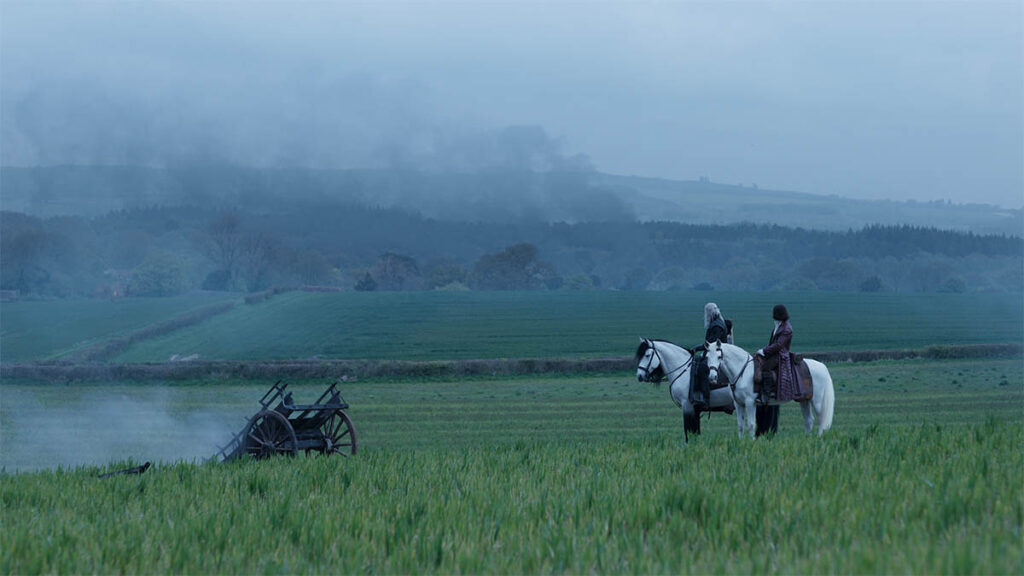
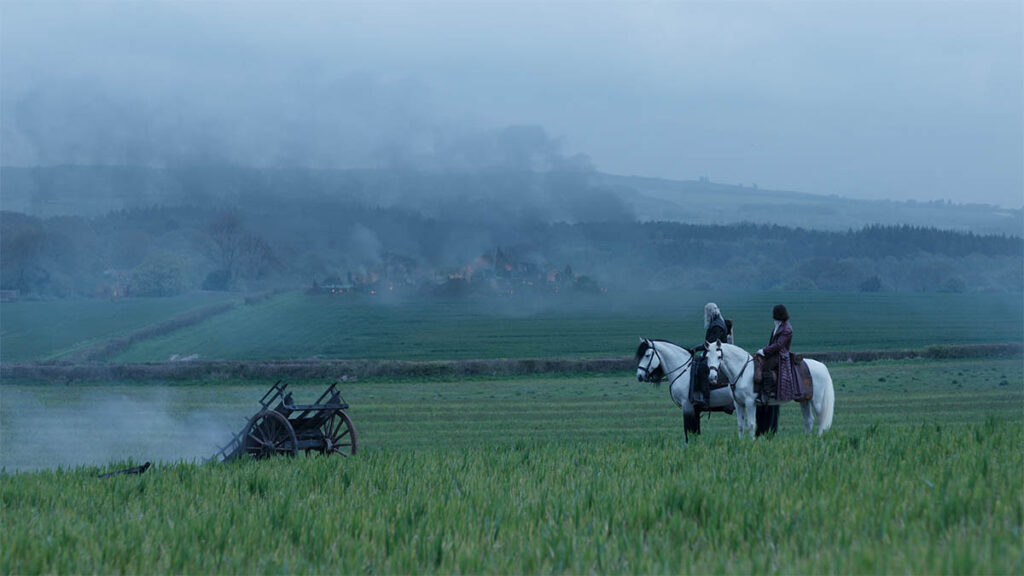
With Liam Hemsworth stepping into the role of Geralt of Rivia, The Witcher Season 4 expands its world with more monstrous creatures, epic battles and ambitious visual effects. Sara Bennett oversaw the season’s visual effects in post-production, a process made more challenging by the fact that she was unable to be on set during principal photography. “I’ve never done a film or a TV show without being on it from the start, for prep and shoot,” Bennett admits. “Coming into a well-established series, picking up from another supervisor and talking with all the established vendors eased the transition between the two supervisors. The challenge was to get up to speed as quickly as possible. David Stephens and Roberta Leech, our Visual Effects Producer and Production Manager, were brilliant. In those initial weeks, David helped with that transition and gave me the backstory for why they’d shot what they shot and how.”
Scheduling was especially tight for the latest season of the hit Netflix series. Vendors – including Cinesite, One of Us, Eyeline, Digital District, Crafty Apes, Vine FX, Milk VFX, RVX, Platige Image, TPO VFX and Orca Studios – delivered roughly 2,500 visual effects shots across the eight episodes. “The only things shared were the magic effects and some of the weapons,” Bennett says. “We reused environments from older seasons, which were brought up to a higher standard for this season. But generally, it was well-spaced out, so there wasn’t too much sharing.”
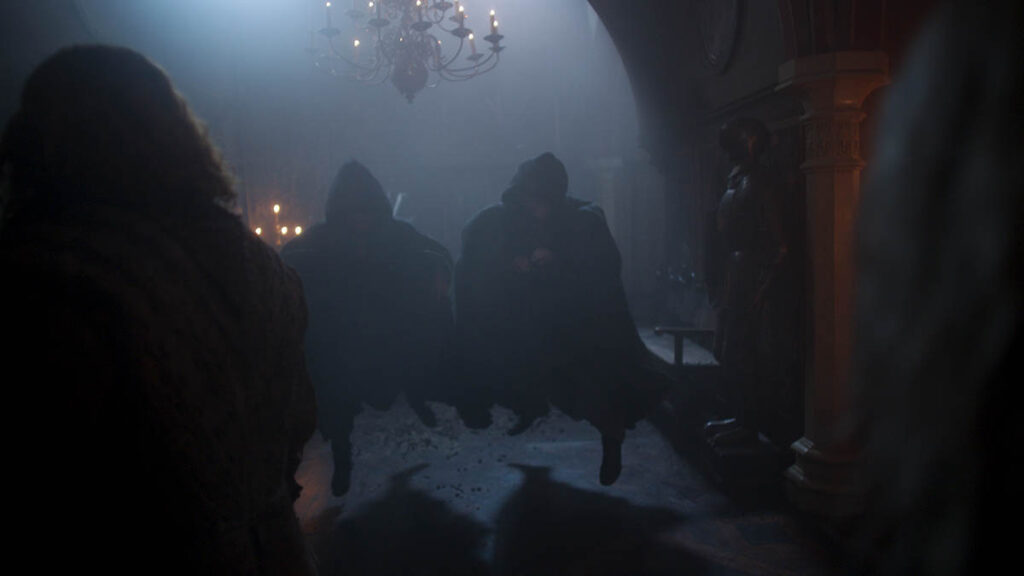
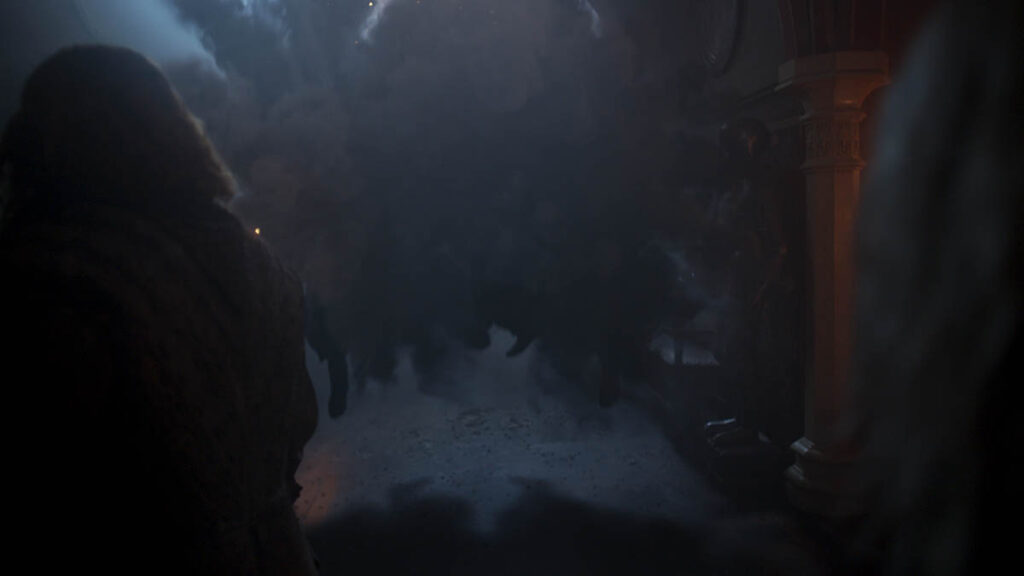
Upgrades to the magic effects elevated this fourth outing from previous seasons. “Vilgefortz’s contaminated, evil magic played into the portals, which are much more detailed. We introduced these evil black tendrils, but there wasn’t any new magic. It’s still based on the mages’ [abilities], so it’s more about refinement.”
“[The Greylock] is like this big dog creature, but then you’ve got these infected tendrils in its mouth, which is horrible but great fun to play with. That was a nice scene to design. All the creature designs were done by the art department, led by Andrew Laws. We took those creature designs and made them work practically, with visual effects added on top.”
—Sara Bennett, Visual Effects Supervisor, The Witcher Season 4
Only one episode had a small number of visual effects shots. “Every other episode had big visual effects numbers in it, which is why we had so many vendors,” Bennett explains. “Each vendor could concentrate on their scenes and episodes without feeling like we were doing a bad job or not spending enough time on each creature or environment. Episode 405 was probably the lightest. All the other episodes were full-on with the creatures and environments, or the big magic battle in Episode 406. Throughout the season, we were juggling all the episodes. We didn’t do two and then move on to the next two. Thankfully, we had an amazing production team with four great coordinators who looked after two or three vendors each.”
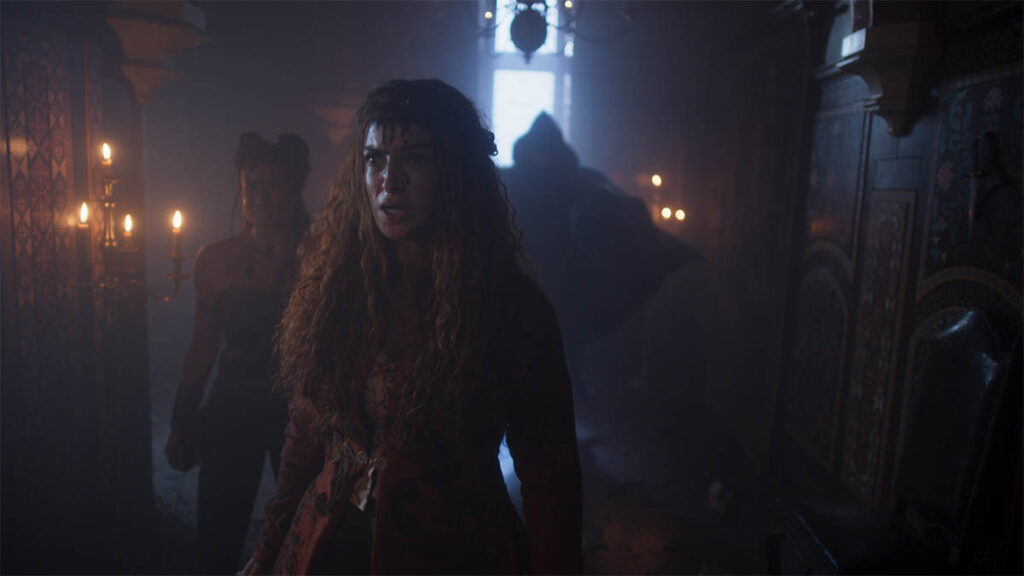
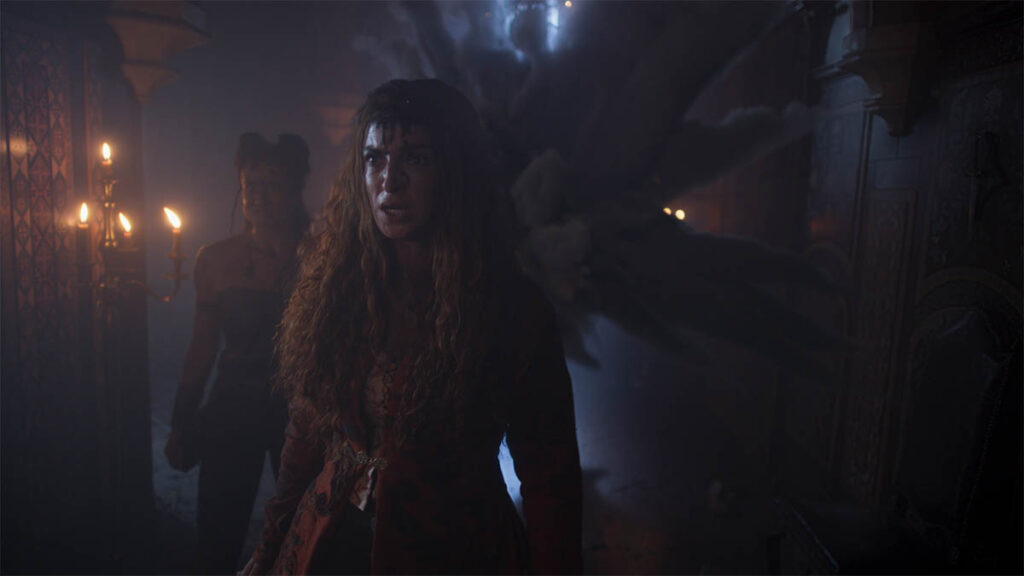
The team regularly watched episodes throughout post-production to catch continuity issues. “Every hour of every day was well organized so we didn’t drop the ball on anything. Between myself, our producer and the editorial team, we always picked up on anything, like, ‘There should be a sword here. He’s just been stabbed.’ Or, ‘Where’s the blood on the body? He can’t be completely clean in this shot.’”
Every creature presented a unique challenge. “The Kikimora – which is in Episode 401 – was brought back from Season 1, and she brought little babies along with her,” Bennett notes. “In terms of animation, there was a lot more work and choreography because of the interactions between Geralt and the Kikimora. The energy of the little ones is much faster, whereas the big Kikimora is more cumbersome. You also have to look at their weight when they’re doing this interaction.”
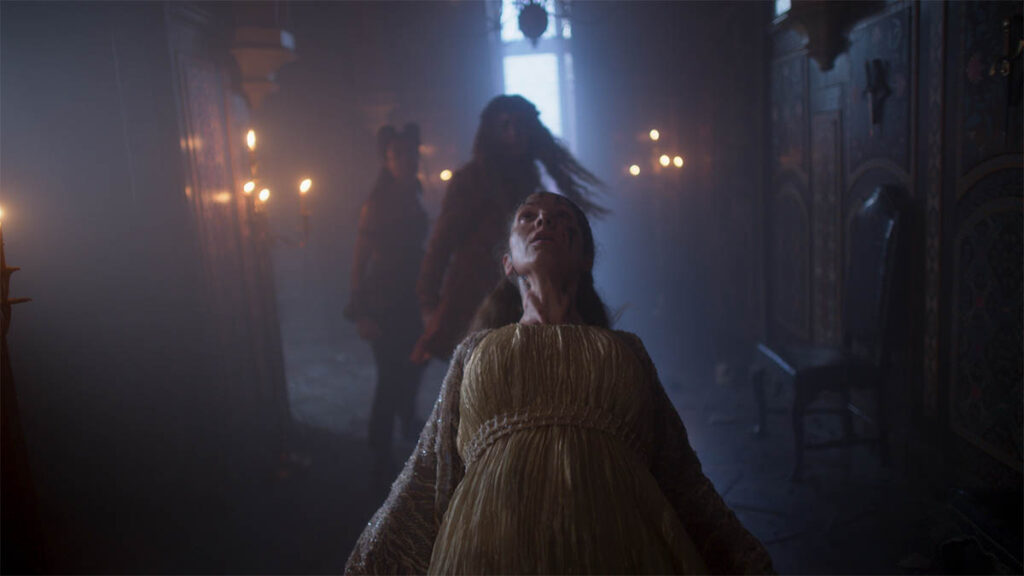
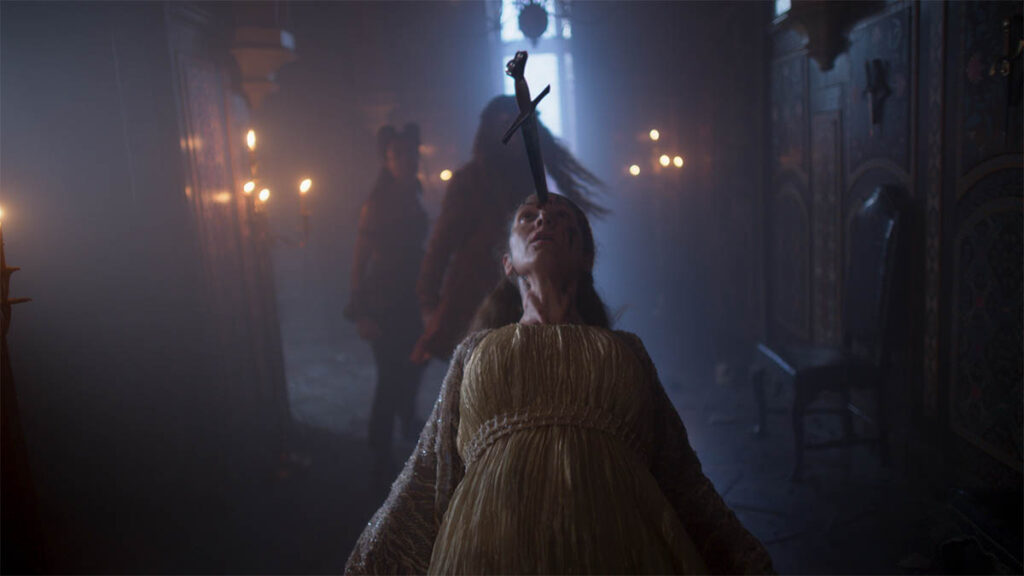
“It had to feel gruesome because Bonhart is a monster. He shoves a crepitus stone, an explosive, into Kayleigh’s stomach wound and [detonates it]. Bonhart also pulls a knife down from Giselher’s stomach and all of his guts drop out. You’re seeing every moment of this. That’s one of the scenes where we didn’t hold back on the blood and gore. It needed to feel visceral.”
—Sara Bennett, Visual Effects Supervisor, The Witcher Season 4
The baby Kikimora were animated individually. “They’re all throwing themselves separately at Geralt and trying to fight him,” Bennett says. “There’s a cute shot when the baby Kikimora comes over the log at the start, stops and does this roar, which I love. It’s one of my favorite moments.”
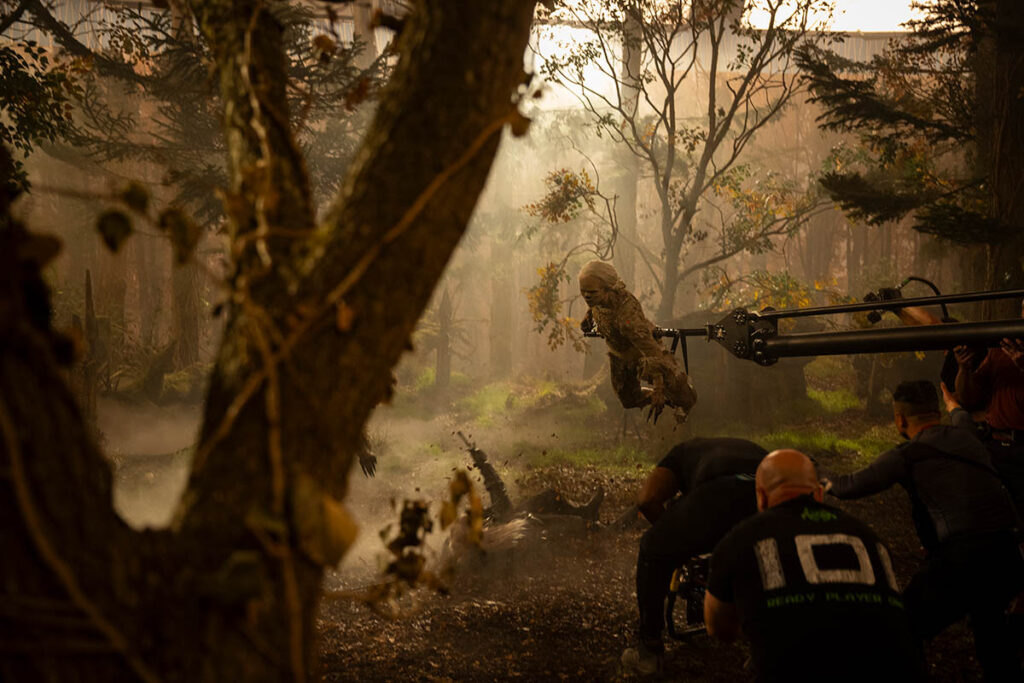
The gentle Greylock shifts from passive to aggressive when it becomes a host for a tendrilled parasite in a mid-season episode. Bennett says. “I wish it were a bigger scene because it was so much fun to do that fight. There was an actor on set, along with some LEDs to provide illumination for the plates, which was helpful. It’s like this big dog creature, but then you’ve got these infected tendrils in its mouth, which is horrible but great fun to play with. That was a nice scene to design. All the creature designs were done by the art department, led by Andrew Laws. We took those creature designs and made them work practically, with visual effects added on top.”
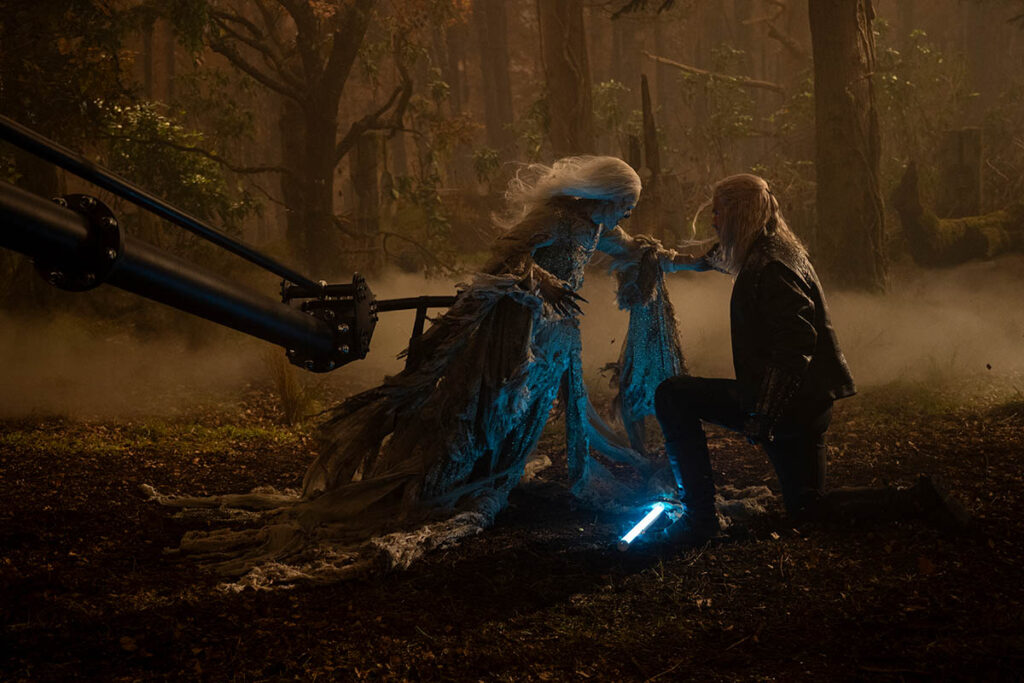
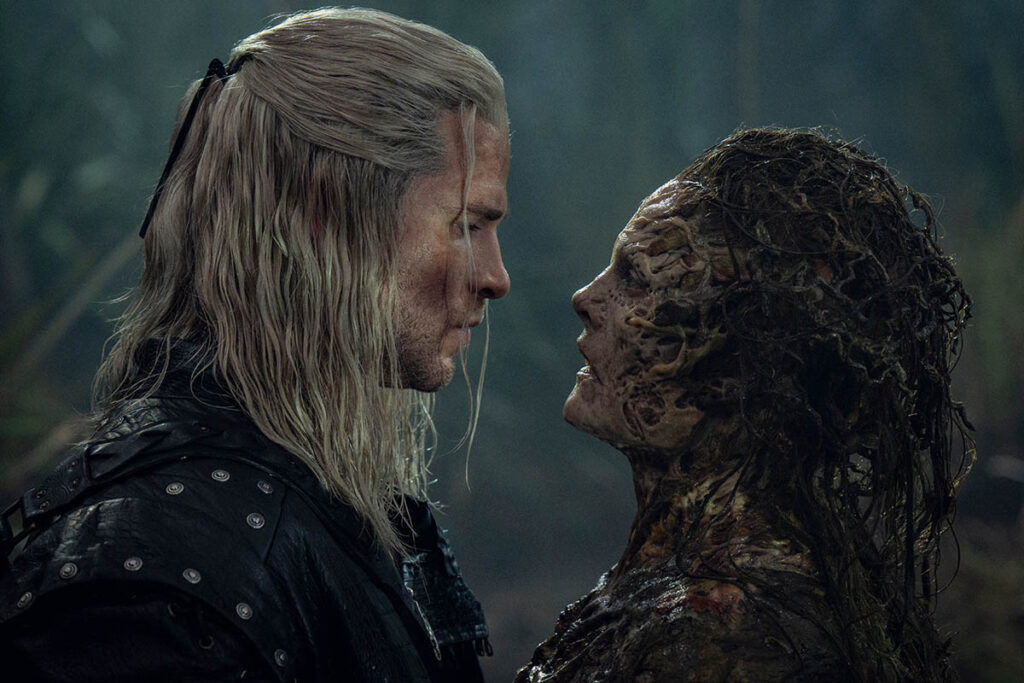
A live performer provided the movement for the Wraith. “There’s makeup, hair and prosthetics all in play on the day when they shot it,” Bennett explains. “The actress was hung from a pole arm, which was great for Liam’s performance. We kept that performance within the final imagery. We replaced her cloth, so it’s more ethereal and floaty, as well as the hair in a lot of places.”
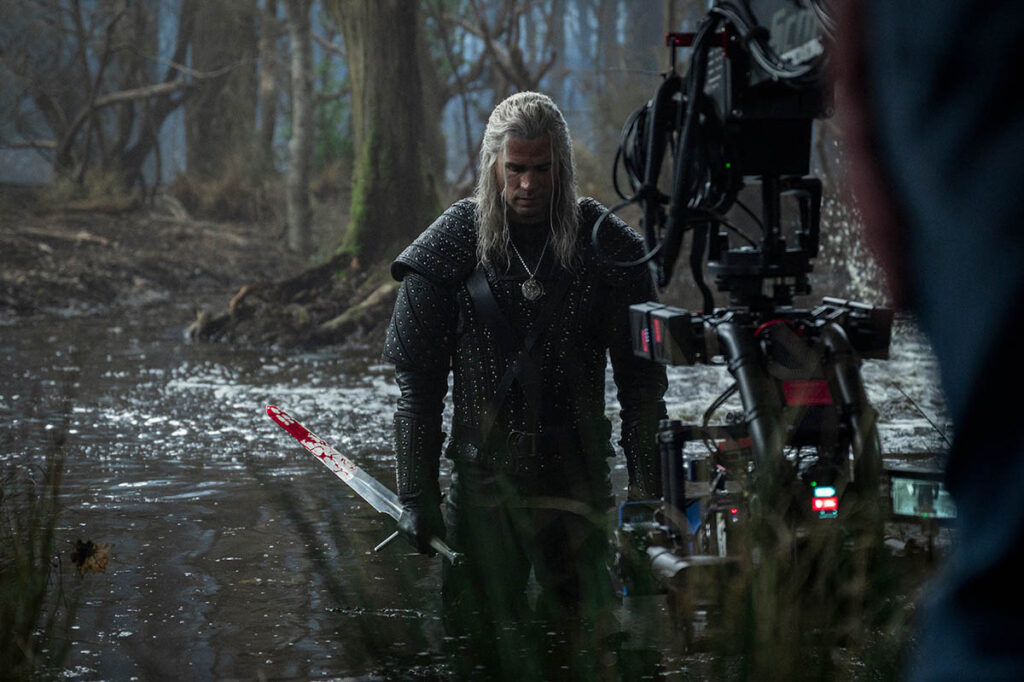
Prosthetics were also part of the Rusalka’s design. Bennett says, “We wanted to make it more alien and part of the environment with the twigs and trees. One of Us did an amazing job of introducing these moving vines on her. The Rusalka is based on trees, bark and branches, so she is more solid and has a human form. We changed the shape of that form and built on top of it. Rather than look human-like, we wanted it to feel more gnarly and rooted in her environment. The Wraith is much more ghostly and ethereal, so you play with transparency.”
“We had to make sense of this whole battle [of Montecalvo]. There’s no creature work in that episode. It was split among a few vendors because there was so much going on. We had a lot of The Witcher magic. We had top-ups of Montecalvo and establishing shots, as well as numerous weapons. There’s a head that gets blown up. Continuity was crucial. That was probably our biggest shot count in an episode, purely because it was action.”
—Sara Bennett, Visual Effects Supervisor, The Witcher Season 4
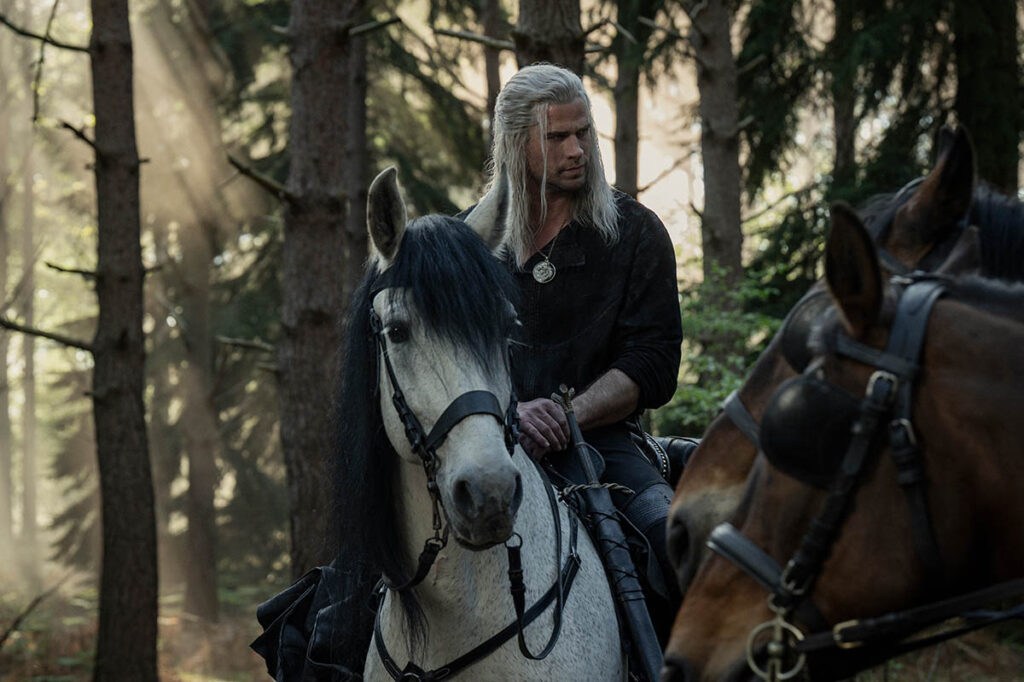
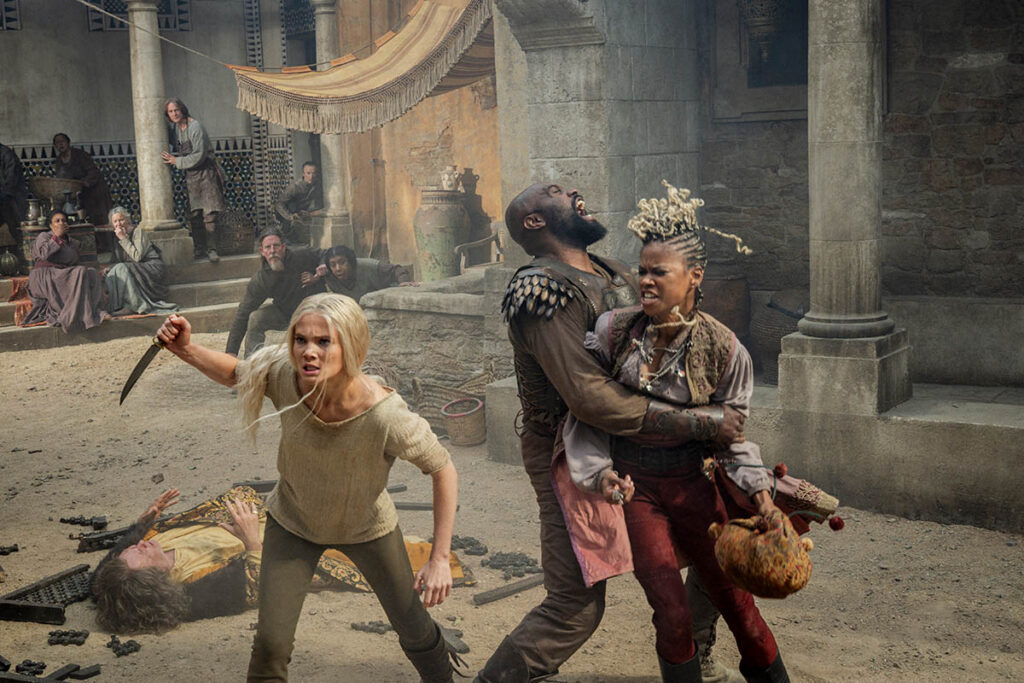
The Rock Troll acts like a petulant child. “The Rock Troll is getting frustrated, so he’s always a bit slow and throwing things around,” Bennett states. “The detail [work] was done by Eyeline, which built and animated that asset. There’s a lot of interaction and connections during the fight with Geralt. He’s got a weapon on a chain that we had to replace for a lot of shots because he throws it down this long bridge corridor. We ended up swapping the weapons in his hands because it made more sense with what was shot for live-action on the day. Making the bridge feel full meant there were lots of soldier sprites in the background. We extended either side of the bridge because it was a small set piece.”
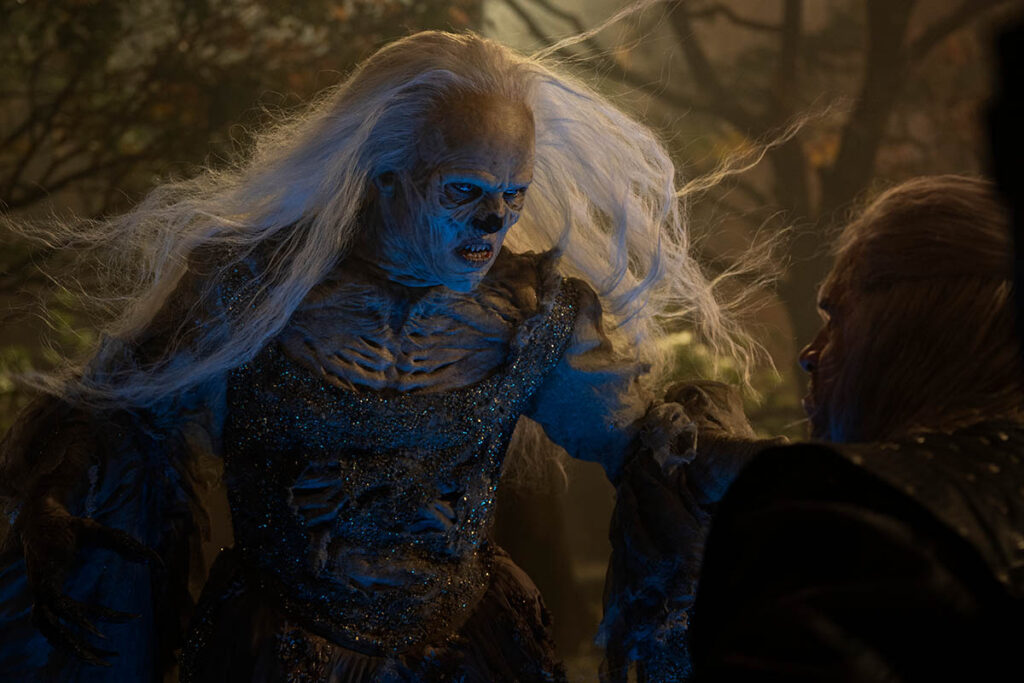
The set constructed for the forest was amazing and massive. Bennett says, “Every now and again, you’d see back into the set wall and wanted it to feel like this vast swamp or forest. We added more depth into a lot of the shots and more atmospherics. We also had gnats flying around to bring it all to life. There are maybe two shots where we had to build up the canopy when the child Rusalka leaps from tree to tree. But otherwise, we used the plate photography and added on top of it.”
The Battle of Montecalvo was an immense challenge because of the volume of cuts in the edit. “We had to make sense of this whole battle. There’s no creature work in that episode. It was split among a few vendors because there was so much going on. We had a lot of The Witcher magic. We had top-ups of Montecalvo and establishing shots, as well as numerous weapons. There’s a head that gets blown up. Continuity was crucial. That was probably our biggest shot count in an episode, purely because it was action.”
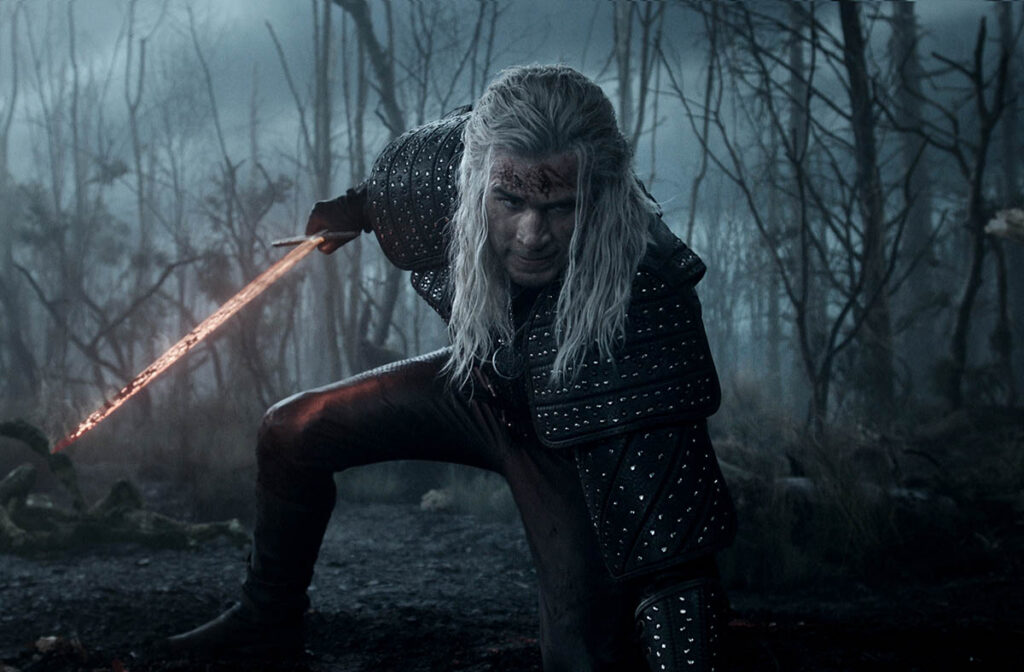
For safety reasons, weapons had to be extended digitally. “If it’s hand-to-hand combat, they’d have a half prop on set, so you get the handle and maybe a quarter of a soft blade. Then we would be adding the extensions on those,” Bennett shares.
The team had many discussions centered on the threshold for blood, gore and gratuitous content, which required minor adjustments throughout post. “There were shots where it might have been a little too gratuitous and over the top,” Bennett notes. “They’re slicing off limbs and chopping heads off, so there has to be an element of blood and gore, but not for the sake of it.”
More brutal than the creatures is Leo Bonhart, a ruthless bounty hunter who slaughters the Rats and takes Ciri captive. “It had to feel gruesome because Bonhart is a monster. He shoves a crepitus stone, an explosive, into Kayleigh’s stomach wound and [detonates it]. Bonhart also pulls a knife down from Giselher’s stomach and all of his guts drop out. You’re seeing every moment of this. That’s one of the scenes where we didn’t hold back on the blood and gore. It needed to feel visceral.”
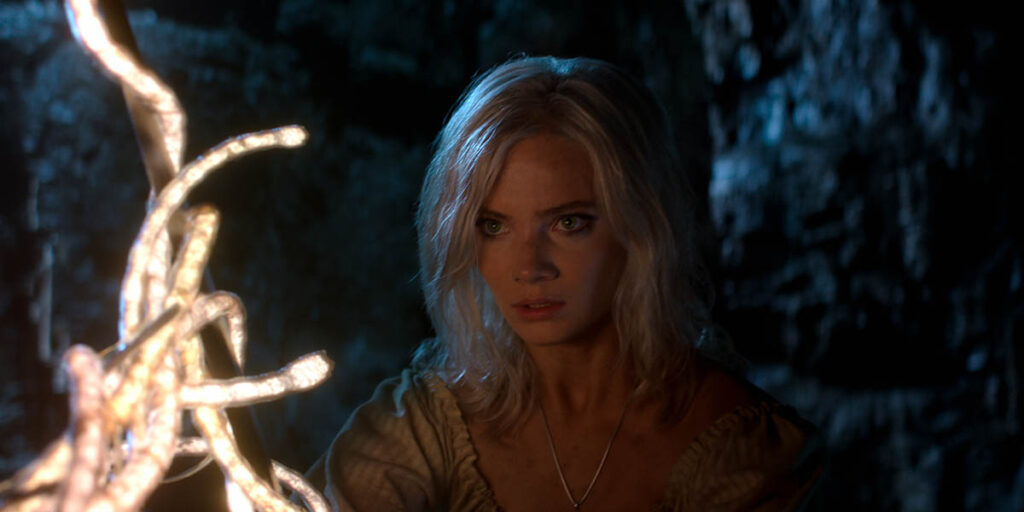
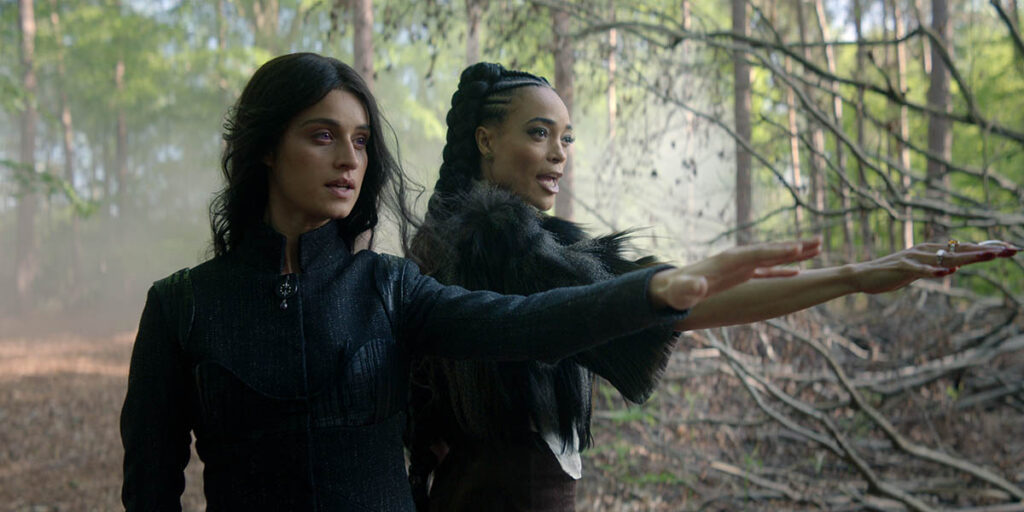
The Lodge of Sorceresses fights Vilgefortz using hand-to-hand magic combat. “It’s good versus evil,” Bennett says. “In the room, Vilgefortz’s fire magic versus what we normally see of Yennefer and the mages with their blue magic. They’re shielded against this constant attack of fire magic. You see them disintegrate. The mages set off this water and drop it down into the battle, and Yennefer uses her magic to build this sentient spiral of water that wipes out the fire magic. That was a nice piece of design to get working right so it didn’t feel like hoses of fire. The magic plays well against this shielding. It’s like an elemental battle. We had to set a color palette for when Vilgefortz and Yennefer fight. A lot of design went into that. We played using his set of colors and then had these inky-black tendrils that were part of his magic, which corrupted Yennefer’s magic alongside the portal. There were interactive lights on set, but we had to replace or enhance some of them as the idea and look got refined in post.”
The experience was enjoyable. “The production team was great,” Bennett says, noting that the client and showrunner were collaborative and well-versed in visual effects after working season after season on The Witcher. “It was a good show to be part of.”