Images courtesy of Crystal Bretz, except where noted.

Images courtesy of Crystal Bretz, except where noted.
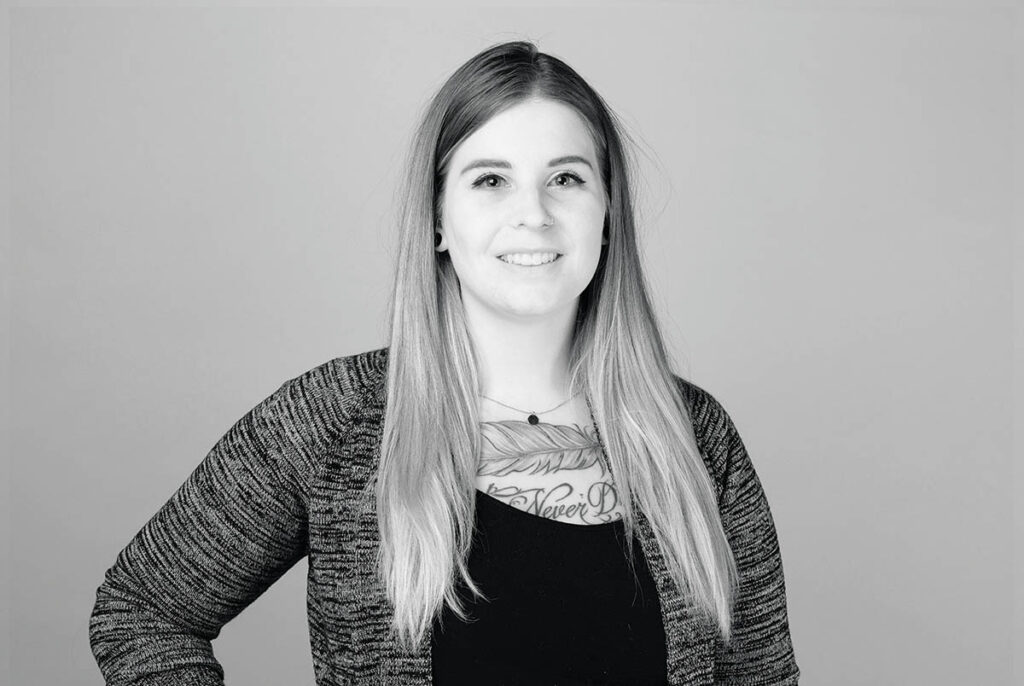
While attending the Victoria School of the Arts, Crystal Bretz played guitar, sang in a choral choir, performed ballet and contemporary dance, and experimented with 3D animation, graphic arts and photography. “I still play guitar and sing but don’t dance much anymore,” reflects Bretz, who is based in Montreal and is a Lead Modeler at Framestore. “In general, anything art related definitely helps. Just keeping rhythm in dance and guitar can assist you in understanding the rhythm and flow of shots and sequences.” Life began in Richmond, B.C., then the family moved to Edmonton, Alberta. “Where I grew up was a music-oriented place because there were not a whole lot of other things to do. To keep busy, you did artistic things, which were dancing, music, arts and things like that. I went to an arts high school in Edmonton, which wasn’t a common place to go. I was always telling my parents I’m not interested in sports, so we ended up finding the Victoria School of the Arts. Instead of doing gym classes, you can take alternative classes like ballet and guitar. I also took my first animation class, so I got exposed to a lot of different forms of arts early on, which was nice.”
While the arts were not a big part of the Bretz household, with her mother being a mail carrier for Canada Post and her father selling parts for big oil rig machinery, the offspring have been driven towards more artistic endeavors. “Part of what I do has inspired my family to become more artistic,” Bretz reflects. “Now, my brother is a graphic designer; he decided to go back to school to study that recently. My dad recently got into bird carving, and it is cool to see this artistic side coming out of him now.” Next stop was the Vancouver Film School, which saw the post-secondary student specialize in 3D modeling, surfacing and lighting and earn a diploma with honors in 3D animation and visual effects. “I wanted to go into their game design course, but they told me there might be more career opportunities in visual effects because if you learn one, you could maybe go both ways. I went into that program with the goal to be an animator, but then I found a lot of love and interest in modeling. Starting from nothing and building something out of it was really satisfying for me. I ended up going down that route, and at some point in their curriculum you can split off from the other fields and specialize. I ended up specializing in character modeling but didn’t realize how difficult it would be to get into that professionally.”

“There’s so much involved with creating a character. I pick the hardest thing there is to do. If it’s not pushing the boundaries to the next level, I don’t want it. The most challenging things don’t frustrate me; they get me excited because I get to solve something.”
—Crystal Bretz, Lead Modeler, Framestore
Upon graduating there were two job offers. “I couldn’t figure out which one I wanted to take because I wasn’t entirely sure at the beginning of my career what would be the right path,” Bretz recalls. “I had an offer from MPC to join their lighting academy for young artists entering the industry. There was another offer on the table as a generalist at a small TV visual effects company. I ended up taking that job because it was recommended to me because I might get the opportunity to work on a lot of different types of things as a generalist, including characters. At the beginning of my career, I started working at Artifex Studios, and they taught me so much. I did simulations and rigging, everything 3D related. That was a good kickoff to my career because it made me a lot more knowledgeable and fast about every part of the pipeline, rather than being stuck into one category.” Subsequent jobs include Senior Organic Modeler at Method Studios, Senior Modeler at DNEG and Digital Domain, and being granted an Unreal Virtual Production Fellowship. “I was so surprised that I got into the Unreal Fellowship because I know they only select a certain number of people, and I learned a lot. It was three or four weeks of going through the full Unreal Engine and learning how to do everything. I don’t technically use the skills I have developed now, but I know that if I was to go into a virtual production or even a game career in the future, I could definitely jump right in. Also, nowadays, if an Unreal Engine file comes in, I’m the person that they send it to!”
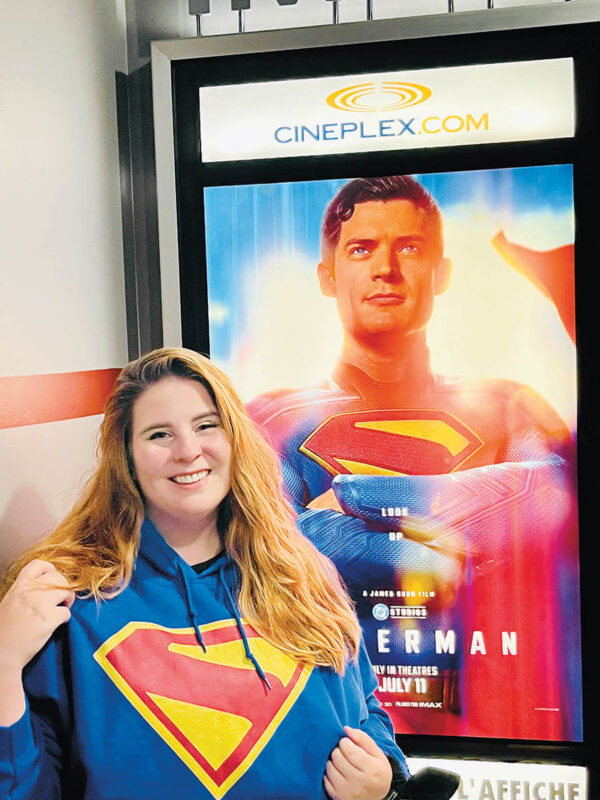
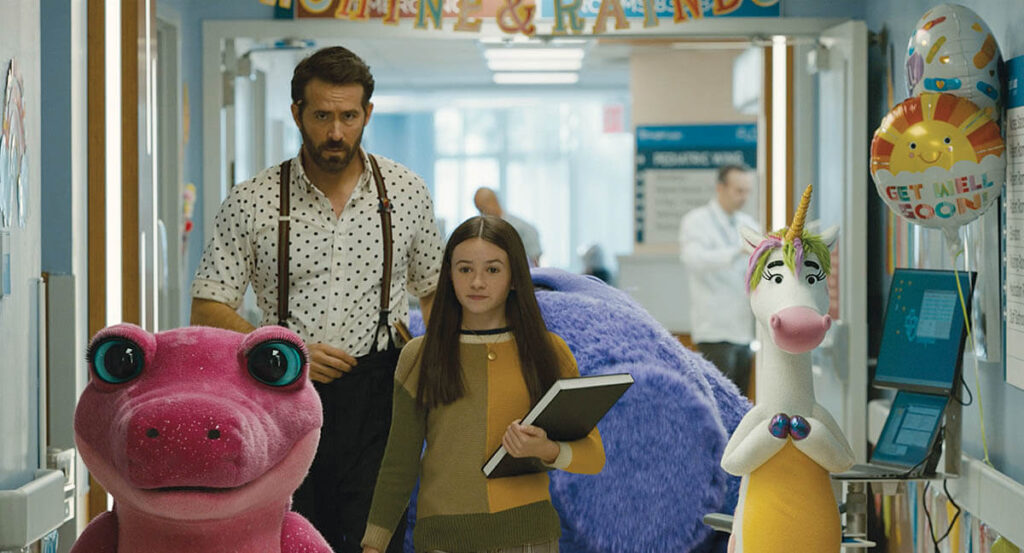
“There’s a lot to think about when you’re translating stuff from 2D to 3D, especially when you don’t have that concept model beforehand that’s already figured those things out for you in a rough manner,” Bretz observes. “For example, with Krypto in Superman, we only had a 2D concept to work from, and had to match James Gunn’s dog, Ozu, but his dog was very small, and the dog they wanted was a lot bigger. We needed to figure out how to make big-dog proportions work on a small dog, but also how do we get the exact same look of Ozu in this character? It was a lot of problem-solving, for sure. We would go back and forth on changing structure and design and eventually landed in this nice place where things just worked. I don’t know if there’s ever a cut-and-dry answer of how to translate something from 2D into 3D.”

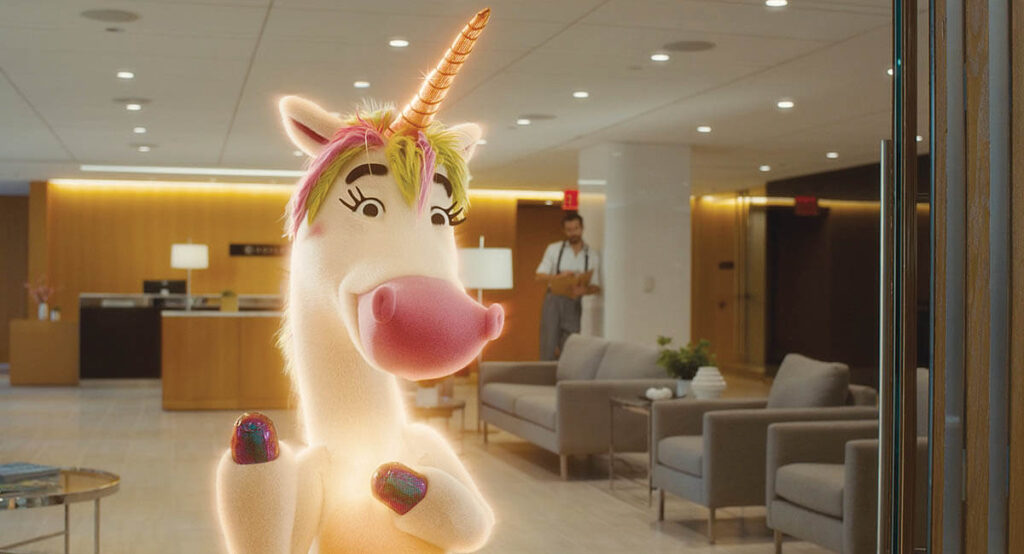
Motion is kept in mind when modeling. “A lot of the time, you have to build things exactly how it would need to be moved practically,” Bretz states. “You’re always thinking about the anatomy inside the bodies and where the bones are connecting. It gets really intricate. Some creatures or characters are fantastical, so they don’t exist. You have to think about things a bit more like, ‘Is this a jumping type of creature? What kind of bone structure would they have? How would they move?’ It impacts how you build something, which is the fun part about this job.” Realistic and stylized characters share some common principles. “No matter how stylized it is, someone will notice that it doesn’t feel right if it doesn’t actually function like a person would expect or something you’ve actually seen before. If you don’t know basic anatomy and don’t understand how things should work, then you don’t know how to stylize and tweak it to make it a little bit different but still feel anatomically right. It’s a really fine balance.”
Mentors have been prevalent throughout Bretz’s career. “Some of them I’ve never even met, but I’ve seen their art and been really inspired.” Bretz notes. “Then there are some people I’ve met who have taught me a lot. Justin Holt is an amazing texture artist, and he ended up being one of my supervisors and taught me a lot about texturing and the requirements for that. Eugene Fokin is a really good modeler who I got the opportunity to work with, and he taught me a lot as well. Overall, mentorship is important in this industry because I find when you go to college, you’re only learning a quarter of the information you need. The rest of the information you get in the industry and from those people who have the experience. This industry is constantly growing, so it’s hard to keep up sometimes without a little bit of help.” Bretz is a Character Art Mentor at the Vertex School and has conducted Gnomon workshops on “Creating a Stylized Female Character” and “Creating a Male Groom.” “Being a mentor has been one of the best things I’ve done. The surprising part is that you always know a little bit more than the person you’re mentoring and always have something useful to share, and you always know something different and come with a different perspective. The other part is helping people grow; it’s so rewarding when they get their first job – for them and for me.”
The attitude towards character modeling has remained consistent while at the same time techniques and technology are constantly changing. “I’m definitely not doing the same things I did back when I started, and I, as well as the programs and workflows, have grown a lot since then,” Bretz reflects. “I am looking forward to the sort of machine-learning style that aids processes that we didn’t like doing before, like UVs. But anything beyond that, I’m happy keeping the art as organic and human as possible because there are still flaws. There is an automated feeling behind some of the machine-learning things that come up, especially with concept art. Some tools are being developed with AI to aid everyday processes that take enormous computing power, and I support the uses here, for sure. The other thing that could be personally useful as well is just creating scripts on the fly for quick problem-solving, but leaving the complex scripting to the pros.” For Bretz, this is an enjoyable part of the job. “I like creating something from nothing. I love the challenge of it because there are muscles, bones and facial structures as well as face shapes. There’s so much involved with creating a character. I pick the hardest thing there is to do. If it’s not pushing the boundaries to the next level, I don’t want it. The most challenging things don’t frustrate me; they get me excited because I get to solve something. I’m always learning more things about this field. It’s a constant learning curve, but that’s why I love it so much.”