Images courtesy of StudioCanal and MPC Paris.

Images courtesy of StudioCanal and MPC Paris.
An infectious fungus escapes from a secret underground cold storage vault, triggering a desperate race to contain the biohazard before it reaches the outside world. This is the premise for the sci-fi horror comedy Cold Storage, directed by Jonny Campbell and starring Liam Neeson, Joe Keery and Georgina Campbell. The film features 541 visual effects shots created by MPC Paris. Over 18 months, the VFX team crafted evolving stages of creature infections, digital environments and large-scale destruction.
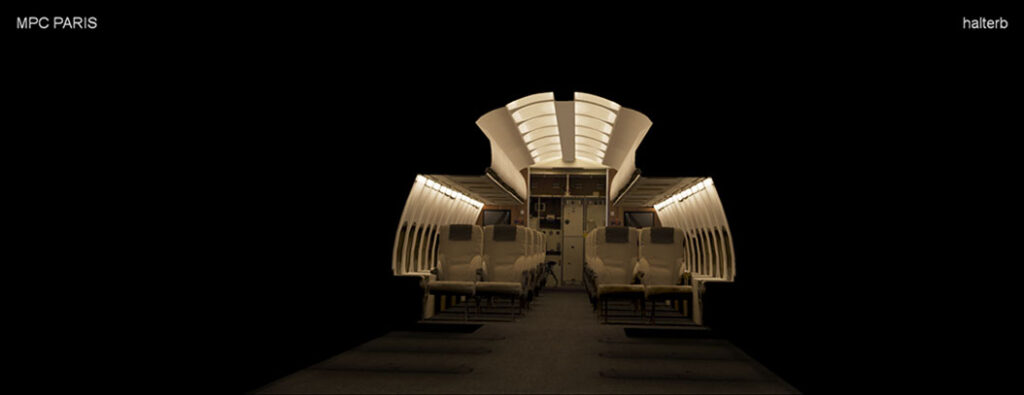
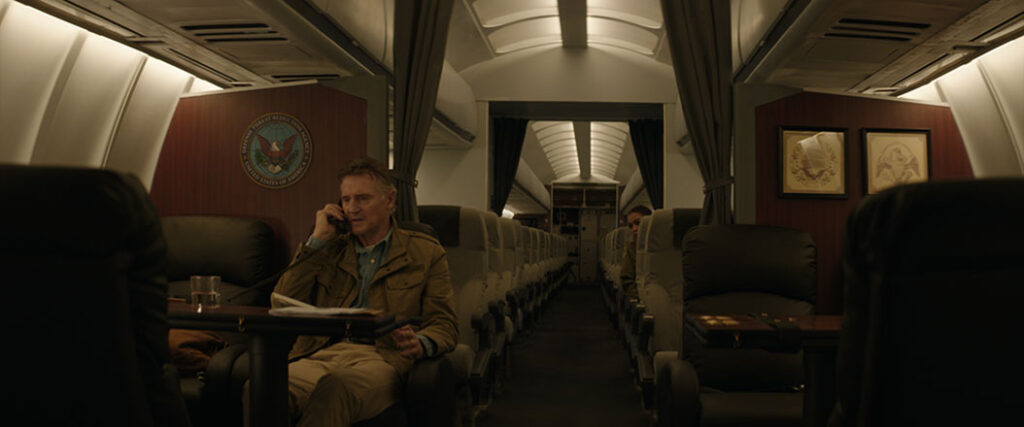
“It was the first project of this scale at MPC Paris, with such a wide range across the scope of work: creatures, environments and large-scale effects,”states Nikolas D’Andrade, VES, Visual Effect Supervisor at MPC Paris, who co-supervised with colleague Chauvet Bastien. “It was a particularly demanding production that required multiple disciplines to run in parallel, with constant back-and-forth between teams to maintain visual consistency while meeting both technical and artistic constraints. It meant continuously shifting from highly detailed, organic creature work to much broader, systemic approaches for environments and large-scale simulations.”
Campbell envisioned a retro aesthetic for the film. To achieve this, the team partnered with Igor Studio, which produced the prosthetics and animatronics for the film. “We all worked closely together to preserve that sense of authenticity you’d find in older films, while layering in an extra level of detail enhanced through visual effects,” D’Andrade explains. “We had concepts, designs and references provided by Dave Elsey from Igor Studio, which was our creative starting point and foundation for developing the look and behavior of the creatures. However, we didn’t have any previs, mainly due to the tight turnaround between pre-production and the start of the shoot. That meant a lot of decisions had to be made early and carried through production without the usual level of visual planning, which required a more intuitive and adaptive workflow, especially once we started integrating the work on set and in post.”
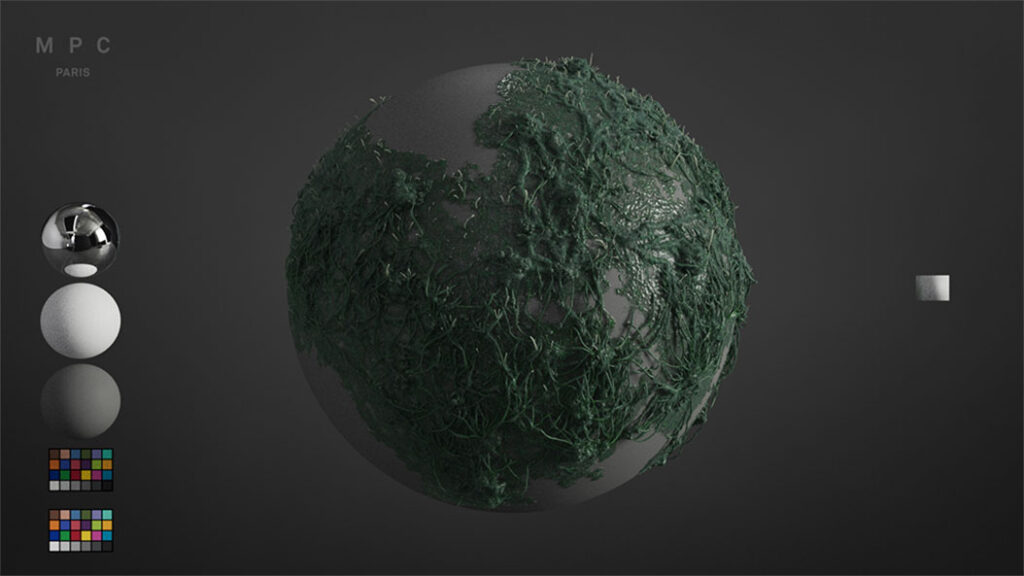
“I carried out a series of explorations around fungal coloration to test different visual intentions and find the right balance between realism and stylization. I also spent a significant amount of time researching cordyceps behavior, growth patterns and biological logic to inform our approach. Alongside that, David Koepp’s book [Cold Storage] was a key source of inspiration, especially for smaller details that helped ground the work and give coherence to the overall design.”
—Nikolas D’Andrade, Visual Effects Supervisor, MPC Paris
To determine the best color palette for the mutated cordyceps, the VFX team turned to their real-life counterparts. “I carried out a series of explorations around fungal coloration to test different visual intentions and find the right balance between realism and stylization,” D’Andrade remarks. “I also spent a significant amount of time researching cordyceps behavior, growth patterns and biological logic to inform our approach. Alongside that, David Koepp’s book [Cold Storage] was a key source of inspiration, especially for smaller details that helped ground the work and give coherence to the overall design.”
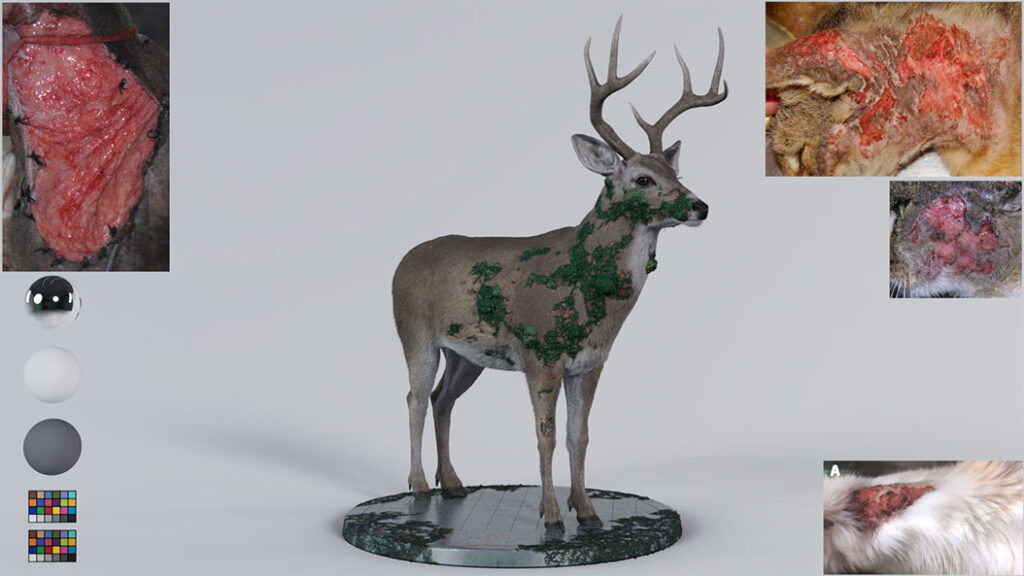
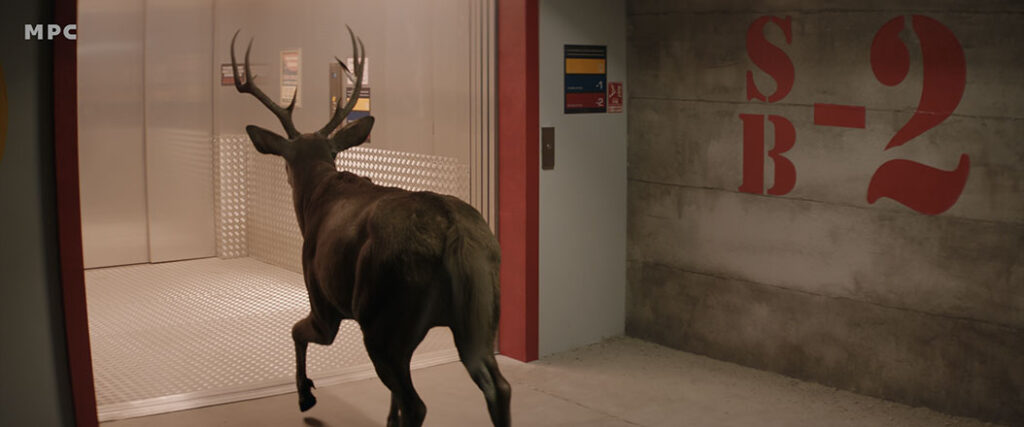
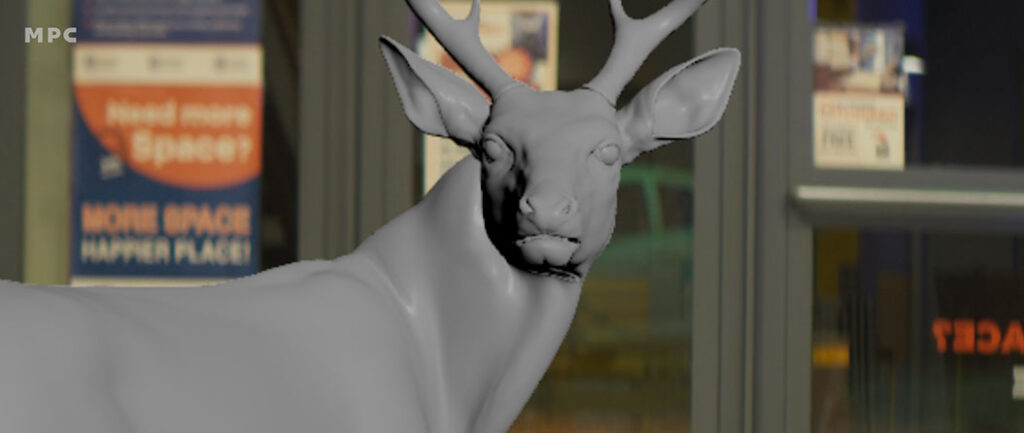
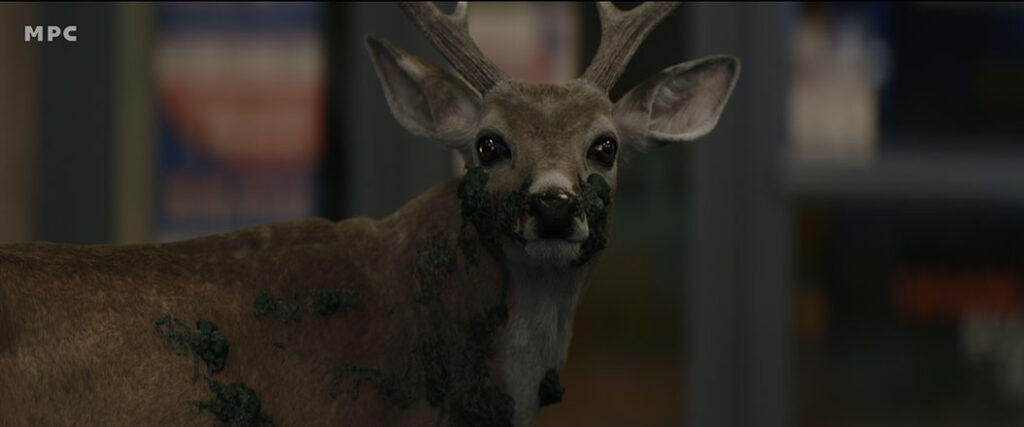
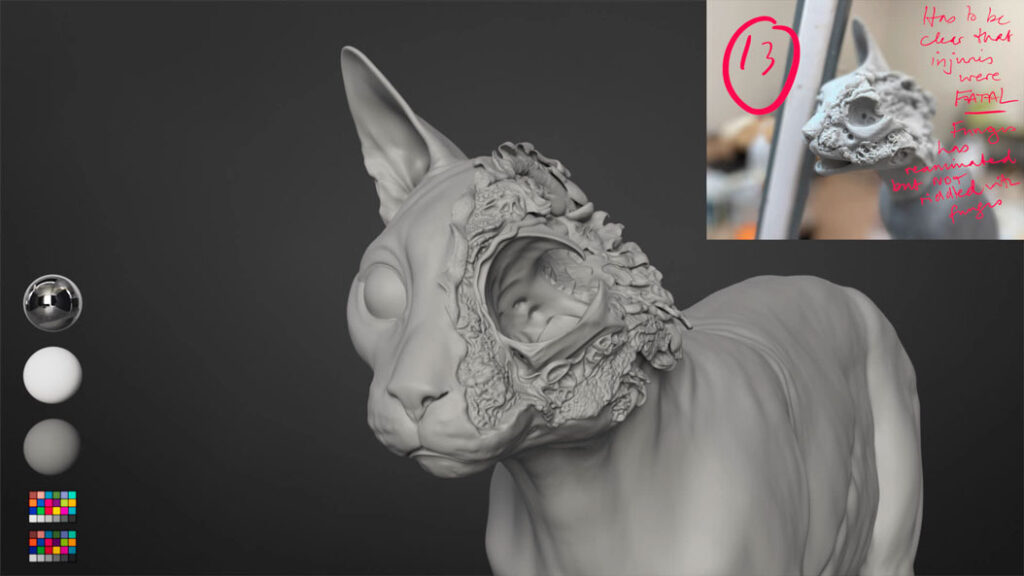
Even though online references for cats and deer were readily available, envisioning them infected was difficult. D’Andrade notes, “We had to avoid making them look injured, which would trigger too much empathy, or giving them a drunken, unconvincing appearance. It was a fine line to walk, somewhere between the grotesque and the absurd. The goal was to land in that uncomfortable space where it feels slightly funny, but at the same time deeply unsettling and eerie.”
Establishing a smooth, well-structured and efficient production pipeline was a priority. “We focused on building a workflow that could sustain a heavy shot count while maintaining consistency across departments, avoiding bottlenecks and keeping communication clear between teams,” D’Andrade says. “It was about anticipating challenges early, standardizing processes where possible and making sure every stage – from asset creation to final delivery – was properly aligned. That experience allowed us to keep things running in a controlled, predictable way, even as the complexity of the work increased, ensuring that quality stayed consistent without slowing down the overall pace of production.”
The pipeline shared with The Mill Paris is built around Arnold, Maya, Houdini and Nuke. “That combination of established workflows and custom tools gave the teams the flexibility to handle complex work without slowing down. It was also during this project that we initiated the development of a workflow manager prototype, designed to automate parts of the production chain. That groundwork has since been integrated into our main open-source tool, Meshroom, extending its capabilities beyond its original scope.”
The visual effects work was primarily divided by facilities in Paris and Bangalore. “Roughly 500 people contributed to the project overall, not simultaneously but across its different phases,” D’Andrade reveals. “From a production standpoint, Cold Storage was designed to be highly collaborative and adaptable. A central team handling production and supervision ensured continuity and direction, while department leads across assets, animation, effects, environments, lighting and compositing managed execution on the ground. This setup gave us the flexibility to scale resources up or down as needed, respond quickly to post-production demands and iterate efficiently following test screenings or creative feedback.”
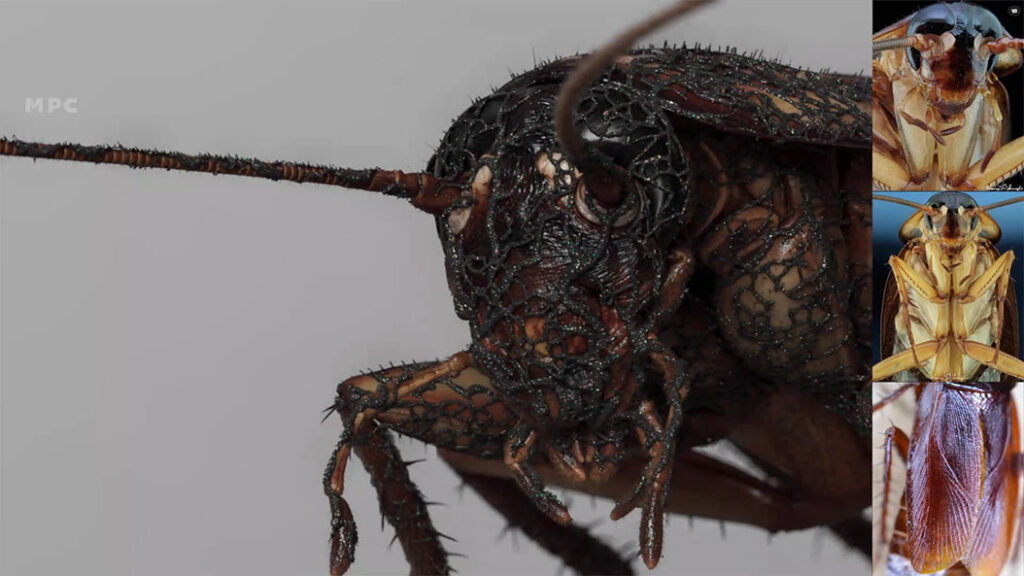
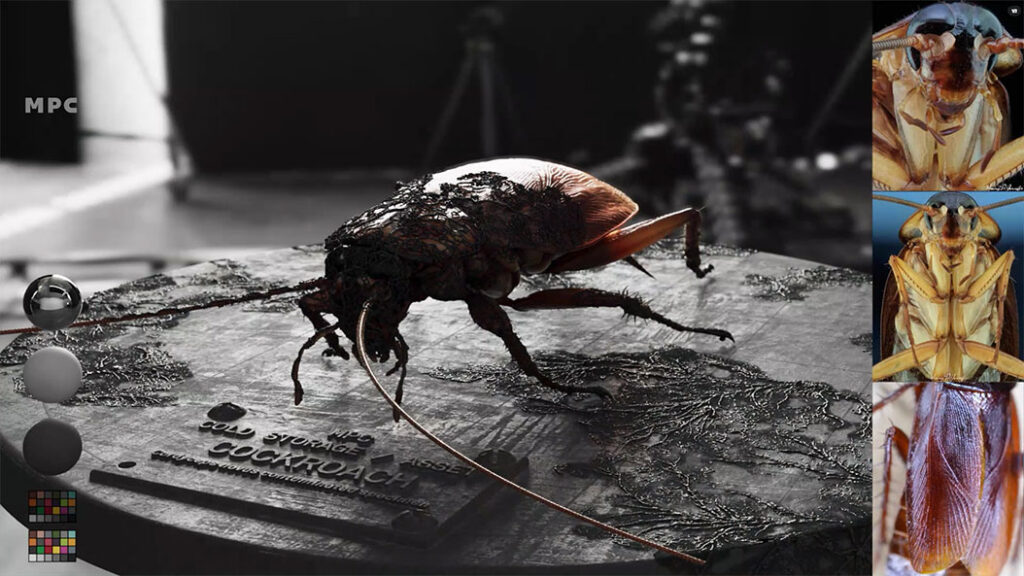
Making the cordyceps terrifying was a major task. D’Andrade says, “In the book, the cordyceps adapts depending on the chemical elements it encounters and absorbs, continuously mutating into a more complex, almost strategic organism driven by its need to expand; that became the foundation for shaping its identity as the film’s antagonist. We approached it almost like a character, with its own logic and instincts, water acting as its ultimate resource while fire is its greatest threat.”
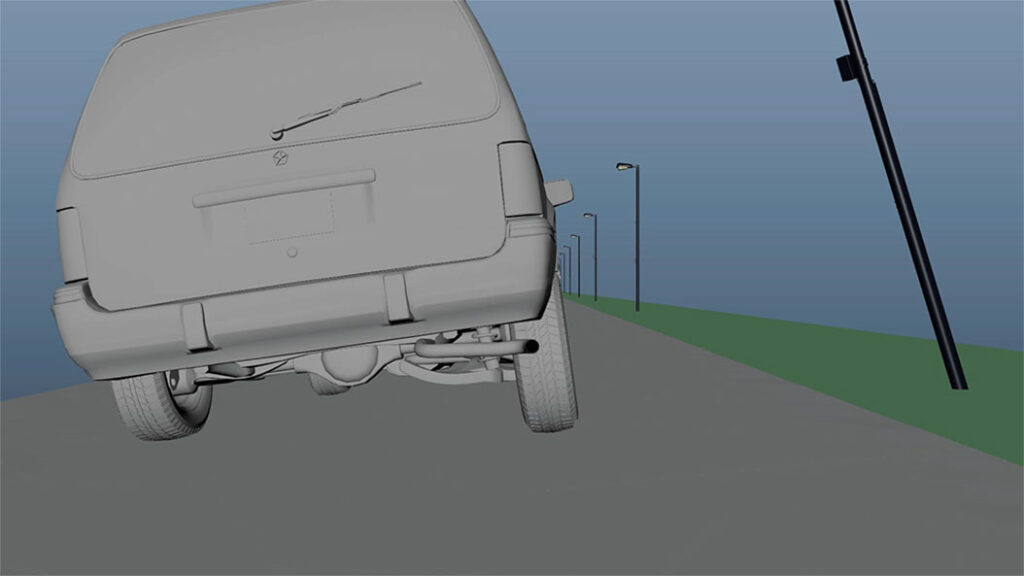
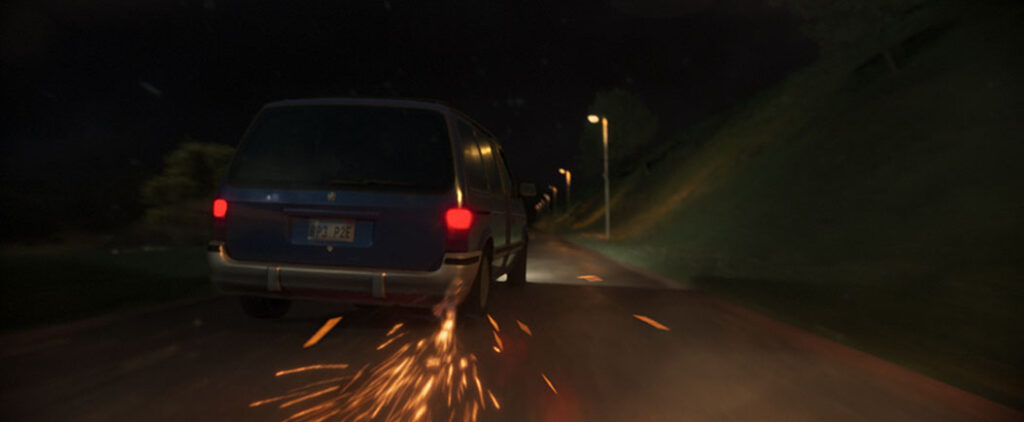
Instinctively, the cordyceps avoids fire. “In a top-down shot following a vehicle explosion, we designed the fungal spread on the tarmac to form a circular dead zone, an area it avoids entirely due to the heat,” D’Andrade reveals. “From there, we worked closely with the effects team and moved into a full R&D phase. The goal was to develop an asset we could essentially drop into a 3D environment and let behave organically, mimicking how a real cordyceps might evolve. At the same time, production realities meant we couldn’t rely purely on simulation. We needed precise control over its growth and propagation to art-direct each shot accurately; that led us to define a set of practical rules: how it navigates tight spaces, how it reacts to different materials, and how quickly it spreads depending on its environment. For example, it propagates extremely fast across water, which is why in the parking lot sequence following Dr. Friedman’s implosion, it rapidly overtakes the space in just a few shots. Whereas in the storage facility, its progression is deliberately slower and more restrained.”
Most of the environments were real locations or fully built sets. “The entirety of the Atchinson Storage Facility was designed by the talented Elena Albanese [Production Designer] and constructed in full. It was a massive set, built at scale, which gave us a strong physical foundation to work from,” D’Andrade states. “That approach grounded the film in something tangible and real, allowing performances and lighting to feel more authentic, while keeping visual effects focused on enhancement rather than replacement. It also meant we could integrate our work more seamlessly, building on what was already there instead of having to recreate entire environments from scratch.”
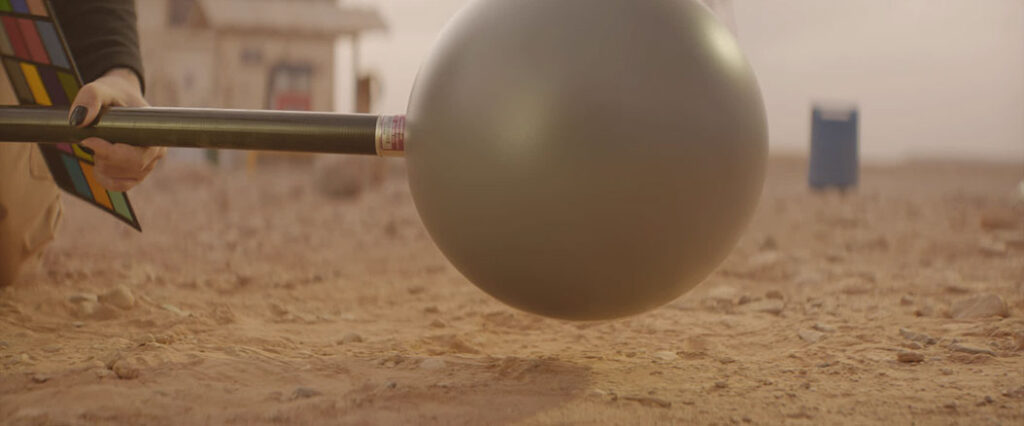
Aerial plate photography was captured with a drone. “This gave us solid coverage both for camera projections and for wider establishing shots. We then combined that with map data to reconstruct the terrain beyond a certain range, particularly elevation information. We relied on LiDAR scans for everything close to camera, especially the natural set we shot on near Naples.”
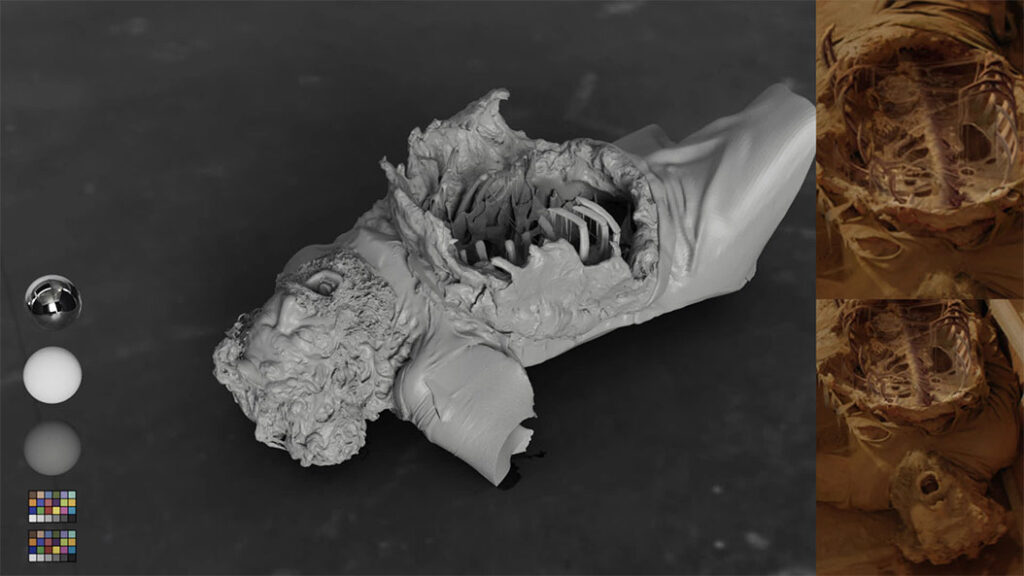
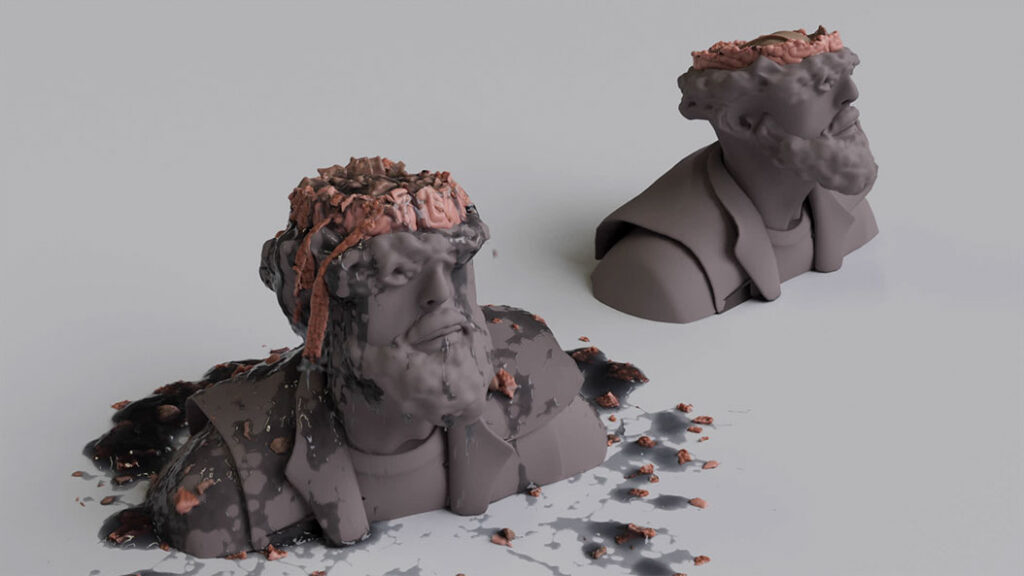
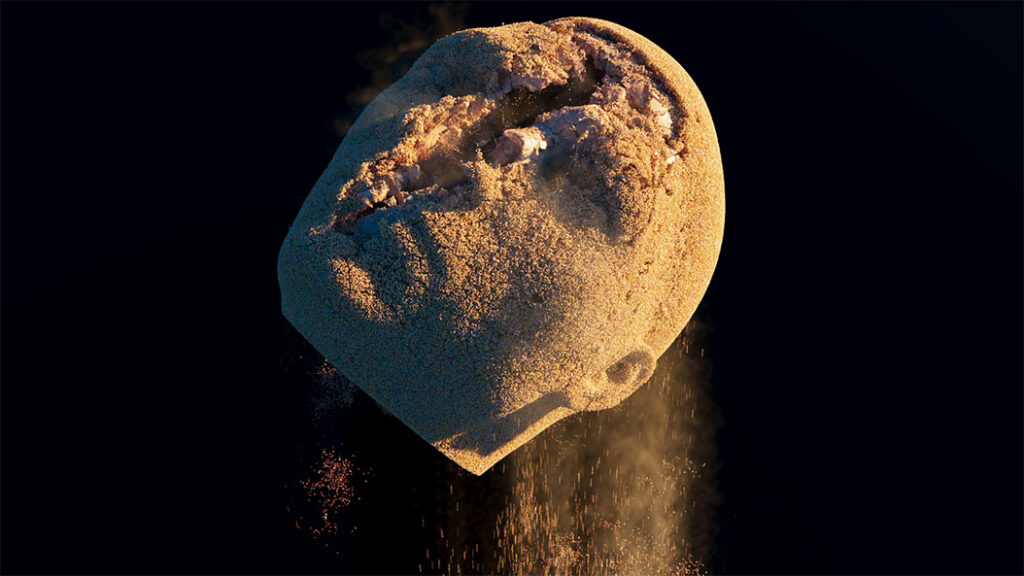
Digital doubles were used sparingly. “The main exception was Dr. Friedman, whom we scanned based on the puppet created by the prosthetics team and Ironhead, to handle the shot where the top of his head is cut,” D’Andrade notes. “We also created a digital version for the desiccated body on the rooftop, as well as for the collapsing torso in the opening sequence. Beyond those specific moments, we relied as much as possible on practical work, only turning to digi-doubles when the shot required something that couldn’t be achieved physically or safely on set.”
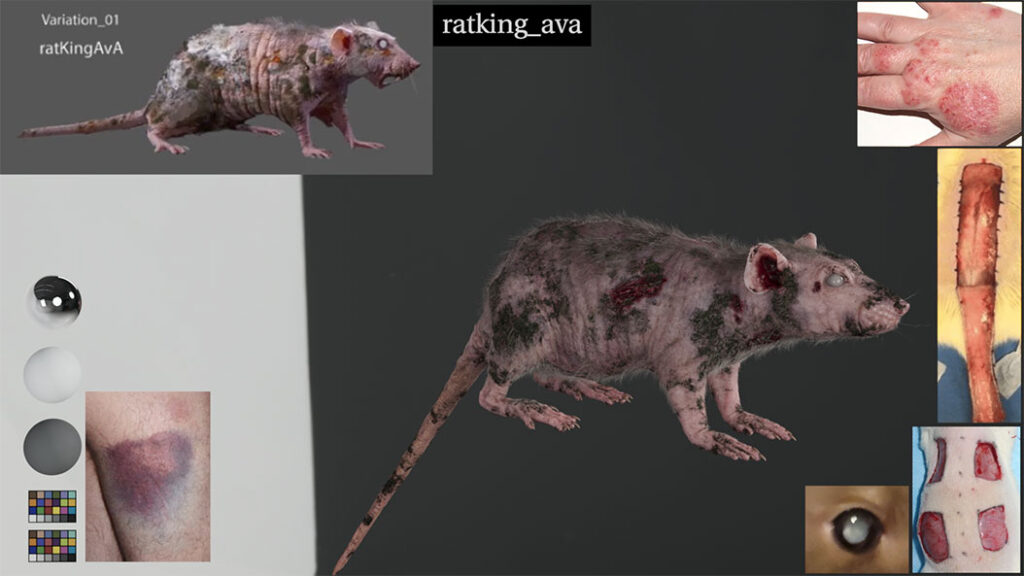
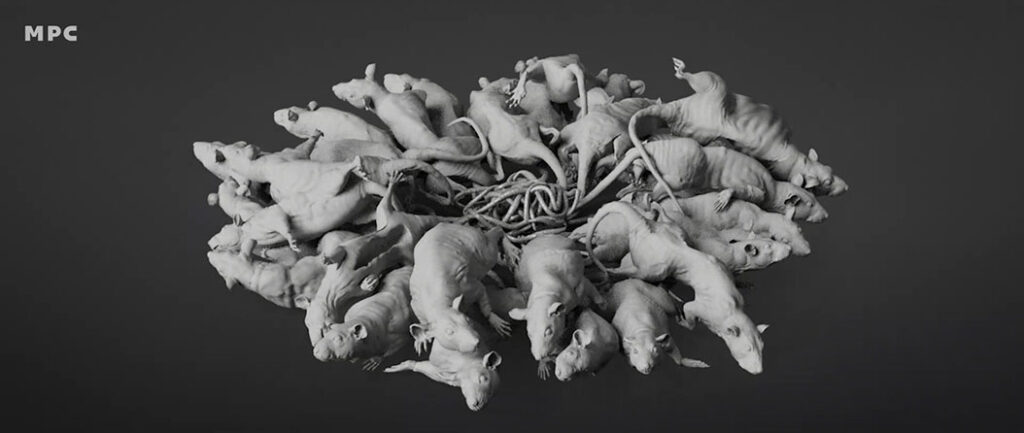
The deer was the main focus in conveying infected behavior. “That’s where we spent the most time refining movement, balance and subtle cues to make it feel believable without drifting into something too exaggerated or unintentionally comical. For the other animals, the direction was more straightforward, with fewer iterations needed. The main exception was the rat king, which came with its own unique challenge. All of the rats are physically bound together by their tails; that constraint fundamentally shaped their movement, forcing us to think in terms of a collective behavior rather than individual performances, and to find the right balance between chaos, weight and cohesion.”
“We worked within a 16-bit EXR pipeline in ACES, which gave us a solid foundation in terms of dynamic range and color consistency. During reviews, especially on shots with strong exposure and contrast variations, I would regularly push and pull the exposure range to see how far the image could go and how it behaved under stress. The idea was to anticipate any potential issues early and avoid unpleasant surprises later during the DI stage. This allowed us to validate that the full dynamic range was properly preserved and that highlights and shadows held up across different viewing conditions.
—Nikolas D’Andrade, Visual Effects Supervisor, MPC Paris
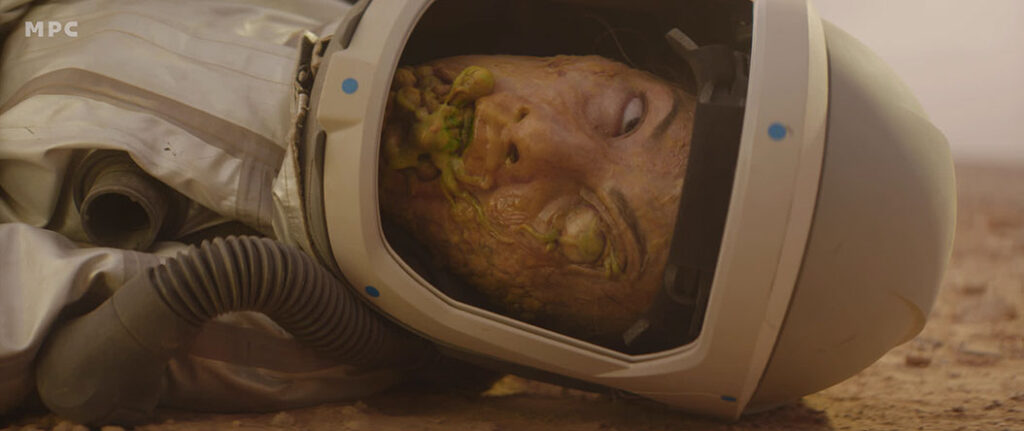
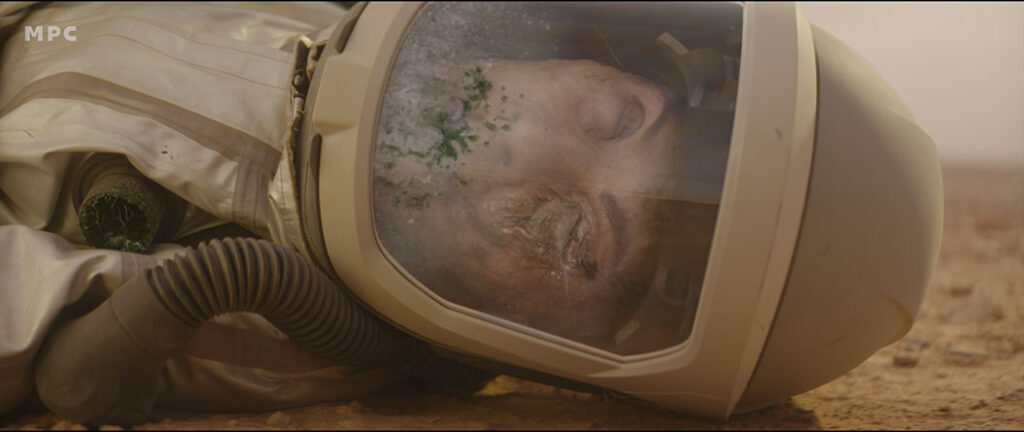
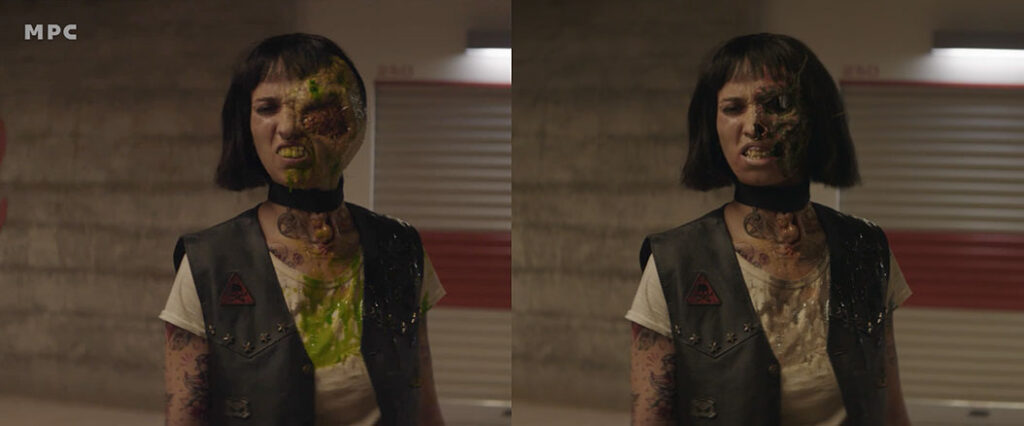
Both humans and animals get infected in the film. “It’s about making it believable and grounded,” D’Andrade observes. “You’re taking something extreme and translating it into something the audience immediately understands without questioning it. There’s a technical side of studying how bodies break down and the storytelling side of knowing how far to push it so it serves the scene without becoming distracting. If it works, people don’t think about the effect. They just accept it. That’s where the craft is.”
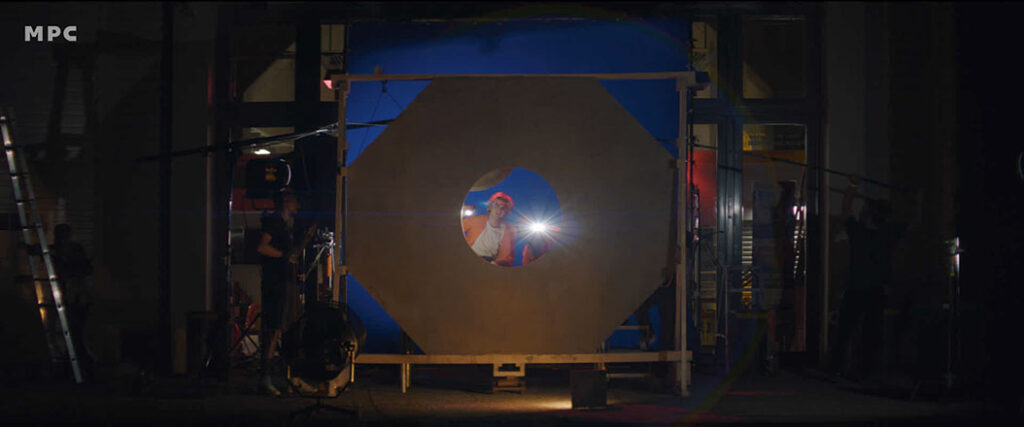
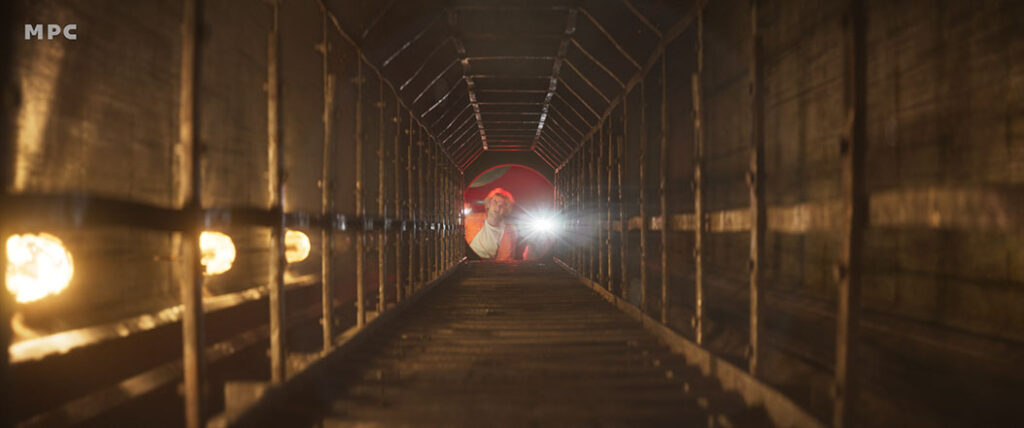
Simulations, atmospherics and destruction were extensive but driven by the needs of the shot. “We covered everything from localized interactions, dust, debris and subtle breakup to larger-scale destruction and atmospherics that helped sell the environment. The key was control. Simulations can easily get overwhelming, so it was about keeping them art-directed and consistent with the practical work and making sure they integrated seamlessly rather than drawing attention to themselves. In the end, it’s less about how big the simulations are, and more about how well they support the image.”
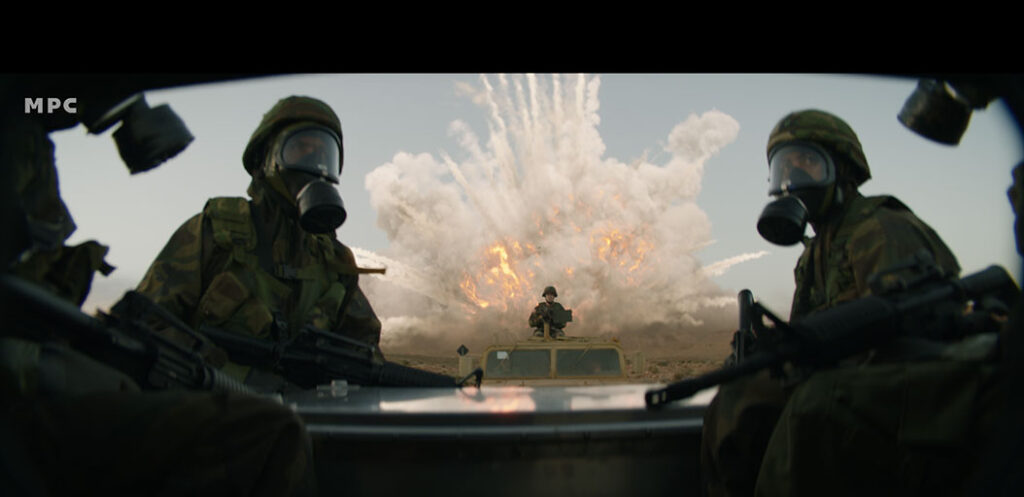
Dolby Vision enhanced the picture quality. “We worked within a 16-bit EXR pipeline in ACES, which gave us a solid foundation in terms of dynamic range and color consistency,” D’Andrade explains. “During reviews, especially on shots with strong exposure and contrast variations, I would regularly push and pull the exposure range to see how far the image could go and how it behaved under stress. The idea was to anticipate any potential issues early and avoid unpleasant surprises later during the DI stage. This allowed us to validate that the full dynamic range was properly preserved and that highlights and shadows held up across different viewing conditions. As a result, the finishing process was more about enhancing what was already there rather than correcting problems, fully taking advantage of HDR to bring out a much richer, more vibrant image, particularly in terms of brightness and overall light intensity.”
The climax demanded an enormous amount of computer power, storage and render time. “The scale and complexity of the sequence pushed the pipeline to its limits, with heavy simulations, dense geometry and multiple layers of volumetrics all stacking up,” D’Andrade notes. “It required careful optimization and constant monitoring to keep everything running efficiently without compromising quality. Managing render times and data flow became a challenge in itself, with large caches, high-resolution assets and extensive iterations. It was a true stress test for both the infrastructure and the teams, but also a key moment where all the work came together at full scale.”
The film and production were being refined in parallel. D’Andrade adds, “We were constantly adjusting as new editorial versions came in and as the creative direction evolved. That dynamic made the process genuinely engaging. We were true creative partners, actively shaping the film rather than just delivering shots. At the same time, it wasn’t always easy on the teams. Iterating, reworking and sometimes redoing entire sections can be demanding and, at times, frustrating. But everyone held the line and delivered. The teams stayed committed, adapted to the pace and kept the quality high throughout. Massive credit to them for their resilience and dedication.”