Images courtesy of Base FX and Netflix.

Images courtesy of Base FX and Netflix.
Taking revenge to extreme levels is central to the Emmy-winning Netflix anthology series Beef, created by Lee Sung Jin. In its sophomore season, a blackmail scheme sparks a toxic feud between two couples, played by Oscar Isaac, Carey Mulligan, Charles Melton and Cailee Spaeny. Base FX (Sinners, The Fantastic Four: First Steps) produced 32 visual effects shots for the show, including an ant colony, a coyote attack and buzzing CG bees.
“This was a unique experience in that the on-set visual effects supervisor wrapped after the shoot and moved on to another film,” Chris Morley, Visual Effects Supervisor, notes. “This opened a direct communication path to Sonny [Lee Sung Jin] and Jake [Schreier], who were directing their respective episodes. I’m a big fan of working directly with the filmmakers so I can personally understand the feeling they are going for.” The production had relatively little in the way of storyboards, concept art or previs. Morley says, “One of my favorite things to do after a creative kickoff is to dive directly into researching different facets of a shot or sequence. Gaining knowledge and referencing reality helps create a more grounded feeling in the work. It also helps for any random questions that may come up during a pub trivia night!”
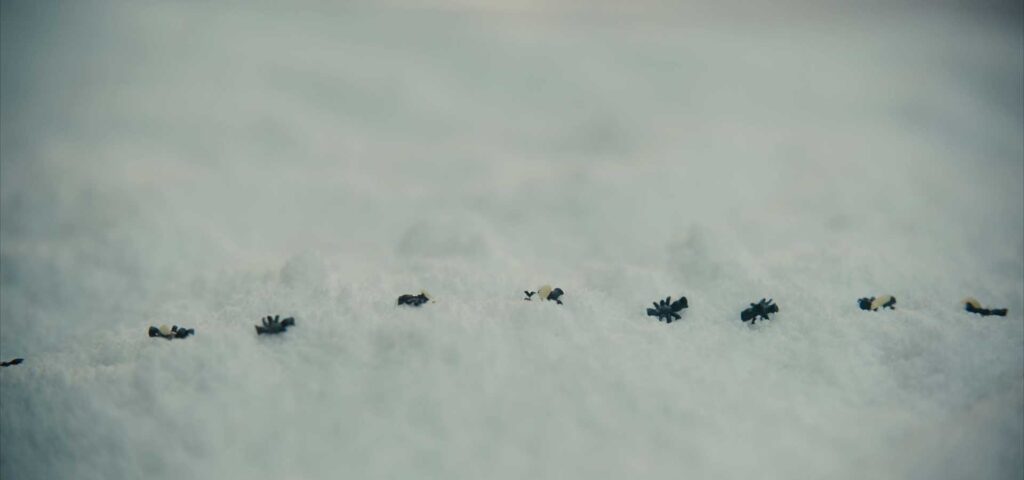
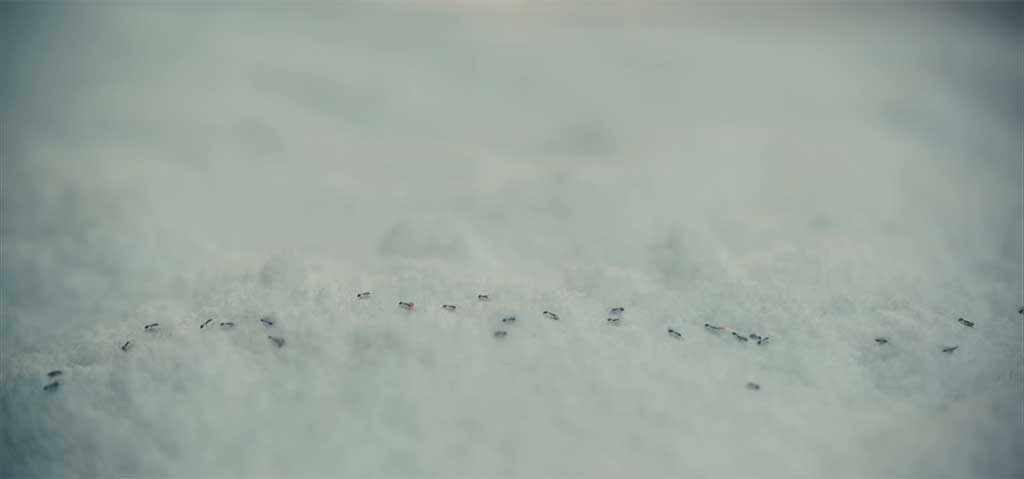
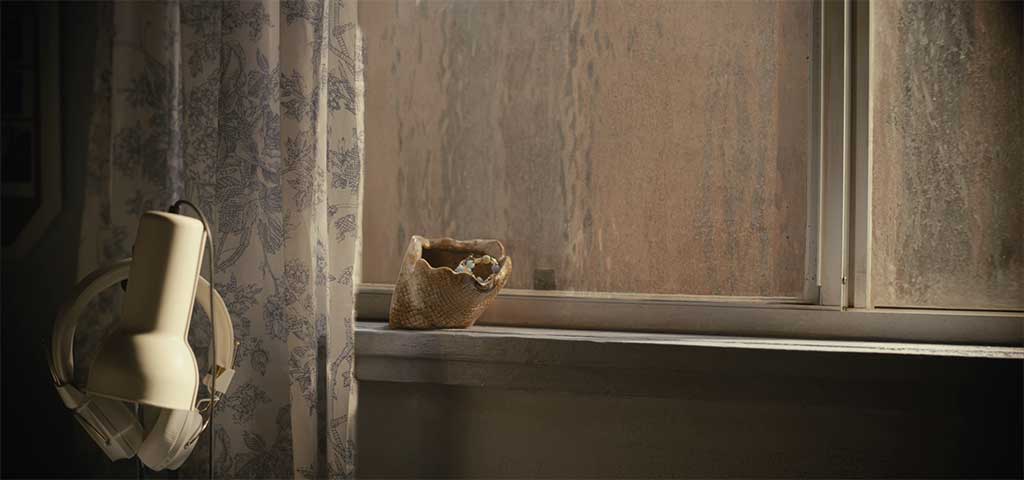
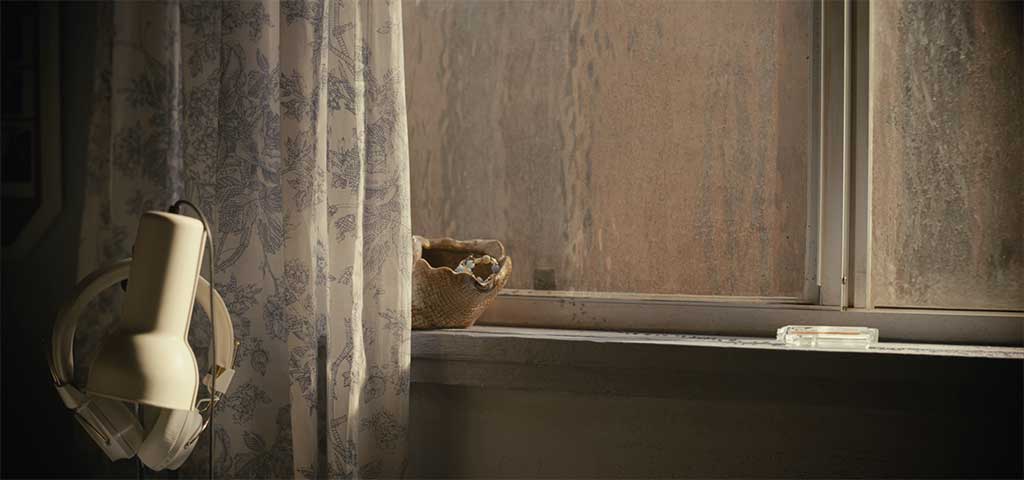
“We reviewed many species of ants, taking their color and size into consideration in relation to the lensing and movement of the plates. We decided on a species called Argentine ants because they are similar to a basic home intruder ant. We adjusted their models based on macro photography references and created proportion variants that helped provide visual breakup in shots with many ants. Animators created walk cycles that were run through Houdini simulations. We also shot a time-lapse of ants devouring poison on a windowsill and heading back to the colony. This required a lot of frame speed tweaking to look correct.”
—Chris Morley, Visual Effects Supervisor, Beef Season 2
Some of the reference footage was captured through happenstance. “Jake captured a quick video of some ants traversing a curb outside the production office,” Morley recalls. “That was great to see because it showed us how fast ants actually travel across a surface. We also referenced videos of dachshunds rolling over and standing up so we could see how they thrash around due to their long bodies and short legs. This was a helpful reference for a scene where a dachshund is attacked by a coyote.”
Achieving practical reference through digital technology can be a challenge. Morley says, “Many facets need to be worked out with this in mind: finding proper proportions during model building, crafting realistic speed and movement, texturing with subtle nuances, and ensuring proper lighting and focal integration. We constantly need to check ourselves against real-world references so we don’t fall into the black box of perceived computer reality.”
Ants appear throughout the season’s eight episodes, leading viewers in and out of the series. “We reviewed many species of ants, taking their color and size into consideration in relation to the lensing and movement of the plates,” Morley reveals. “We decided on a species called Argentine ants because they are similar to a basic home intruder ant. We adjusted their models based on macro photography references and created proportion variants that helped provide visual breakup in shots with many ants. Animators created walk cycles that were run through Houdini simulations. We also shot a time-lapse of ants devouring poison on a windowsill and heading back to the colony. This required a lot of frame speed tweaking to look correct.”
In one scene, Austin (played by Melton) attempts to save a bee with a drop of water. “We needed to tell a clear story in a shot with a racking shallow depth of field. We researched bee footage, more specifically, bees that were dying. Playing with different amounts of movement in the body, legs and wings was important to find the proper balance between actual reality and cinematic reality. We needed the animation to clearly sell that this bee is on its last breath and dies by the end of the shot.”
The on-set coyote’s performance had to be adjusted to work with the CG dachshund. “Some of the shots in that sequence required coyote retiming, head replacement and shadow interaction with the CG dachshund,” Morley states. “For the coyote attack principal photography, they shot a stand-in stuffy of the dachshund in the coyote’s mouth. It worked well for initial reference, but the shot required us to make the performance a bit more violent. Once we placed our thrashing CG dachshund in its mouth, the shot really came alive.”
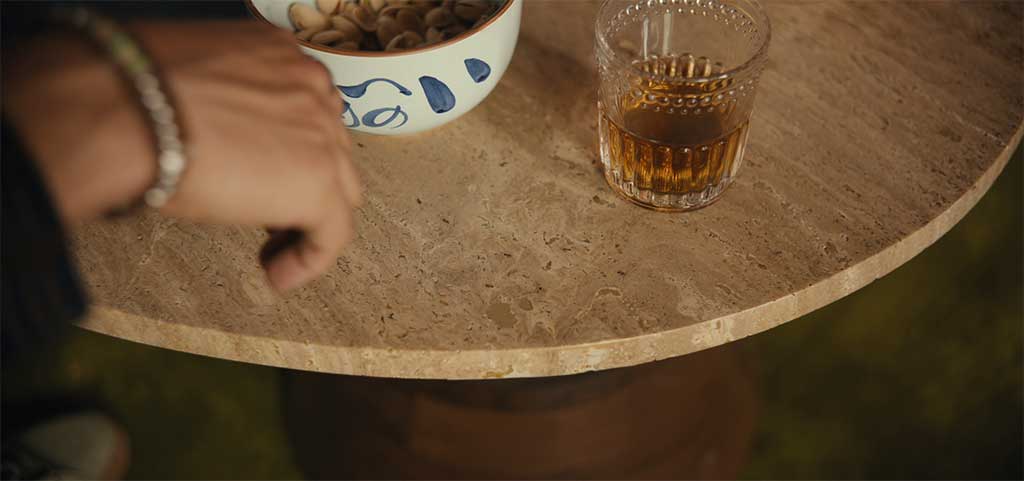
Creating a moment of tension became more complex than expected. “There was a shot following the coyote attack where the dachshund is wounded, and the audience doesn’t know if it’s going to make it. We needed to ride the edge of subtle and extreme gore. We went back and forth on wound size, flowing blood, specular detail and bloody fur edges. This went on until Sonny was able to align the visceral imagery of the wounded dog with the story that needed to be told.” The team maintained real-world creature sizes for most shots. “For many of the shots, there was interaction with humans in the scene, so it was quite obvious if something was a bit off scale-wise,” Morley remarks. “On other shots, we were able to cheat creature scales depending on shot composition or lensing.”
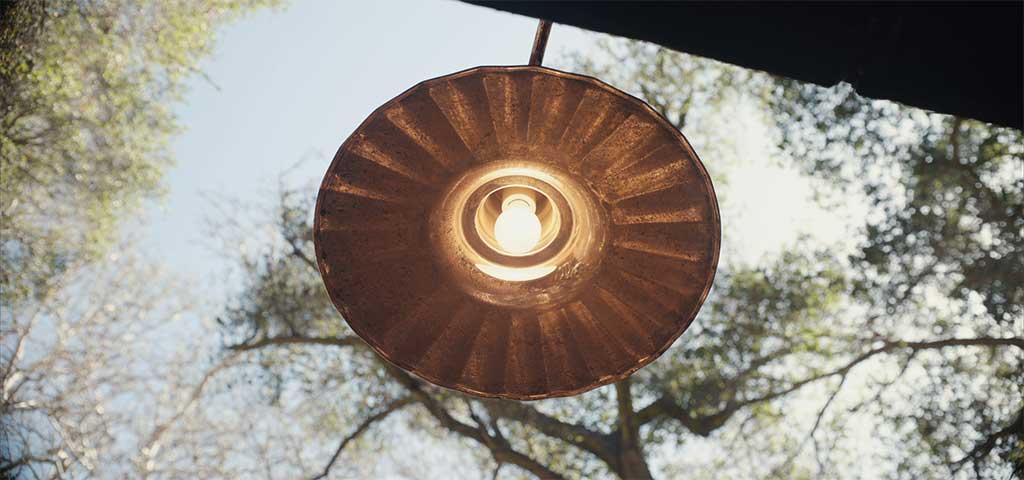
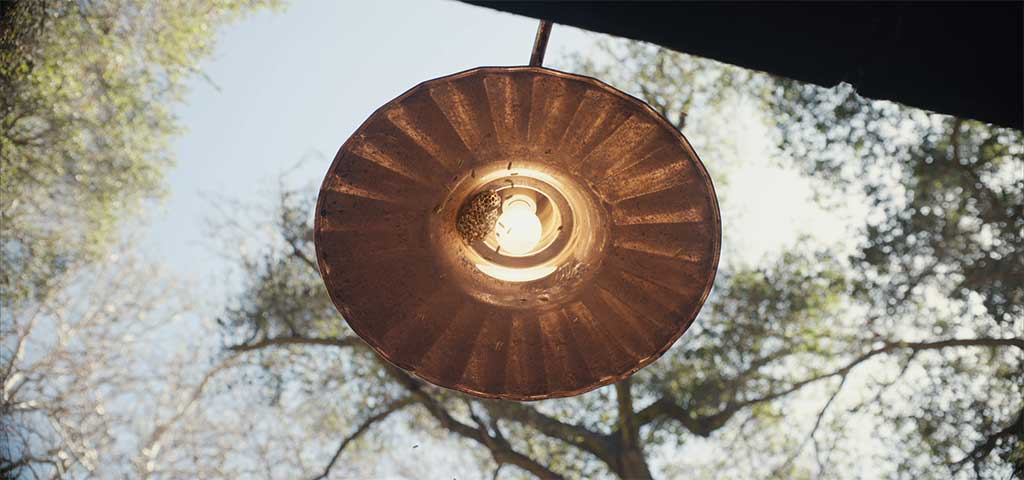
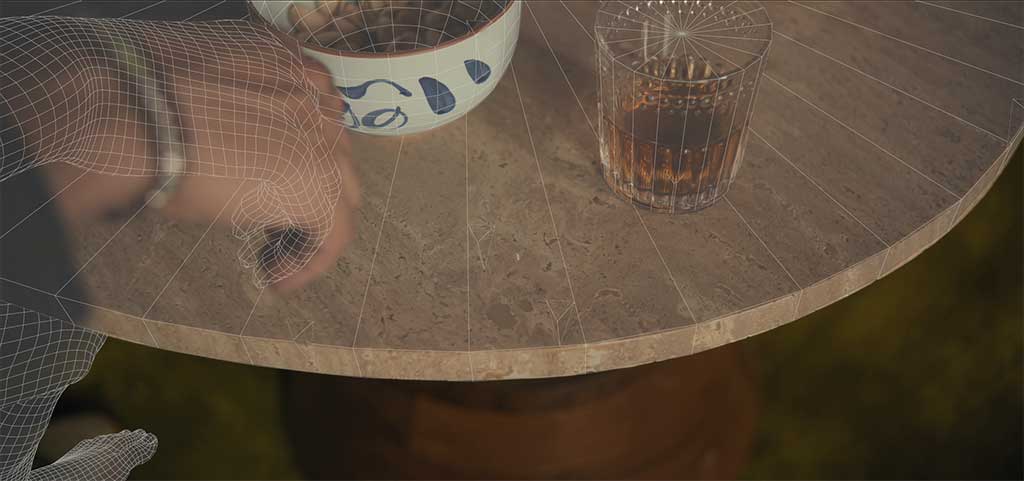
Surfacing was also essential in achieving the proper CG interaction. “We modeled all surfaces with an emphasis on terrain details seen in the plates, whether in extreme close-ups or wide shots. We also modeled and match-moved any live-action elements that interacted with the CG creatures. This was an important facet of our work on many of the shots due to ants traversing a snow surface, bees swarming around a hive built into a porch light, and a dachshund being attacked by a coyote.” Animation served as the foundation of the simulation work. Morley adds, “We used animated cycles and simulated them as swarms or lines of ants.”
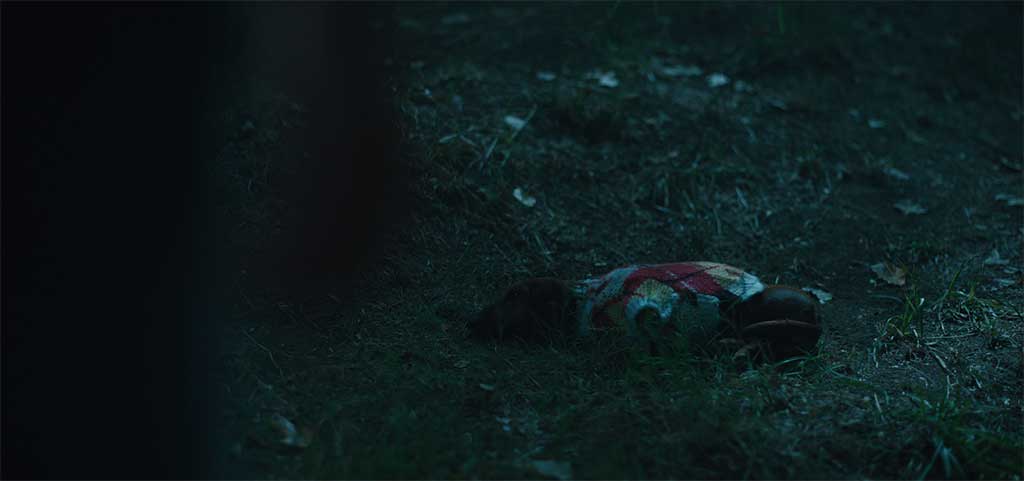
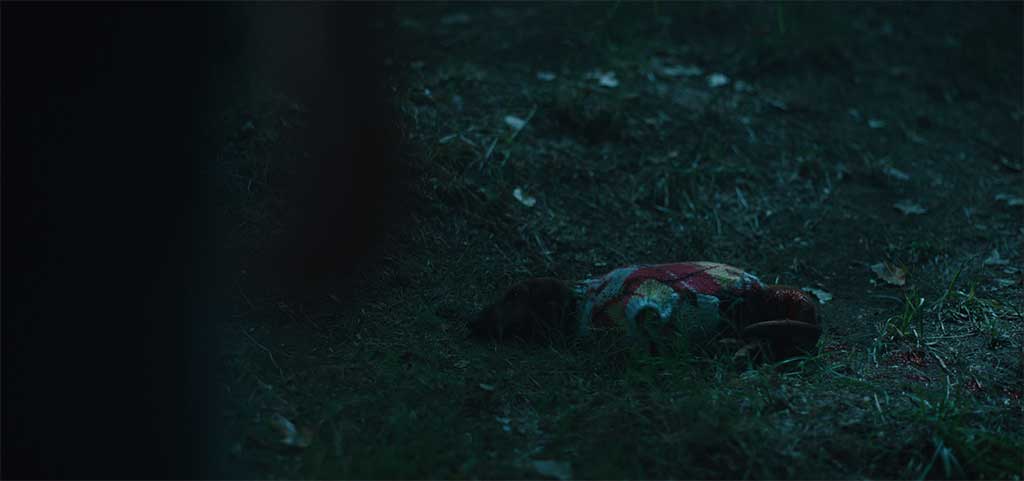
“We modeled all surfaces with an emphasis on terrain details seen in the plates, whether in extreme close-ups or wide shots. We also modeled and match-moved any live-action elements that interacted with the CG creatures. This was an important facet of our work on many of the shots due to ants traversing a snow surface, bees swarming around a hive built into a porch light, and a dachshund being attacked by a coyote.”
—Chris Morley, Visual Effects Supervisor, Beef Season 2
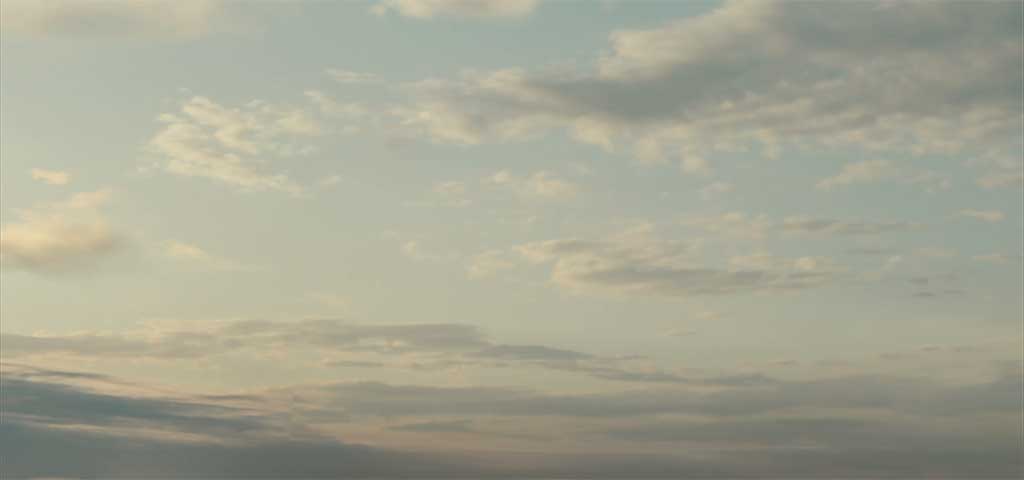
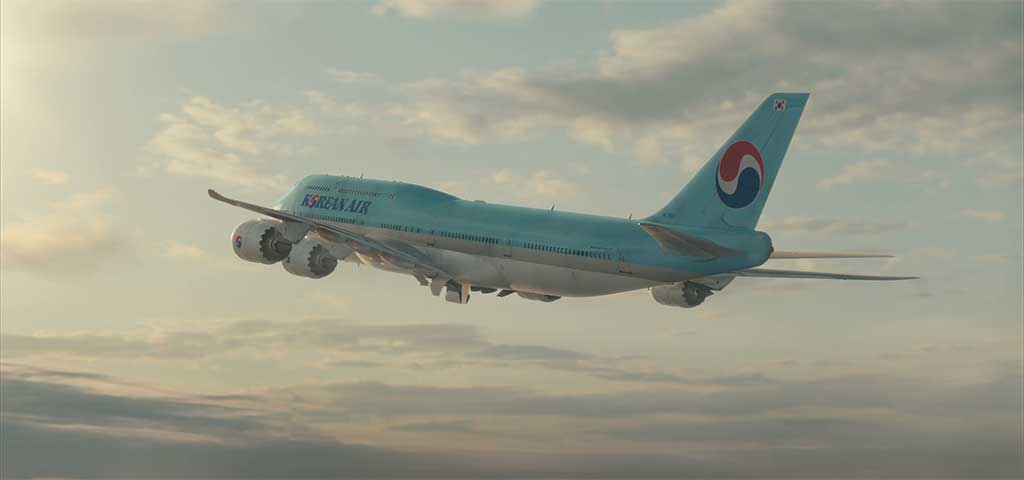
Not everything was creature-related; the team also produced a CG aircraft. “Production found a piece of stock footage that captured the correct feeling, but its framing was too tight, and the aircraft was incorrect,” Morley explains. “We were asked to use that for inspiration while working on a full CG version with a Korean Air 747-8I. We created a DMP for the sky that mapped on a sphere and added CG clouds and foreground mist. We kept the camera movement and lighting to a pleasing yet grounded feel. The plane was in its initial climb to cruising altitude, so special attention was paid to cloud look and animated details such as the wheels retracting and panels closing.”
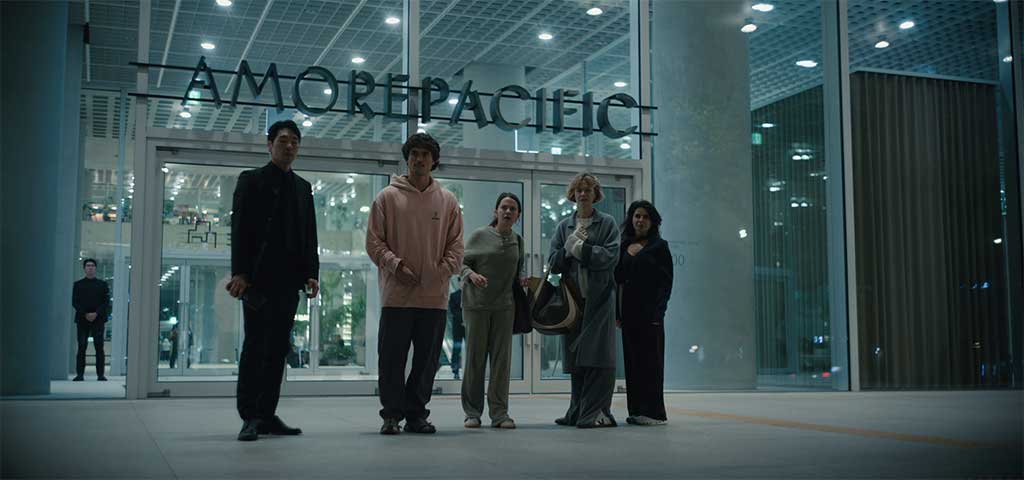
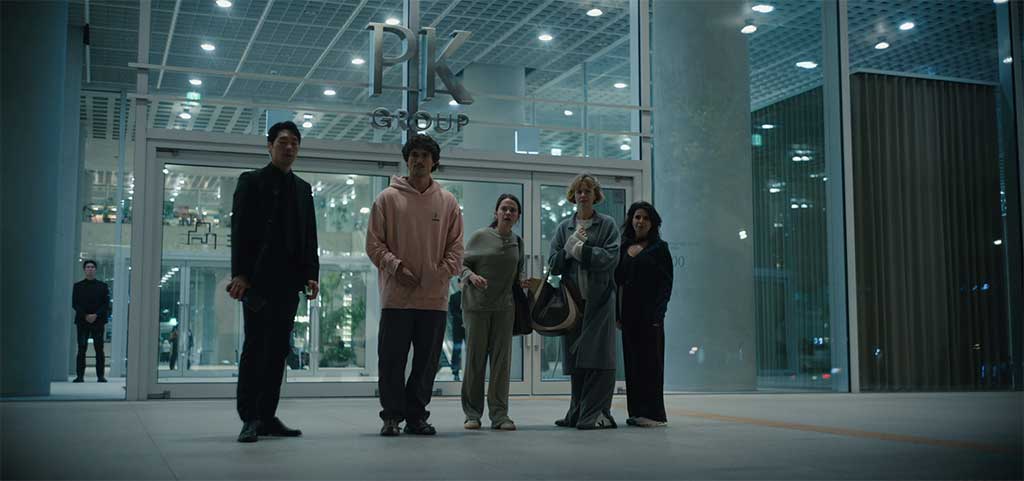
A logo on a building had to be replaced. “We replaced existing signage with a CG version of the PK Group sign. We did initial 2D concepts to find the correct scale and composition balance. We then modeled the sign and worked out the metallic feel through texture, shading and lighting. All of this was to ensure no one noticed. The biggest challenge on this show was to keep the visual effects subtle and grounded,” Morley observes. “There was not much room to play with performance. If it is an ant, it needs to move exactly like an ant; if it is a dying bee, it needs to look exactly like a dying bee. Often, we try to inject extra life into things, but sometimes a project calls for a thing to just be a thing.” The coyote attack is another impressive sequence. “It involves a pivotal character and includes a range of human emotions. Anytime we can support great storytelling is a win for us.”