Manufacturer POV: VR/AR Expansion Drives Technology Demand
Since the tools visual effects’ artists use are central to the health and success of the industry, it’s important to remember that technology manufacturers are constantly evaluating the industry’s direction as they evolve their products. One industry standard compositing tool, for instance, is the Foundry’s Nuke software, now up to v. 11 as of this summer. The Foundry’s CEO, Alex Mahon, suggests technologies like Nuke, now more than ever, are being developed with new workflow methods, new markets and clients, and new image quality requirements in mind. In particular, she says, keeping the technology “highly scalable” is crucial.
“Nuke has always been designed from the ground up to be highly scalable,” she emphasizes. “HDR and color depth have been around for quite a while in feature films, and Nuke has always been able to effectively deal with both of those advancements. This is equally true for faster frame rates and higher resolution images. That being said, such processes do require more processing power and computer memory, which is where we see a huge opportunity for Cloud workflows.”
Cloud-based workflows, Mahon suggests, are likely to fundamentally change the visual effects’ industry, and so Foundry is pushing in that direction. The company, she says, recently launched a new Cloud-based post platform called Elara “which will play a huge part in streamlining the creation of VFX content. Opening up content creation to the Cloud will give an edge to independent professionals and small to medium-sized studios. By making infrastructure more scalable and cost-effective, we are making high-end visual effects far more accessible. This will undoubtedly change the way we produce content, whether it is for videogames, television, film, or any other medium.”
These developments, she suggests, are good news for facilities large and small that rely on Nuke and related products, particularly since the market and applications for the technology, and the services provided by visual effects’ artists, both appear to be expanding.
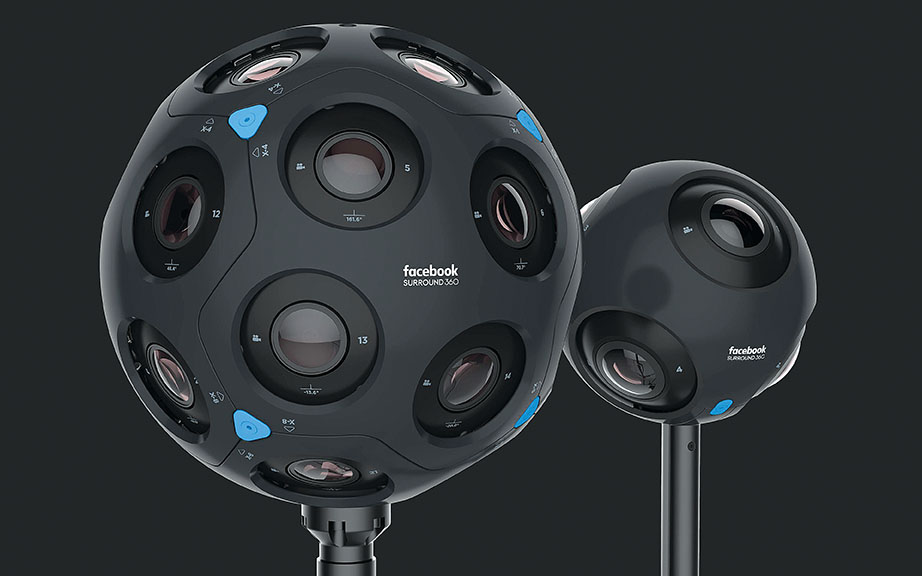
“From a business perspective, we have noticed how broad the demand for VR and AR content is, coming from industries that we might not have traditionally associated with this technology,” Mahon relates. “We’ve been seeing big leaps from the AEC space [architecture, engineering, construction], as well as in healthcare, education, and not-for-profit.”
“The industry has changed massively over the past 10 years, but despite this, I believe it has a strong future, especially following the rise of VR and AR content,” she adds. “We’ve seen a rise in demand for our software from an increasing number of small and medium-sized VFX houses, which is really helping to drive the industry forward. In fact, this trend led us to introduce a subscription-based pricing model for [Foundry’s modeling software] Modo, offering a more accessible and affordable way for smaller artists and studios to create exciting, cutting-edge content.”