VFX Voice

The award-winning definitive authority on all things visual effects in the world of film, TV, gaming, virtual reality, commercials, theme parks, and other new media.

Winner of three prestigious Folio Awards for excellence in publishing.

Subscribe to the VFX Voice Print Edition

Subscriptions & Single Issues


November 03
2026

ISSUE

Web Exclusive

BRINGING REALISM TO THE POST-APOCALYPTIC WORLD OF THE DOG STARS

Initially intimidated by the prospect of working with the visionary filmmaker behind Alien and Blade Runner, Visual Effects Supervisor Charley Henley has since earned the trust of Ridley Scott and joined his inner circle. Their latest collaboration, The Dog Stars, is a post-apocalyptic thriller centering on a civilian pilot who, after losing his wife in a global pandemic, sets out to find other survivors in a world gone mad.

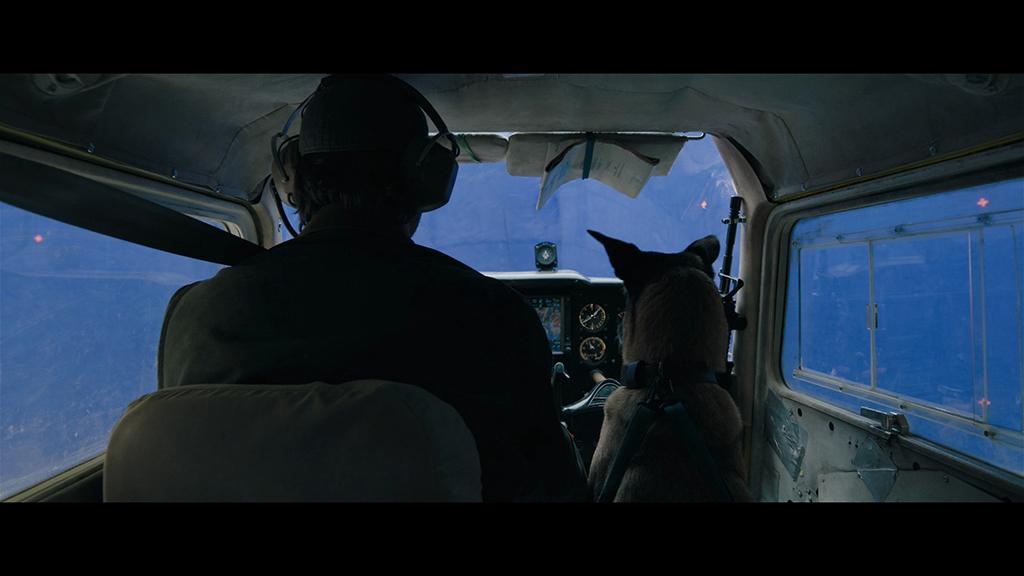
Plane scenes featuring Jasper the dog were shot in a cockpit mounted on a gimbal.

Plane scenes featuring Jasper the dog were shot in a cockpit mounted on a gimbal.

“For both Napoleon and The Dog Stars, we got the next evolution in Ridley’s storyboards,” Henley says. “They’re now in color, and he’s doing what feels like a graphic-novel version of the script. It’s so readable and invaluable for all the crew and certainly for planning visual effects. If a shot is all CG or we’re doing previs, we start by matching his drawing. Also, when we were figuring out how to achieve a scene, we referenced the boards.”

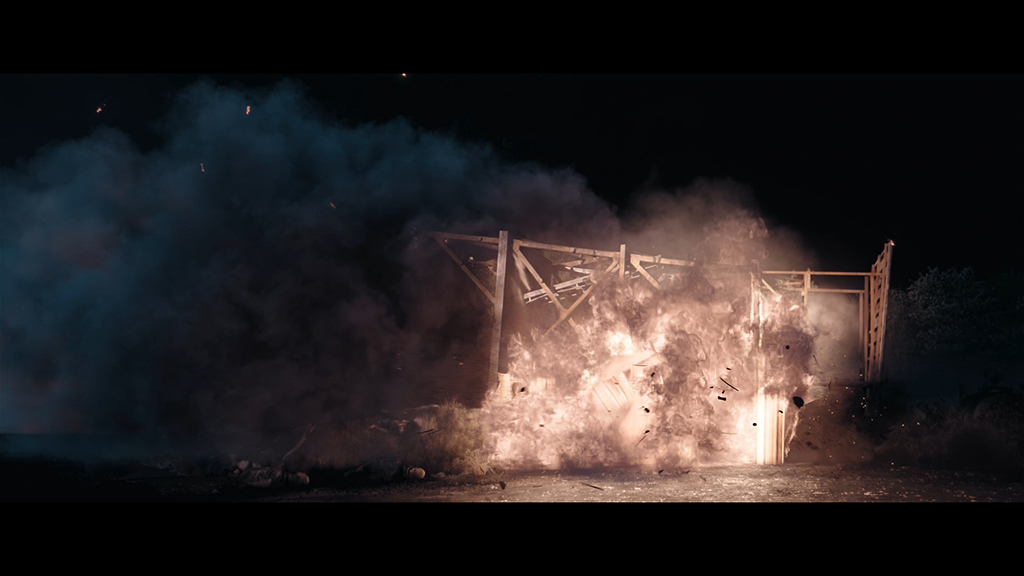
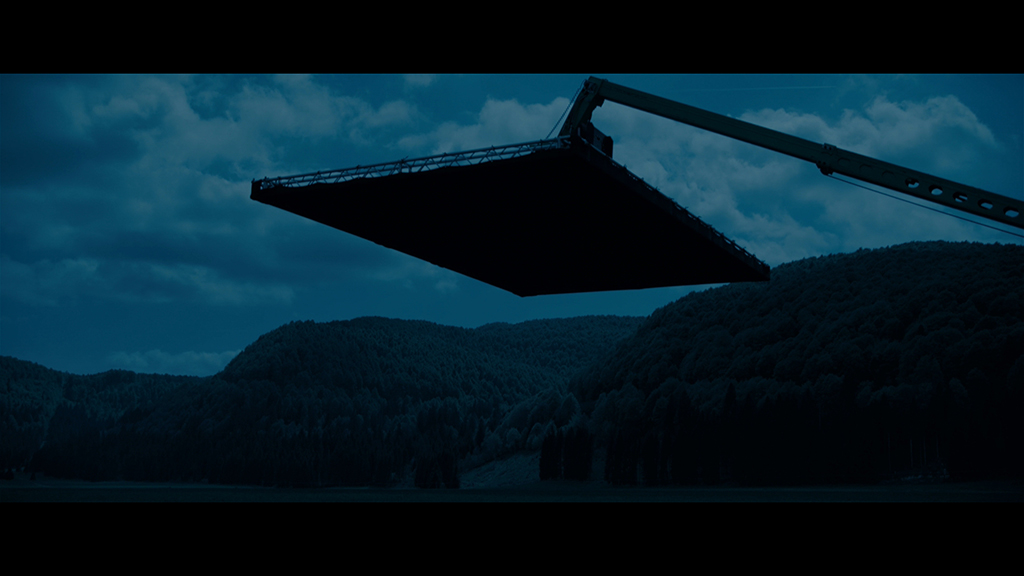
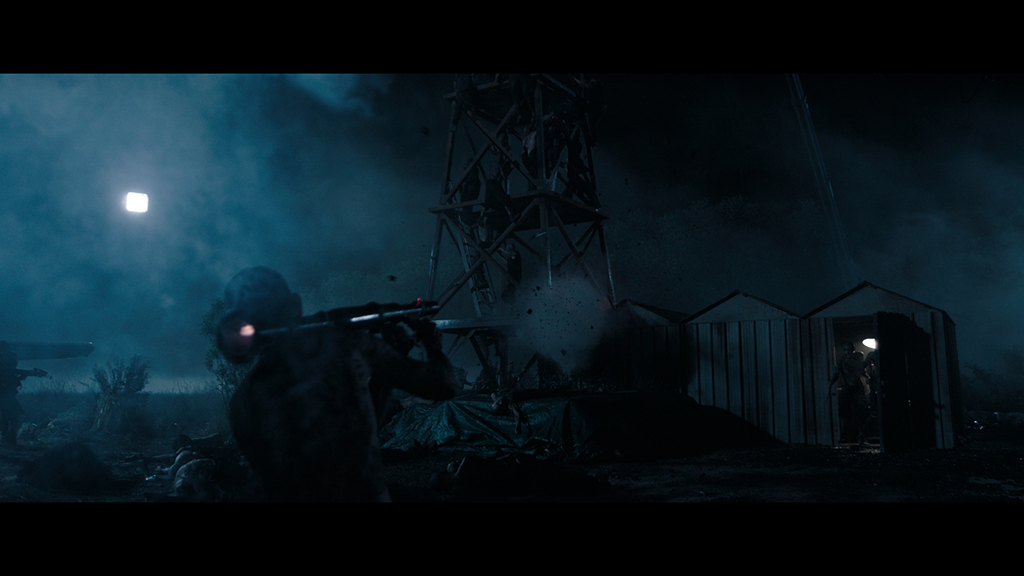
The tower explosion was achieved digitally.

The tower explosion was achieved digitally.

Visual research for the film centered primarily on environmental work, including how abandoned towns might look after a decade of nature reclaiming them. “Rewilding sites, like the Knepp Estate in the UK, were great references for how farmland changes over time when nature is let alone to take its course,” Henley says. “Current and old night-vision technology for Bangley’s goggles. Animal motion studies for the wildlife. Real explosions. We studied real in-flight cockpit photography that we shot as reference for the bluescreen cockpit shots.”

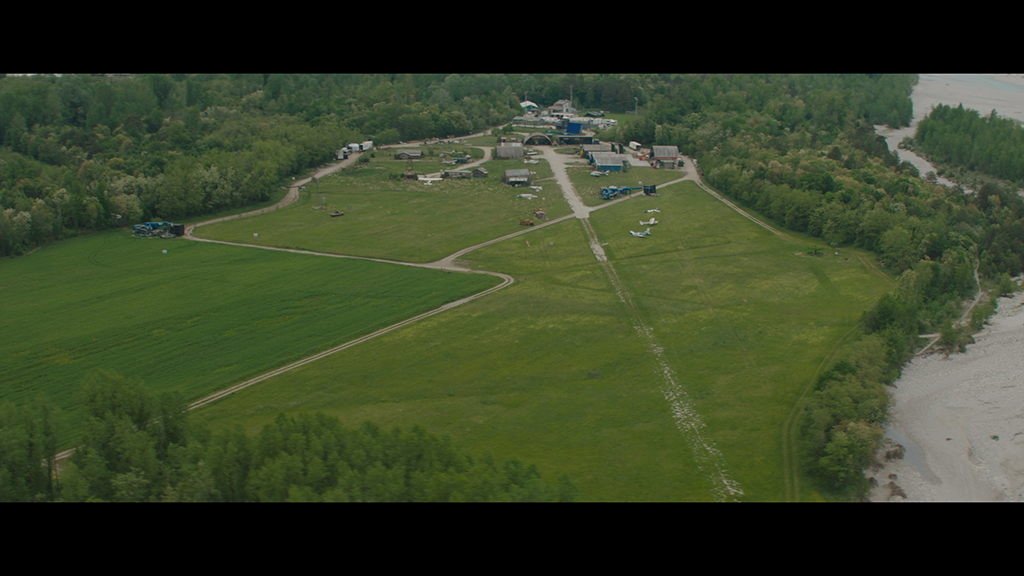
The Italian landscape shared a similar latitude, weather and biome with Colorado.

“For both Napoleon and The Dog Stars, we got the next evolution in Ridley’s storyboards. They’re now in color, and he’s doing what feels like a graphic-novel version of the script. It’s so readable and invaluable for all the crew and certainly for planning visual effects. If a shot is all CG or we’re doing previs, we start by matching his drawing. Also, when we were figuring out how to achieve a scene, we referenced the boards.”

—Charley Henley, Visual Effects Supervisor, The Dog Stars

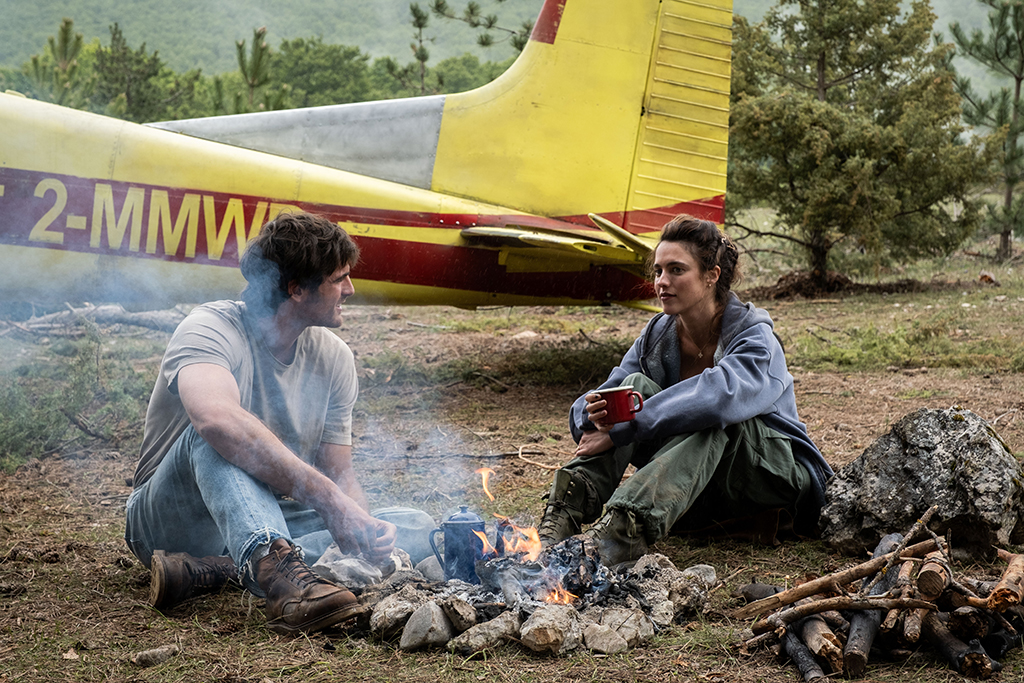
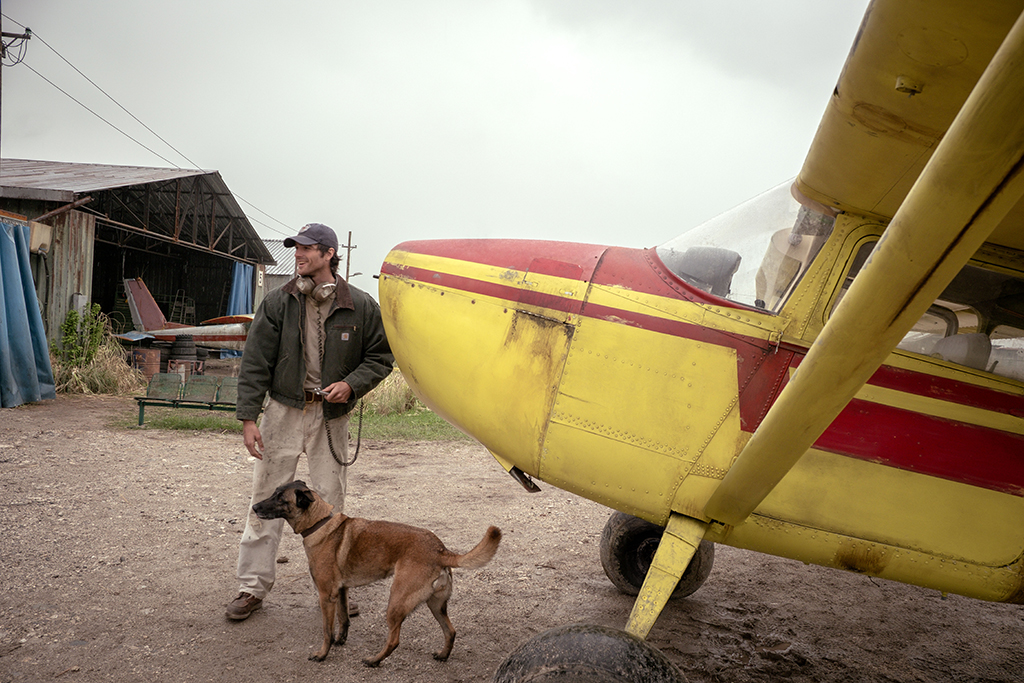
Production bought a real single-prop Cessna 185 for filming.

One particularly challenging shot involved a crash landing. “The plane had to land in a city and crash-land in a mountain meadow,” Henley says. “The landscape had to be Americanized and deserted, and many birds and animals would need to be added to the scenes. It was the most anticipated shot, apart from the Grand Junction scene where we had a few surprises: the plane broke down, we lost the light, and the scene got reinvented partly in post, along with a redesign of the environment. This all led to Outpost VFX needing to do a big CG build for the environment, which was never the original plan.”

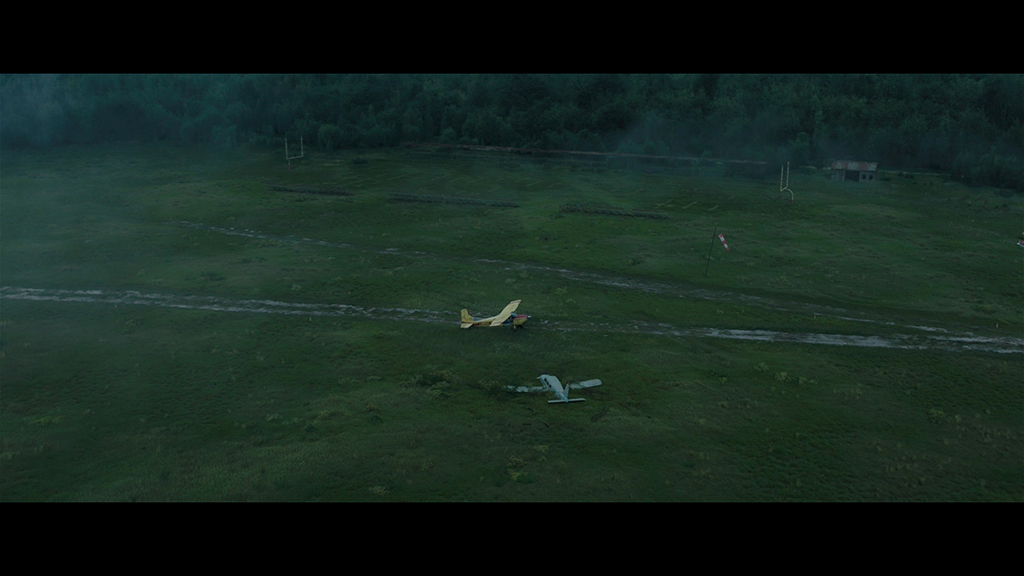
The overgrown vegetation was mostly a mix of CG and matte painting.

Postproduction spanned 28 weeks, with a six-week extension to complete 800 visual effects shots handled by Bluebolt, Outpost VFX, RISE, Untold Studios, TPO and Light VFX. Turning the Italian locations into post-apocalyptic Colorado contributed to the shot count. “A major part of the work was shifting Italian cues to American ones, but we were surprised as we recced Italy how well it could work,” Henley admits. “They have similar latitude, weather and biome. Most of the work was in removing small villages and adding straight roads. For Grand Junction, we built a CG environment based on the real Grand Junction in the States.”

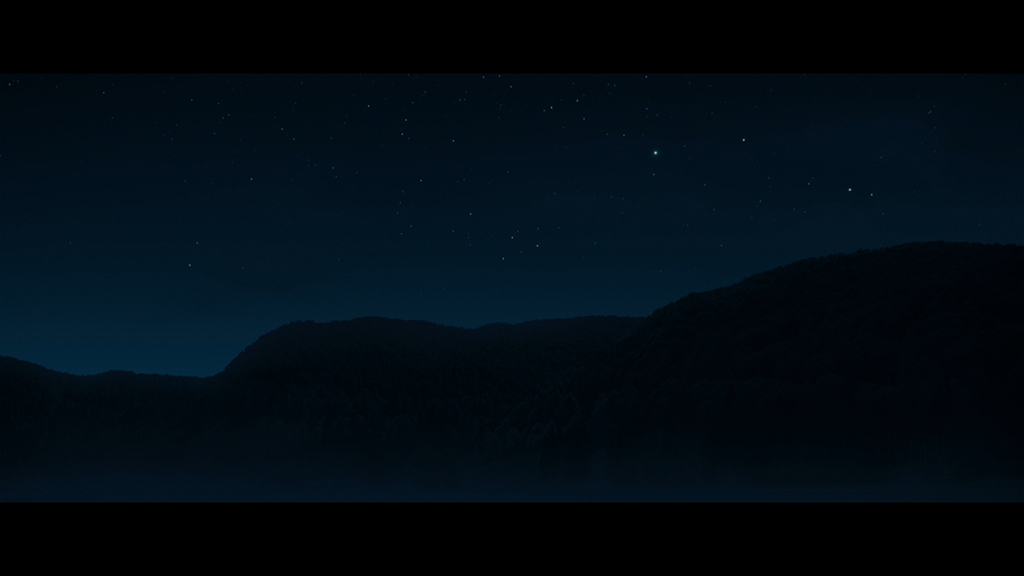
Blocking out the available light to create a starry night sky.

Blocking out the available light to create a starry night sky.

Vegetation and wildlife played an important role in conveying nature’s reclamation of the landscape. “For animals, we tried for real wherever possible, with element shoots for deer, wild dogs, Harris’s hawks, crows and vultures, filmed to match and comp into specific shots on stage at Ember Films,” Henley says. “We resorted to CG only where the scale was too great to shoot elements or the birds flying were too hard to capture. The overgrowing vegetation we added was mostly a mix of CG and matte painting.”

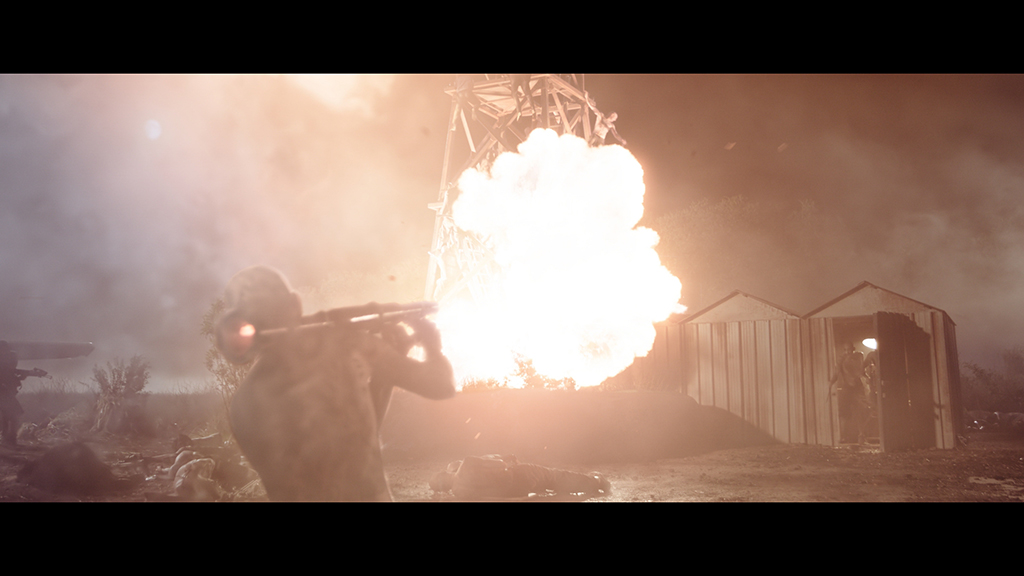
A digital explosion overexposes the original plate photography, which was shot at night.

A digital explosion overexposes the original plate photography, which was shot at night.

The Cessna 185, a single-prop aircraft, had an unusually demanding role in the production. It needed to appear in flight and on the ground, including scenes involving a herd of bison and horseback raiders. The production acquired an actual aircraft for the aerial work, flown by stunt pilot Tom Berger. The aerial crew captured most of the takeoffs, landings and air-to-air photography for real. Small RED cameras were mounted inside the aircraft for over-the-shoulder shots of the pilot, with two more cameras attached to the wing struts.

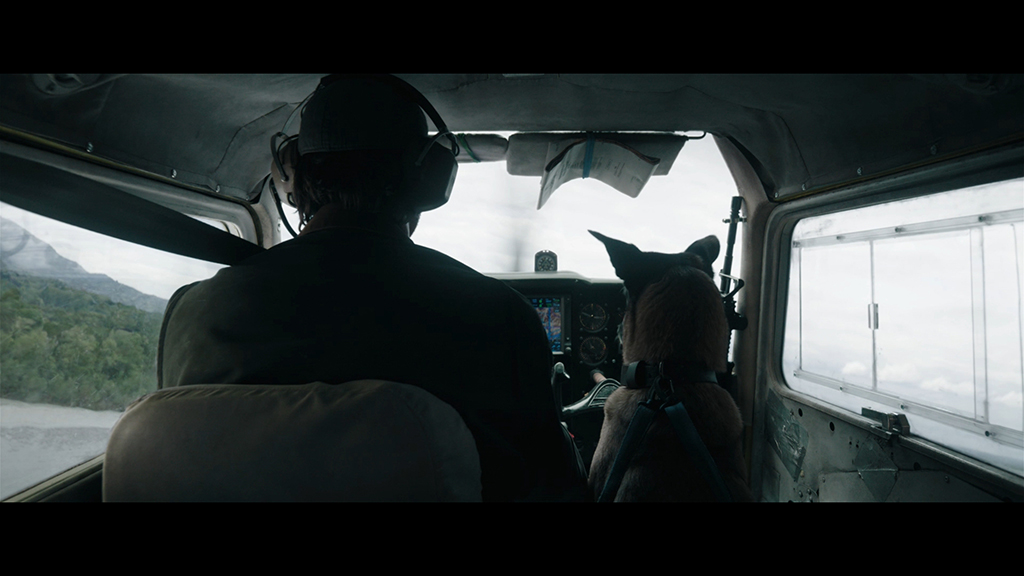
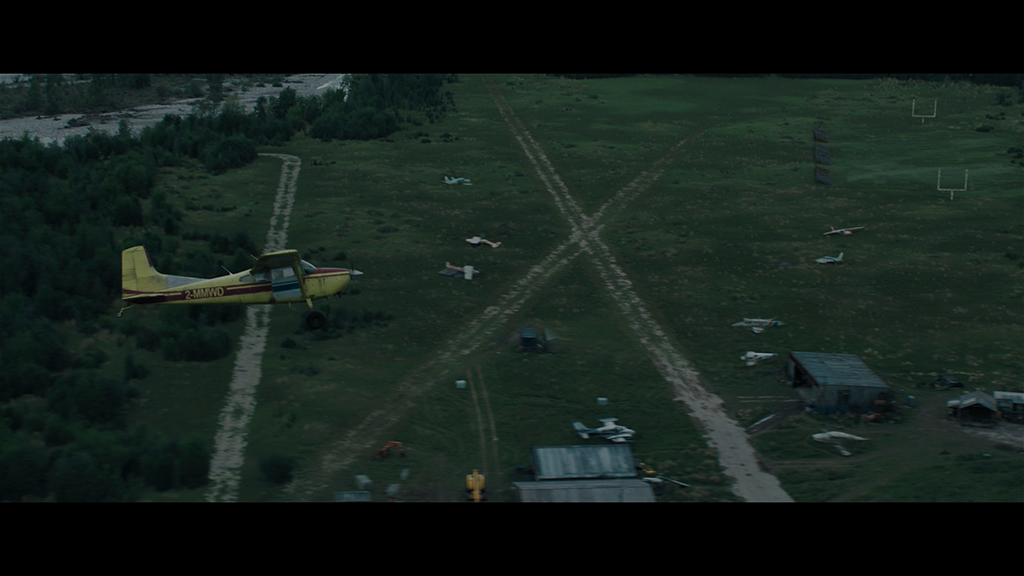
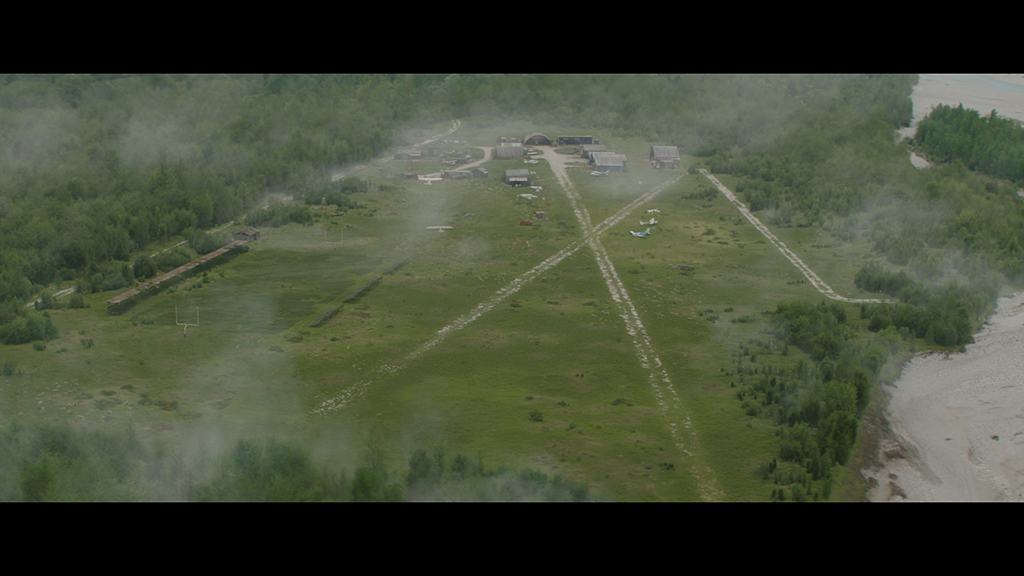
Wispy clouds add a sense of mystery to the aerial photography.

Wispy clouds add a sense of mystery to the aerial photography.

The production used four configurations of the Cessna to meet the different demands of the shoot. Special Effects Supervisor Neil Corbould constructed a Tesla-powered electric version that could taxi under remote control, allowing the actors and Jasper, Hig’s canine companion, to interact safely with the aircraft. It could also be towed behind a camera vehicle for stunt scenes. A separate cockpit buck, mounted on a truck or gimbal on stage, provided the setup for interior performances. A fully CG Cessna was used to replace or augment parts of the other versions.

There were four configurations of the single-prop Cessna 185 airplane, including a fully CG build.

“The plane had to land in a city and crash-land in a mountain meadow. The landscape had to be Americanized and deserted, and many birds and animals would need to be added to the scenes. It was the most anticipated shot, apart from the Grand Junction scene where we had a few surprises: the plane broke down, we lost the light, and the scene got reinvented partly in post, along with a redesign of the environment. This all led to Outpost VFX needing to do a big CG build for the environment, which was never the original plan.”

—Charley Henley, Visual Effects Supervisor, The Dog Stars

The aerial crew captured most of the takeoffs, landings and air-to-air photography for real.

All of the effort paid off in a cinematic moment that resembles something out of the Mad Max franchise. In a horseback chase sequence, raiders pursue Hig, Pops and Cima as they try to escape from the mountain valley in the Cessna. “I remember first seeing Ridley’s storyboards for that scene and thinking this is going to be a lot fun to figure out,” Henley recalls. The cockpit buck was rigged with cameras and mounted on a truck, which was pursued by stunt performers on horseback. The tail, wings and propeller of the electric stand-in aircraft were replaced with CG elements. For the takeoff and the sequence in which the plane flies into the raiders, footage of the real Cessna was combined with digital additions to the surrounding environment and characters, including trees, dust, severed limbs and a head, heightening the sense of peril and violence.
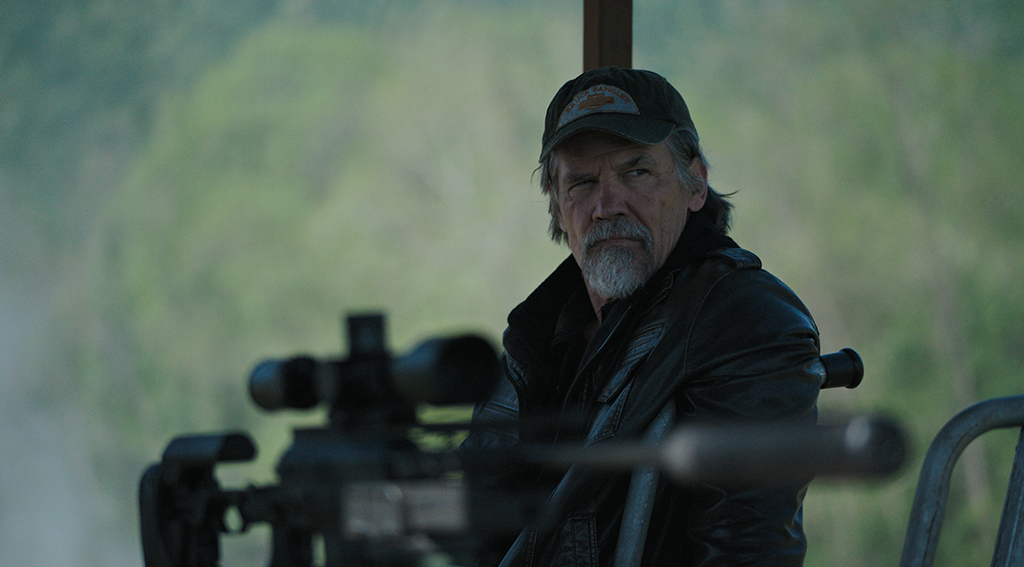
The team referenced historical and contemporary technology for Bangley’s night-vision goggles.

When it came to conveying the desired realism, the buck interior cockpit shots were a concern. “Both our DP Erik Messerschmidt and I were wary of the interior buck shots looking fake. So much of the film was based on real locations, but these needed to be studio-based,” Henley explains. “We toyed with video walls for interactive lighting; however, the logistics of shooting and preparing all the aerial plates in advance could not fit the schedule or pace of the film, so we went with bluescreen. Erik matched the lighting to the air-to-air shots we had already done for a scene. In post, to support the interactive light on the window and interior cockpit surfaces, the vendors used a CG version of the interior cockpit to relight it with the final aerial array plates, perfectly matching reflections and moving shadows as the plane banks and rotates against the sun. For the plates, a helicopter was rigged with a custom five RED Raptor camera array to capture a 270-degree view. It traced the real plane’s route wherever it flew to get matching backgrounds.”

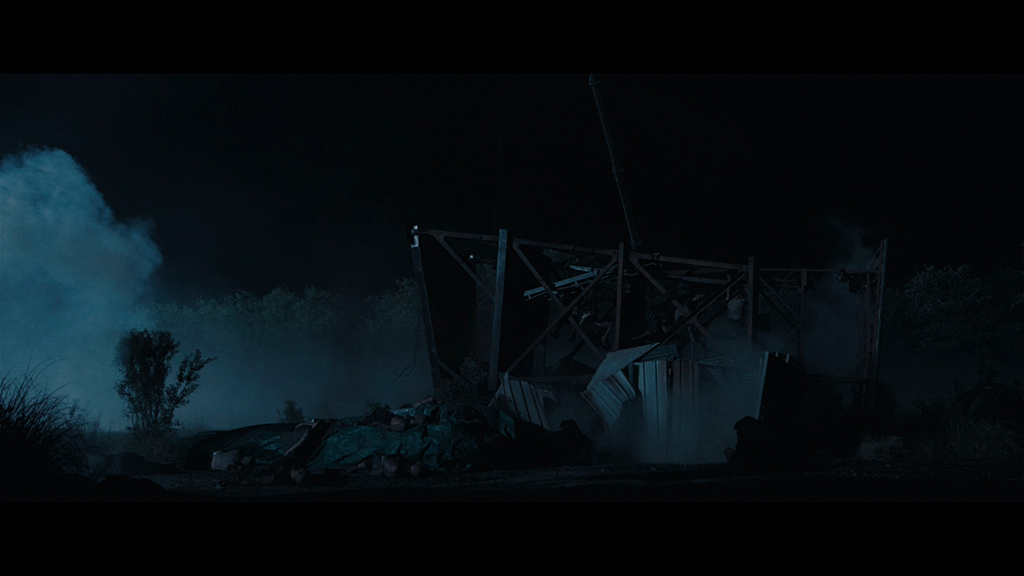
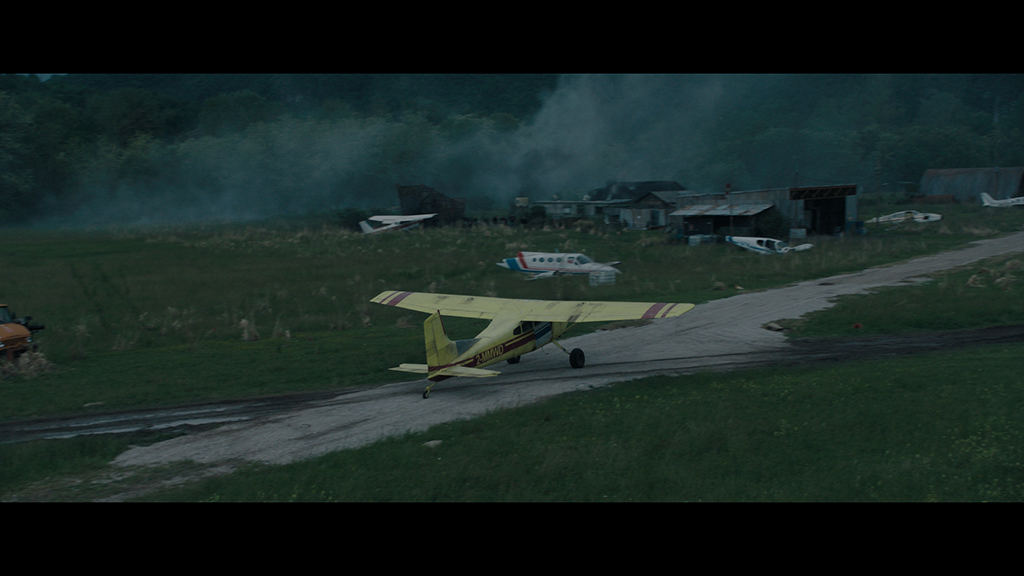
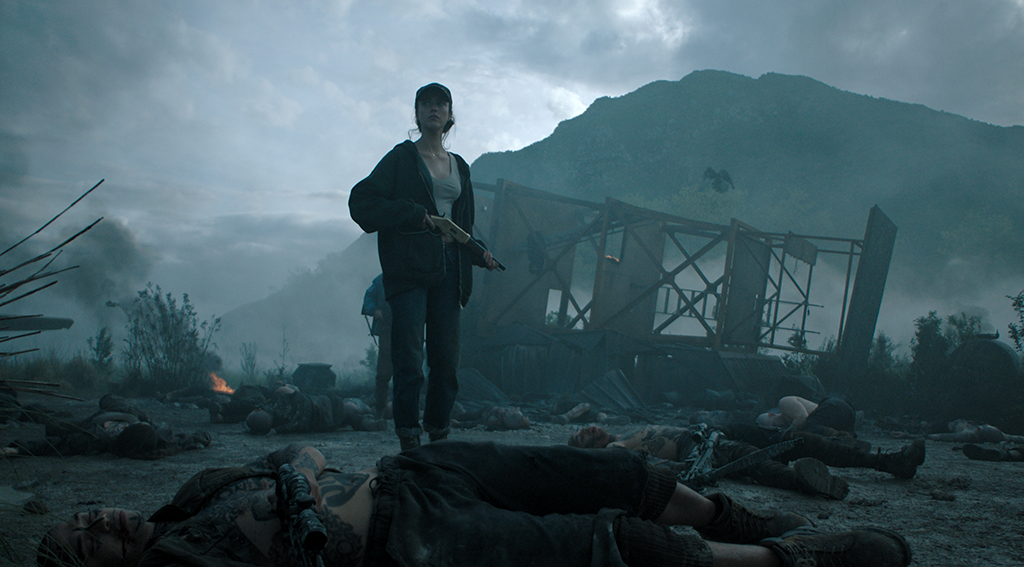
Atmospherics, like smoke and mist, were essential in creating the proper mood for shots.

A key Ridleygram inspired the night raid on Bangley. Henley describes the visual information Scott’s drawings provided: “They informed a look, the mood and the key beats for the sequence. They were full of information that you don’t get from the script alone, like the look of the raiders, the lighting design, where we would see stars and how the night vision would look. I don’t believe any director has ever got to this level of visual communication with his crew. It means he knows what he wants, and so does everyone else.” The entire visual effects team rose to the occasion.

Reflecting on production, Henley acknowledges the contribution of the Italian locations and the production’s VFX teams: “I’d just like to bless Italy for the locations, and thank all of the visual effects artists for their beautifully crafted images.”


Share this post with