Images courtesy of Garagevfx.

Images courtesy of Garagevfx.
Based on Isabel Allende’s landmark novel, the Prime Video series The House of the Spirits follows the Trueba family through decades of political and social upheaval in a South American country with parallels to Chile. Across generations, the homes and estates the Truebas inhabit change alongside them, reflecting the passage of time and the lives lived within them.
For Tomás Roca, Visual Effects Supervisor and Founder of Santiago, Chile-based Garagevfx, the goal was to make the extraordinary feel believable. “The series blends magical realism with historical drama, but its visual language is entirely grounded in realism. That created a very specific challenge for the VFX team,” Roca says. “Although supernatural events are an essential part of the narrative, they were never meant to look like conventional ‘visual effects’ in the style of fantasy, horror, superhero or science-fiction films. Instead, every effect had to feel as though it naturally belonged in the real world.”
To establish the creative direction and determine where visual effects would play a meaningful role in the storytelling, the team began with a detailed analysis of the script and extensive discussions with Alejandro Valente, the series’ general Visual Effects Supervisor.
Garagevfx delivered approximately 140 shots as one of three principal VFX studios on the series. The team’s work spanned digital environments, CGI animals, set extensions, environmental destruction and period reconstruction. Because the sweeping epic unfolds over 50 years, the environments had to evolve with it. “As the story progresses, the same locations gradually change as a result of the passage of time, natural growth and decay, and human intervention,” Roca explains. “Buildings age, vegetation expands, landscapes evolve and towns transform.”
One of Garagevfx’s key assignments was Las Tres Marías, the Trueba family estate. Roca says, “The practical location was an old farmhouse near Santiago that captured the essence of a traditional Chilean adobe estate, but it lacked the dramatic landscape described in the story. Our work involved transforming that location by integrating it into background plates photographed in southern Chile, creating large-scale establishing shots in CGI that defined the geography of the entire estate, and using extensive matte painting, digital environment work and CGI to reshape both the house and its surroundings.”
Las Tres Marías also changes considerably as the story progresses. It first appears in a state of abandonment, later flourishes during its prosperous years and eventually bears the damage caused by an earthquake. “Every stage required carefully planned digital modifications while preserving the feeling that audiences were always looking at the same physical place,” Roca says.
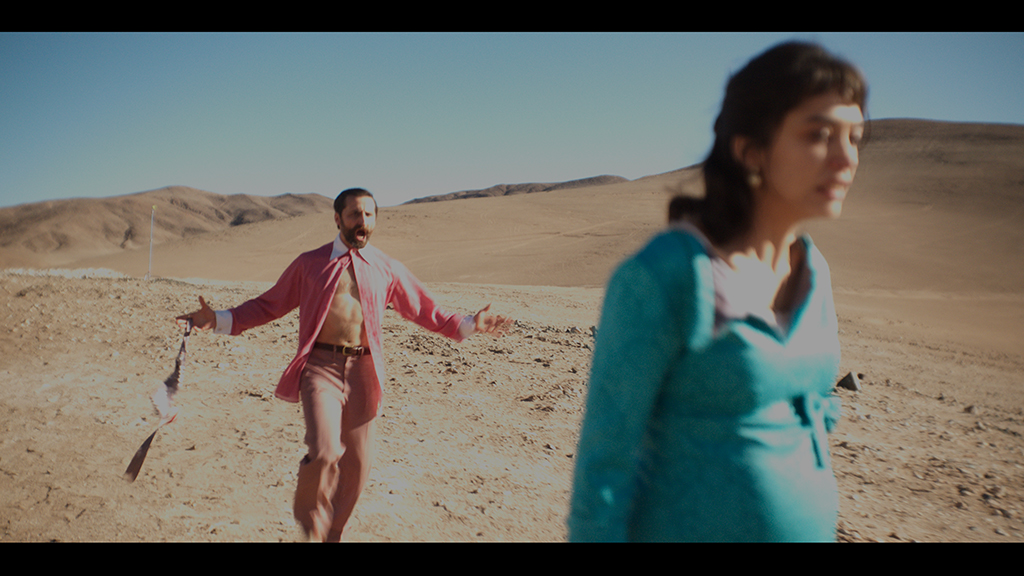
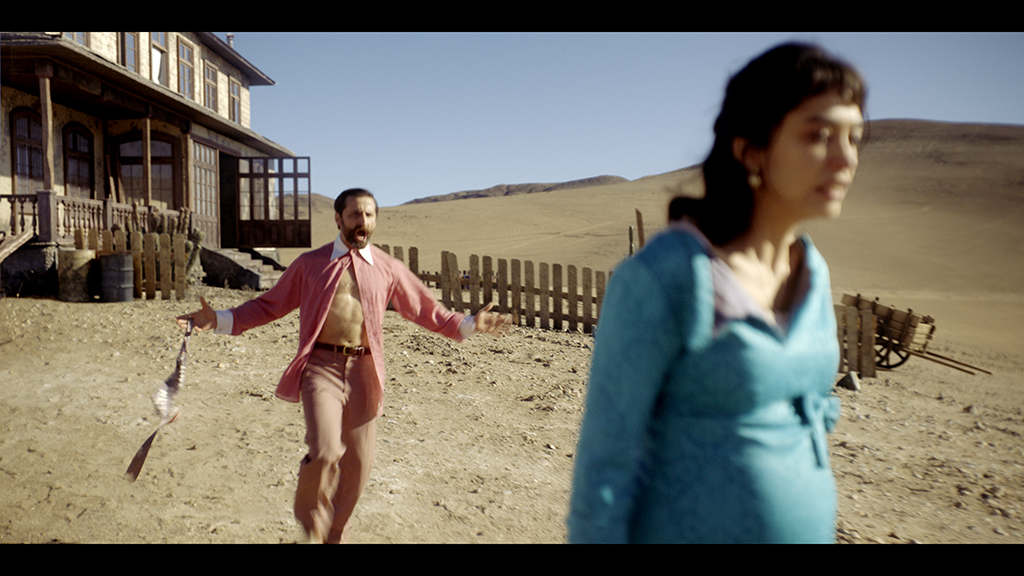
Continuity was paramount, so the team approached the estate as one environment rather than a collection of individual shots. “Every digital addition had to respect the geography, architecture and atmosphere established throughout the series, ensuring that audiences always perceived Las Tres Marías as a single, coherent place regardless of how it had been photographed,” Roca notes.
The earthquake itself was largely achieved practically during production. Garagevfx handled the aftermath. “Our responsibility began after the event, transforming the estate into a place that had been profoundly damaged by nature,” Roca says. “We digitally created extensive cracks throughout the walls, intervened both the exterior and interior of the house, and carefully rebuilt large portions of the damaged structure using CGI, matte painting and compositing.”
“Many of the original locations no longer exist or have been heavily transformed by modern development, so visual effects played a fundamental role in reconstructing those worlds while maintaining complete historical authenticity… As the story progresses over five decades, the same locations gradually change as a result of the passage of time, natural growth and decay, and human intervention. Buildings age, vegetation expands, landscapes evolve and towns transform.”
—Tomás Roca, Visual Effects Supervisor and Founder, Garagevfx
The estate was based on traditional Chilean adobe construction, which was tricky to reproduce. “When walls crack or collapse, the exposed interior cannot look like generic concrete or brick,” Roca explains. “It had to reveal the distinctive texture, color and layered composition of earthen architecture. Achieving that level of realism required meticulous asset creation, camera tracking and compositing so that every damaged surface remained fully integrated with the live-action photography.”
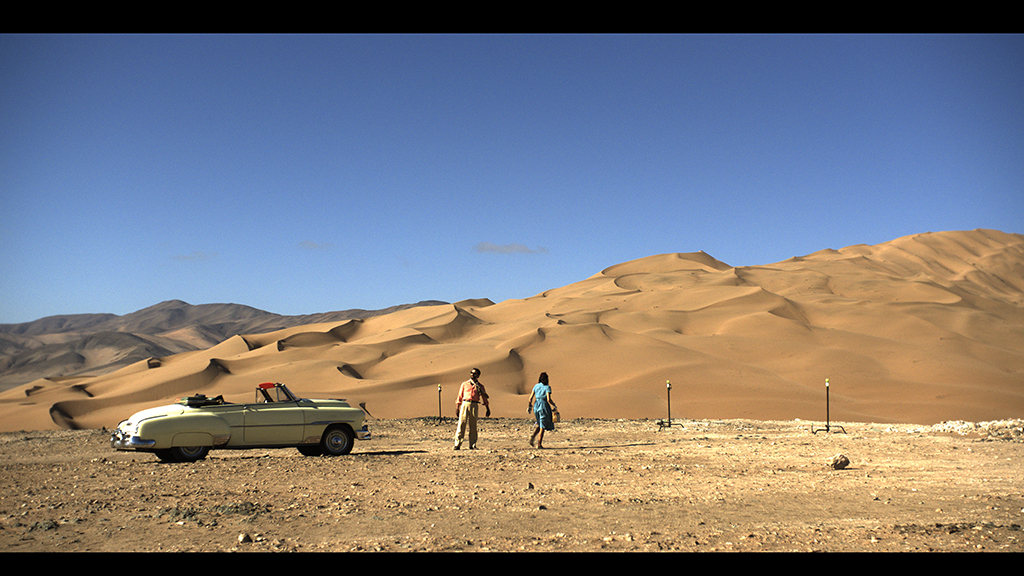
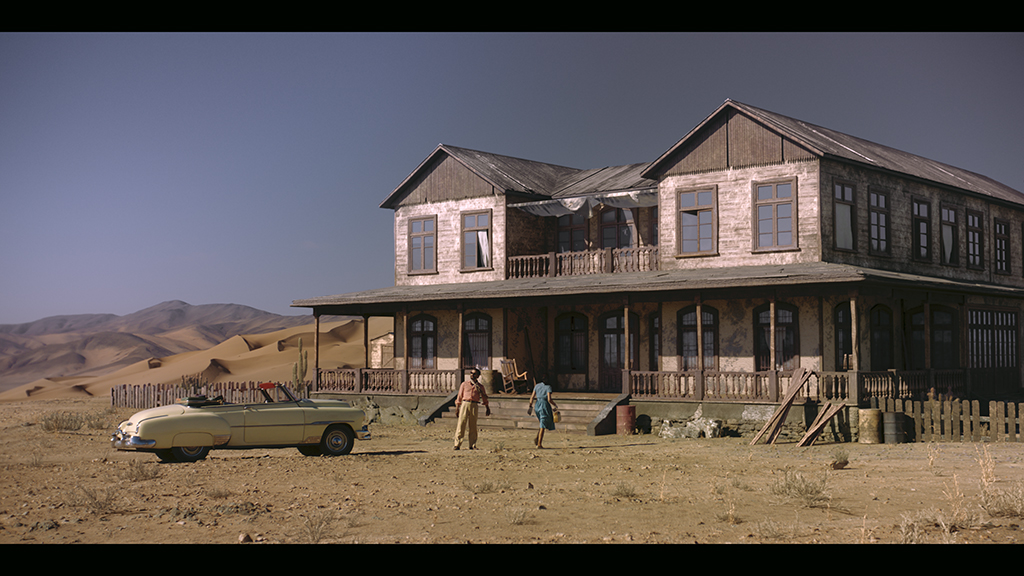
The Desert Mansion required a different approach. Unlike Las Tres Marías, the mansion was created almost entirely in CGI. Its design drew inspiration from the architecture of the historic nitrate mining offices and settlements of northern Chile. “Although it stands alone in the middle of the Atacama Desert – one of the driest places on Earth – it could not feel abandoned or ruinous,” Roca says. “It had to communicate that it was still the residence of a wealthy family, with a sense of permanence, elegance and life despite the immense isolation surrounding it.”
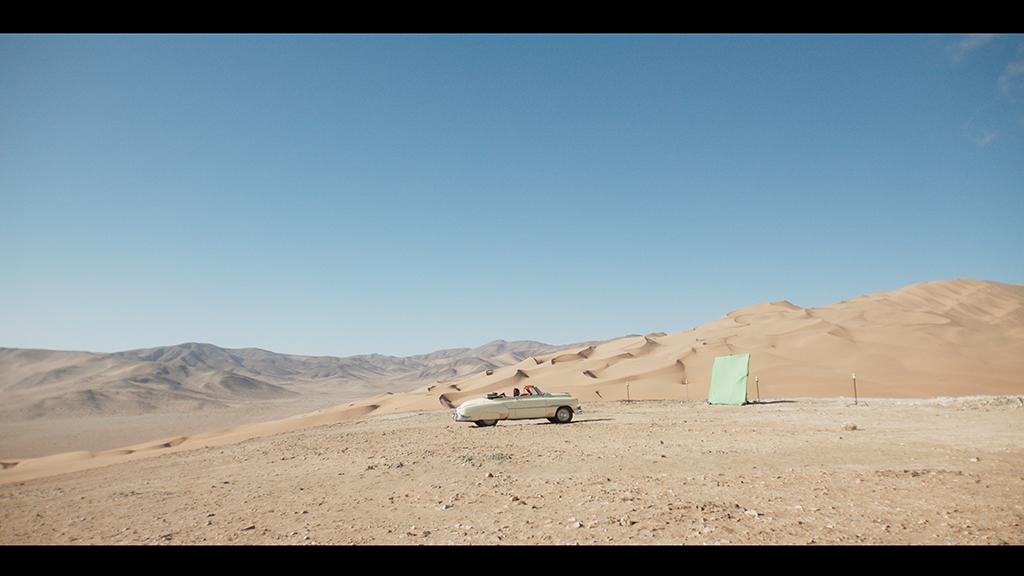
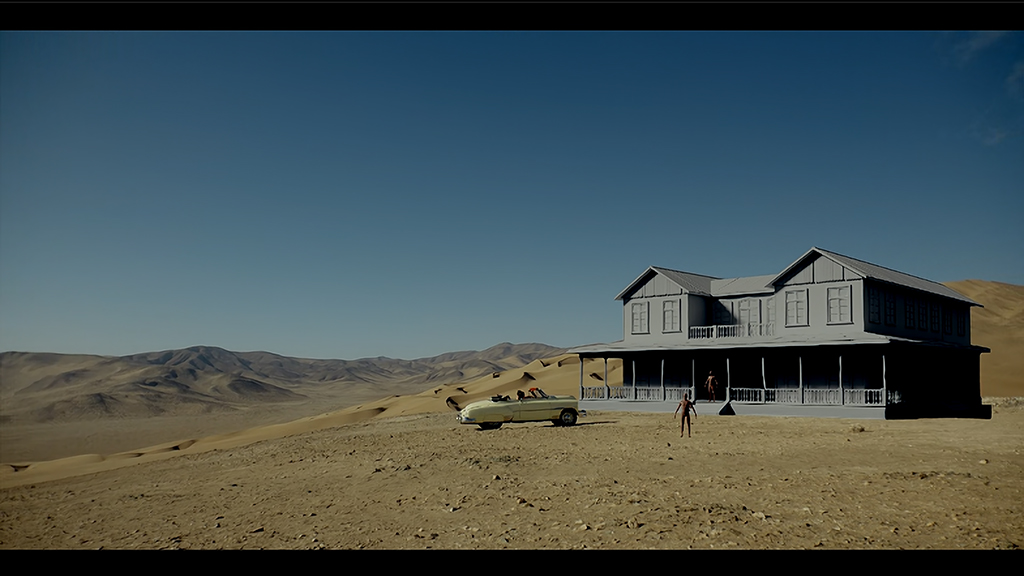
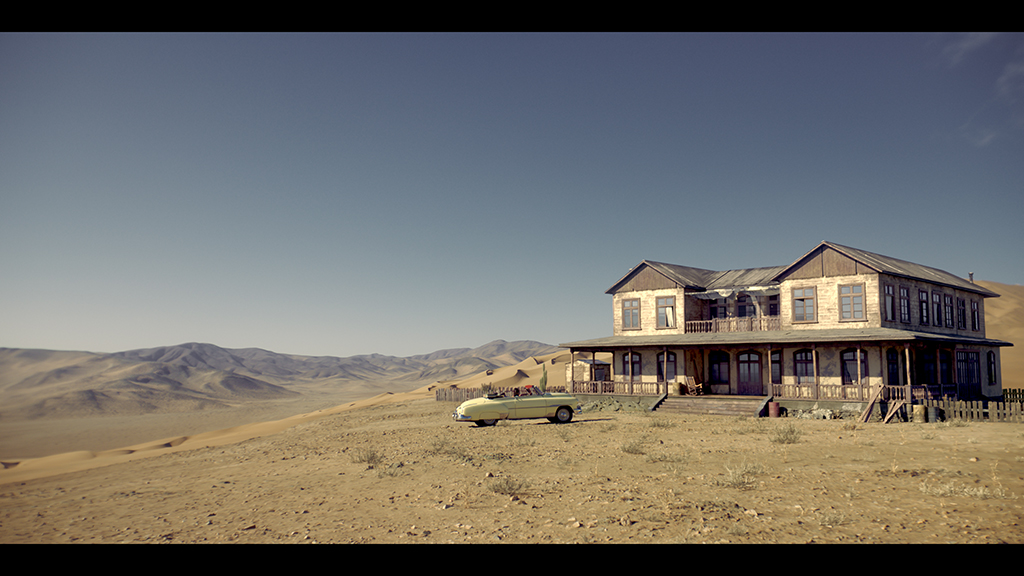
The mansion also became the setting for some of the series’ magical elements. “During her psychological breakdown, Clara tears wallpaper from the walls and creates paper sculptures that resemble almost mythical animals. Many of those creatures were created in CGI by our team,” Roca says. “We carefully studied the practical paper sculptures already present on the set, scanning existing props whenever possible and using them as the basis for building additional digital assets.”
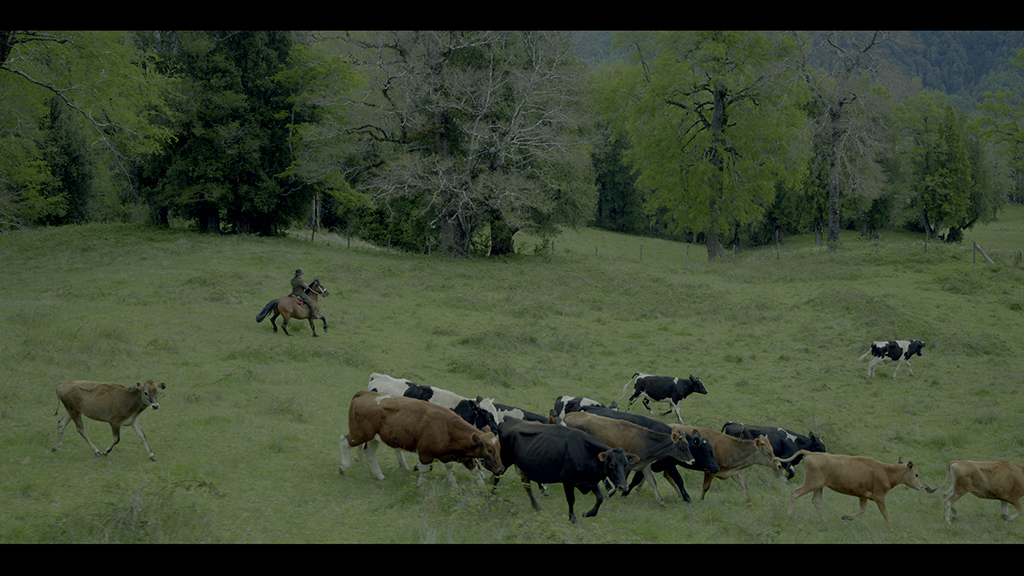
Several sequences required the team to enlarge a practical herd of cattle using digital animals. “Creating convincing CGI animals is already a demanding task, but matching the subtle behavior of live animals presents an entirely different level of difficulty,” Roca says. “Every digital cow had to move with the same natural weight, rhythm and unpredictability as the practical herd. Even small differences in timing or body language could immediately reveal which animals were digital.” Animation was only part of the work. “The animals also had to respond correctly to the lighting, cast believable shadows, maintain contact with the terrain and integrate naturally with the practical photography. Viewers simply accept the scale of the herd as something that was naturally present during filming, without realizing how many of the animals were actually created digitally.”
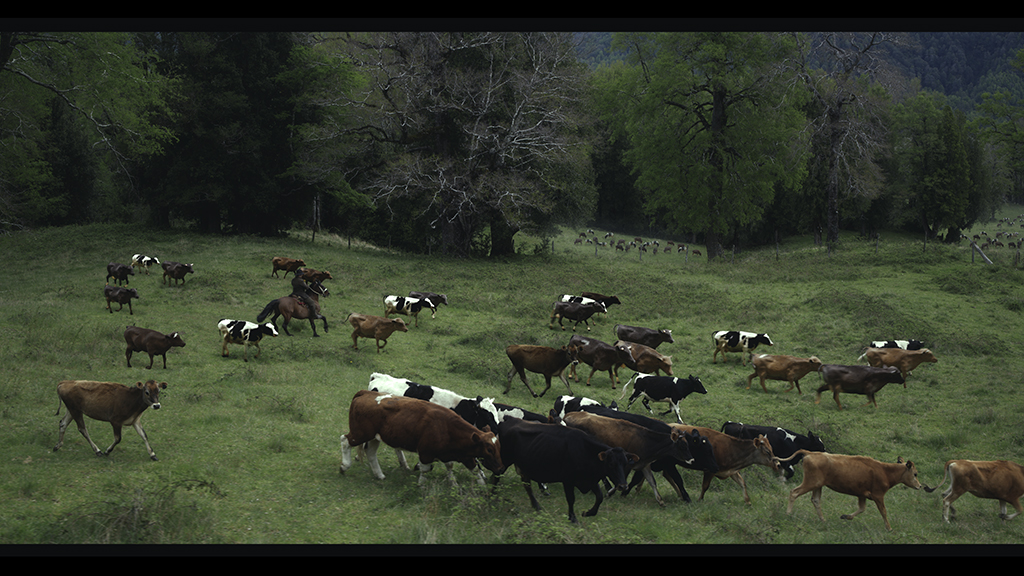
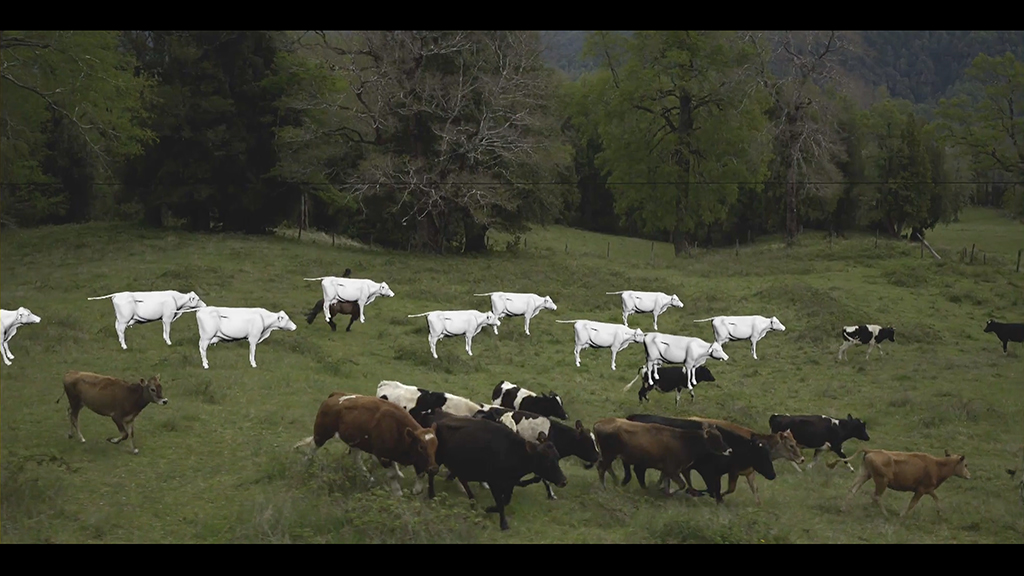
The same attention to detail extended beyond the animals to the series’ period environments. “Beyond the traditional work of removing modern elements, correcting anachronisms, extending sets and digitally dressing locations, many of the environments seen in the series simply no longer exist – or, in some cases, never existed in the form required by the story,” Roca says. Location visits during pre-production allowed the Garagevfx team to assess the physical environments and plan the work before cameras arrived. “By understanding the physical locations in advance, we were able to design efficient visual effects solutions before cameras started rolling,” Roca says.
During principal photography, the team captured a range of reference data, including HDRIs, drone and ground-based imagery, reference photography and measurements. “Photogrammetry was particularly important for digital environment work. It allowed us to capture precise geometry and high-resolution textures from the real locations, providing a reliable starting point for digital reconstruction, environment extensions and asset development,” Roca states.
Several previs sequences were also produced early in the process to establish creative and technical criteria with the production team. The project was completed in a 4K ACES color pipeline, and the team’s software toolkit included Maya, Houdini, 3ds Max, Nuke, Fusion, Resolve and Photoshop. “Most of our work combined multiple techniques rather than relying on a single approach,” Roca says. “Matte painting projections, CGI modeling, digital asset creation and complex 3D compositing inside Nuke were often used together within the same shot.”
The three principal VFX vendors generally divided the work by sequences and locations rather than individual shots. “By keeping complete locations under the responsibility of the same team, we were able to preserve consistency not only from shot to shot, but across decades of storytelling,” Roca states. “In many ways, this philosophy reflects the essence of The House of the Spirits itself. The house is much more than a setting – it is almost a living character. It witnesses generations, absorbs memories, changes with time and becomes deeply connected to the emotional journey of the family.”
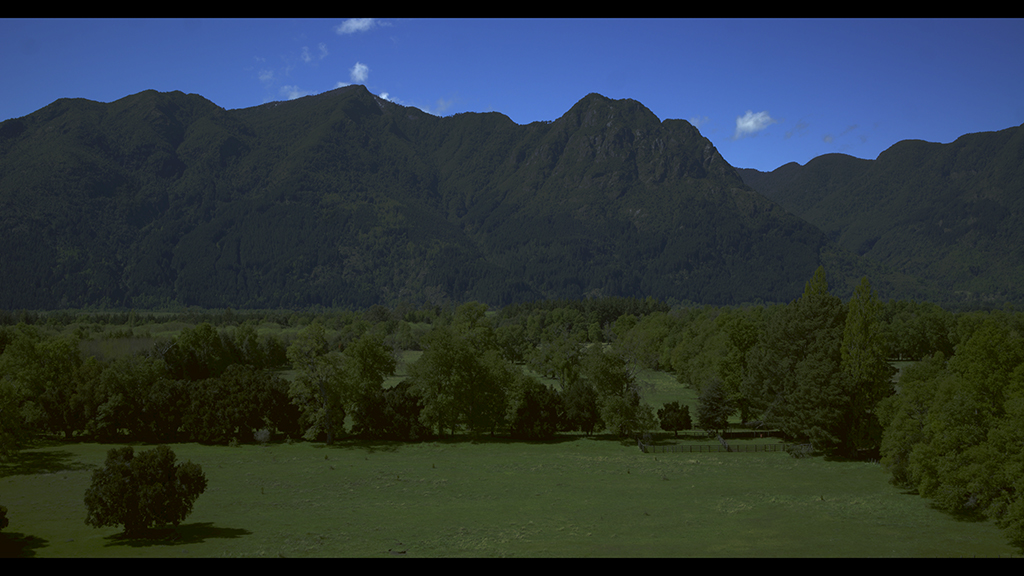
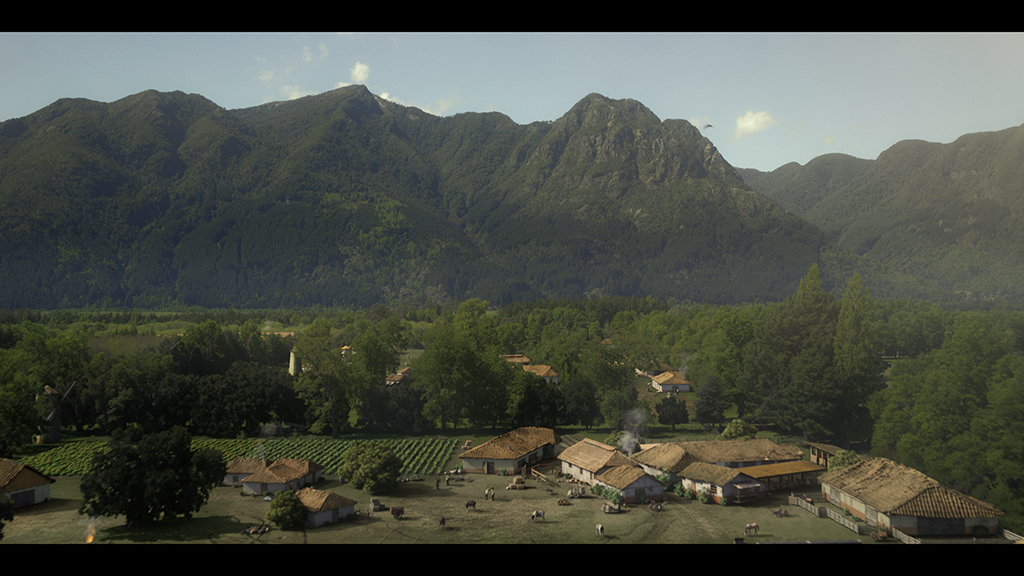
“Every digital addition had to respect the geography, architecture and atmosphere established throughout the series, ensuring that audiences always perceived Las Tres Marías as a single, coherent place.”
—Tomás Roca, Visual Effects Supervisor and Founder, Garagevfx
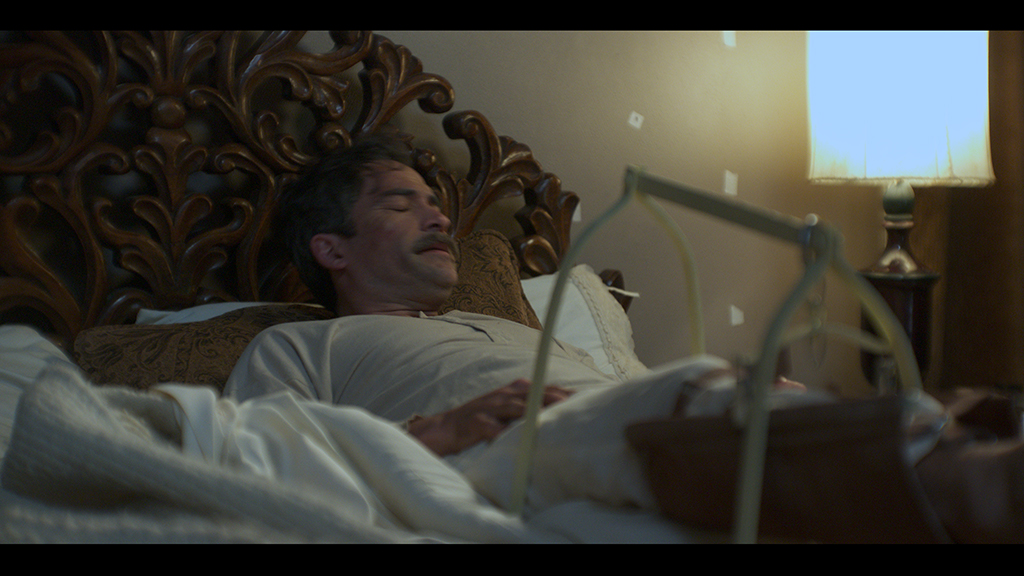
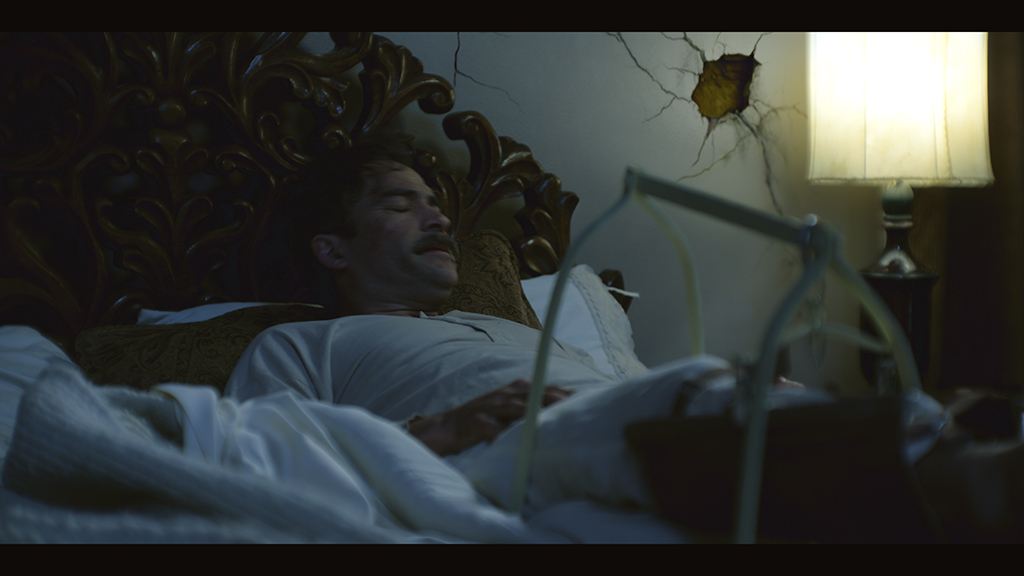
During production, Roca describes the team’s relationship with showrunners Francisca Alegría, Fernanda Urrejola and Andrés Wood as highly collaborative. “Since we spent long periods together on location, visual effects became part of the daily creative conversation,” Roca says.
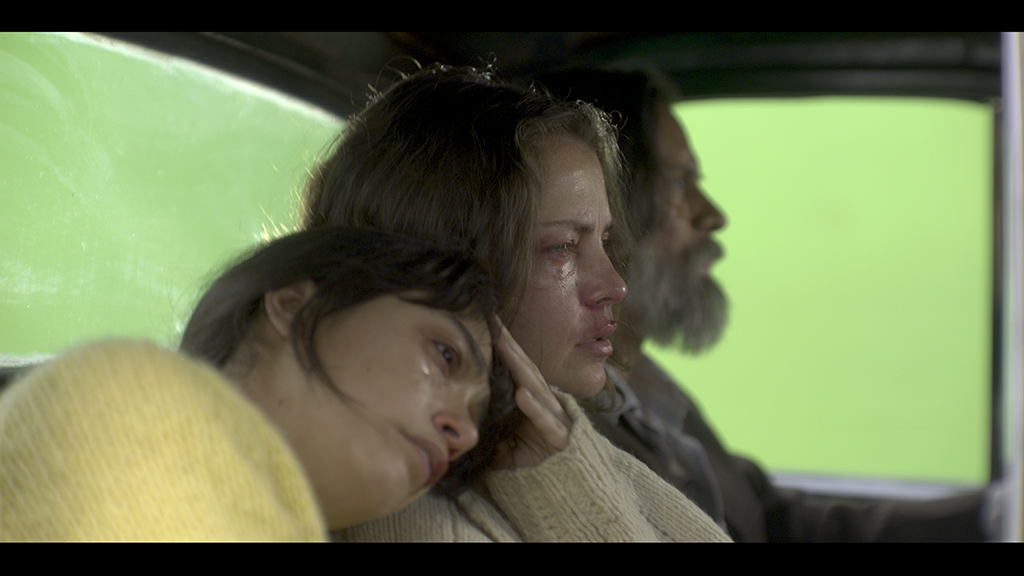
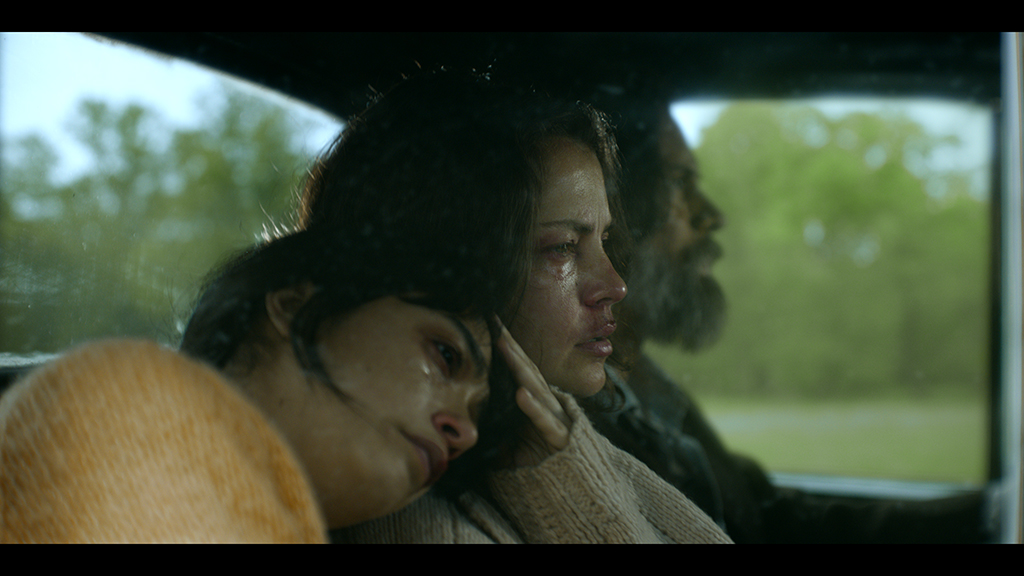
Garagevfx also handled the series’ driving sequences, which were filmed using a traditional bluescreen workflow rather than LED volumes or virtual production. Much of the work depended on information captured during filming. “We carefully documented camera data, lighting conditions and HDRI captures to ensure that reflections, perspective and illumination could be reproduced faithfully during compositing,” Roca says. “At the same time, the background plates were extensively modified and adapted so they matched the geography, camera movement and narrative requirements of each sequence. Our team remained actively involved throughout filming, supervising these sequences and paying close attention to the many technical details that ultimately determine whether a driving shot feels believable.”
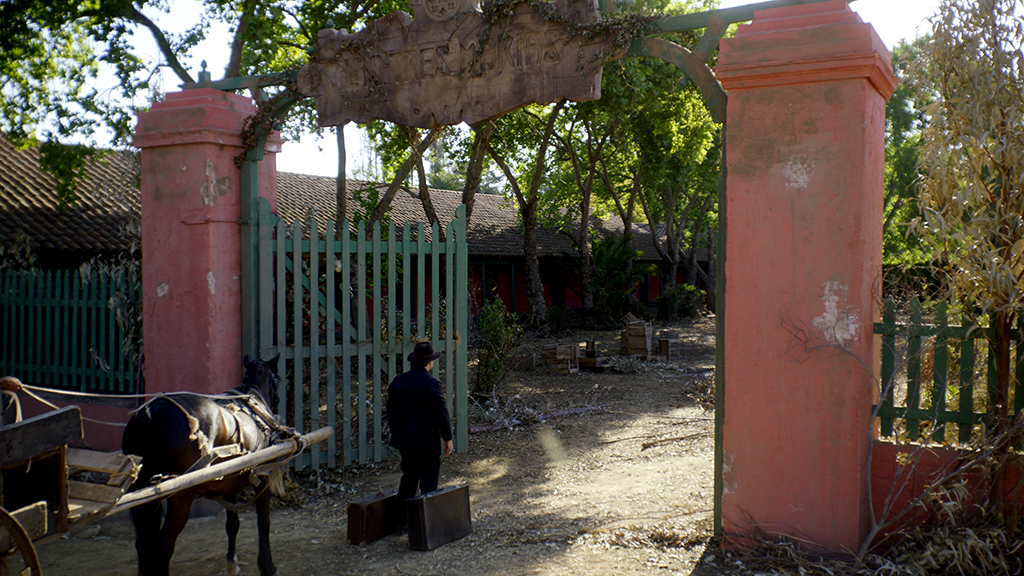
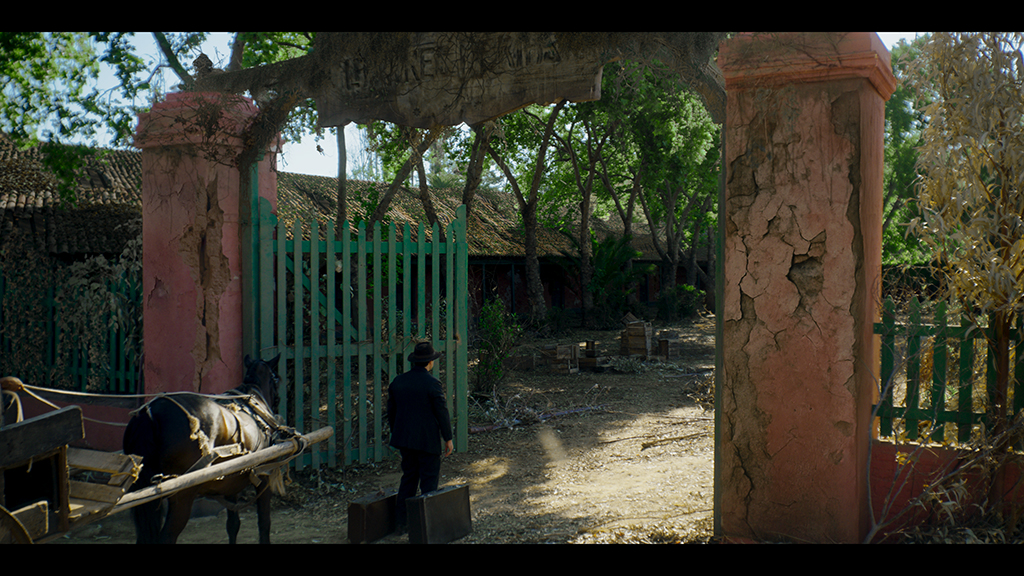
Among the sequences that left the strongest impression on Roca are two that combined technical complexity with emotional significance. The first is Esteban Trueba’s arrival at the long-abandoned Las Tres Marías. “Beginning with the main entrance, we transformed the location into a neglected hacienda,” Roca says. “Large adobe pillars, a weathered wooden sign bearing the estate’s name, exposed earthen walls, cracked surfaces, faded paint and dry vegetation all contributed to telling that story before a single line of dialogue was spoken.”
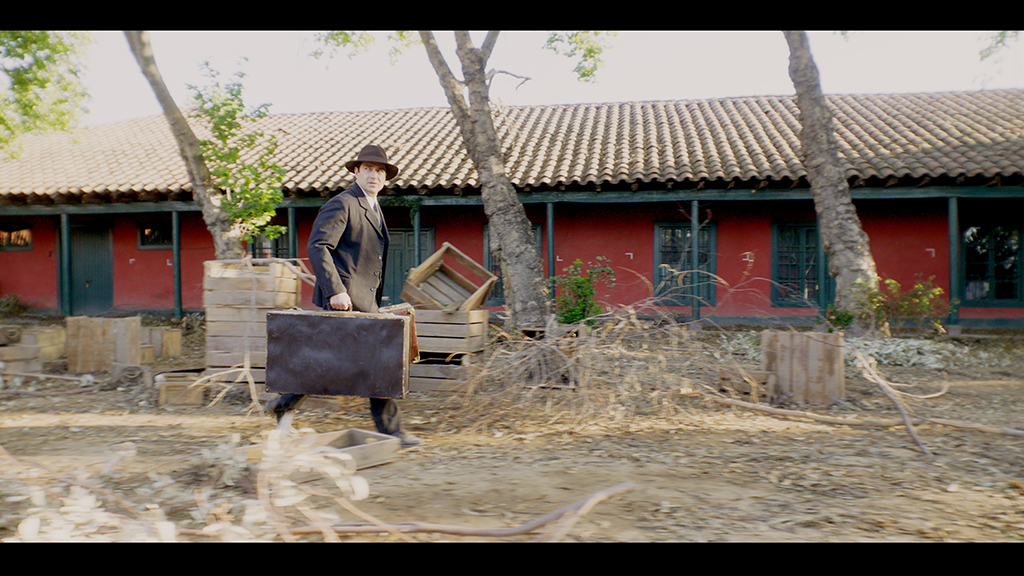
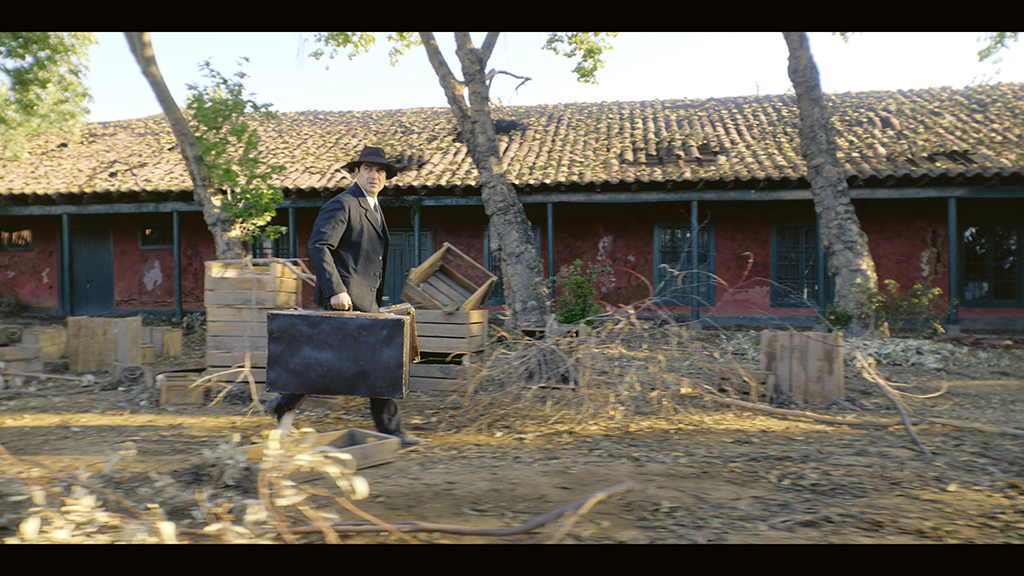
The sequence was shot as a long lateral tracking shot, without greenscreen to isolate the VFX work. “Everything had to be achieved through meticulous camera tracking, extensive rotoscoping and carefully integrated digital interventions,” Roca says. “The challenge was to preserve complete realism throughout the shot while allowing the audience to absorb the gradual deterioration of the estate as naturally as the character himself was discovering it.”
The second is Clara’s arrival at the Desert Mansion. One of the sequence’s most subtle effects is a digital tear running down her cheek before falling onto the sand. “Most of the audience will probably never notice that a single CGI tear slowly runs down Clara’s cheek before falling onto the desert sand,” Roca notes. “For me, it perfectly represents the kind of visual effects I enjoy the most – effects that exist not to impress the audience, but to quietly support the emotional power of the story.”
The production also had particular significance for Garagevfx as a Latin American studio. The House of the Spirits is based on one of the region’s most important works of literature and brought together Fábula, FilmNation, Amazon MGM Studios and a creative team and cast from across Latin America. “Today, studios in our region are capable of delivering world-class work, not simply because of technology, but because of the talent, artistic sensitivity and collaborative spirit of the people behind it,” Roca says. “Being able to contribute to a production of this scale is something we are deeply proud of, and I hope it encourages even more international productions to trust Latin American visual effects studios as creative partners for ambitious storytelling.”