Photos courtesy of Lucas Museum of Narrative Art.

Photos courtesy of Lucas Museum of Narrative Art.
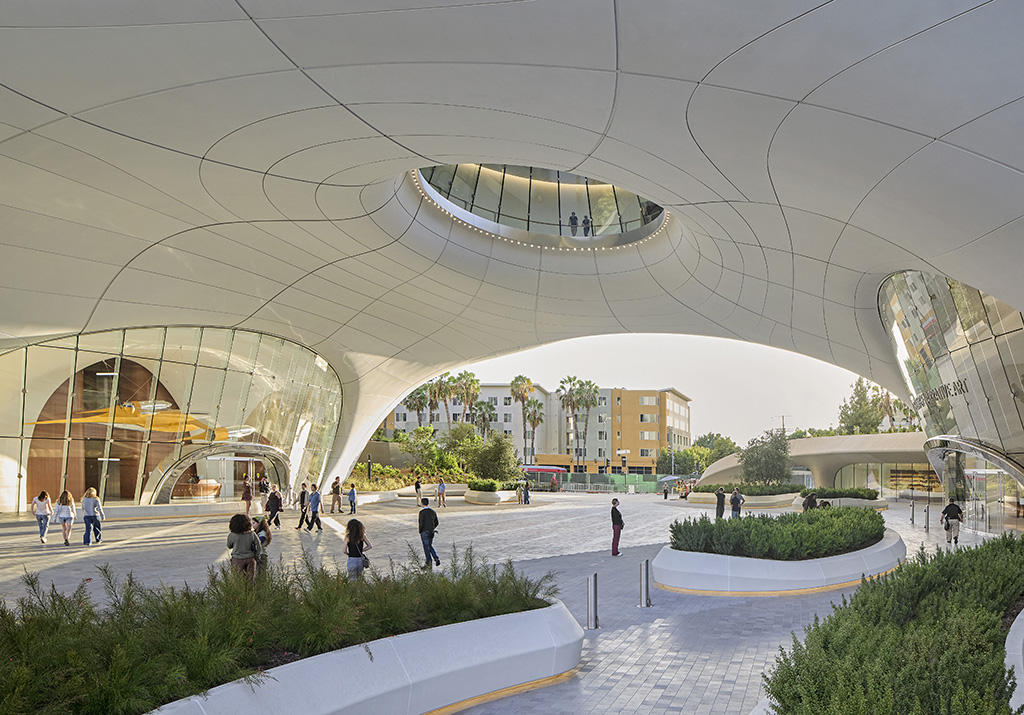
The eminent mythologist Joseph Campbell explored common themes and motifs in mythology, religion, films, fairy tales and the arts around the world. One of his biggest fans was the young filmmaker George Lucas, who was especially inspired by Campbell’s book The Hero With a Thousand Faces while working on Star Wars. Years later, one can see Campbell’s influence in the recently launched Lucas Museum of Narrative Art, located in Los Angeles. The museum, founded by Lucas and his wife Mellody Hobson, explores the power and inspiration of visual storytelling around the world.
“Campbell’s influence really comes through in the way the museum looks at universal themes that people keep returning to over time in narrative art,” comments Ryan Linkof, Lucas Museum Senior Curator and Head of Film Programs. “Across the 33 galleries, visitors will see themes such as family, love and childhood that appear across cultures and generations. So, it shows how artists and storytellers use these familiar themes in all kinds of ways. And of course, Campbell’s impact on George Lucas and Star Wars, especially the concept of the hero’s journey, is a great example of how those timeless myths still shape the stories we connect with today.”
“One exciting thing about the museum is that it gives more visibility to filmmakers and visual artists who really pushed the medium forward, even if they’re not household names. In the Slavko Vorkapich Theater, we highlight cinematic experimentation and innovation, with short films from the earliest days of cinema through today. That includes work by Georges Méliès, along with abstract ‘visual music’ films by artists such as Mary Ellen Bute. These films are rarely screened theatrically, so showing this work in a dedicated theater helps give these artists the spotlight and context they deserve.”
—Ryan Linkof, Lucas Museum Senior Curator and Head of Film Programs
The Lucas Museum draws upon the visionary’s vast collection of more than 40,000 works of popular and pioneering art. The collection spans paintings (Norman Rockwell, N.C. Wyeth, Frida Kahlo and Thomas Hart Benton, among them); illustrations, comic books and graphic novels (Boris Vallejo, Frank Frazetta, Julie Bell, Jessie Willcox Smith, R. Crumb, Jack Kirby, Moebius, Frank Miller and Winsor McCay); murals (Diego Rivera, Judith Baca and JR); photography (Dorothea Lange, Robert Capa, Gordon Parks and Alfred Eisenstaedt); film (see below) and works in other formats. Lucas and Hobson have described the museum as a “temple of the people’s art.”
Hobson is a businesswoman who was on the board of Starbucks for 20 years. She and her husband, whom she married in 2006, worked on the museum’s concept for nearly two decades. The challenge was that Lucas had a vast and growing art collection and wanted a suitable place to display it. Selling parts of it was unacceptable to him. San Francisco’s Presidio was the first candidate for the site, followed by Chicago, and finally Exposition Park, next door to USC, Lucas’s film-school alma mater in South Los Angeles.
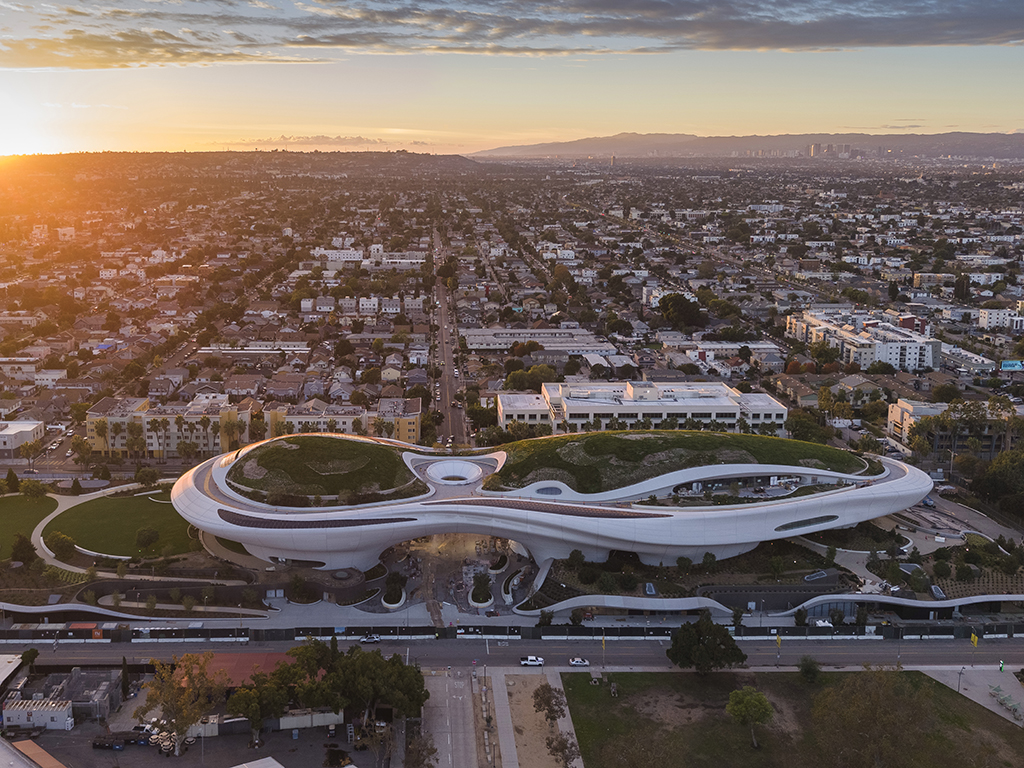
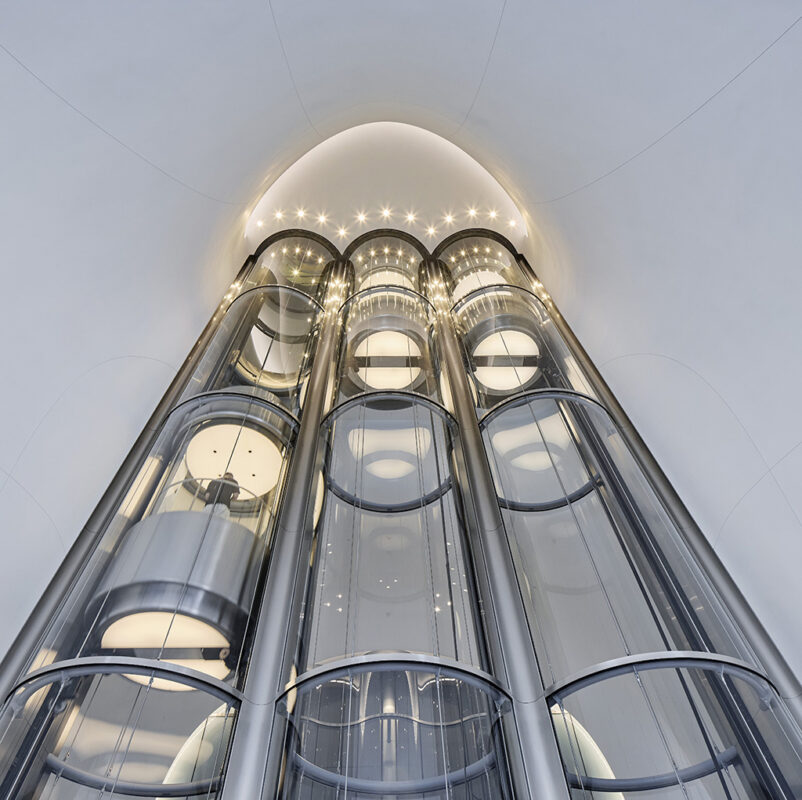
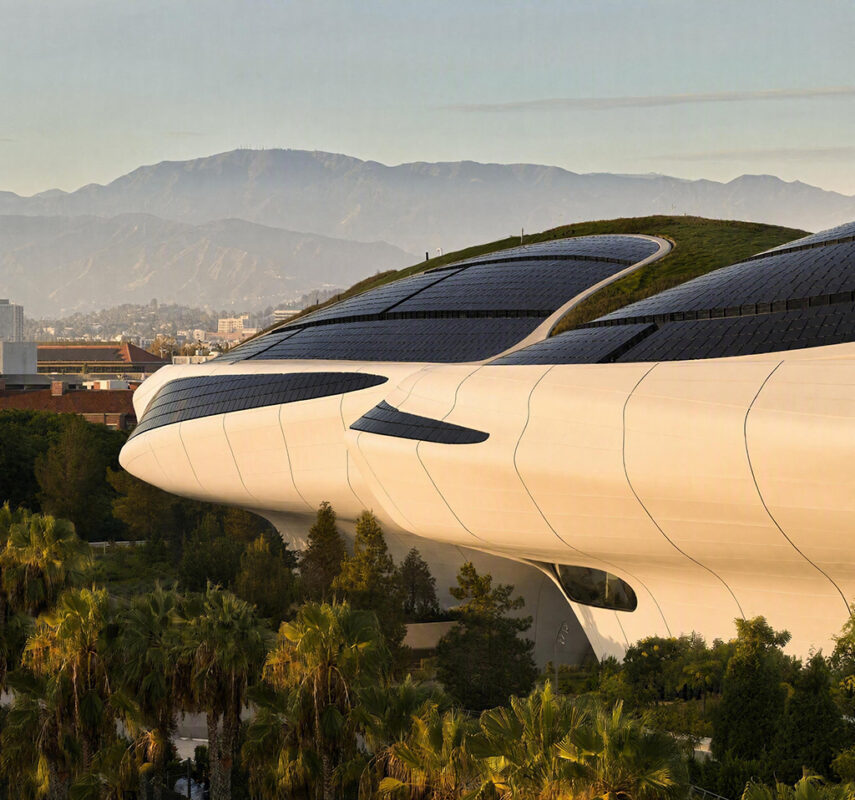
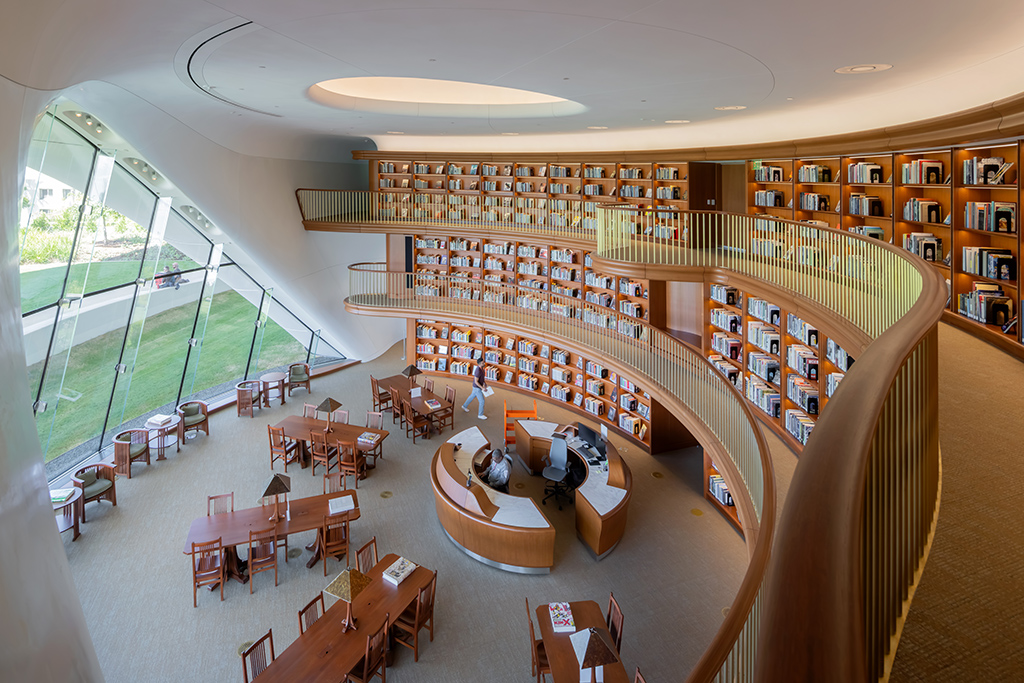
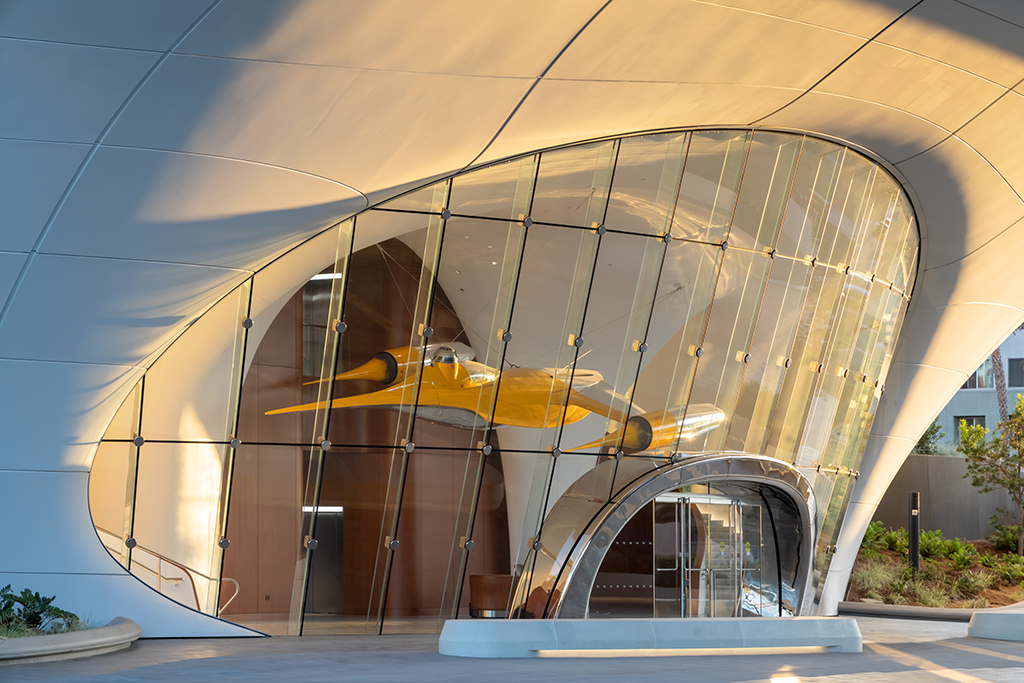
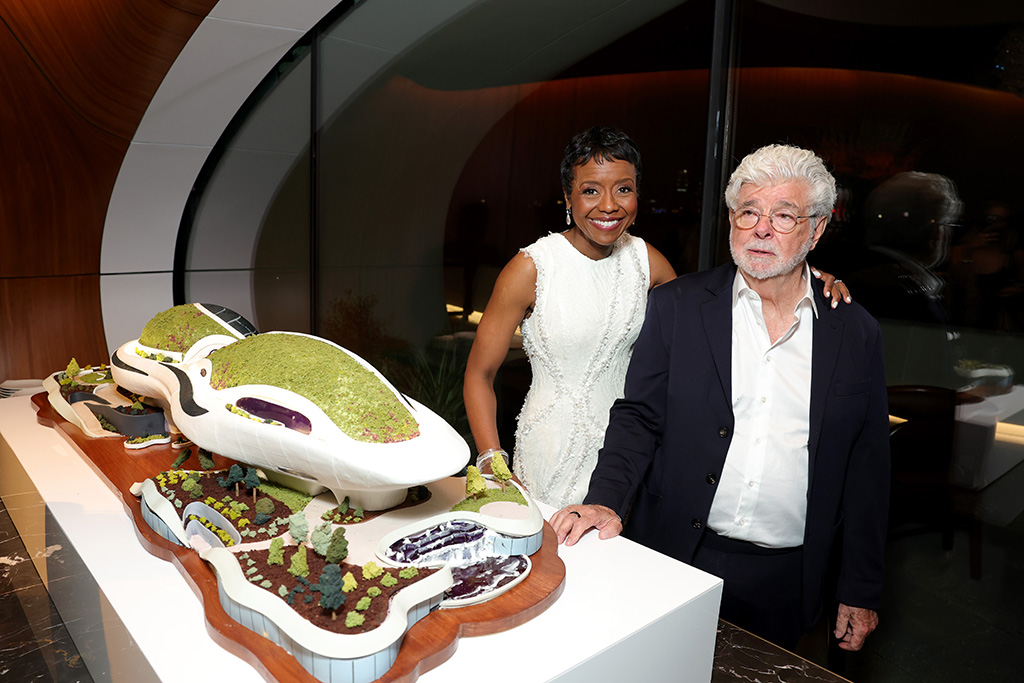
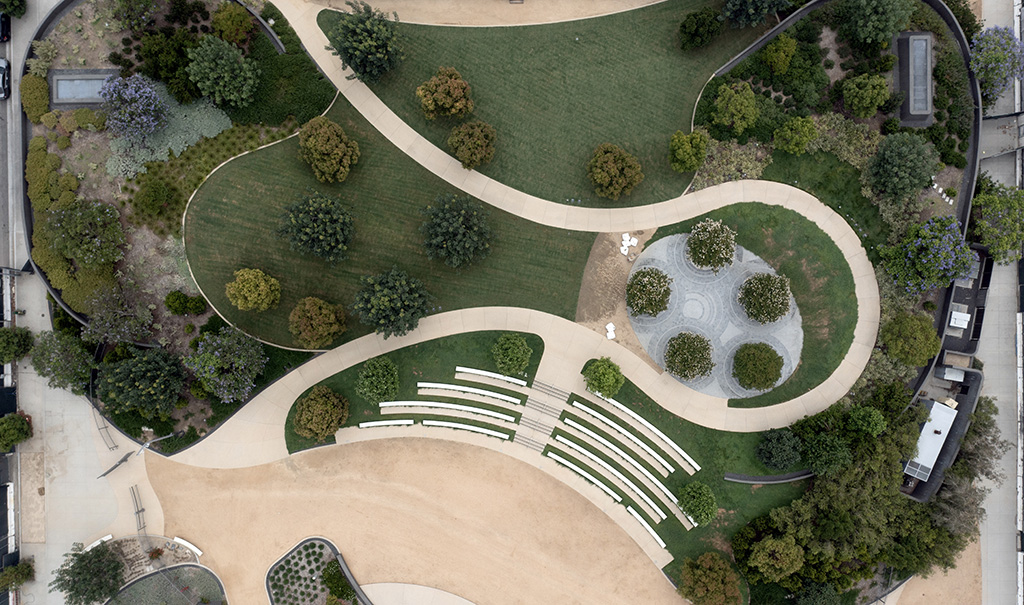
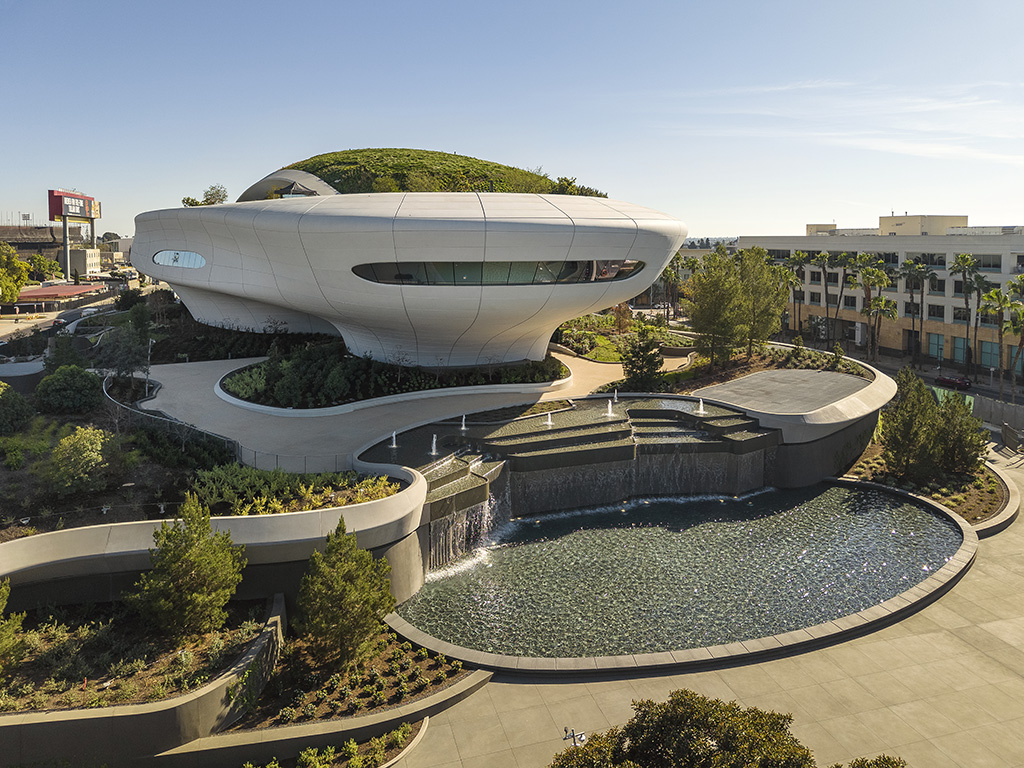
The museum explores and celebrates the power of visual storytelling to inspire individuals, give shape to beliefs and ideals and forge community. Built in the heart of Exposition Park, the Lucas Museum resides in a 300,000-square-foot building designed by Ma Yansong of MAD Architects with Stantec to embody the emotional power of narrative art, creating a sense of connection to something larger than ourselves. The building is integrated into a new 13-acre campus including a park designed by Mia Lehrer of Studio-MLA.
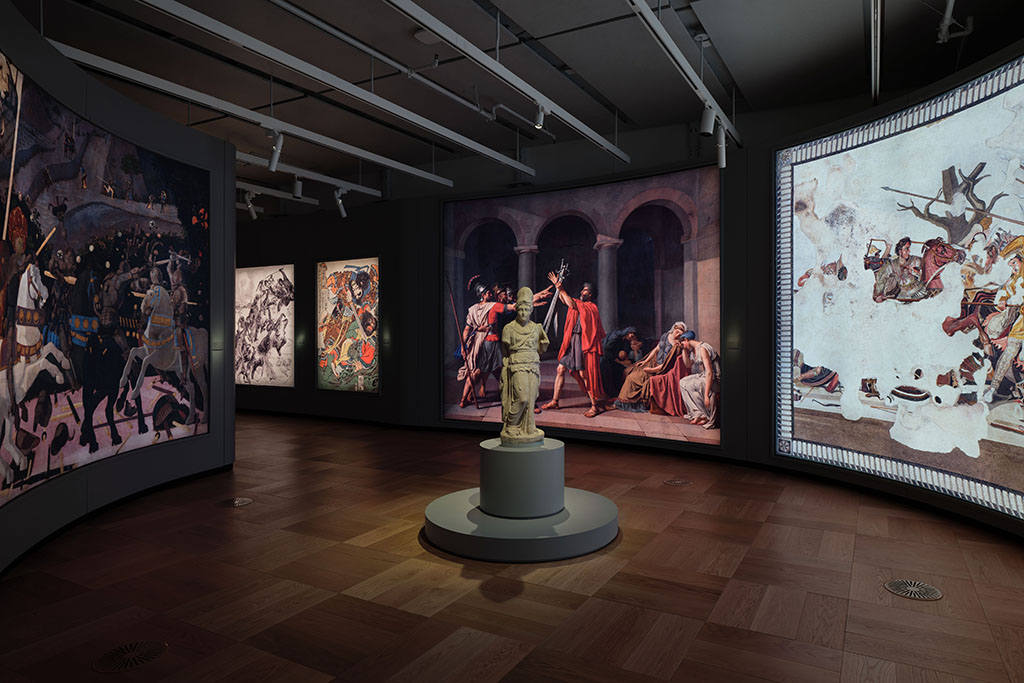
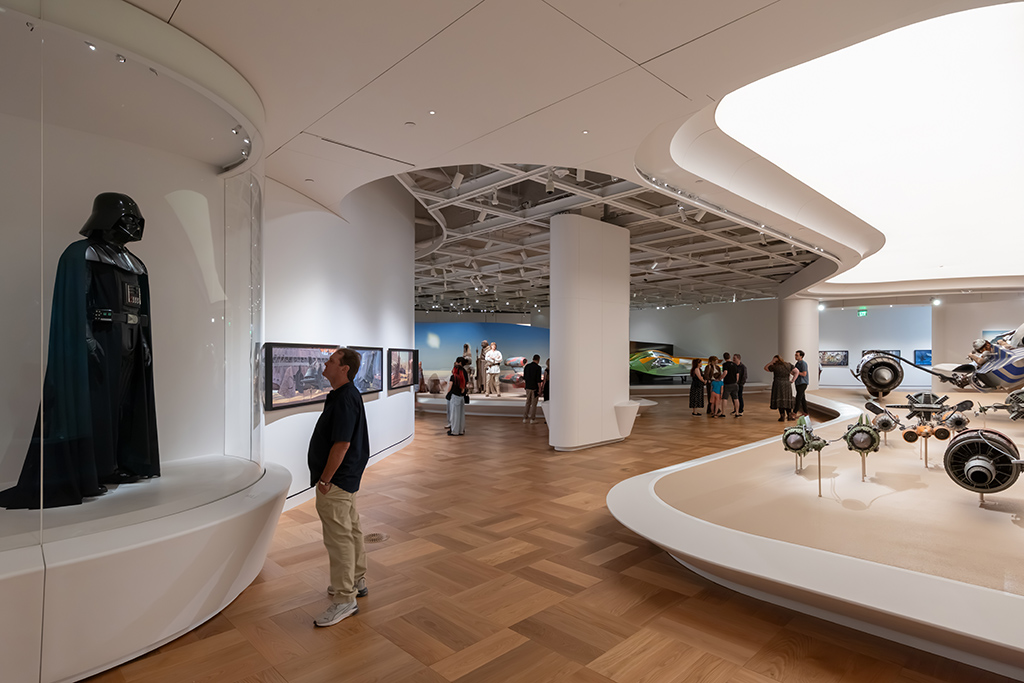
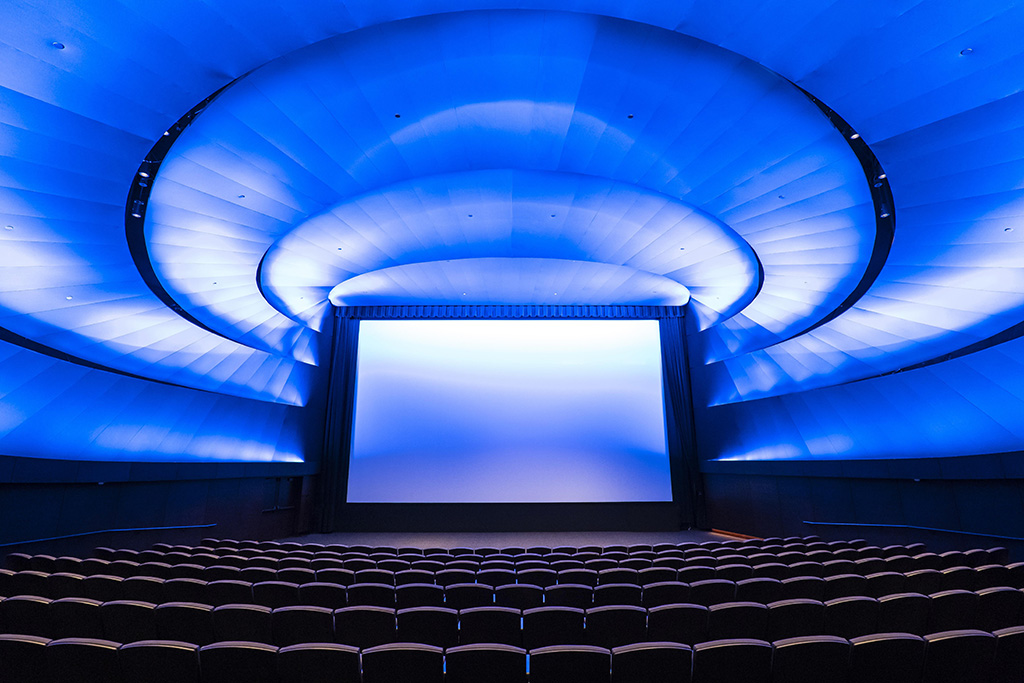
Inaugural exhibitions include more than 1,200 objects representing narrative art across time and around the world. Installed across more than 30 galleries, they occupy approximately 100,000 square feet of gallery space. Film has a special place in the museum, which boasts two state-of-the-art theaters that offer nonstop, drop-in experiences showcasing a wide range of films, from early silent movies to avant-garde experiments to animation to documentary. The museum should bring greater recognition to a host of little-known and groundbreaking filmmakers.
“One exciting thing about the museum is that it gives more visibility to filmmakers and visual artists who really pushed the medium forward, even if they’re not household names,” Linkof says. “In the Slavko Vorkapich Theater, we highlight cinematic experimentation and innovation, with short films from the earliest days of cinema through today. That includes work by Georges Méliès, along with abstract ‘visual music’ films by artists such as Mary Ellen Bute. These films are rarely screened theatrically, so showing this work in a dedicated theater helps give these artists the spotlight and context they deserve.”
“Across the 33 galleries, visitors will see themes such as family, love and childhood that appear across cultures and generations. So, it shows how artists and storytellers use these familiar themes in all kinds of ways. And of course, [Joseph] Campbell’s impact on George Lucas and Star Wars, especially the concept of the hero’s journey, is a great example of how those timeless myths still shape the stories we connect with today.”
—Ryan Linkof, Lucas Museum Senior Curator and Head of Film Programs
The inaugural film program will showcase cinema as both a powerful vehicle for telling stories and an advanced technology for creating moving visual experiences. The tradition of using cinema to capture reality in all its richness will be showcased in a theater named in honor of Robert Flaherty (1884–1951), a pioneer in documentary filmmaking. The program will spotlight films dedicated to documenting the process of artistic production, including artists and storytellers featured in inaugural exhibitions.
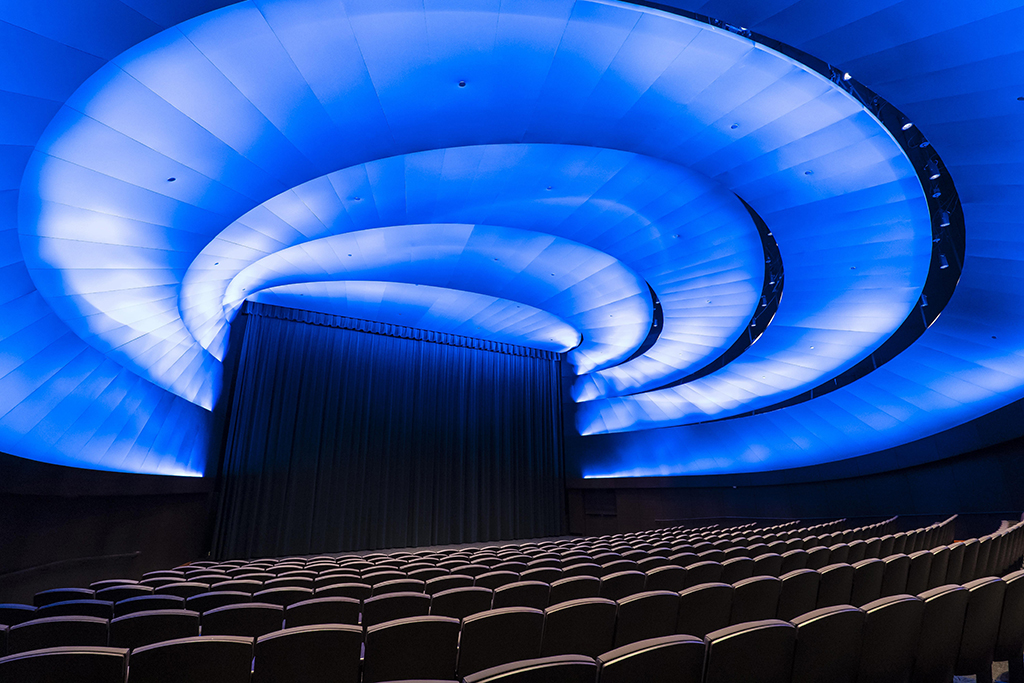
Documentary screenings in the Robert Flaherty Theater will include episodes of a new documentary series commissioned for the Lucas Museum, Seeing is Believing: The Story of Narrative Art, directed by Robin Dashwood; episodes of the 2024 television series The Power of Film, created by Howard Suber, Doug Pray and Laura Gabbert; documentaries about artists whose work will be exhibited in the Lucas Museum – including Norman Rockwell, Jim Lee, Charles Schulz, Maurice Sendak, Diego Rivera, J.C. Leyendecker and Weegee – and Comic Book Confidential, directed by Ron Mann.
The tradition of creating magic with the basic elements of film will be showcased in a theater named in honor of Slavko Vorkapich (1894–1976), who created astonishing montage sequences and special effects for dozens of Hollywood movies from the 1920s through the 1940s, as well as making experimental films of his own.
Screenings in the theater – dedicated to “the emotion of motion” with innovative short films from the earliest years of the medium to the present – will include montage sequences by Vorkapich, early silent films by Georges Méliès, Émile Cohl, W.K.L. Dickson, Edwin S. Porter, and others, early animations by Winsor McCay, experimental films of Man Ray, László Moholy-Nagy, and others, early sound animations by Walt Disney and Dave and Max Fleischer, experimental films by animator-director Norman McLaren, Looney Tunes and Merrie Melodies animated shorts, abstract “visual music” works by Mary Ellen Bute, Oskar Fischinger, Jordan Belson, and others, experimental films of the 1960s by Stan Brakhage, Kenneth Anger and others, experimental animation by Vince Collins, anime from Cowboy Bebop, episodes of Star Wars: Visions, and student films by George Lucas, from 1965 to 1969.
In both the Robert Flaherty Theater and the Slavko Vorkapich Theater, curated film selections will screen nonstop throughout the day, offering visitors an open-door, drop-in, gallery-like experience. Linkof notes, “The drop-in format is meant to make the film programs feel easy and welcoming, more like walking through a gallery than committing to a traditional screening. Visitors can come in for a few minutes, stay longer if something catches their attention or move through at their own pace. Since the programs include everything from very short films to pieces that run about 90 minutes, that flexibility makes the experience more accessible and encourages people to discover something new.”
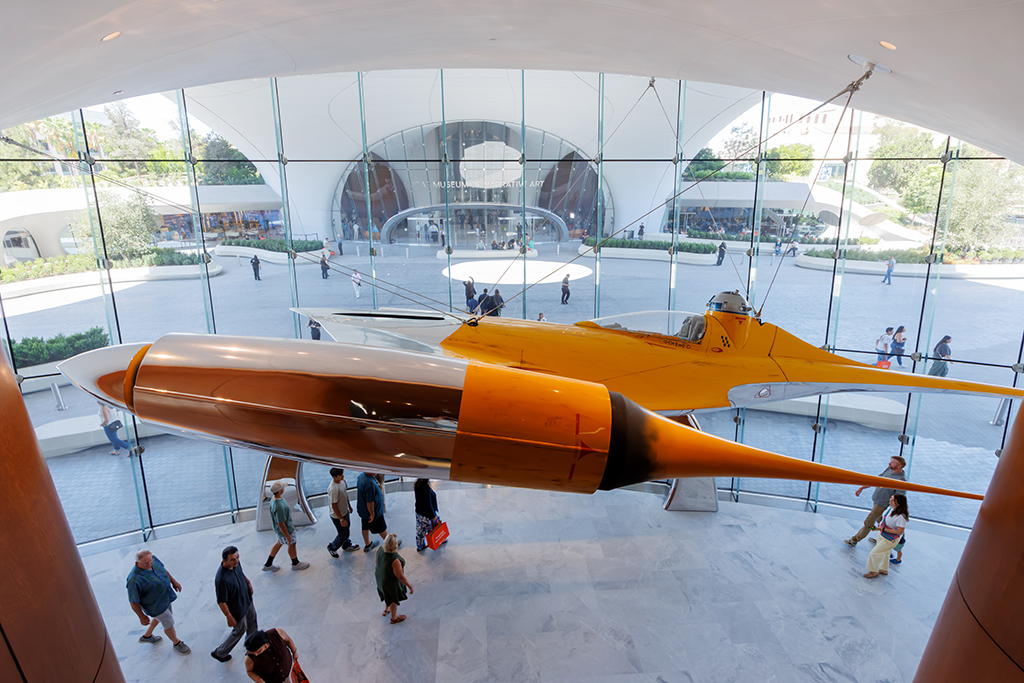
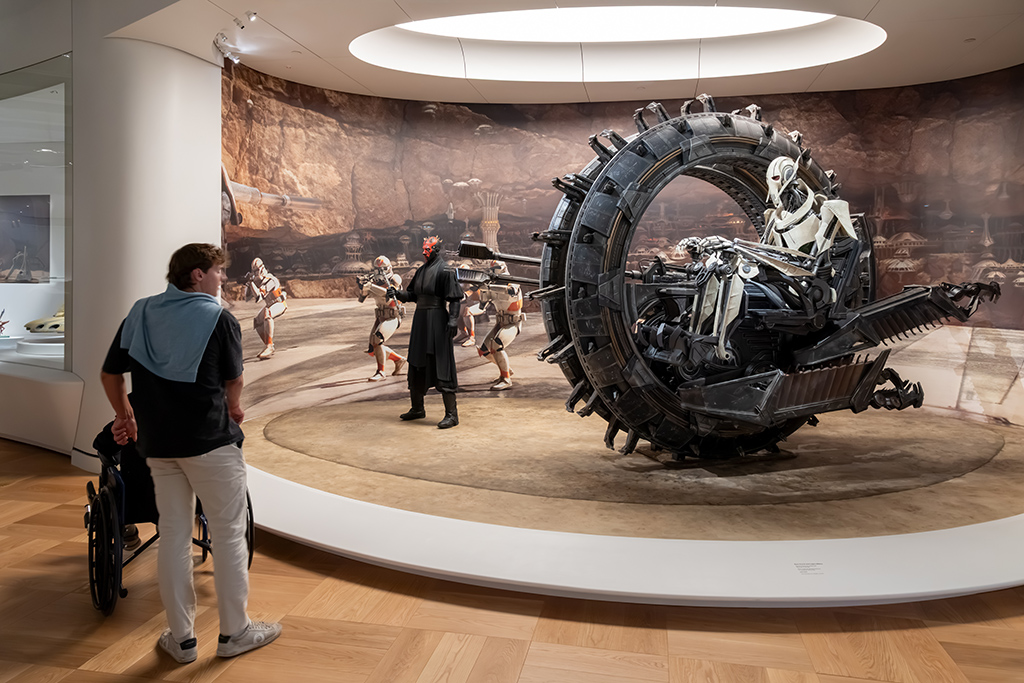
The museum will have great appeal to Star Wars aficionados, according to Linkof. “Star Wars fans will have a lot to look for, especially in the opening film program. One big highlight is the chance to see George Lucas’s early student films, a look at his work before Star Wars. The museum will also show Star Wars Detours; the animated series Lucas created with Seth Green and Matt Senreich that has never been publicly aired. We are also featuring episodes of Star Wars: Visions, an anime anthology series based in the Star Wars universe. This is all in addition to the Star Wars in Motion exhibition, which will feature some of the most spectacular objects in the museum’s Lucas Archives.