Courtesy of NEON.

Courtesy of NEON.
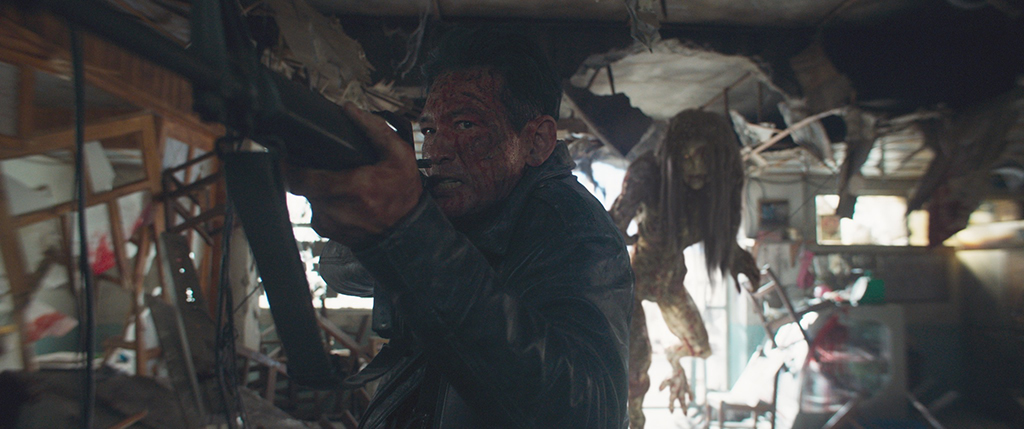
Dark humor, incisive social commentary and violent societal outbursts are trademarks of acclaimed South Korean filmmakers Bong Joon-ho, Park Chan-wook and Na Hong-jin. Na has carved out his own place in genre cinema with The Chaser and The Wailing, both of which incorporate horror and thriller elements. The prolific writer-director ventures into extraterrestrial territory with NEON’s Hope, a sci-fi thriller set in the fictional South Korean village of Hope Harbor, which becomes a hunting ground amid a cosmic conflict.
“Korea is extremely geographically small, so I wanted to create a space for the film that was isolated from the rest of the world, [where] it would be difficult for them to receive help,” explains Na Hong-jin, Producer, Writer and Director of Hope. “And it would also take time if help were to come. That area itself is the DMZ. Of course, people can visit that area now; however, in the 1980s, it was not possible. That’s why we chose that timeframe for the film. It created a simpler device for us to focus on the story itself without wasting time. It helped to build the structure of the narrative.”
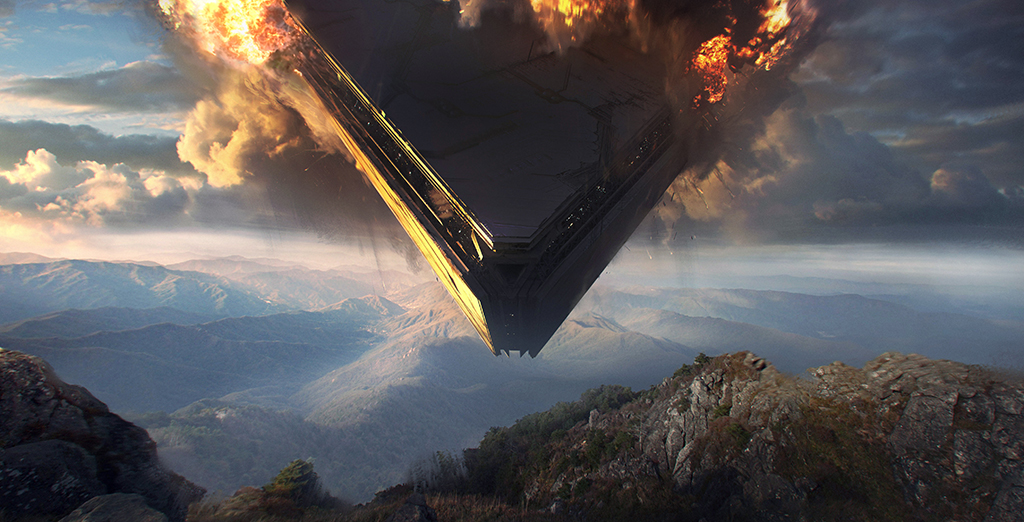
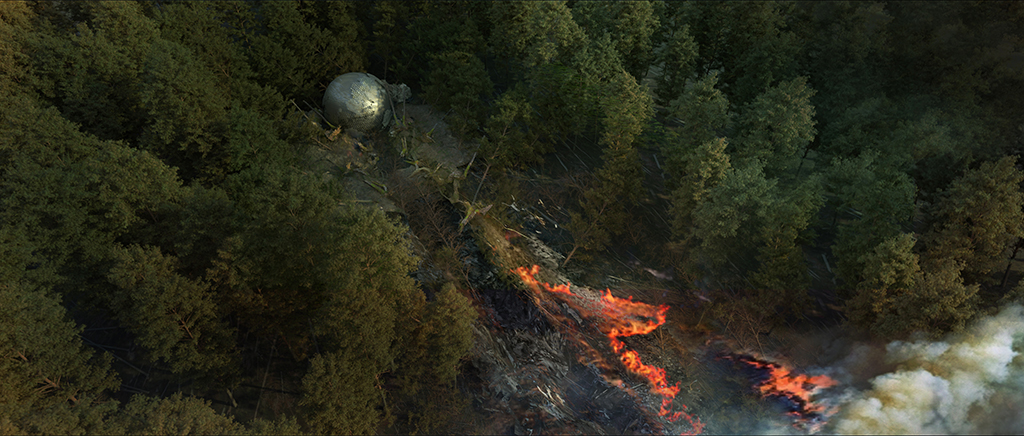
“Considering the creatures will be in the film for a long time, I wanted to be able to get to the core of their emotion. They are part of diverse scenes and have intricate details. The humanistic intricacies are something that I wanted to explore through these actors. That’s why I decided to cast these wonderful actors because – coming down to the movement of their facial muscles – I wanted to be able to capture that.”
—Na Hong-jin, Producer, Writer, Director, Hope
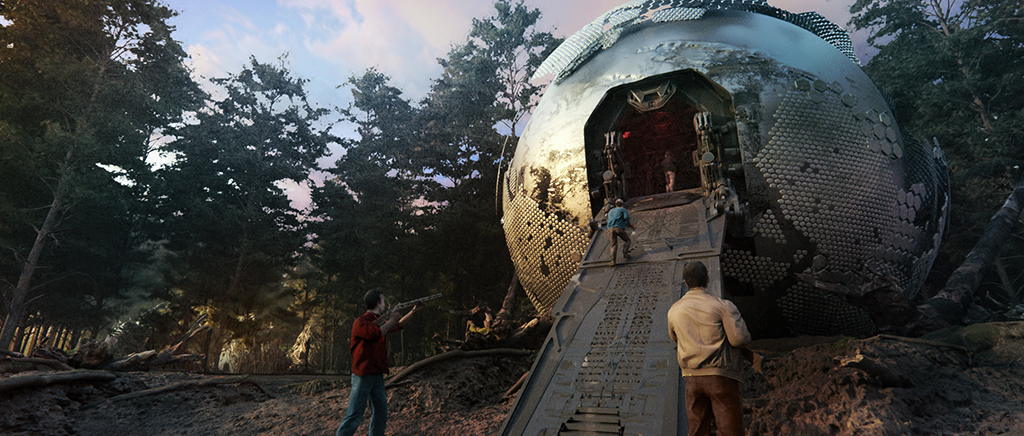
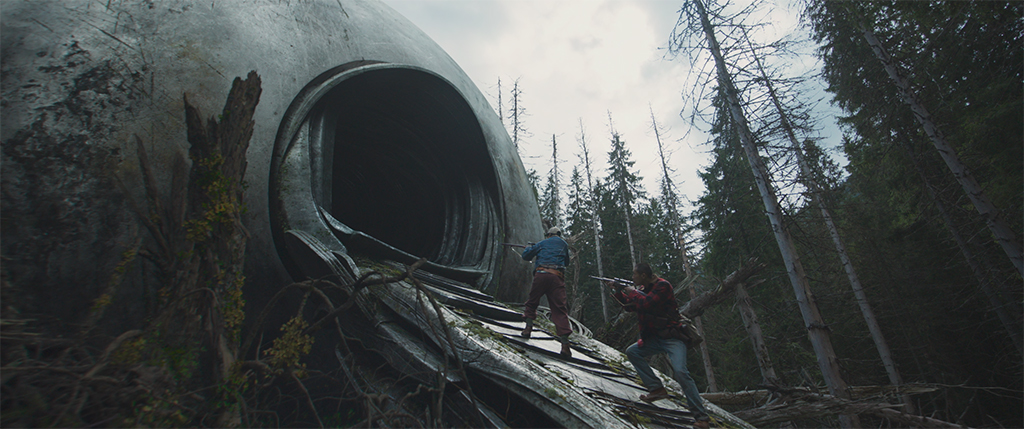
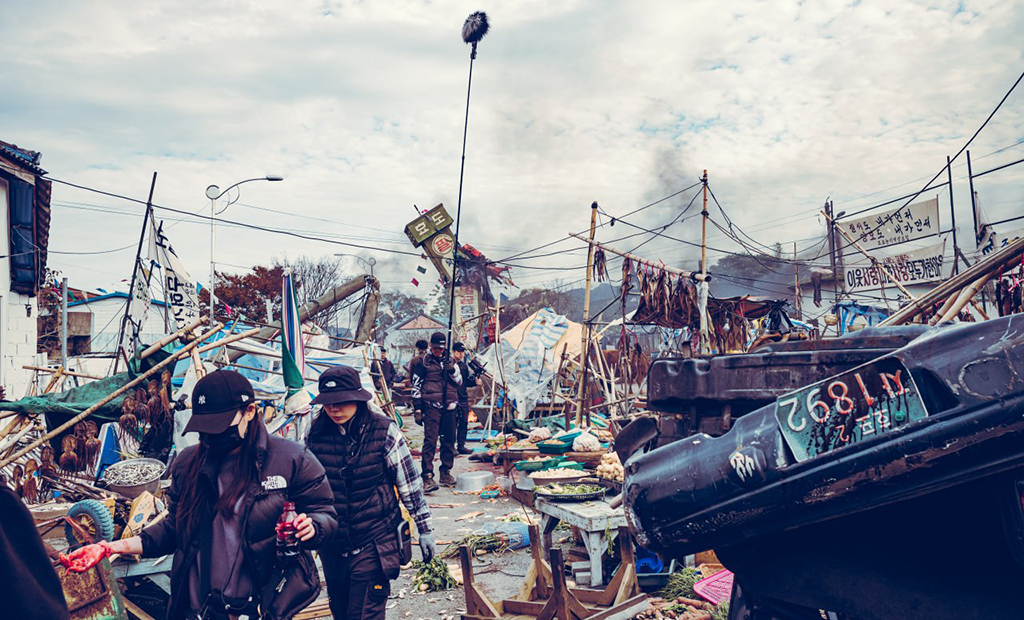
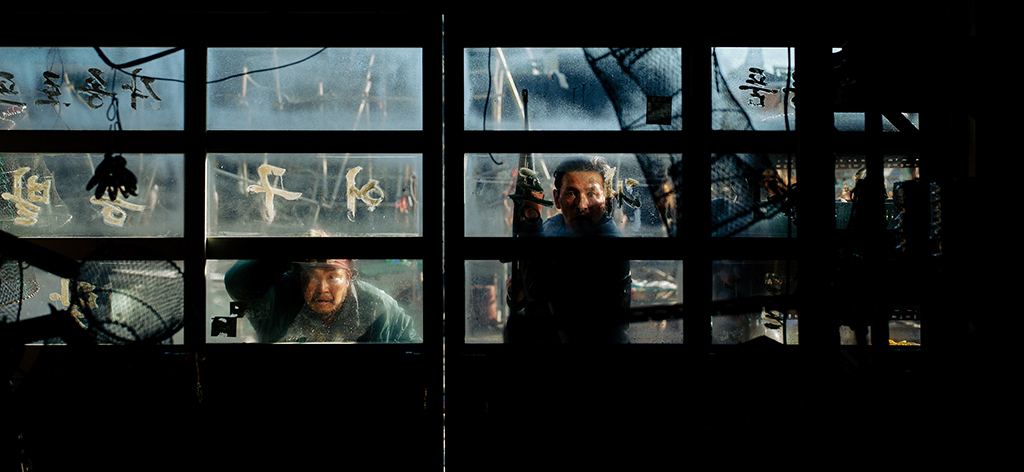
Principal photography primarily took place in Namchang-ri, situated in South Korea, with the forest footage filmed in Romania. “The location in which we were shooting was a real village that we found in the southernmost part of Korea,” Na says. “It wasn’t a set that we built. It was real buildings we had to demolish, and real shops and restaurants that were functioning and running while we were shooting inside them. The people living there were gracious to allow and welcome us to shoot there while they continued on with their lives. It created an interesting juxtaposition while we were shooting these destructive scenes, for real life to be going on simultaneously.”
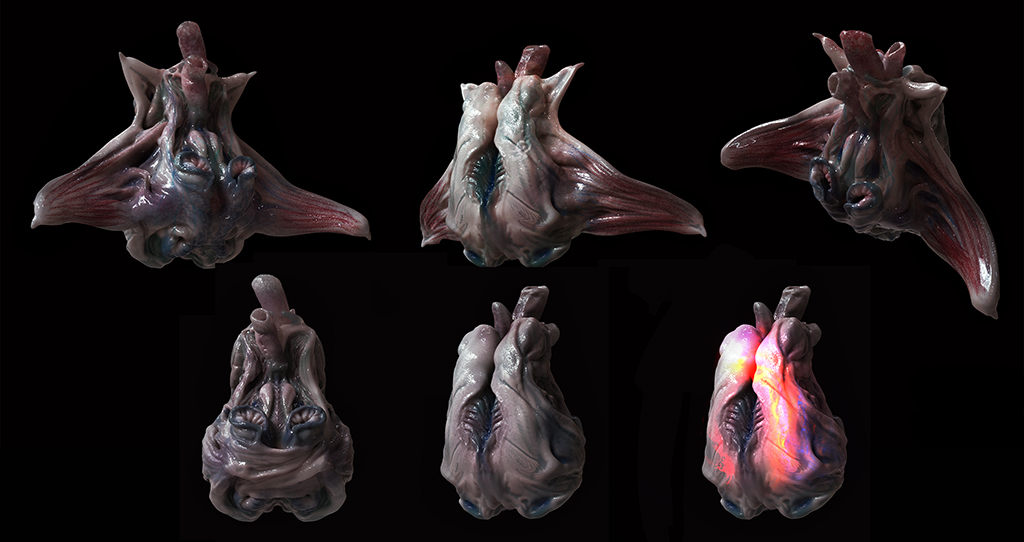
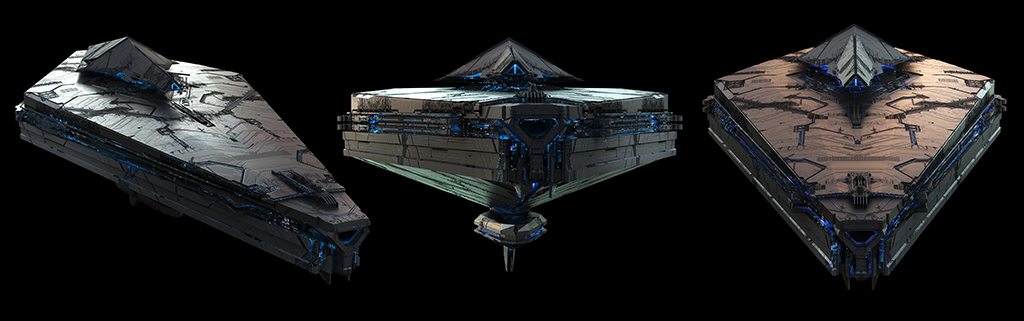
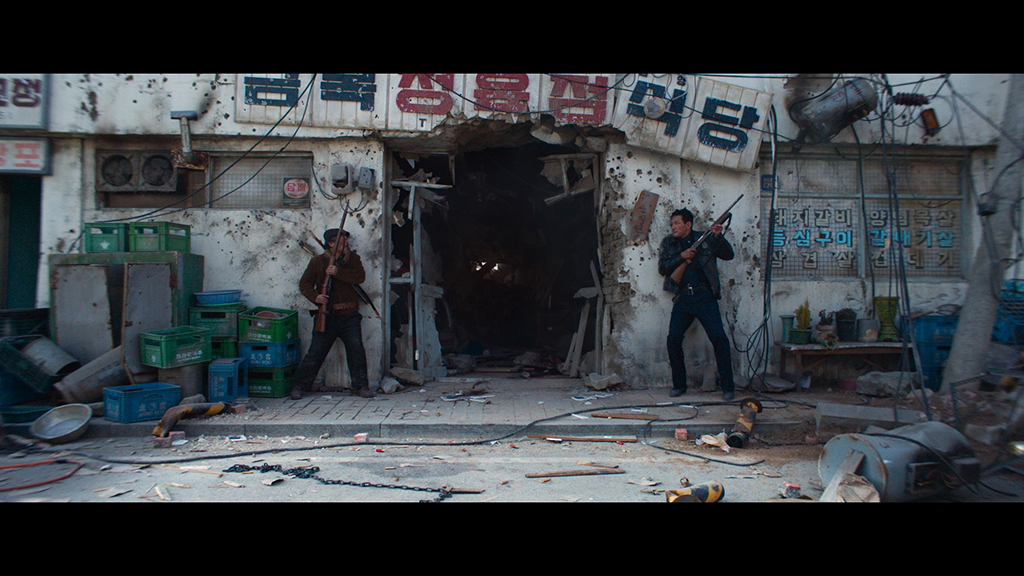
A significant part of the action unfolds in the forest during the daytime. “If you watch the film, you will notice that there are no night scenes in Hope,” Na notes. “That’s because we are planning for a possible sequel to have those night moments. In this case, the forest setting replaced what would traditionally be action that happens at night. The forest represents the unique space of the creatures themselves, while the village belongs to the humans. I wanted to create the sense of distinction between the creature and human spaces, and these territories are invaded by each other.”
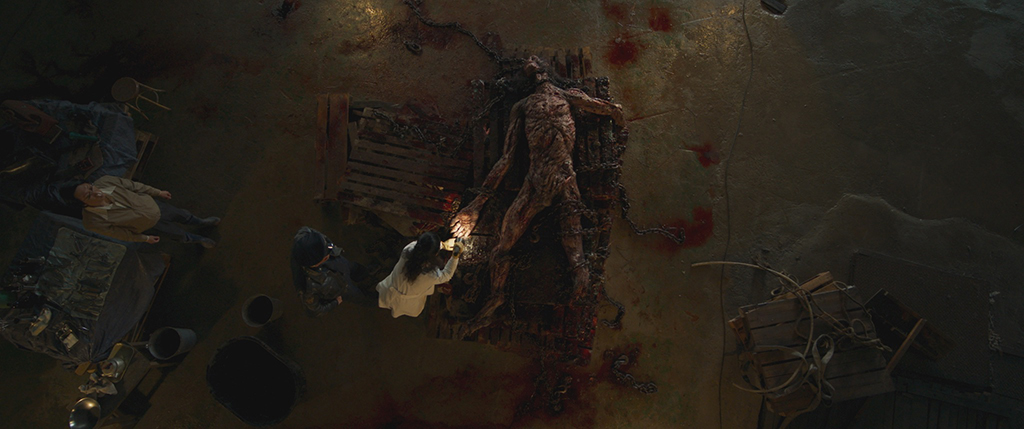
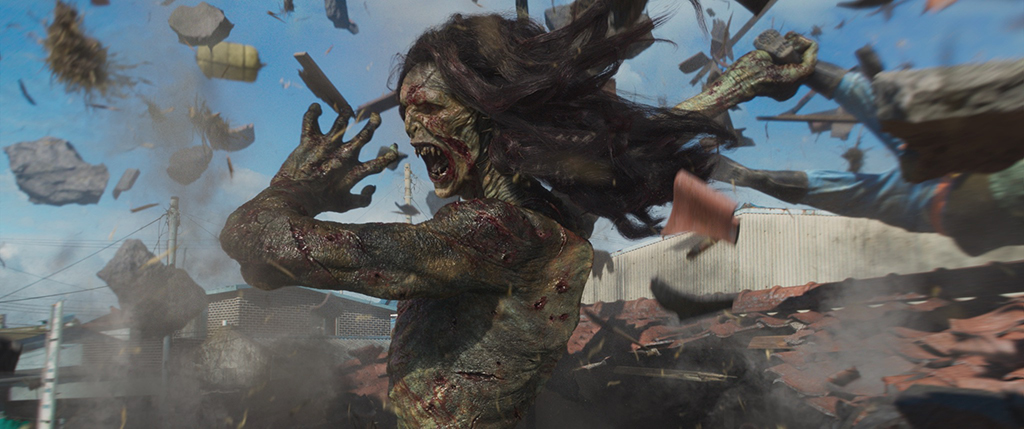
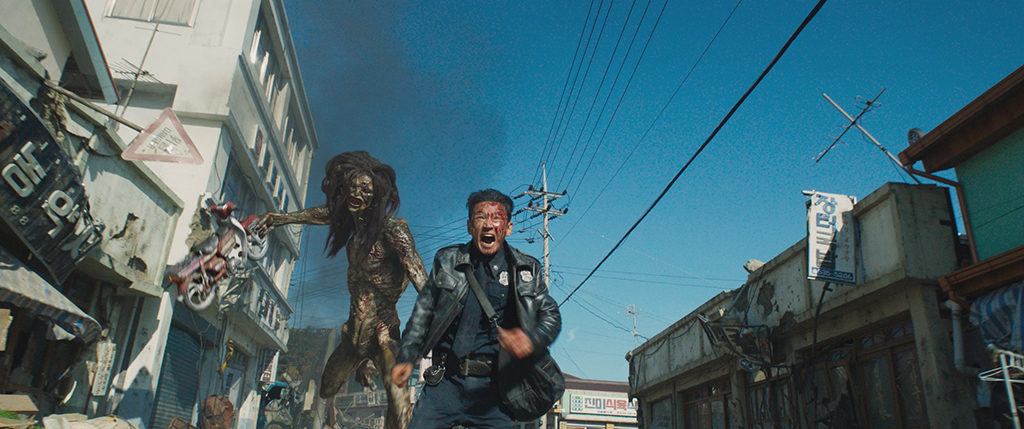
The sequence where the police cruiser chases after the alien was particularly challenging. “I would say it was quite difficult or even the hardest part of making Hope,” Na notes. “We did it over three different times, so it was a tenuous process.” Shots were carefully planned and storyboarded. “In terms of victims of the monster, we placed these bodies according to the composition of the frame or even the design of the art. We did so on purpose in terms of creating a framing and a cohesion within the art.”
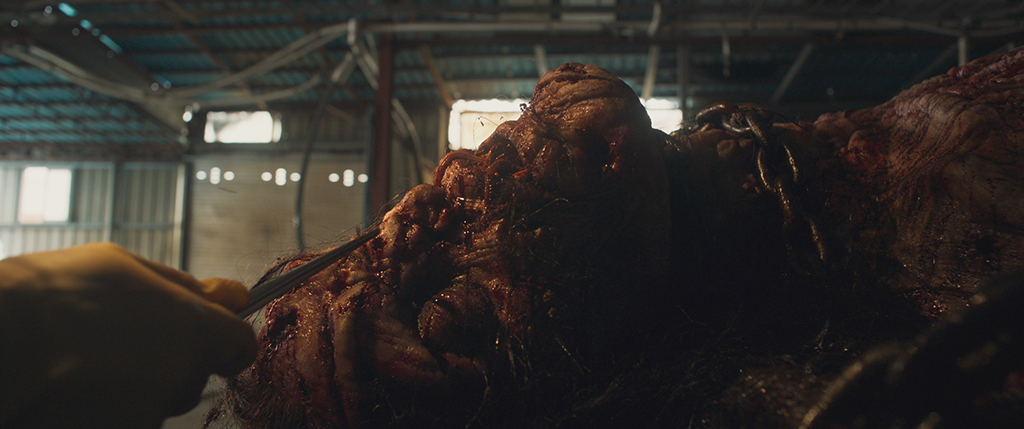
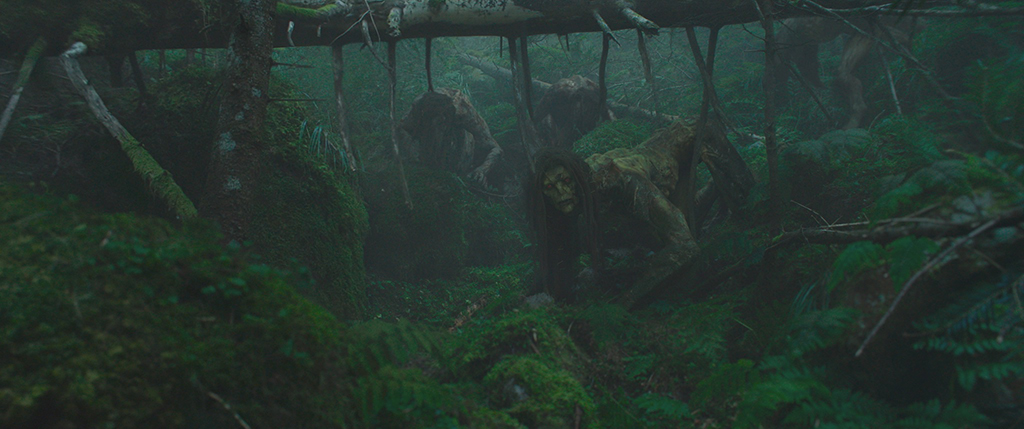
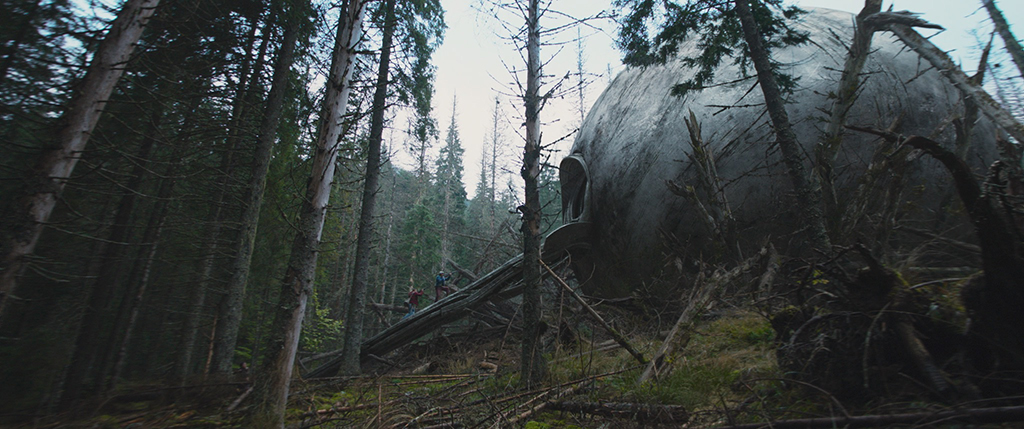
The timing of the alien reveal was crucial. “I would say from the beginning we had that reveal in place,” Na says. “This creature has a typical appearance, but we wanted to set up the previous situation with a lot of density and detail. Because of that, the appearance of the creature itself got pushed more into the middle of the film.” This narrative decision also influenced the dramatic entrance of rookie police officer Sung-ae, portrayed by Hoyeon (Squid Game). “Sung-ae was going to the end with our main characters, so this was an important moment where she enters the narrative. Whether it was the storyboarding or the actual shoot itself, the scene was incredibly important, so we wanted to make it as dramatic as possible. Because the timing [of the alien reveal] came later and later within the film itself, we felt like that added to the drama of her entrance.”
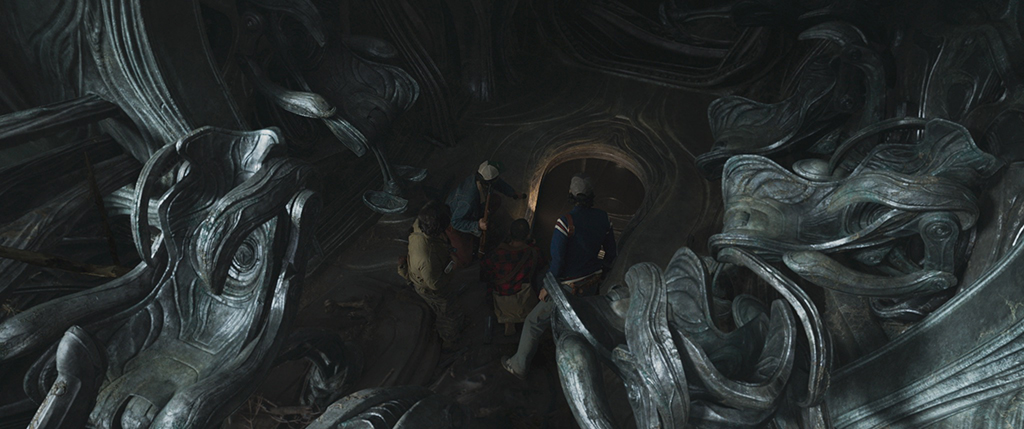
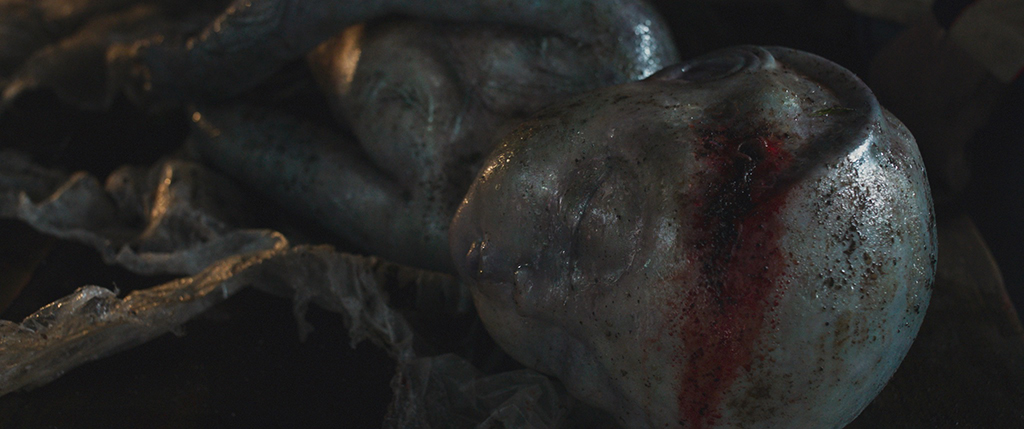
“From the beginning, we thought about the monster moving quickly and how we were going to capture that speed through the camera. We didn’t want to take the traditional approach. We wanted to follow the subject at this incredible speed and [amplify] the feeling that the audience would experience in the theater. And of course, the film has a lot of action scenes, so we didn’t want it to feel repetitive. We were thinking about that when building out the scenes. We chose to shoot mostly with a wide lens and went wider and wider.”
—Na Hong-jin, Producer, Writer, Director, Hope
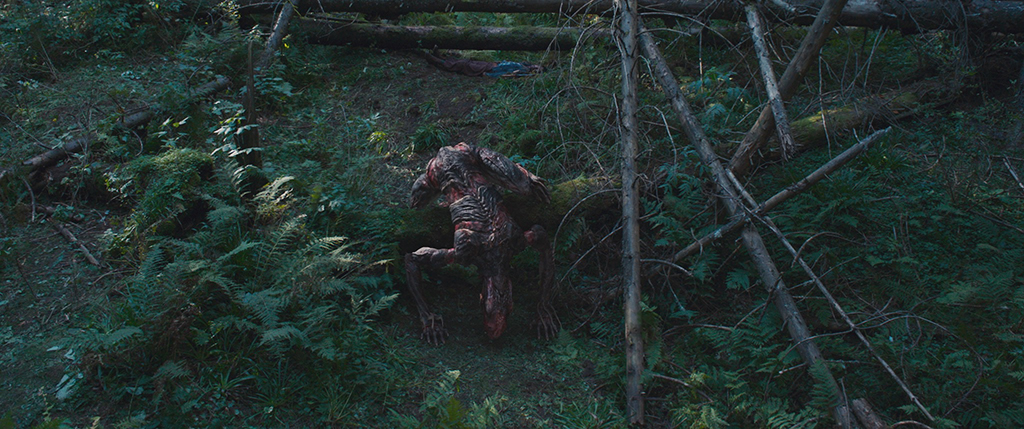
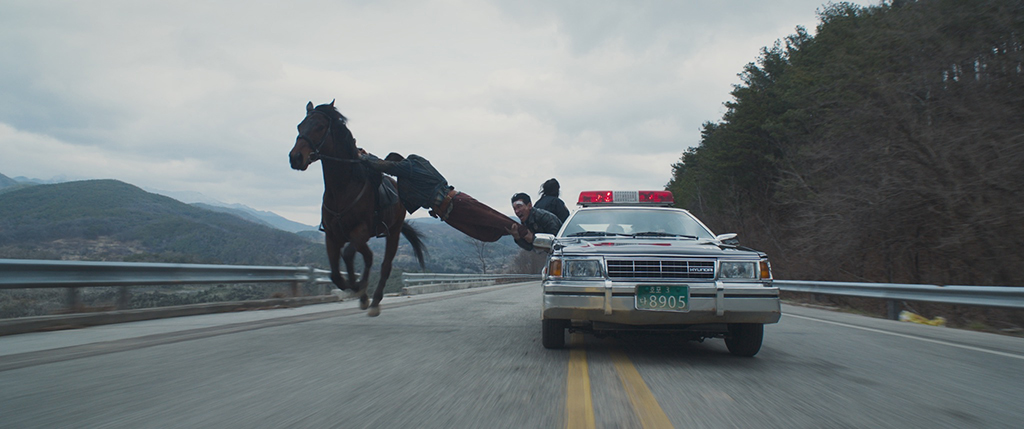
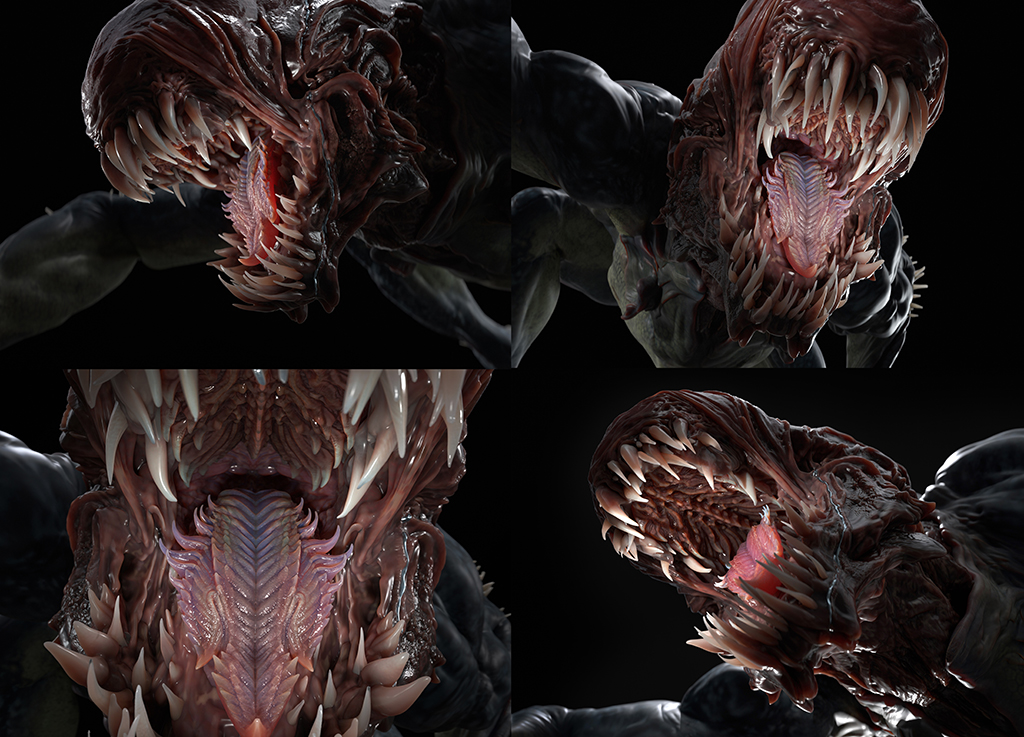
Given the presence of aliens, visual effects were essential to creating the otherworldly antagonists. “When I was young, I watched a lot of animation, especially Japanese animation. The feeling I got watching those animations, I wanted to be able to deliver to audiences in theaters through Hope,” Na says. “A lot of inspiration for the creature design came from Hollywood as well as the animation I mentioned before.”
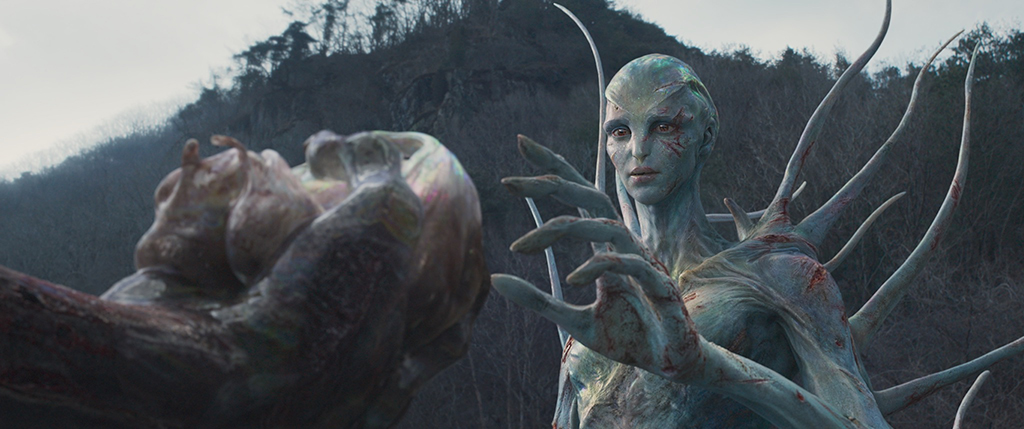
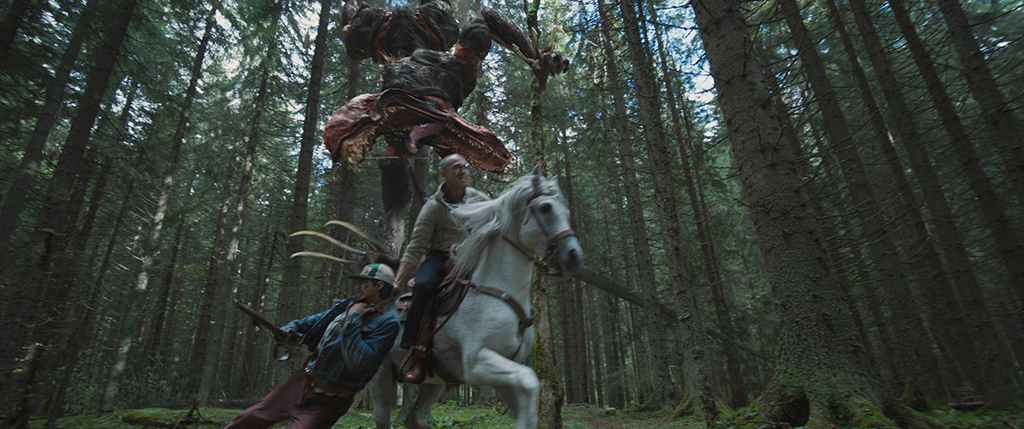
Mocap sessions were held with Alicia Vikander, Michael Fassbender, Taylor Russell and Cameron Britton, the actors who portrayed the aliens. “Considering the creatures will be in the film for a long time, I wanted to be able to get to the core of their emotion. They are part of diverse scenes and have intricate details. The humanistic intricacies are something I wanted to explore through these actors. That’s why I decided to cast these wonderful actors because – coming down to the movement of their facial muscles – I wanted to capture that. They are actors who I have been a fan of for a long time.”
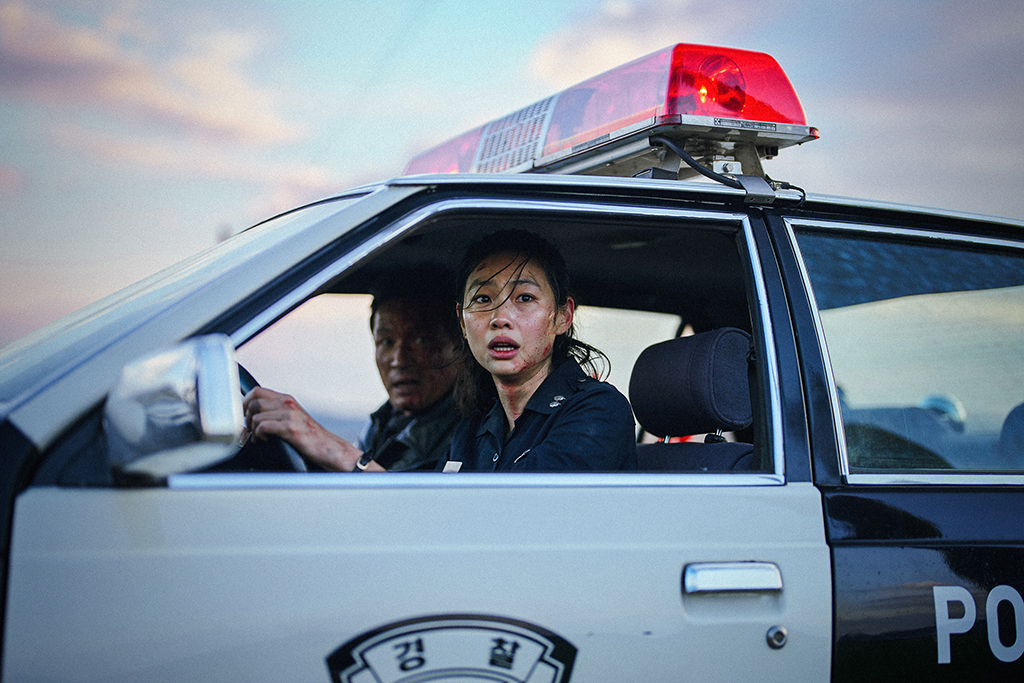
The laws of physics were defied for cinematic reasons. “In terms of their fast movement, that was already in the conception,” Na says. “A monster of that size should actually move quite slowly, but we chose to ignore those kinds of rules. From the beginning, we thought about the monster moving quickly and how we were going to capture that speed through the camera. We didn’t want to take the traditional approach. We wanted to follow the subject at this incredible speed and [amplify] the feeling the audience would experience in the theater. And of course, the film has a lot of action scenes, so we didn’t want it to feel repetitive. We were thinking about that when building out the scenes. We chose to shoot mostly with a wide lens and went wider and wider. The camera lies close to the floor, so we wanted to create this sense for the audience that we were going at an incredible speed while still keeping them engaged with the variety of shots that they were able to see.”