Getting an opportunity to transform a frail carnival performer into a ghastly creature known as Skeleton Man for It: Welcome to Derry was Digital Domain. The HBO series was one of the first projects to benefit from the proprietary Gen Man 2.0, which is an advanced human-based mesh system that elevates the quality of the anatomical details, deformations and skin realism. The task of designing, creating and executing the horrifying being conjured by an evil entity preying upon the fears of a young boy was started by Nikos Kalaitzidis and completed by his colleague, Mitchell Drain, due to the backlog of commitments caused by the strikes. “It was that kind of project where, as the edit was coming together and the director was honing his vision of the show, things were continually changing,” states Mitchel Drain, Visual Effects Supervisor at Digital Domain. “As things changed, we had to adapt. There were some changes still happening to the design, but it was relatively minor. Most of the heavy lifting had been done by Nikos and his team.”
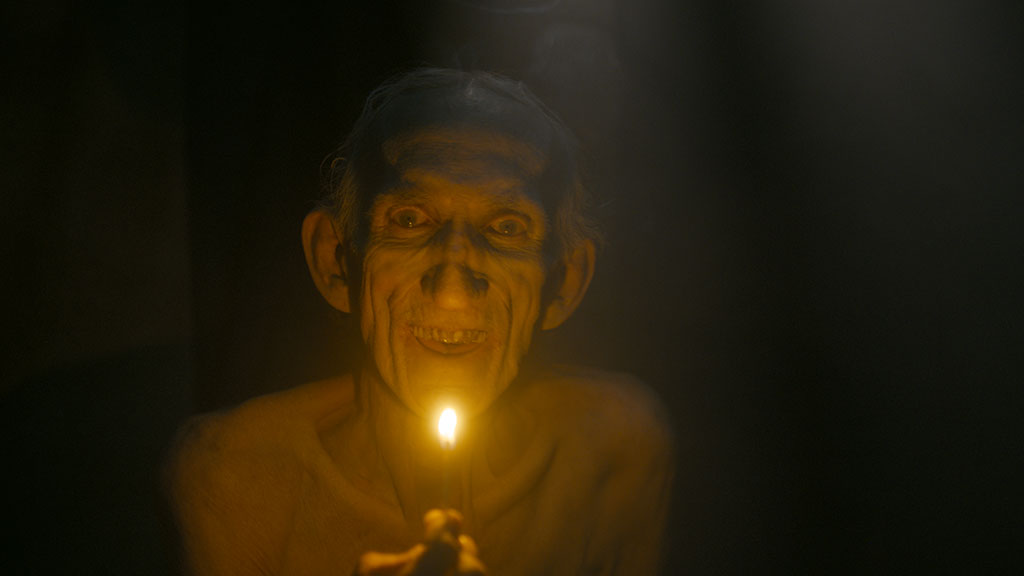
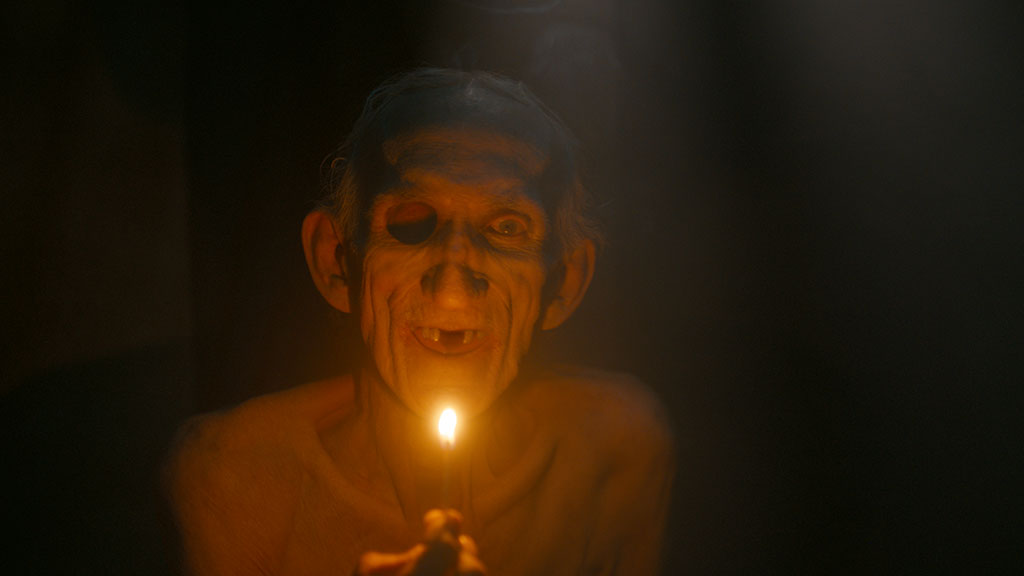
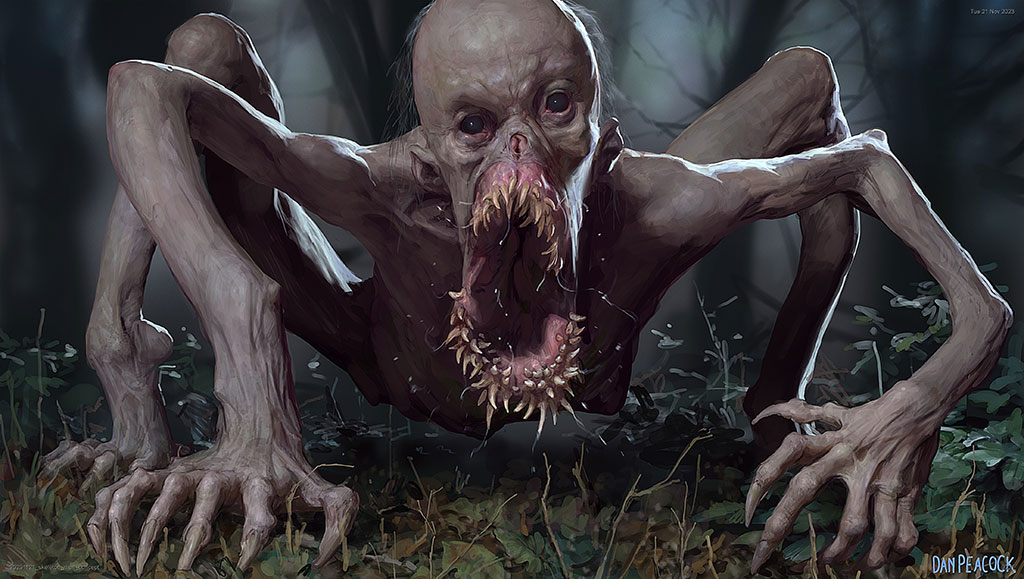
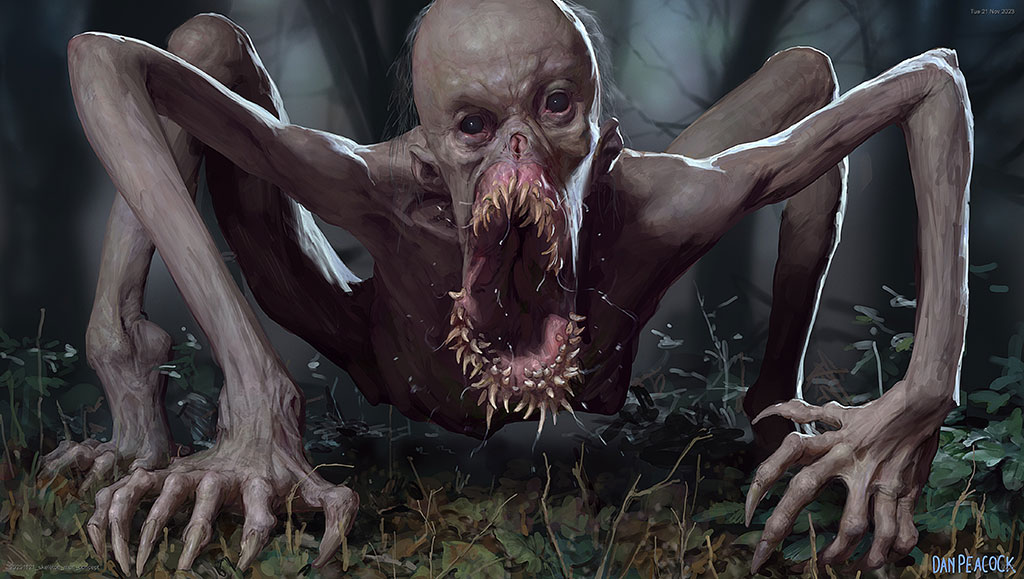
Influencing the animation process was the whole idea of the Skeleton Man as a product of a child’s imagination. “Peter Schoelier [actor] was already very thin, and you can see all of his bones, so we had a good starting point. Going into the development of that monster, he had the base of a contortionist,” remarks Ellen Hoffmann, Animation Supervisor at Digital Domain. “We had to figure out how he looks now, how does his face and body change, and how do you make him really scary at the end?” The Skeleton Man resembles a contortionist spider in its movements. “We had references for this,” Hoffmann explains. “We looked at a lot of horror movies to see how weird contortionists can be. The other thing was contortionists who work as artists. How do they move their body? How do the joints rotate? We had one reference where the person could flip their whole torso, which we actually ended up using. The Skeleton Man gets bigger, so we could change the design of the head.” A rigging system was complex. “We had a separate scale control for the lower and upper arms,” Hoffmann states. “It’s not only scaling up but getting longer and leaner.”
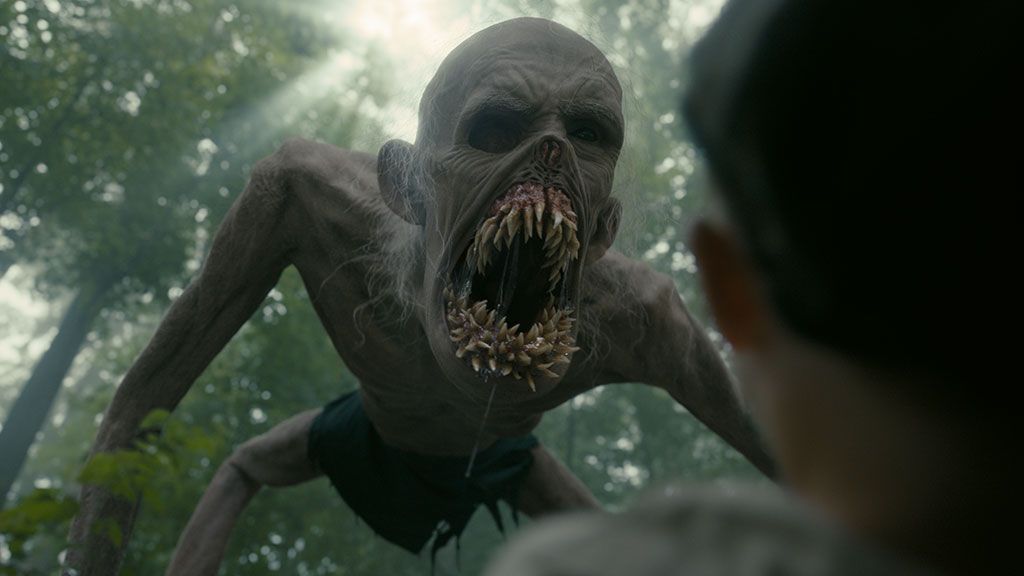
“For the first few shots, we’re doing a CG version of Peter [Schoelier, actor] running. As he’s running, suddenly his feet are long, his shoes have fallen off and he’s getting claws where he didn’t have any. You don’t necessarily see it happen all at once, but it’s there and is happening when the boy isn’t looking. Finally, there is the reveal shot when the Skeleton Man drops to all fours, turns into this horrible monster, and he’s in pursuit [of the boy].”
—Mitchel Drain, Visual Effects Supervisor, Digital Domain
Peter Schoelier was a visual effect all by himself. “At the carnival, we didn’t have to do much with him,” Drain remarks. “He gave us everything we needed.” The face of Peter Schoelier was resculpted to remove the teeth, tongue and create the skull eye. “That was all done with 3D modeling, texture, lighting and animation,” Drain explains. “The animation aspect was keeping these things consistent with the movement of Peter’s face because we couldn’t stick an eye socket in there and say, ‘Now it works.’ Because he’s moving and talking and things change shape, we had to match that.” Two things helped with the hollowed eye socket. “Since the plane of the back of his eye socket is deeper in 3D space, even though you only see it 2D on TV, you felt that parallax,” Drain states. “Then the lighting that matches and moving it around, and seeing the light on this plane verses on the [2D] plane created even more parallax. You really felt that depth. It was cleverly shot for that purpose.”
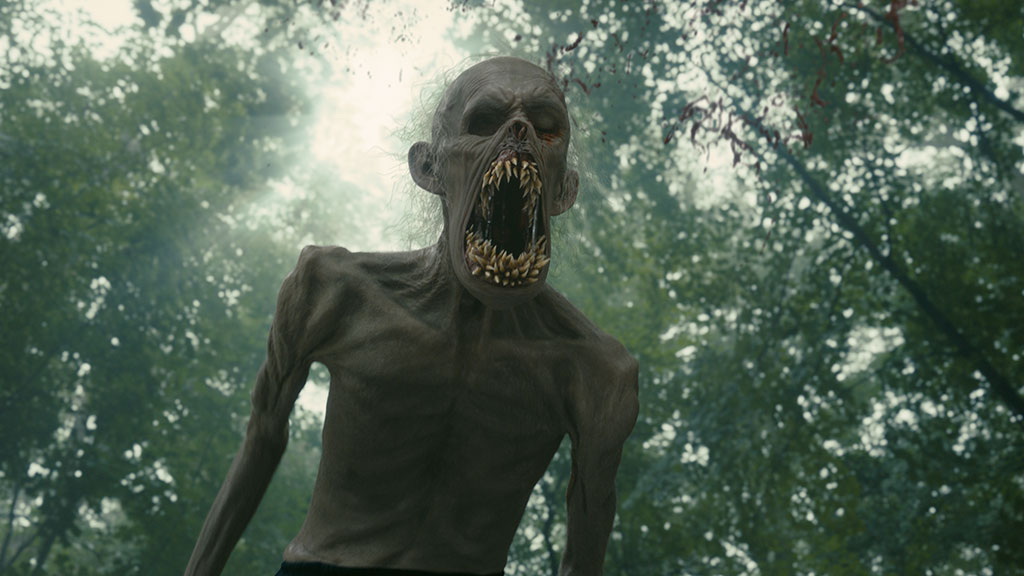
“When he turns into the Skeleton Man, most of the hair fell out, but the stuff that stuck around had to be long, move realistically, and not draw attention to itself. A great part of making it work was that Peter was wearing grayish-blue sweatpants, which had to get shortened down to shorts. We didn’t do a large amount of clothes flying off because the story isn’t about, ‘Oh, look, his pants fell off.’ What was important is that the audience believes the transformation.”
—Mitchel Drain, Visual Effects Supervisor, Digital Domain
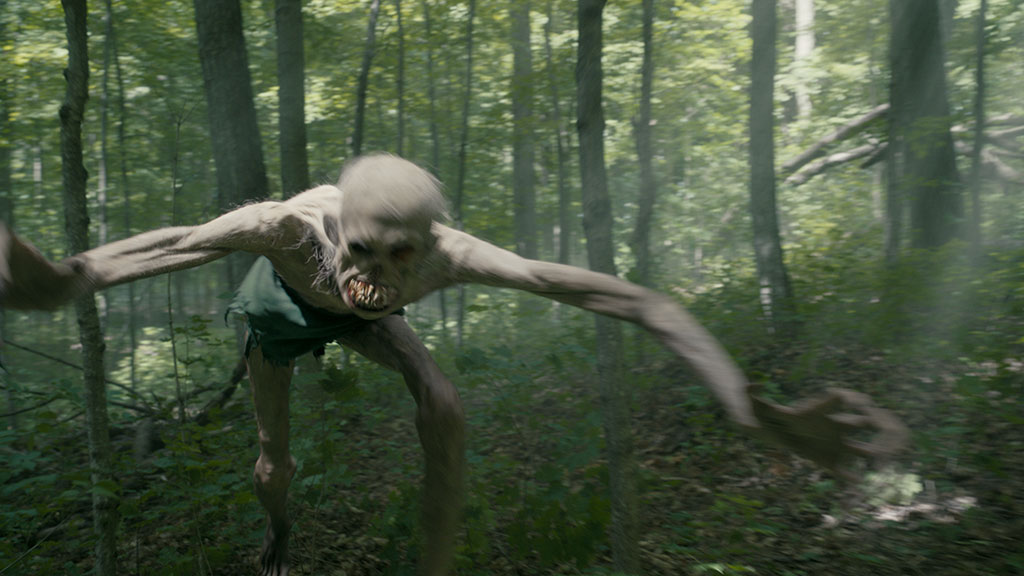
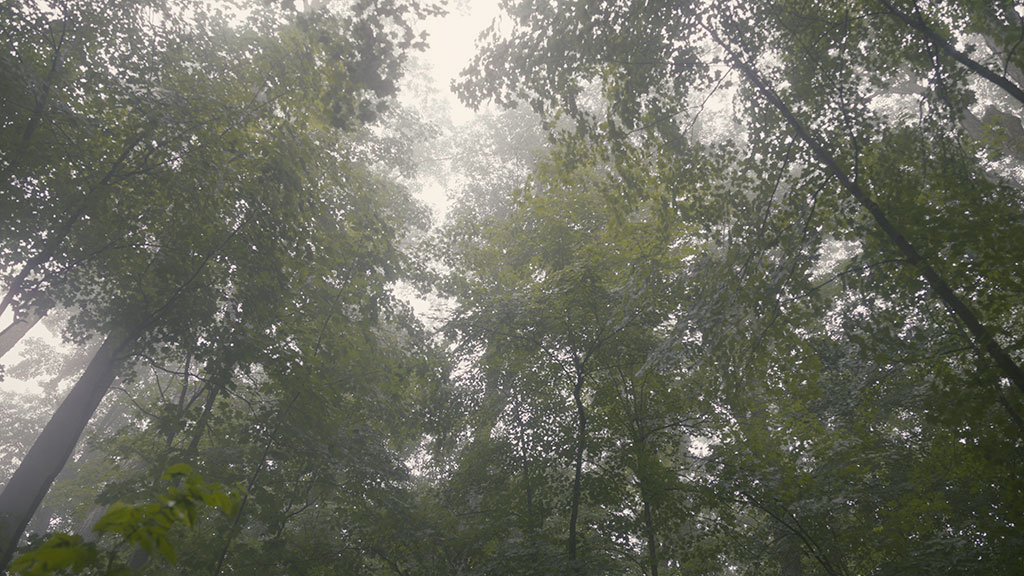
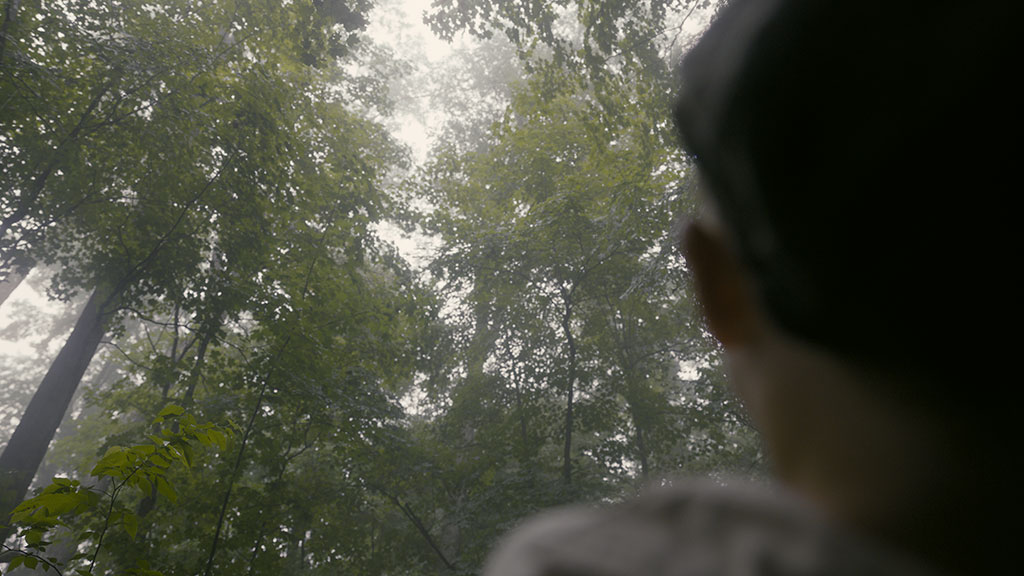
“Peter was shot out in the forest with the boy, doing his creepy thing, which gave us a great base to leap off of,” Drain remarks. “However, then the idea was that the problems and fears get bigger, more exaggerated and horrific. That had to be brought out through direction from the director [Andrew Bernstein] and reference videos from Daryl Sawchuck [Production Visual Effects Supervisor] that he would shoot and show us. The director understood that there is almost as much in what you don’t see in what you do see. It became this thing where we only see what the boy saw looking over his shoulder. For the first few shots, we’re doing a CG version of Peter running. As he’s running, suddenly his feet are long, his shoes have fallen off and he’s getting claws where he didn’t have any. You don’t necessarily see it happen all at once, but it’s there and is happening when the boy isn’t looking. Finally, there is the reveal shot when the Skeleton Man drops to all fours, turns into this horrible monster, and he’s in pursuit.”
Driving the motion of the digital double was the performance of Peter Schoelier. “In the beginning, we talked about how Peter was shifting his weight and uses his arms,” Hoffmann states. “We tried to match how he’s running, and once he gets into Skeleton Man, it gets more like a gorilla running.” Peach fuzz was generated through Samson, the proprietary hair grooming, simulation and manipulation system. “Light reacts a certain way to the density of flesh, and when you have these peach fuzz micro hairs on top that aren’t even visible to the human eye, those diffuse light in a specific way,” Drain observes. “If you can hit that correctly, you can get that difficult balance between the sheen and matte quality of skin. Samson was also great because it got us the hair. Peter had a hair style. When he turns into the Skeleton Man, most of the hair fell out, but the stuff that stuck around had to be long, move realistically and not draw attention to itself.” Clothes had to be accounted for during the transformation. “A great part of making it work was that Peter was wearing grayish-blue sweatpants, which had to get shortened down to shorts,” Drain reveals. “We didn’t do a large amount of clothes flying off because the story isn’t about, ‘Oh, look, his pants fell off.’ What was important is that the audience believes the transformation.”
Creatures screaming is a trademark of the horror genre. “Even when the teeth are in the face, they’re huge and ugly,” Drain remarks. “But when he opens that mouth, it’s almost like a flower retracting and constricting.” Animation got to deal with wayward teeth. “I remember when I saw the face rig for the first time, the team went, ‘Oh, my god! That will be fun,’” Hoffmann laughs. “Every tooth had a control. We have a system for a closed and open mouth. But when he starts screaming the whole shape of the mouth opening had to be correct. The teeth stuck through, so you had to animate them back or figure out that sometimes even the teeth have a little bit of a flicker. The gums were exposed and had bumps. Then the skin around the mouth got thinner with Skeleton Man, so it had holes beneath the nose. We had the normal controls for the FACS shapes as well as additional ones for all of these little things on the mouth. So, you can fix little bumps, move it a bit up or to the side so it makes sense, and gets thinner when he’s screaming and bigger when he’s closing the mouth. You have a flutter to the upper lip.”
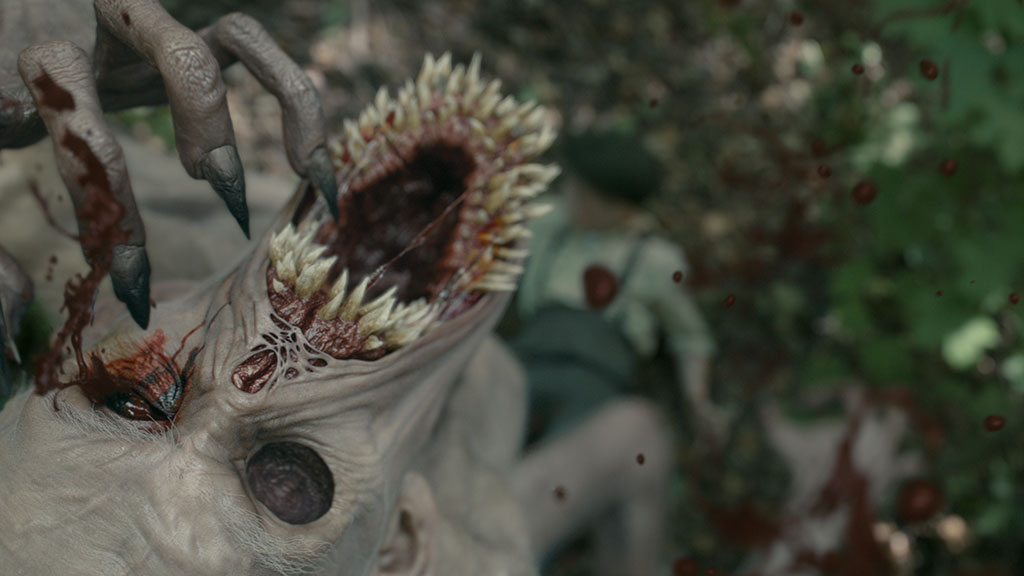
Blood floats in the air when the Skeleton Man gets hit in the face by a slingshot. “That was a nod to the It franchise in general,” Drain observes. “Pennywise’s blood floats. It is difficult enough to pull off practical blood, but then you have to defy gravity and have the translucency of blood, and react to light in the same [consistent] way. Fortunately, Daryl provided us with tons of reference of what the director liked, such as things that were done in the previous films and the lighting schemes for those effects. But interestingly, you have to light the blood and spit differently than you would light the character because the character is lit for the environment and to flatter that shape. Blood itself has to twinkle, catch light, and go in and out of shadow in way that the character doesn’t. It’s another whole round on top of these other disciples of art direction, trial and error, and iterating to get that to work.”
“Peter Schoelier [actor] was already very thin, and you can see all of his bones, so we had a good starting point. Going into the development of that monster, he had the base of a contortionist. We had to figure out how he looks now, how does his face and body change, and how do you make him really scary at the end? We had references for this. We looked at a lot of horror movies to see how weird contortionists can be.”
—Ellen Hoffmann, Animation Supervisor, Digital Domain
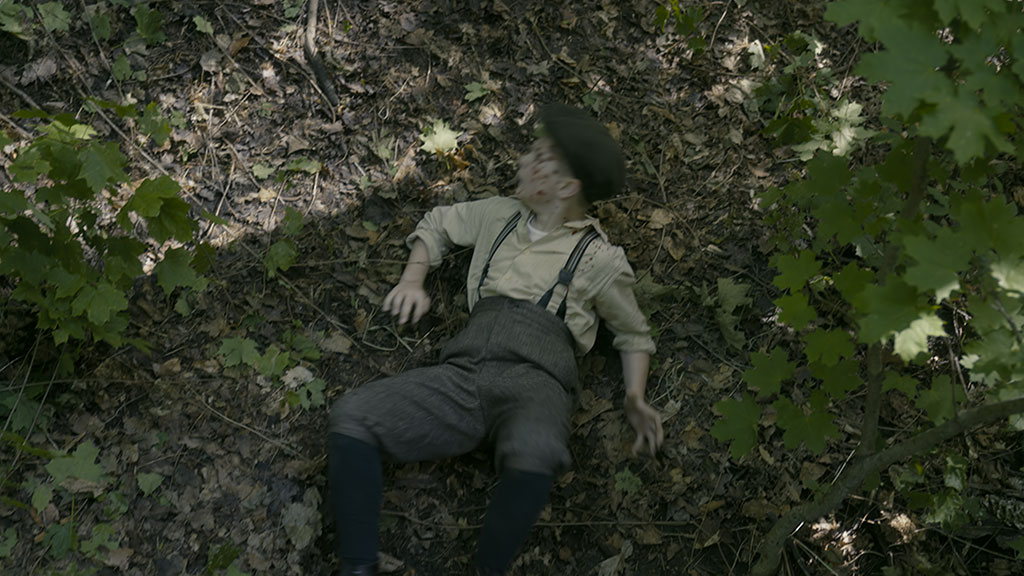
Despite having LiDAR scans and HDRIs of the environments, there were moments where it was not possible to capture the proper lighting conditions. “There is a shot where the Skeleton Man falls on all fours, goes under a fallen tree and pushes out the other side,” Drain states. “The HDRI was going to make him look good outside in your basic lighting, but once he goes under that stump, he has to cast shadows on everything around him and onto surfaces which he has to interact with. The HDRIs wouldn’t have gotten any of those shadows. Also, when he comes out, he wouldn’t have gotten the light hitting the ground and bouncing back under him. The lighting department has to assess and create interactive bounce lighting from the environment. Then the compositors have to go, ‘How much of this do you see? How bright would that light from the dirt come? How green would it be because we have a plant there?’ I give the compositors a lot of credit for the realism of the overall look simply because they could help adjust all of the focal differences.”
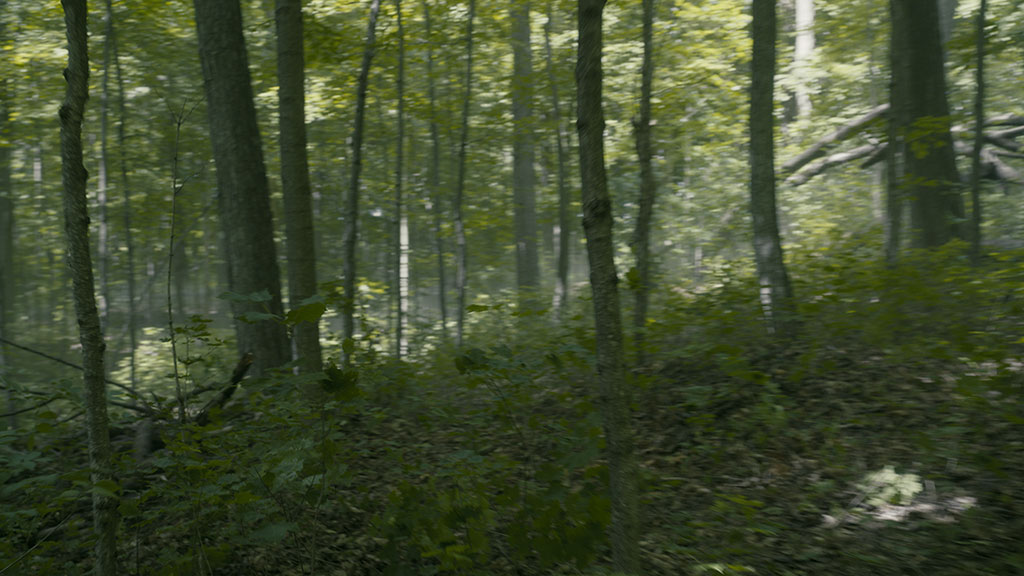
The shot where the Skeleton Man is running against the trees was difficult to animate. “The Skeleton Man can’t see well anymore at the end, so he’s stumbling through the forest,” Hoffmann remarks. “Just getting him running fast, following the boy, making him heavy and stumbling against trees is a lot of fun for animation. It went back and forth to figure out how heavy the Skeleton Man is. You can’t make him too heavy because, with these long bones, it doesn’t make sense. But you can’t make him too light. There was a balance of figuring out when he runs against the trees, how strong does he bounce back when he falls down? What is the speed of the falling down? How much speed does he need to get back up again? And what does he need in the pushing-up motion to actually get up again? It had to look realistic compared to the body.” The biggest challenge was the extremely high standard set by the client, “in the best way possible because that’s what pushes the work,” Drain states. “The standards were high, and we didn’t have unlimited resources. We had to be creative, nimble, and be able to change and move as quickly as the director’s mind moved. We did, and I’m proud of that.”
Watch a seemingly frail old man transform into the ghastly Skeleton Man during a tense chase through a forest in Digital Domain’s VFX breakdown of their teamwork on It: Welcome to Derry, The VFX team used advanced techniques in character design, animation and compositing to create this unsettling figure, enhancing the horror atmosphere integral to the narrative. Click here: https://www.youtube.com/watch?v=HJI6Bu_L3JA&feature=youtu.be