Images courtesy of Peacock.

Images courtesy of Peacock.
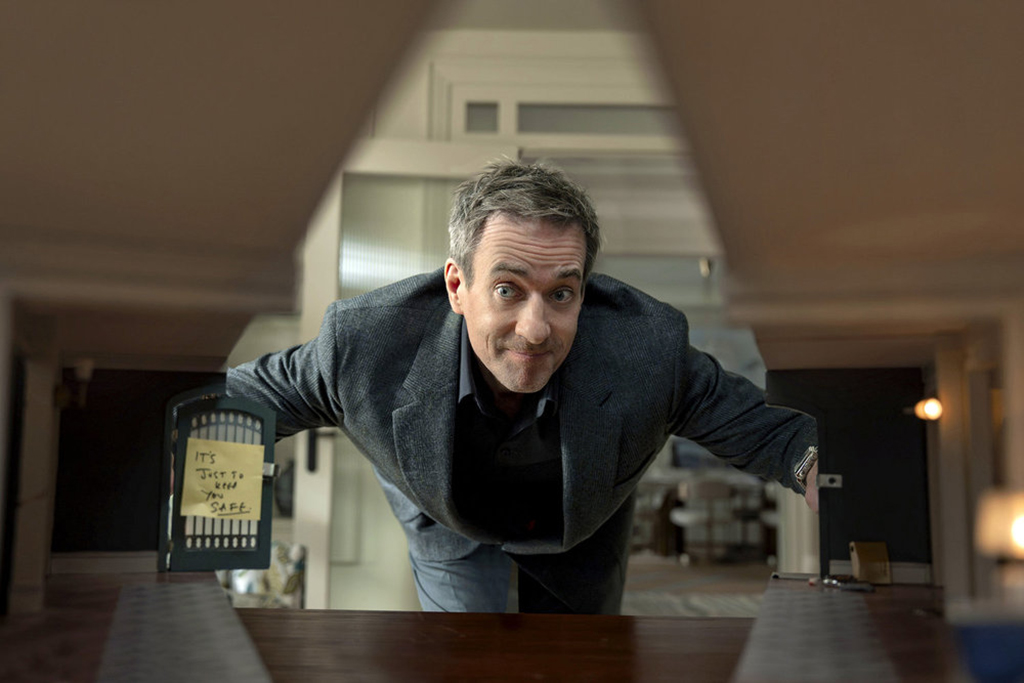
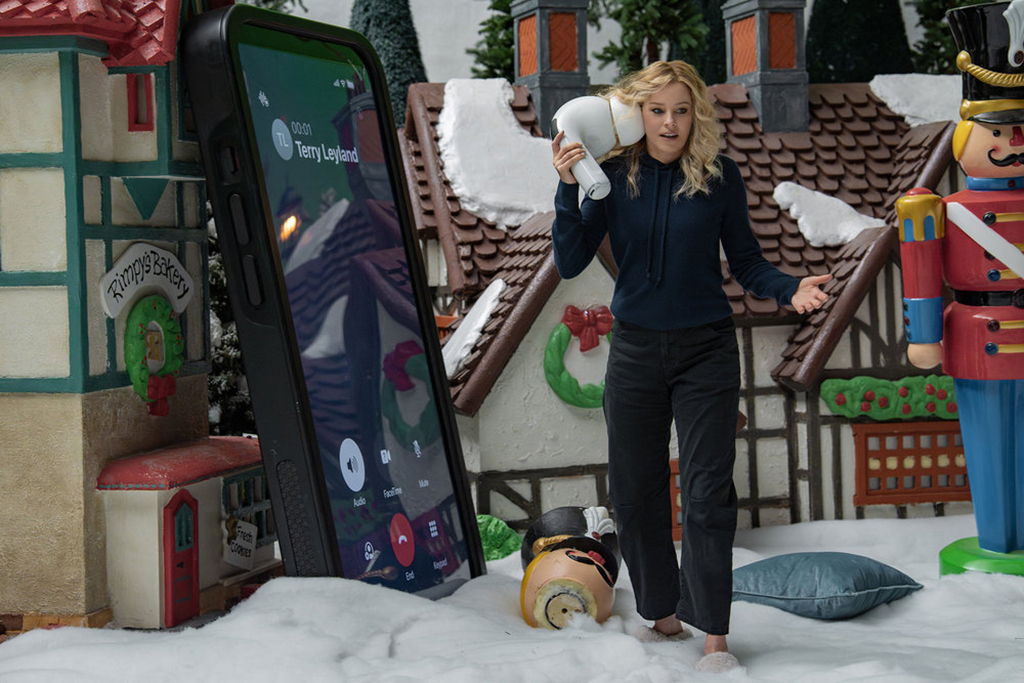
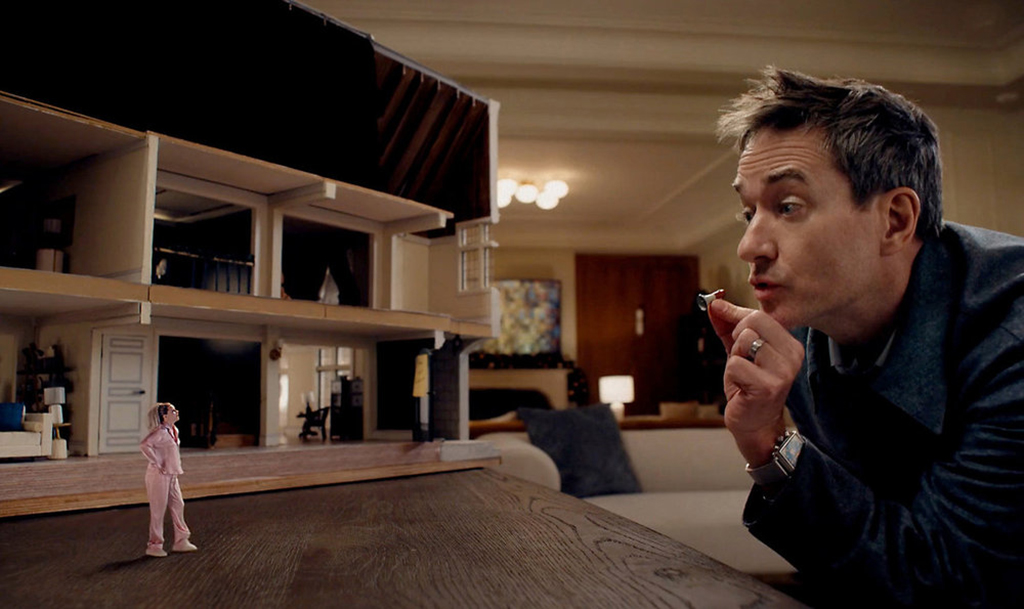
Taking the metaphor of one spouse making the other feel small to its literal extreme, the Peacock series The Miniature Wife, created by showrunners Jennifer Ames and Steve Turner, explores a marriage defined by unequal power. Based on the short story by Manuel Gonzalez, the Apple TV romantic comedy-drama series stars Elizabeth Banks and Matthew Macfadyen as Lindy and Les Littlejohn, a couple whose relationship troubles are magnified after an industrial accident causes Lindy to become six inches tall.
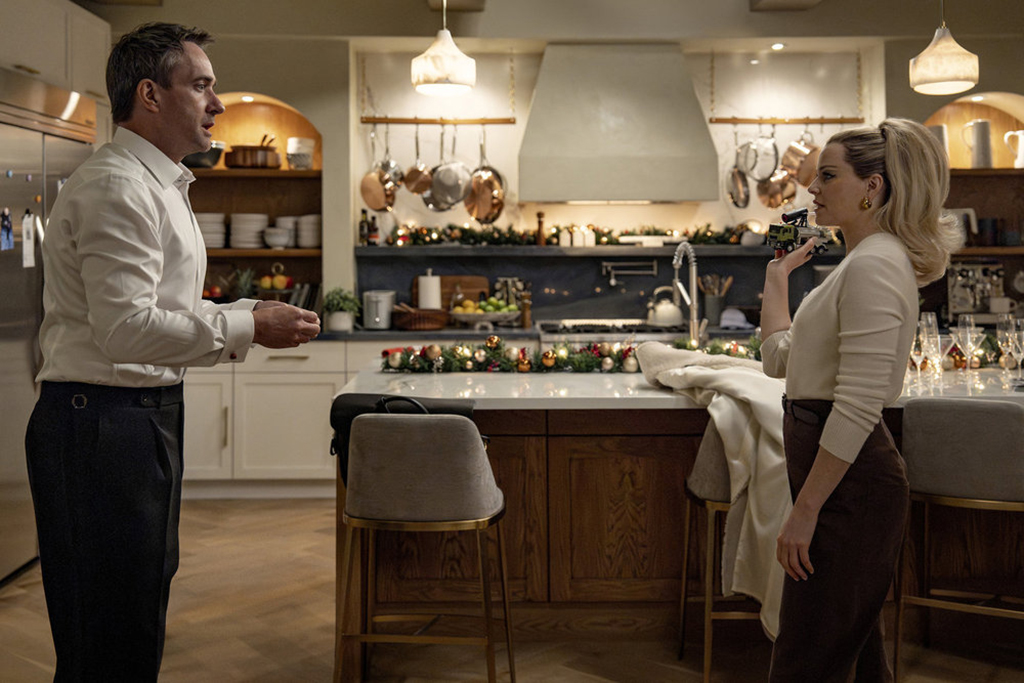
To fully embrace the miniaturization for 10 episodes, Visual Effects Supervisor Ashley Bernes (Severance) was hired to supervise 3,000 visual effects shots created by Mavericks VFX, Zoic Studios, Tippett Studio, SPINVFX, Mr. X, Pixomondo and an in-house team. “A good amount of prep, shooting and post-production were happening at the same time,” Bernes states. “Naturally, it’s complicated, but it’s what we do, and along with the volume that today’s shows demand, we get it done. Thankfully, I had a great team on the client side, and I couldn’t have done it without them. Shout out to Ziggy, Adam, Aiden, Kelly and Craig, Scott and Cole.”
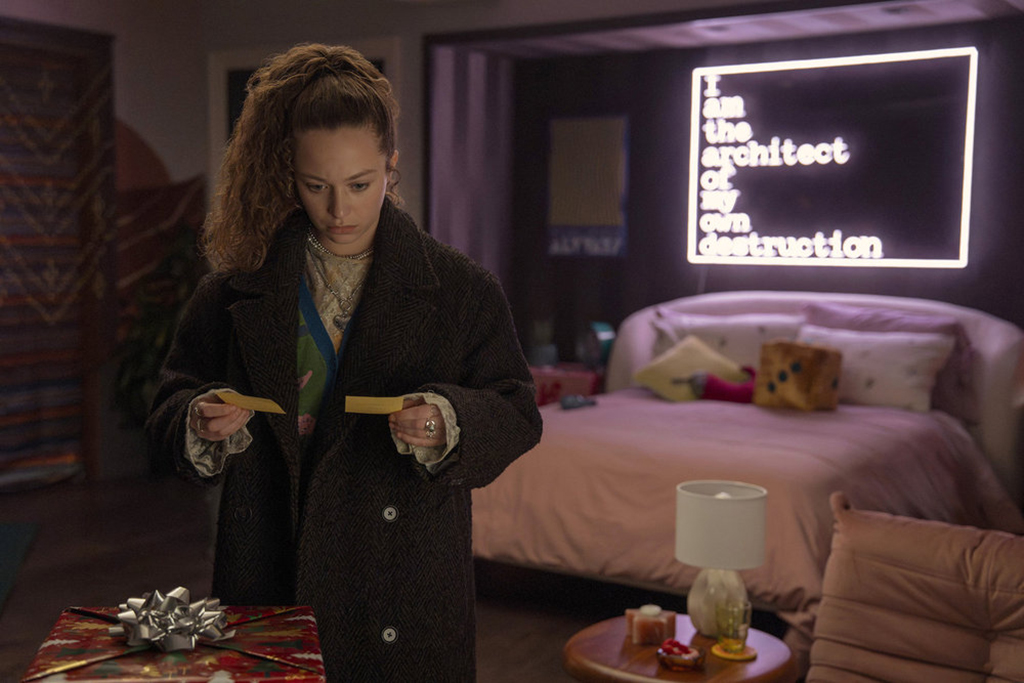
Managing the scale issue was an ongoing concern throughout production. “One sequence in particular required us to have Lindy in her miniature form riding a toy train around a regular life-sized Christmas tree,” Bernes recalls. “Given our show is called The Miniature Wife, my eyebrows raised when reading this in the script early on, due to the challenges with representing multiple subject scales within the same frame at once. Before I officially started, inquiries were already flying around for this sequence. How would we do it? While I didn’t have many of the answers yet, I wanted to at least take aim at an in-camera solution before reaching for the CGI Fridays edition of this potential spectacle. Either way, we knew this would be a big creative and technical challenge, so all eyes were on it. Skip ahead to prep and working closely with our director, Greg Mottola, we had storyboards crafted for the sequence so we could [create] a previs to [answer that] initial question of ‘What are we trying to do?’ before we got into the ‘how.’ Once we narrowed down the goals behind the frames, I could get creative with camera language and moves to see what stuck. The sequence was going to be covered through a variety of angles, some with moving cameras.”
“We were dealing with motion control, looking at different rigs and their speed and distance limitations to ensure we had the right space requirements onstage to execute both the background plate and actor plate requirements, respectively. Where we landed was using the Bolt system on track to program a camera move in the real world that would not exceed our capabilities in the small world to capture our toy train with our camera, as defined in the previs as ‘Part A,’ with ‘Part B’ at a later date being Lindy’s performance.”
—Ashley Bernes, Visual Effects Supervisor, The Miniature Wife
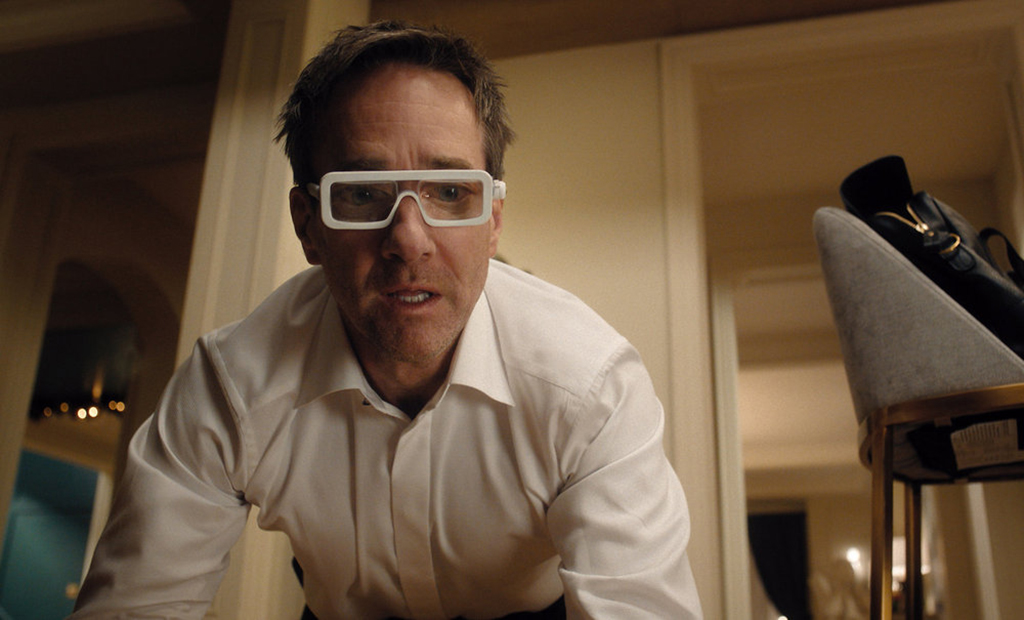
The 12:1 scale ratio complicated matters. “Lindy, when miniaturized, is 12 times smaller than her regular-sized self. Any real-world camera movements made in our big world needed to be scaled up 12 times in the small world to maintain our correct scale relationship,” Bernes notes. “With a moving camera, and in our case, a moving train, that’s 12 times the distance, covering it at the same amount of time. So, in other words, fast or too fast if not planned correctly. I didn’t want to back myself into a position where I was showing the creatives what we couldn’t execute. After we had broad strokes established in the previs, we built out a comprehensive techvis, working in parallel with the creatives to get into that critical ‘how’ part of the process. Creatively, the opening of the sequence features a dynamic camera move that tracks across an empty train track, tilting up as it pulls back to reveal Lindy gaining on the camera in a hero portrait, riding the toy train like horseback. The camera dynamically moves to a full-body profile, letting the train go to reveal Les in his full giant form, lying on the floor watching her go by. The cherry on top of the challenge was that this all takes place within a single camera move – uncut, one shot.”
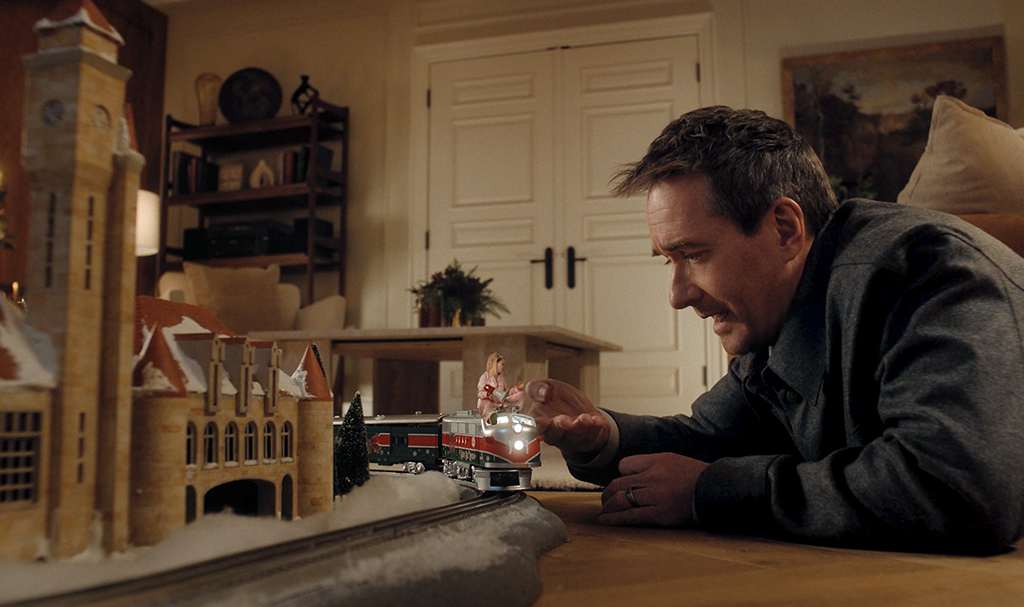
Numerous calculations, measurements and meetings were conducted. “We were dealing with motion control, looking at different rigs and their speed and distance limitations to ensure we had the right space requirements onstage to execute both the background plate and actor plate requirements, respectively,” Bernes remarks. “Where we landed was using the Bolt system on track to program a camera move in the real world that would not exceed our capabilities in the small world to capture our toy train with our camera, as defined in the previs as ‘Part A,’ with ‘Part B’ at a later date being Lindy’s performance. This B-side was anything but just a greenscreen plate. Due to the demands of the creative, we needed to explore ways to increase the limits and capabilities of what the high-speed Bolt system could give us.”
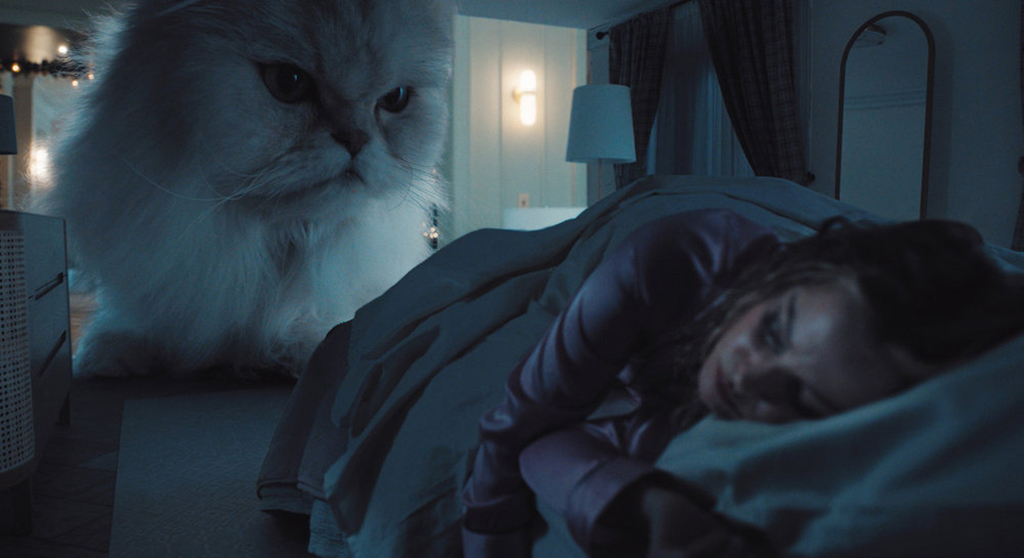
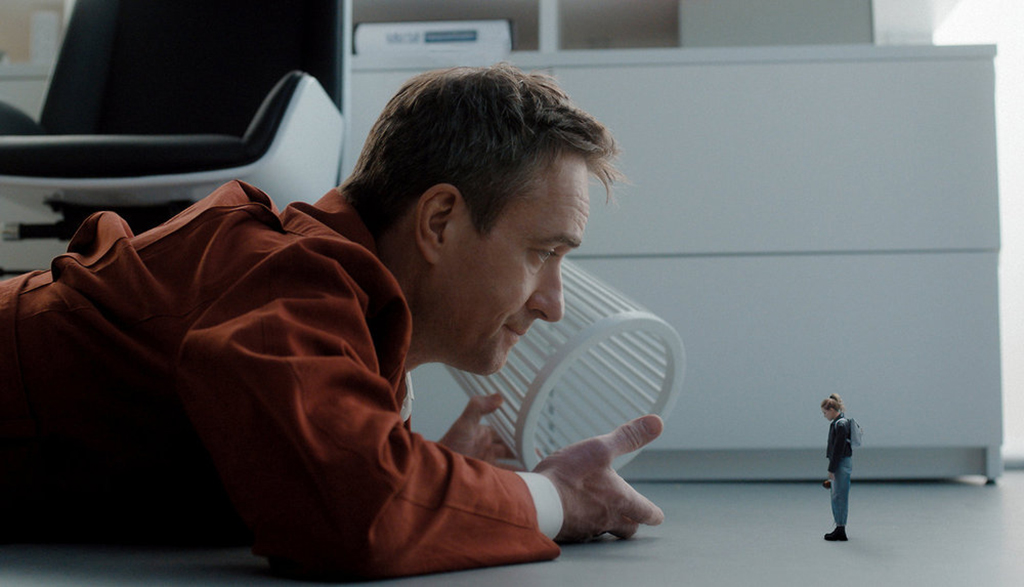
“We had people in hands, a giant housefly duel where Lindy and the fly fought to the death, a playful miniature cat, exploding buildings, car rides, giant LEGO innovations, scooter rides and more. Our partners rebuilt backgrounds where creative demanded, interactively lit and integrated shots as needed, and, in the case of one entire episode, changed the season from summer to winter, reinventing backgrounds and locations altogether. The sum of all the parts made this hugely collaborative, technical and creative puzzle a joy to be part of.”
—Ashley Bernes, Visual Effects Supervisor, The Miniature Wife
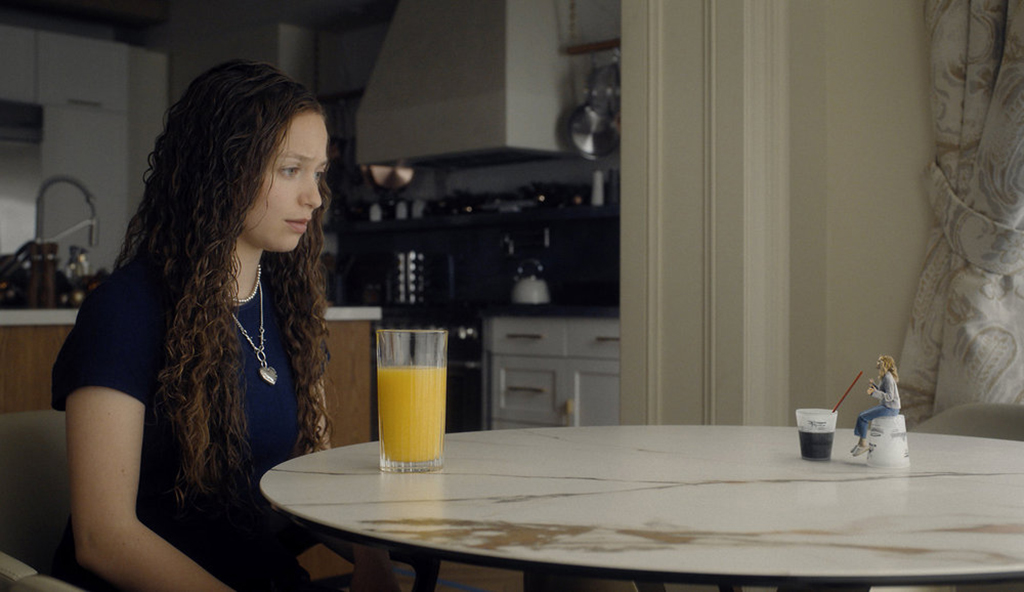
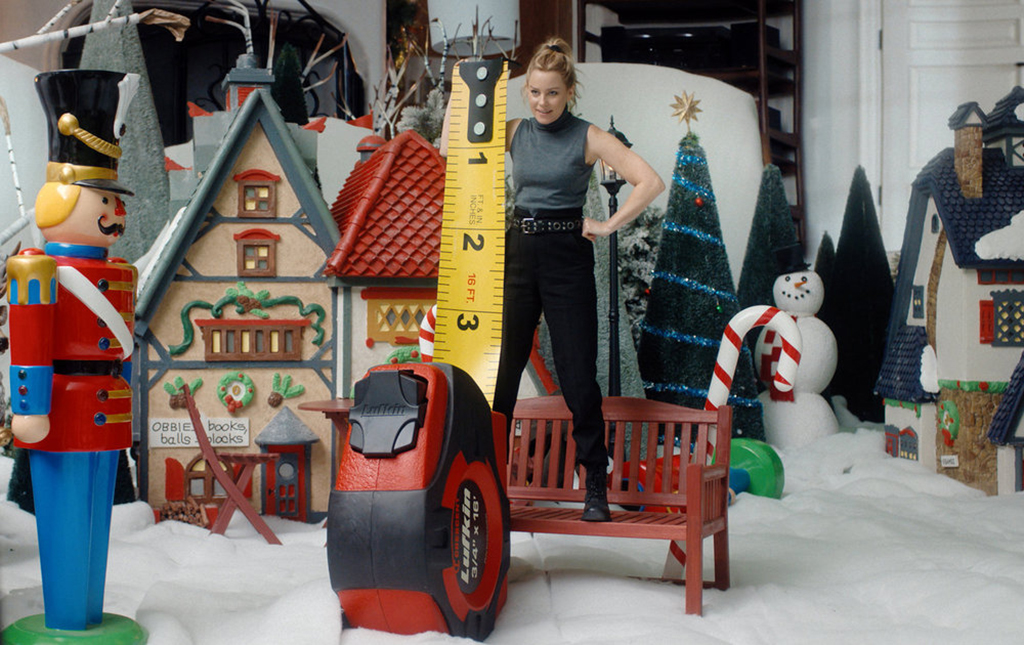
Mike Innanen (The Invisible Man) and his special effects team played a critical role on the show. “We took advantage of utilizing a six-axis programmable turntable, the data of which also came from our techvis to compound move with the Bolt arm, giving our buck and, in turn, Lindy, the appearance of greater speed and distance than we were able to achieve natively,” Bernes explains. “You can see how just getting to the point where you can direct an actor gets tricky fast with all the variables of working at multiple scales. Thankfully, we were able to hand it over to our director and actors to deliver the most important part of this process: the performance. I’ve talked a lot about production-related challenges when asked about a visual effects shot, but many talented artists were part of the prep, tech and execution of shooting this. None of this can diminish the stellar work our vendors implemented in post to integrate all the elements together seamlessly.”
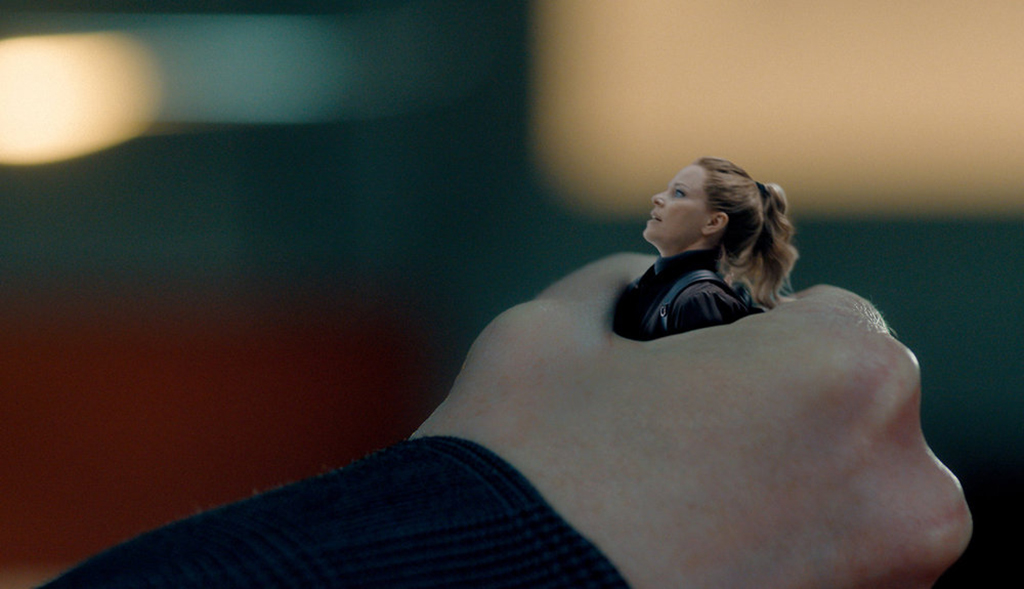
Bernes continues, “I talked about the challenges with the train sequence, but this was just one of many tasks we faced within the show. We had people in hands, a giant housefly duel where Lindy and the fly fought to the death, a playful miniature cat, exploding buildings, car rides, giant LEGO innovations, scooter rides and more. Our partners rebuilt backgrounds where creative demanded, interactively lit and integrated shots as needed, and, in the case of one entire episode, changed the season from summer to winter, reinventing backgrounds and locations altogether. The sum of all the parts made this hugely collaborative, technical and creative puzzle a joy to be part of.”