Wes Ball: From VFX Newcomer to Major Film Director
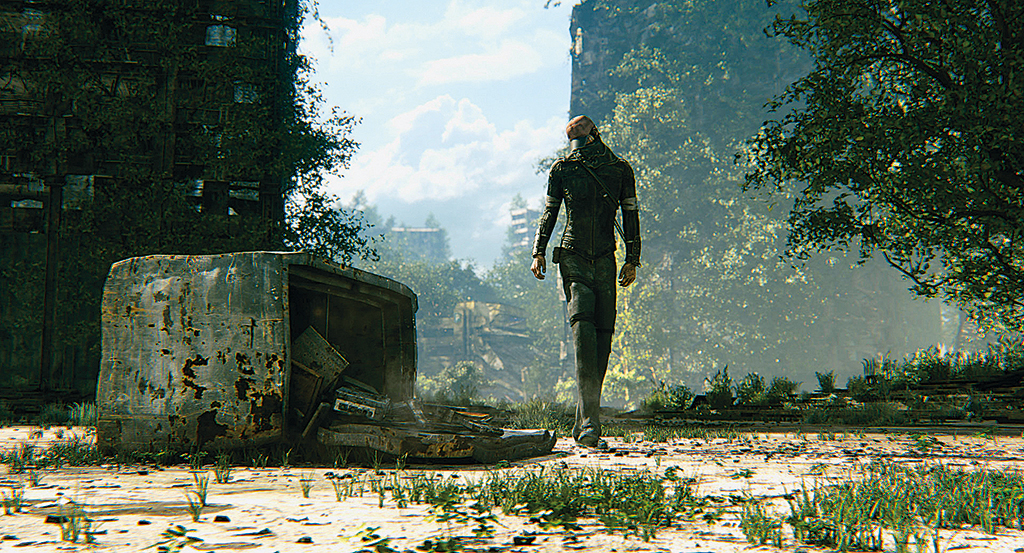
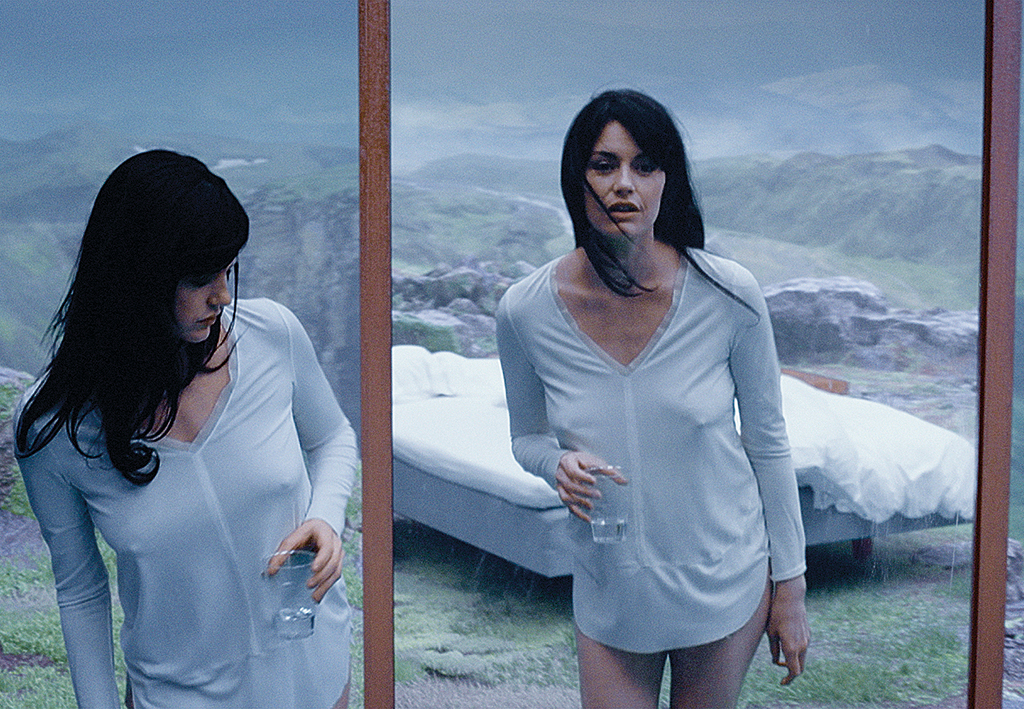
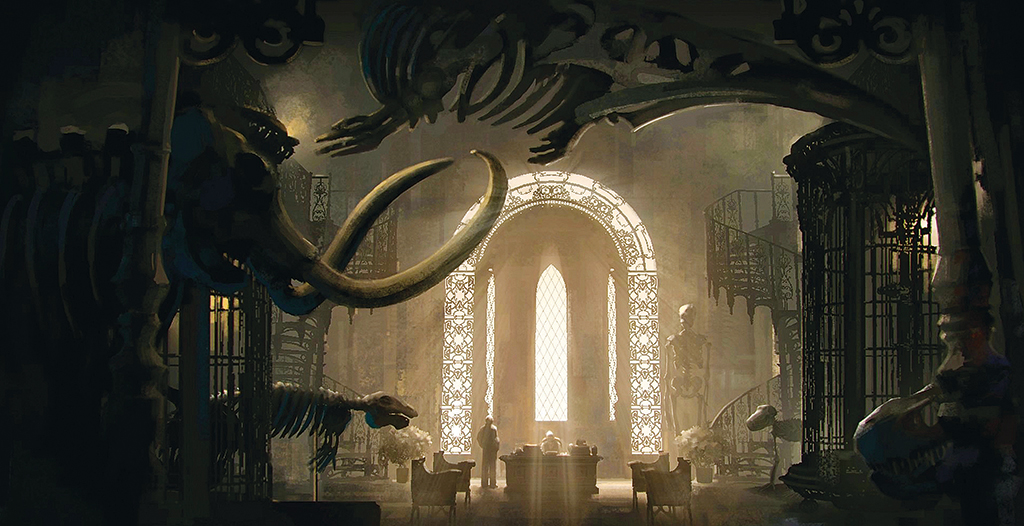
Ball’s RUIN short, a CG-animated race through a post-apocalyptic landscape, quickly caught the attention of studios and fans alike. (Image courtesy of Wes Ball)
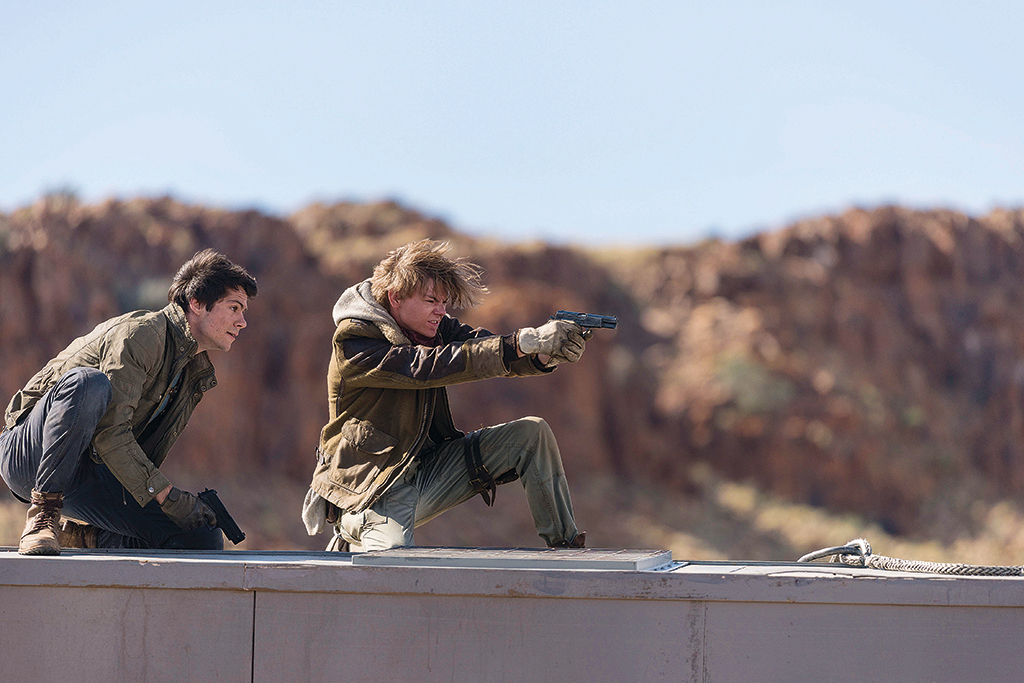
One director who has successfully made the transition from visual effects and animation to major feature films is Wes Ball, now with three VFX-heavy movies under his belt in the Maze Runner trilogy, based on the James Dashner novels.
Ball gained attention with his fully CG-animated short RUIN, set in a post-apocalyptic universe. Twentieth Century Fox then brought the director on board to helm the first Maze Runner film in 2014. The third movie in the trilogy, The Death Cure, released in February. Ball discussed his experience moving from indie VFX and animation to large-scale features.
VFX Voice: What was your first film, VFX or animation project ever?
Wes Ball: I guess, technically, it was a little short in high school I did with friends called The Bot. I know, super-creative title. It involved a student alone in high school hallways being chased by a mysterious flying robot. Nothing much happened, but it was my first attempt at marrying CG animation into a video plate. I used Lightwave 3D when it had just become a standalone application from its Video Toaster days. Fun stuff. My first animation project was a short called A Work in Progress. This was my thesis film in film school. It was my first attempt at full CG filmmaking. It can be found on YouTube for anyone interested.
VFX Voice: How did RUIN help you in terms of learning about creating worlds, directing and pitching projects?
Ball: RUIN was a pretty big deal for me. It basically launched my career. It came from the culmination of several previous short films and VFX projects and pitching other movies around that time. I had a very broad sense of a big story that RUIN came from; I just attempted to bite off a small piece from the opening of that story.
It definitely helped show people I knew how to move a camera and make something exciting to watch. And it certainly helped having a much larger story for RUIN when I wound up in various producer and studio offices around town. But I should say, I didn’t originally intend RUIN to be a short to ‘pitch’ or ‘sell’. I genuinely just wanted to make something and get it out of my head. I figured something good may come out of it, but I never dreamed it would be the thing that ultimately gave me a shot at directing a studio movie.