
In today’s global VFX industry, studios team up across continents, countries and cultures to deliver visual effects for film and television productions. Needless to say, when different languages and nationalities are involved, there is a risk that some things can get lost in translation. Therefore, studios often call upon multilingual artists and use various tools and strategies to bridge language and cultural gaps at work and across facilities.
“At MR. X, we work with artists, producers and technicians from more than 15 countries, as well as clients and suppliers from diverse backgrounds,” notes Mark Hammond, a VFX Supervisor at Toronto-based MR. X. “That means we deal not only with language and cultural differences but also with variations in how teams understand new tools, workflows and fast-changing terminology. Even small misunderstandings can slow things down when people are spread around the world and communication windows are short.”
One of the most effective ways to close those gaps is through visual communication. Hammond states, “Clear references, annotated frames, previs, techvis, and even simple sketches can get an idea across far faster and more accurately than text alone. Visuals cut through language barriers, reduce confusion and give every team a shared target to work from, which helps keep complex projects running smoothly no matter where everyone is located.”
Hammond recalls, “Recently, MR. X worked on a commercial filmed in Mexico with a Spanish-speaking crew, and every day we had to bridge the language gap. It was a very technical shoot and technical terms do not always translate cleanly. Having native speakers on the crew is incredibly helpful, but the bigger factors are the team’s patience and awareness. Listening carefully, repeating information back and ensuring everyone shares the same understanding are essential, whether or not it is done through a translator.”
“As we’re all marching toward the same goal of producing stunning, groundbreaking visual effects, it’s important that artists and producers alike bring fresh points of view to the table – this can lead to a better understanding and execution of the visual language. Our creative work would suffer without our diversity!”
— Olivia McLean, Executive Producer, Mathematic Studio
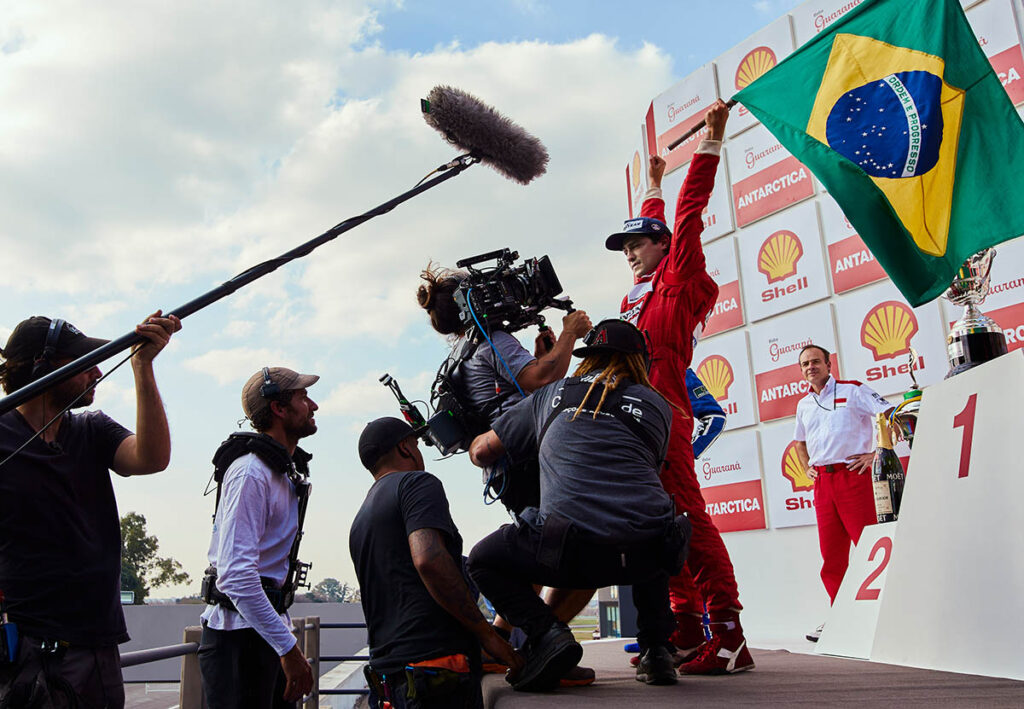
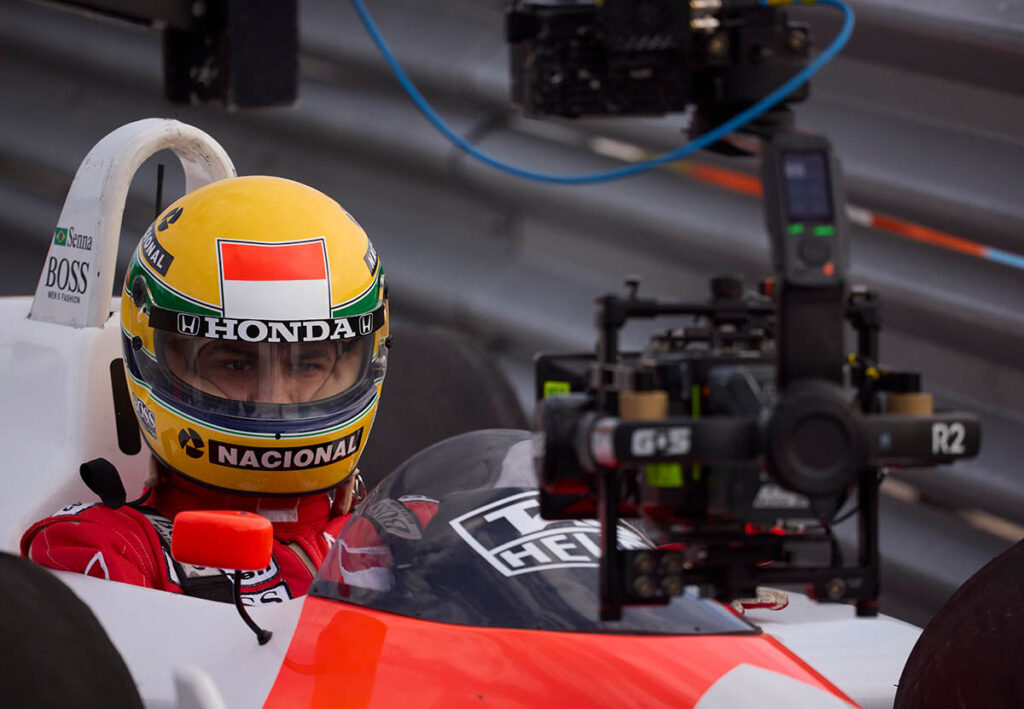
English, Portuguese and Spanish speakers worked on the practical and visual effects for Netflix’s Senna, a series about the legendary Brazilian Formula 1 driver Ayrton Senna. Scanline VFX (owned by Netflix and now merged with Eyeline) contributed 390 shots. NetFX, a global network of VFX talent working under the Netflix umbrella, contributed 725 shots to the series. Quanta, Picma Post and Miagui were Brazilian vendors. Eyeline VFX Supervisor Craig Wentworth remarks, “On set, it was remarkable observing how well the Argentine [Spanish-speaking] crew collaborated with the Brazilian [Portuguese-speaking] production team. In this case, the glue between everyone was the showrunner and director, Vicente Amorim, who is fluent in both languages, as were many of the crew on both sides. For me, I spent a lot of time learning key phrases with the crew members I spent most of my time with and leaned heavily on my Brazilian colleagues who spoke English and could translate for me at key moments.” Wentworth adds, “For the VFX work, English ultimately was our universal language. For the latter stages of production – the virtual production shoot in São Paulo and the VFX work we managed from Vancouver, we worked with Brazilian vendors and teammates who spoke English very well. If someone didn’t quite understand the note or the direction, there was always someone on our team who could translate on my behalf.”
Wentworth notes, “Senior producers help out as technical or cultural translators in international productions [and] facilitate communication between diverse teams. On Senna, we had a brilliant Digital Production Manager [Karina Zambelli], who hailed from Brazil and not only led our Vancouver team, but also groomed the Brazilian crew we hired to help manage the VFX. That cultural connection was a big advantage.”
“As an American working in France, and someone who has worked with a range of international clients, I’ve found that for the most part [the majority in our industry] knows at least basic English,” observes Olivia McLean, Executive Producer for Mathematic Studio. “For calls that become very technical or detailed and require a thorough understanding across requests or complexities, both client and vendor sides are typically mindful to bring on someone who can help act as a translator for their respective team on the call. Visual artists who speak multiple languages not only can ease the communication process of a project but, more importantly, knowing a variety of languages unlocks a better understanding of different creative languages, tastes, cultures and references. I’ve worked across studios in the U.S., U.K. and now France, and without a doubt, I’ve seen the stark differences in creative processes and even tastes across these three territories. As we’re all marching toward the same goal of producing stunning, groundbreaking visual effects, it’s important that artists and producers alike bring fresh points of view to the table – this can lead to a better understanding and execution of the visual language. Our creative work would suffer without our diversity!”
“These days, it is standard practice in Asia to employ members of your own team who are multilingual, especially those in senior or client-facing roles,” remarks Dayne Cowan, Founder and CEO of Singapore-based Kraken Kollective, who has worked in Asian VFX for over 30 years. “Our partners do the same. You’re also not just dealing with a language gap, but a culture gap too. They are deeply intertwined. We have specialized in bridging this gap. In the past, we tried using various online translation services and tools, but important information would often get lost. Those services are getting better, but they are still cumbersome and often inaccurate. With translators, you could get most of the creative brief and requirements communicated to the artist, but the finer details and subtleties were often completely lost or misunderstood. To solve this, we used techniques like using annotated images and tools to give more immediate visual feedback that rises above any language, especially those that allow us to review and sketch onscreen in real time during remote sessions.”
Cowan continues, “For animation, physically acting out the motion and timing frequently helped to overcome any language misunderstandings. The French director Jean-Jacques Annaud worked with us in Beijing on the film Wolf Totem, and this was how he got his message across, speaking no Mandarin.” The biggest problems usually come not from the language itself, but from cultural differences, according to Cowan. “Understanding the culture is a key component of overcoming a language gap. There are many languages in Asia, but we are fortunate that the point-of-contact seniors in our partner companies are all multilingual, and they speak English as an industry base line in much the same way as in aviation. It is a key requirement of their role because most are looking to work with Western companies or have done so in the past. Many have trained overseas to reach senior levels [VFX Supervisor/Producer]. In turn, these seniors then handle local language translations [for] their teams. There is still room for error, so it relies on having good partners, and it took us many years to establish our network.”
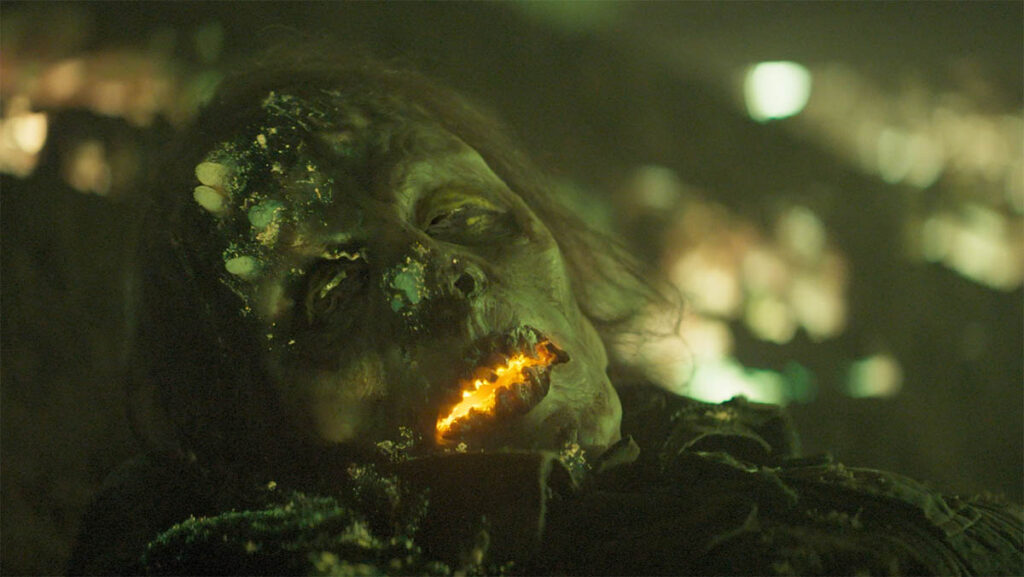
VFX software tools can sometimes provide adequate technical documentation for non-English languages. Cowan notes, “Some do, some do not. Localization of software is not always a priority for software companies, and language choices depend on where their market share is. Most lead artists in Asia are multilingual, so they are often the key point of contact for translation. When we hired very skilled language translators from outside the industry, they usually took three to six months to learn all the technical jargon. Fortunately for them, a lot of industry-specific terms like ‘ambient occlusion’ or even ‘rendering’ have no local equivalents, so the artists just used the English form.”
Multilingual artists and production staff bring far more than language skills. “They offer the ability to understand cultural grammar, narrative nuance and the visual references that shape a project’s identity,” says Hyejin Kim, Chief Strategy Officer for Seoul-based Dexter Studios. “Their ability to interpret not only what is said but what is meant leads to clearer communication and fewer misalignments. This is especially critical when a project involves culturally specific narratives, design motifs or historically-rooted aesthetics. By accurately translating visual intentions – rather than just words, these artists help preserve the cultural integrity and authenticity that global audiences increasingly expect. They often become the key facilitators who connect creative vision with faithful visual execution.”
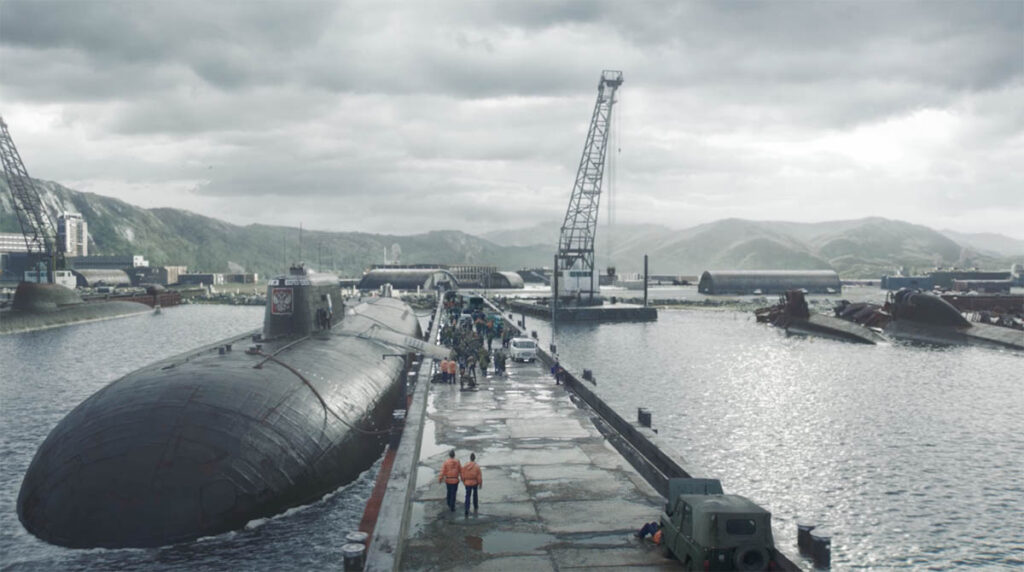
Kim continues, “At Dexter Studios, our strength lies in visual-based communication. Complex technical directions or creative concepts are often more efficiently conveyed through reference material, tests and previs, rather than verbal explanation alone. This approach functions as a universal visual language that transcends linguistic barriers.” Dexter also maintains a team of multilingual producers and project coordinators fluent in English, Chinese and Japanese. “They are not only translators; they are full-spectrum communicators who deeply understand production workflows, technical requirements and client expectations. They operate on the front line to keep our international partnerships aligned and friction-free. Together, our visual communication philosophy and global production staff create a powerful dual system that supports both technical accuracy and cultural clarity,” Kim states.
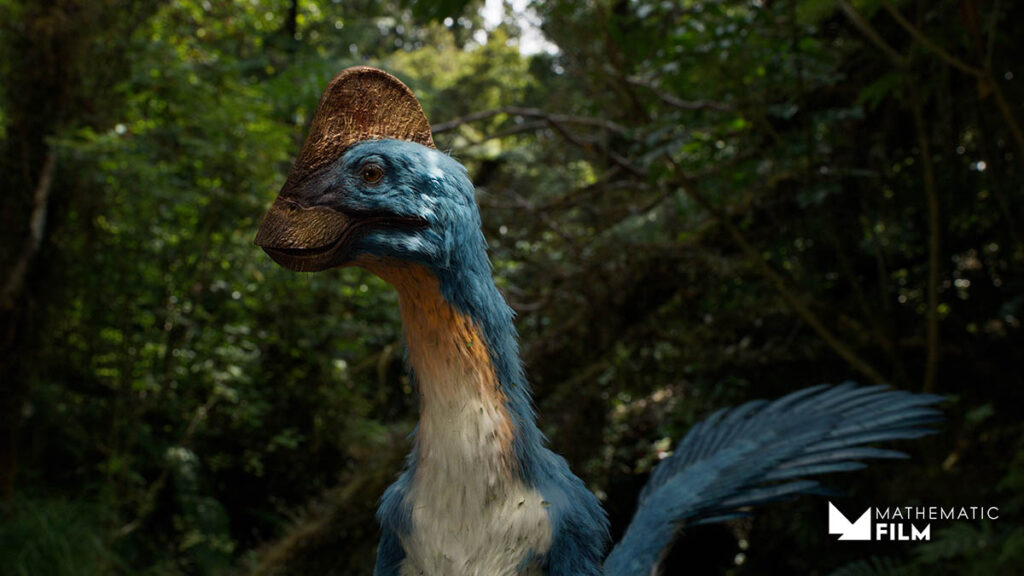

Based in Kuala Lumpur, Peter Riel, CEO of Basecamp VFX, remarks, “I have studios in Malaysia and Vietnam, and while Malaysia is easy as all artists are quite proficient in English, Vietnam is the total opposite. I had to develop a specific workflow pipeline software that has built-in Vietnamese-to-English real-time translation. All communication between me, the producers in Malaysia and the Vietnamese artists happens through text and screenshots with annotations.”
Sometimes, Asian VFX producers “can [add] another layer of misunderstanding, especially if they are not brought up from the artist pool, which most are not in SEA [South East Asia].” Riel explains, “If I work with studios I’ve not worked with before and get a translation layer that does not speak VFX, I usually befriend the senior VFX person in the team and use various tools to communicate directly with them. We might not share the same language, but we do both speak VFX.”
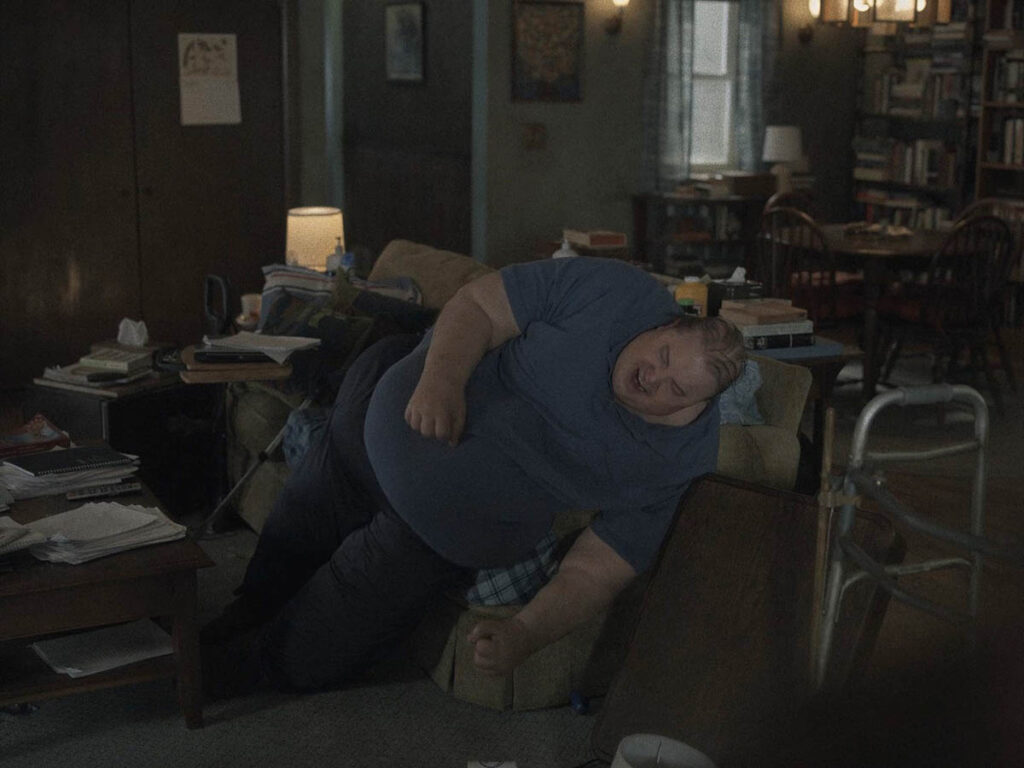
Cultural authenticity comes in different forms. Riel recalls, “I remember this job for an Indian movie many years back. The visual effect shots came out not too bad, all things considered, but they were ceremoniously rejected by the clients. They complained they could not see the VFX, which was a problem because the audience would not understand how expensive the movie had been to produce. So, I guess that’s an example of how my VFX culture did not preserve their cultural authenticity.”
Multilingual teams naturally bring broader perspectives. Founder and CEO of Mumbai-based FutureWorks, Guaruv Gupta, says, “Diverse backgrounds can enrich creative discussions, strengthen relationships with international collaborators and provide more sensitivity to cultural nuances when projects call for it. It isn’t so much about translation as it is about having varied viewpoints at the table. Modern video conferencing tools, which are widely accessible, are really helpful. Most global pipelines already operate with a shared set of technical terms, regardless of where artists come from. This consistency helps streamline collaboration, as everyone uses the same tools and processes. It’s less about simplifying the learning curve and more about having an industry-wide vocabulary that keeps workflows aligned.”
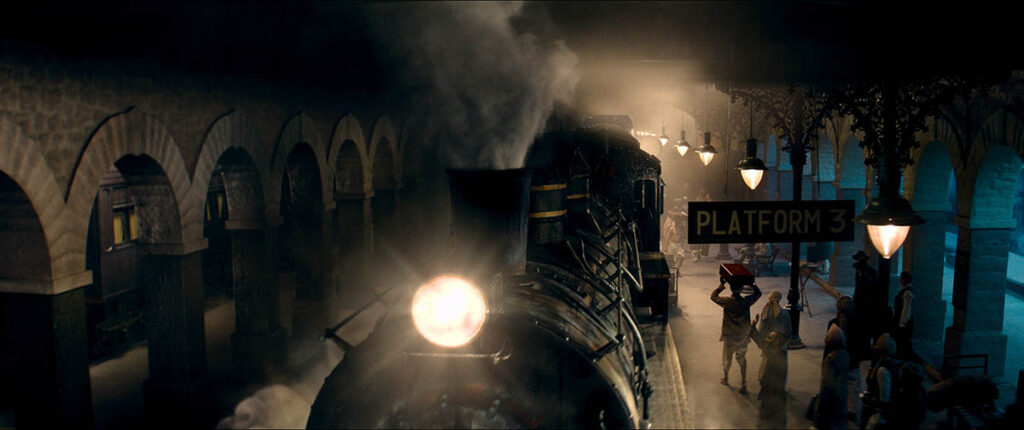
BOT VFX has an Atlanta HQ and multiple facilities in India. “Most of our team members who work directly with clients already speak very comfortably in English, so all those basics are covered,” explains VFX Executive Producer Hetal Jain. “What takes more attention is understanding different cultural expectations around feedback, urgency and decision-making. Those differences can lead to misunderstandings if we don’t stay ahead of them. Because we’ve been working globally for many years, we actively train our teams to recognize and bridge these cultural gaps. That preparation makes a bigger difference than anything purely linguistic. Our senior staff [line producers and coordinators], VFX producers and leads, often play the role of bridge-builders. They don’t just clarify technical details – they help interpret expectations, working styles and the intent behind creative choices. Many of them have deep experience working across cultures, so they naturally help keep communication smooth and everyone aligned.”
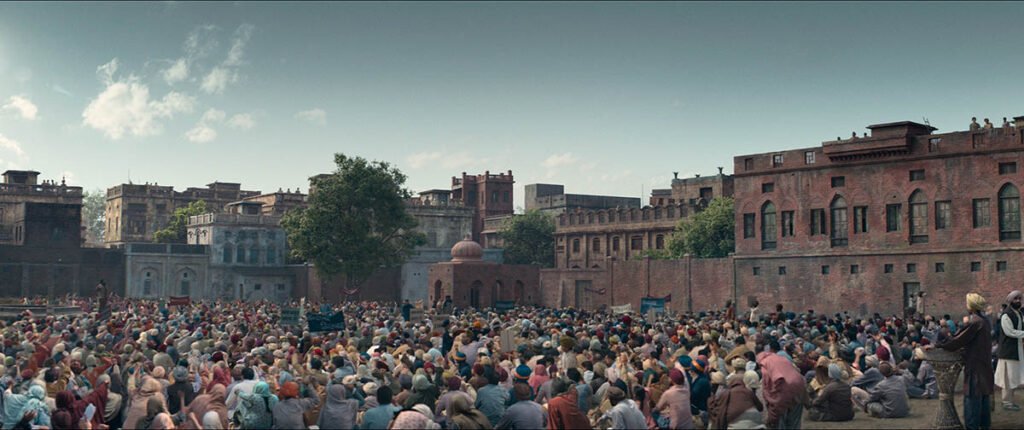
“[Translation] is not just an issue on international sets,” observes MR. X’s Hammond. “We often find ourselves doing a similar kind of ‘translation’ with financial teams, agency partners or even directors when we are explaining VFX processes, workflows or pricing. VFX, comp and CG supervisors in particular spend a lot of time turning a director or showrunner’s creative vision into a clear technical plan that artists can execute. The terminology and logic behind what we do can feel like its own language, so the same habits apply.”
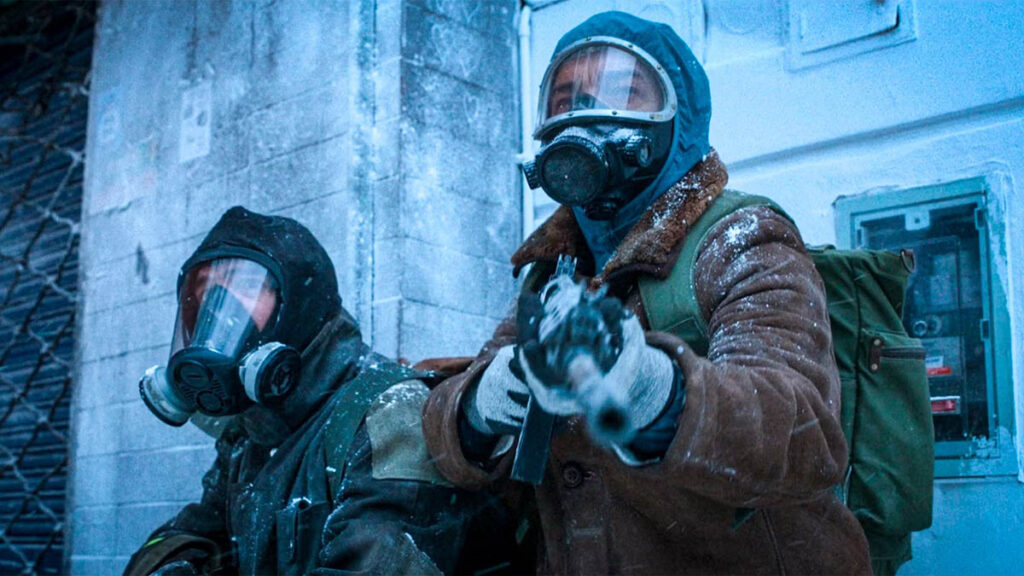
Dexter Studios’ Kim adds, “In creative discussions, major misunderstandings are rare thanks to shared global visual literacy. The complexity typically arises in areas where business practices differ across countries, especially around contracts, scheduling and budgeting. Different regions have their own norms for defining change orders, additional costs and acceptable schedule adjustments. These variations don’t necessarily create conflict, but they do require careful interpretation, alignment and proactive management. With extensive experience across countries, we try to develop the ability to anticipate these differences early, translate contract language accurately, and bridge gaps between regional production ecosystems.”

Hammond concludes, “VFX work today is a truly global effort. That brings plenty of great opportunities, but it also means communication can become an obstacle, especially since technology and terminology change so quickly. Therefore, everyone needs to be a strong communicator, both visually and vocally, not just producers or project leads, but every artist involved in the project.”