CAN THIS BE DONE?
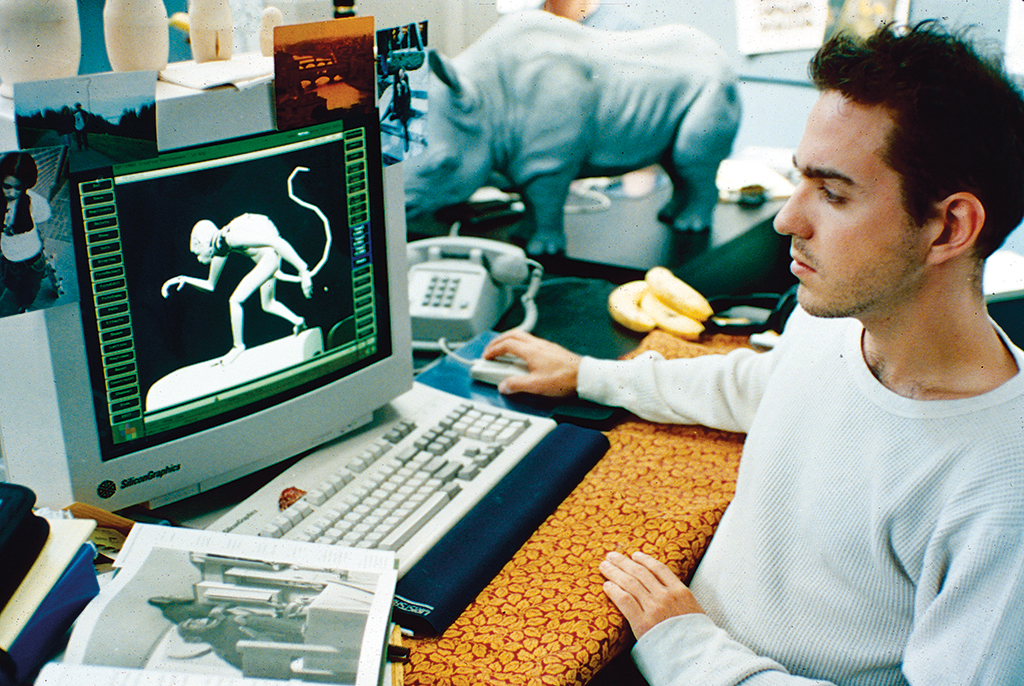
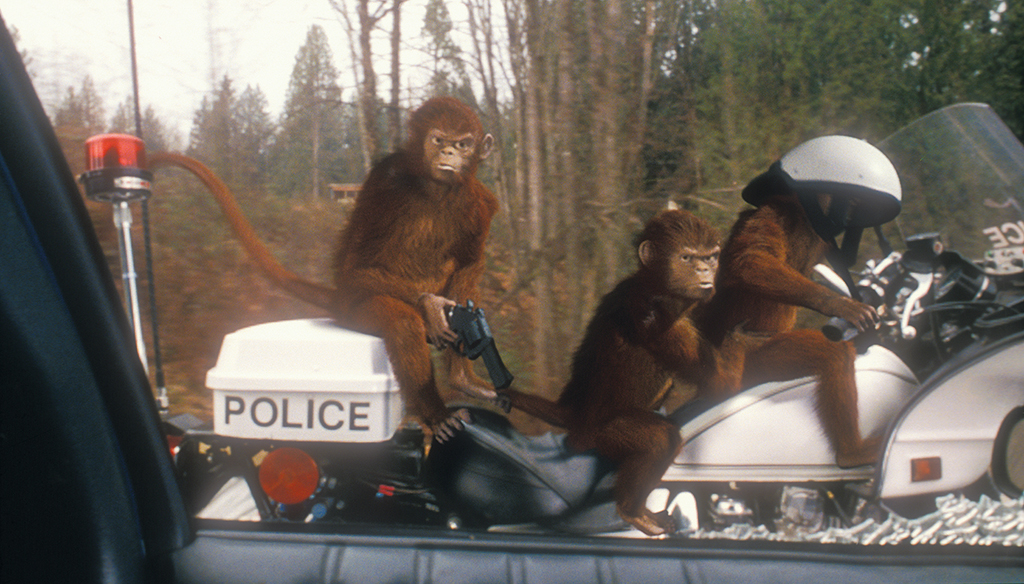
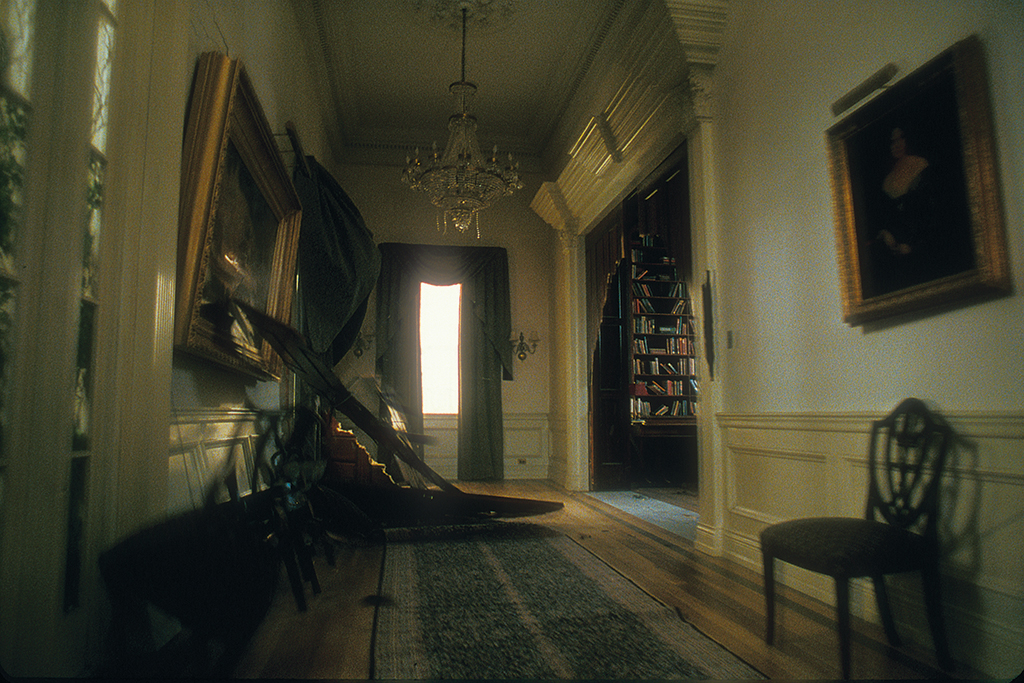
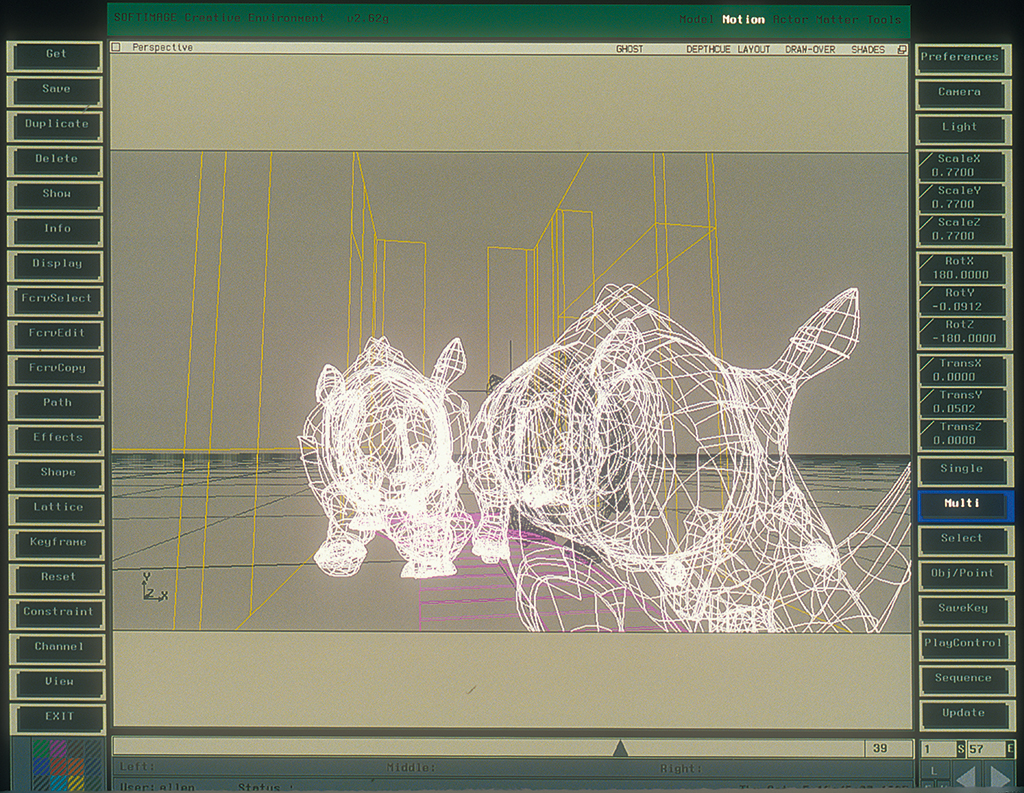
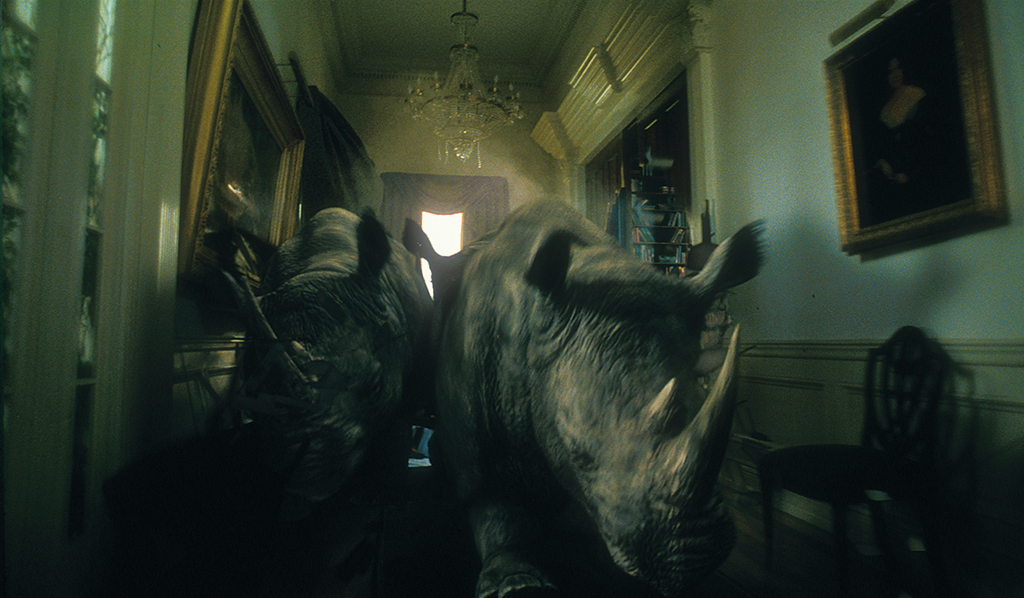
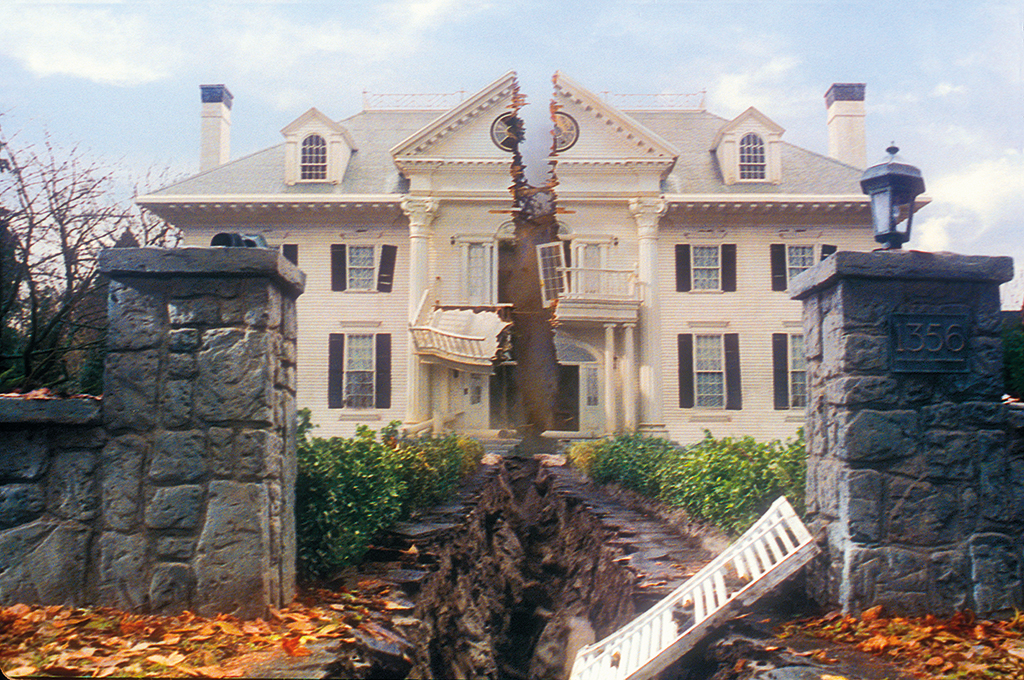
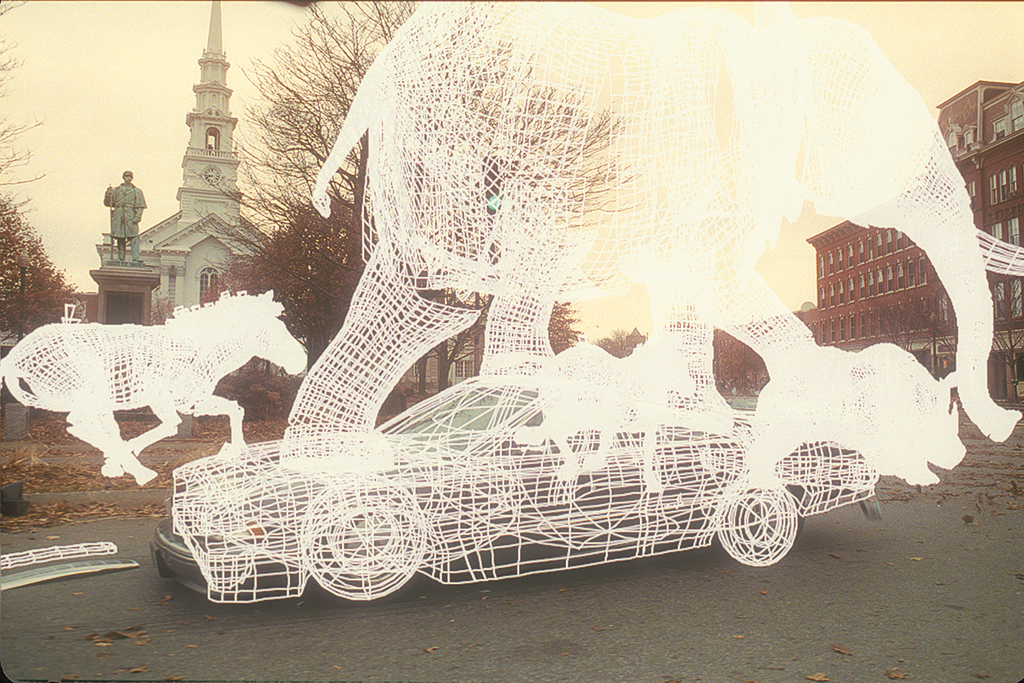
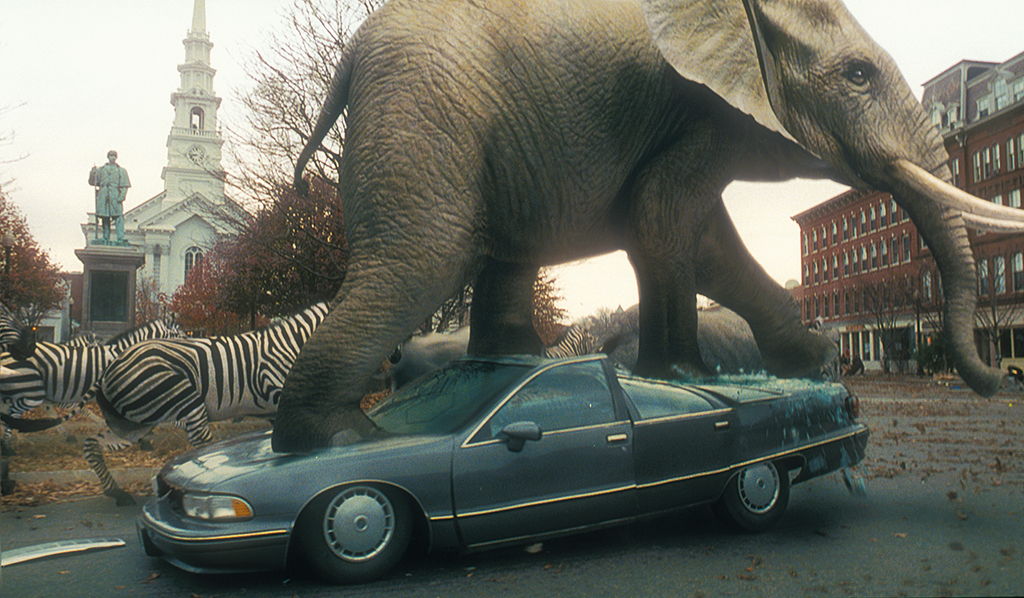
Jumanji’s digital visual effects were ambitious. A herd of rhinos would be seen crashing through the corridors of a house. A stream of wild animals would pound through the center of a small town – this scene included the iconic shot of an elephant crushing a car. A lion would need to leap down stairs. And wild monkeys would tear up a kitchen, and then drive a car.
Johnston was not sure any of these shots would be possible, especially since many of the creatures had hairy or feathery features, which was a major challenge in VFX at the time.
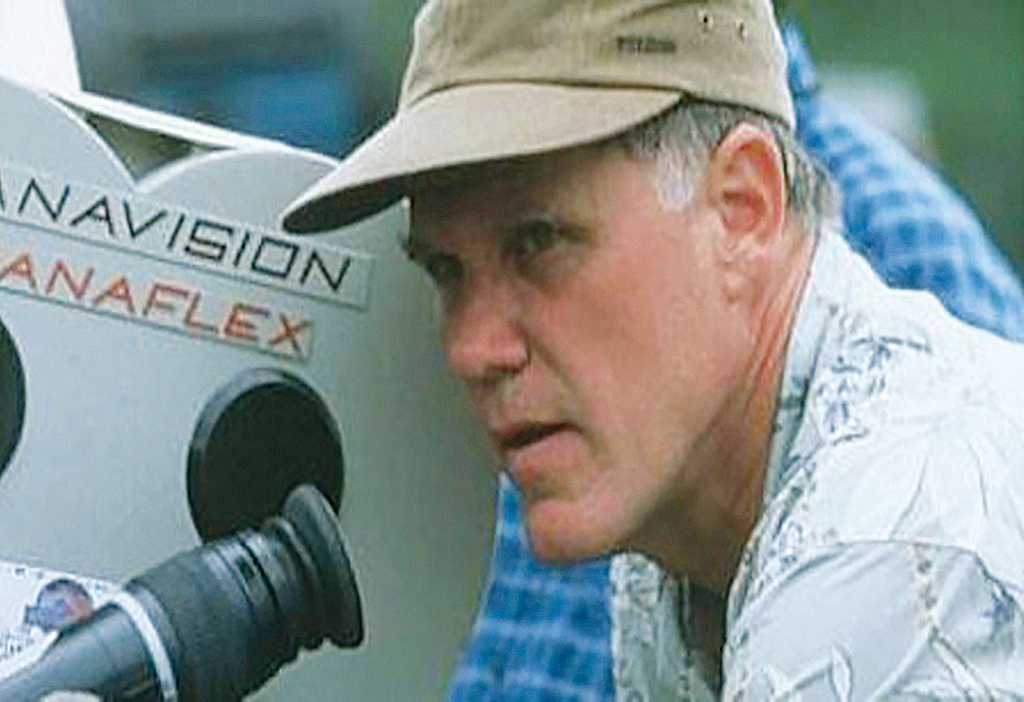
“I had no confidence at first that it would work at all,” the director says. “Early tests on the lion’s mane were not confidence builders, but the team kept digging down on the tech to make it work, and I think it paid off well in the end. If you compare it to where CGI is now with textures like hair and feathers and other subtle skin surfaces, the Jumanji stuff is fairly primitive, even crude in places, but audiences are forgiving when they are engaged in the story, and hopefully they were.
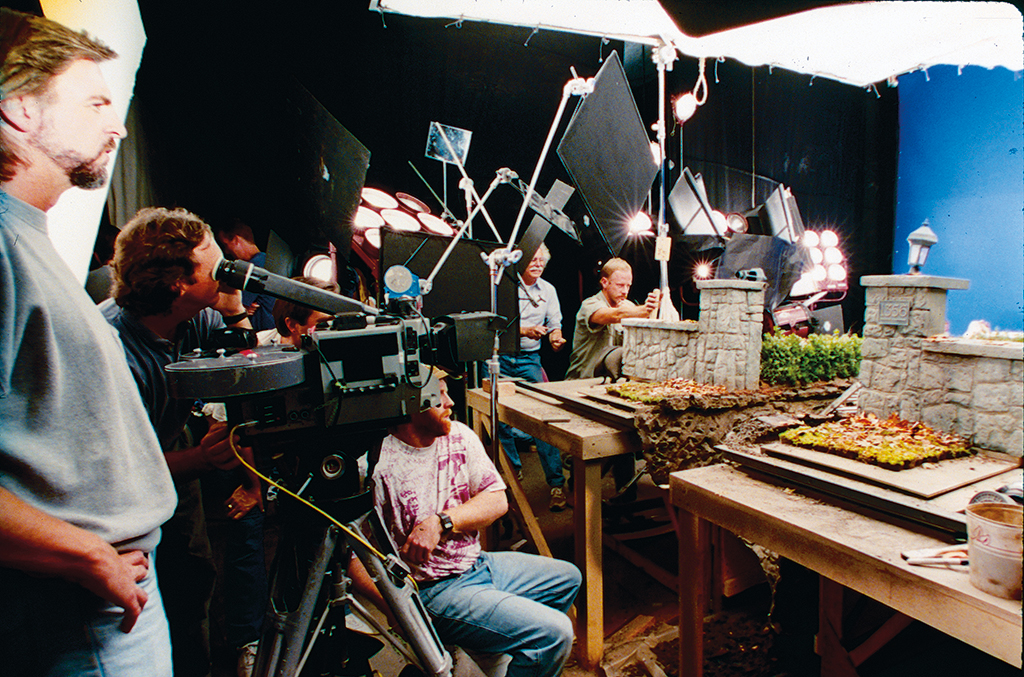
“I think the biggest challenge with the CGI in Jumanji was its place in time,” Johnston adds. “If the film had been made five years earlier, before the groundbreaking CG of Jurassic Park, everything would have been done with animatronics, puppets and wire and rod removal. Five years later everything would probably have been CGI.
“We were at a point where we could do some of the creatures in CGI that would have been the most difficult, but we couldn’t afford to do them all,” he explains, “so the spiders, the crocodile and some of the vines became animatronic. The lion and pelican had to exist in both worlds. The monkeys were all CG. The bats were CG except for one shot where it lands on young Sara’s shoulder.”