By TREVOR HOGG
Images courtesy of Netflix.
By TREVOR HOGG
Images courtesy of Netflix.
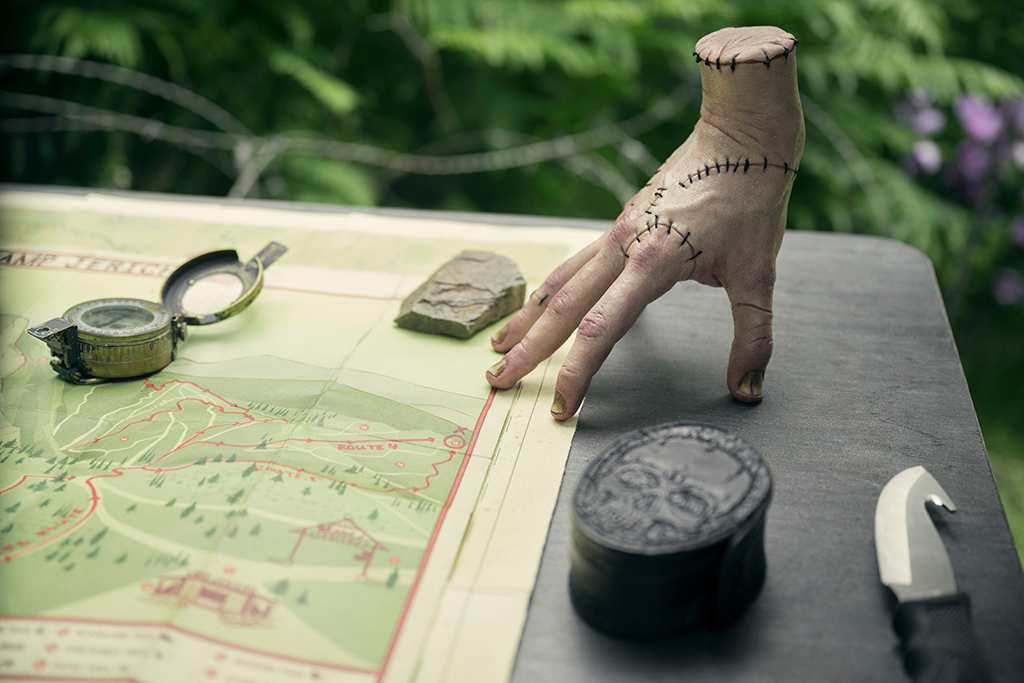
As with the first season where he directed four of the eight episodes, the sophomore outing of Wednesday has Director/Executive Producer Tim Burton helming the same number of episodes and retaining his signature quirky, macabre Gothic visual sensibility. Returning once again to digitally enhance the supernatural mayhem and scope of the production is Tom Turnbull, who enjoyed collaborating with the filmmaker on his first television show. “It’s always an adventure, that’s for sure,” admits Turnbull. “What I like about working with Tim is that he doesn’t give you a whole lot of notes. Usually, it’s like one or two notes at most on something, and it’s never the note you expect. It’s always something completely different. Tim definitely has a whole different mindset as to what everyone else is doing. He’s unique in the way he thinks about things.” There was some repetition from Season 1. “We had the groundwork in place, but the way Miles Millar and Alfred Gough [Creators/Showrunners/Executive Producers] write there’s always something new popping up, so there are brand-new problems to solve, which is what, for me, keeps it interesting. Things like Thing, we know how to do. It was how much can we do him differently or better? We had a little bit of a curveball because we were using MPC, which folded up partway through the project. We actually had to hand off some of our major assets to new vendors. At that point, we were reinventing the characters. That was fun.”
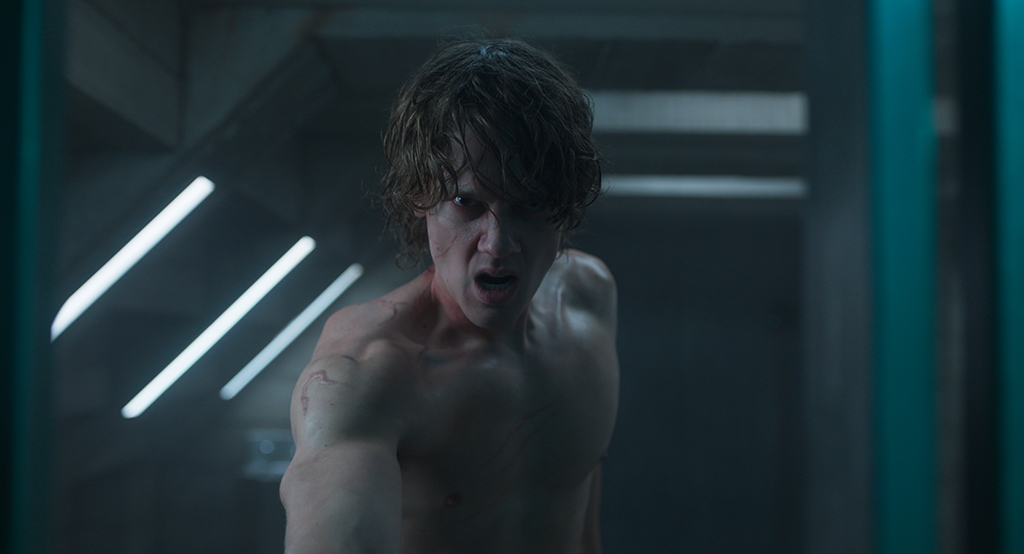
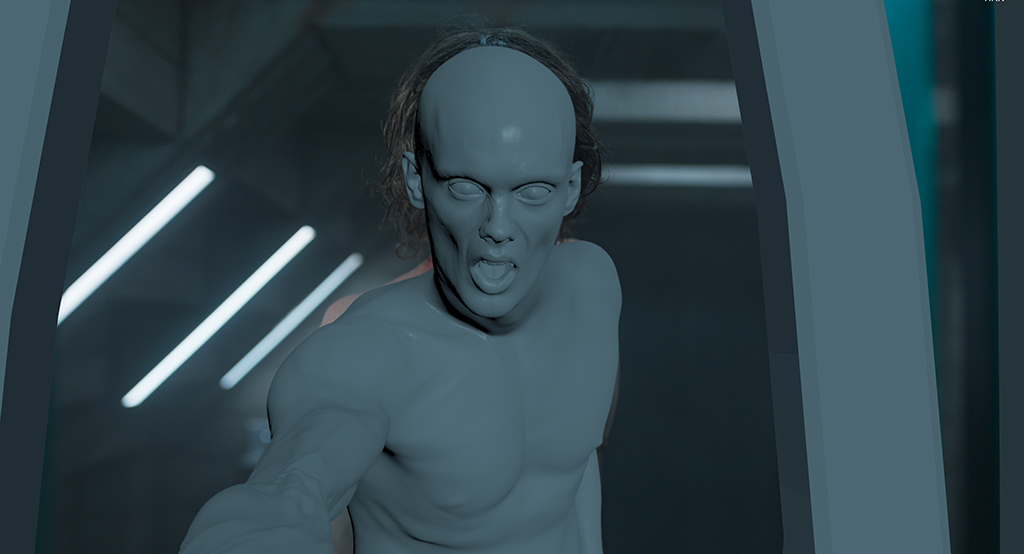
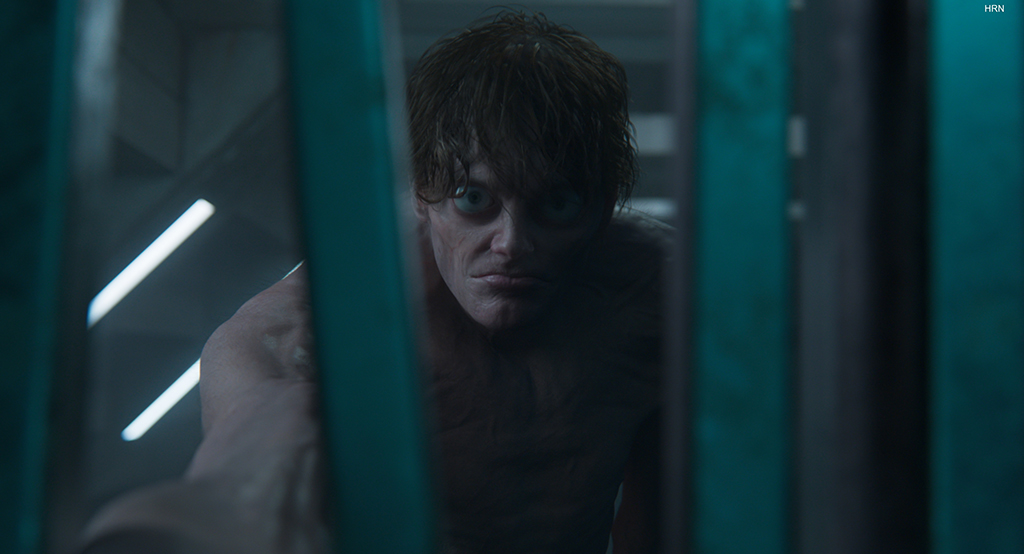
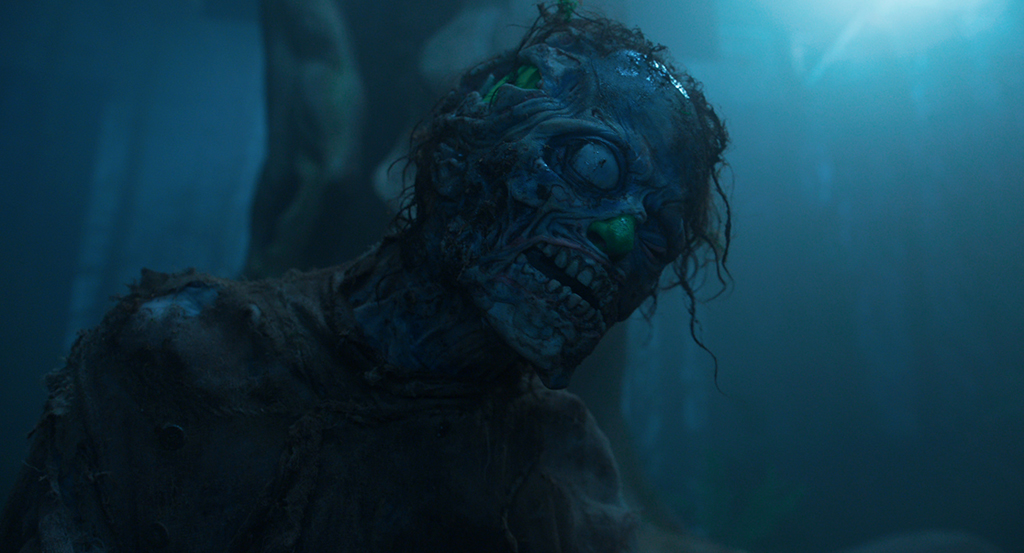
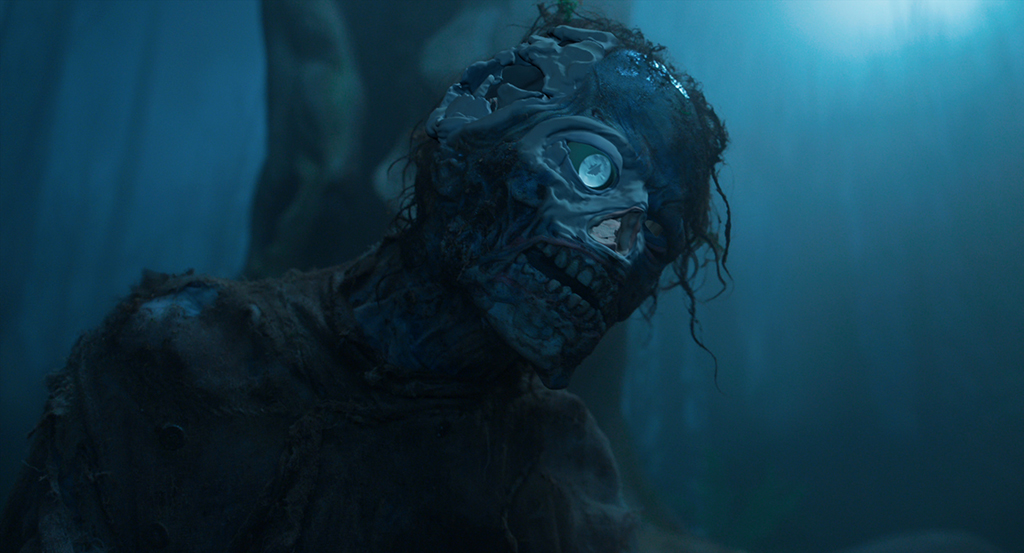
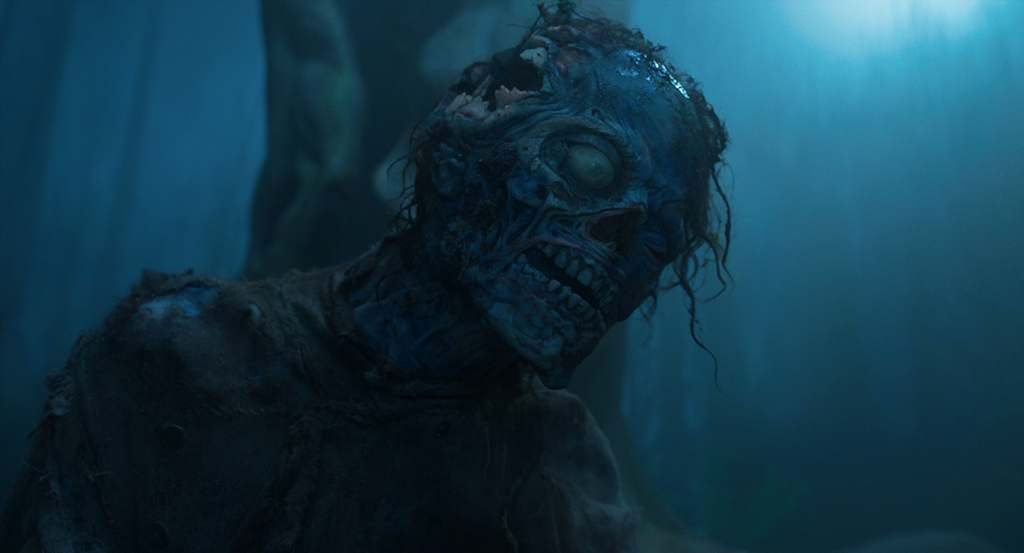
New characters get introduced. “Slurp was a whole new problem to solve that had to evolve throughout the process of the show,” Turnbull notes. “He starts as a full-up zombie with a hole in his head and no brains inside, as well as a crazy roving eye. We had to take him from that, which was driven partially by an actor in makeup, but there were a lot of enhancements done to it in visual effects. Over the course of the episodes, he became more and more human, and the hole in his skull disappears, but we learned new things about him. Slurp has this long tongue that he uses for eating brains. We had to then bring that on board. Slurp was not a single asset but a work in progress. You would always be adding something new or different to him every time he showed up in another episode. When Slurp gets to being fully human [in Episode 208], we had new problems to solve on him.” Changes did not occur within an episode. “It was, it was always like, ‘Here’s this show. Here’s what he’s like. Next episode, he’s a little different.’ Tim was guiding that along with Tristan Versluis, our prosthetics guy. We would take that and work with it. Our problem was how to make that work and look good. As you get further into the production, you’re shooting Episode 206 or 207, and you’re shooting some pickups for Episodes 202 and 203. The poor actor had to get back into heavy makeup and then switch back to different makeup. It was a significant production problem.”
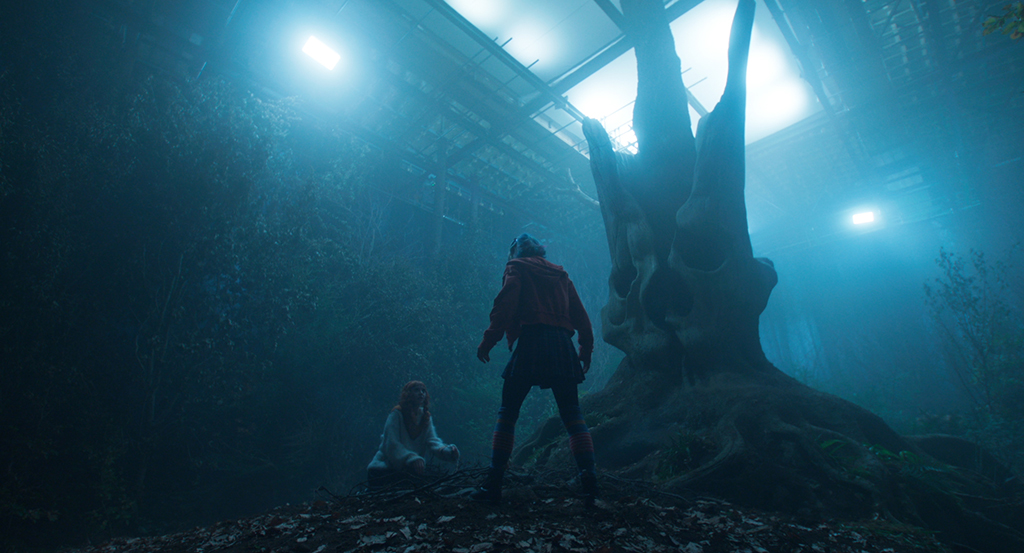
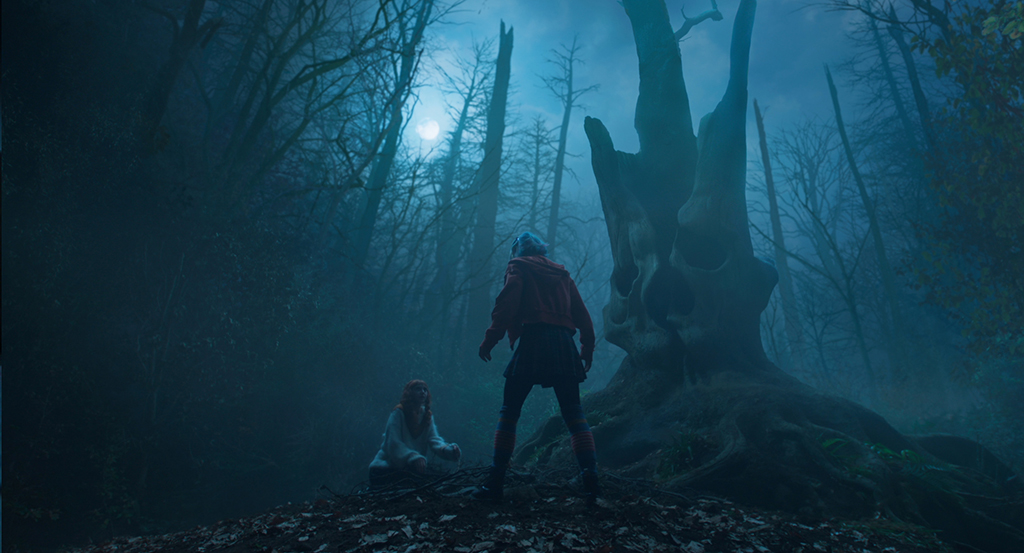
“The idea going into Season 2 was to have everything bigger. There was more Thing in Season 2 along with werewolves and the Hyde. But then we added in Slurp and Orloff, which are a whole new set of effects.”
—Tom Turnbull, Visual Effects Supervisor
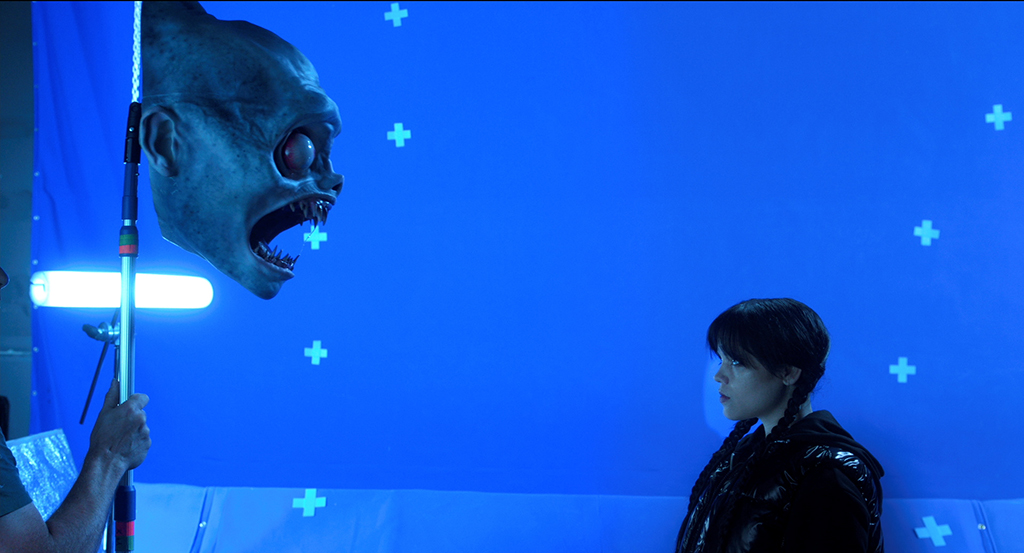
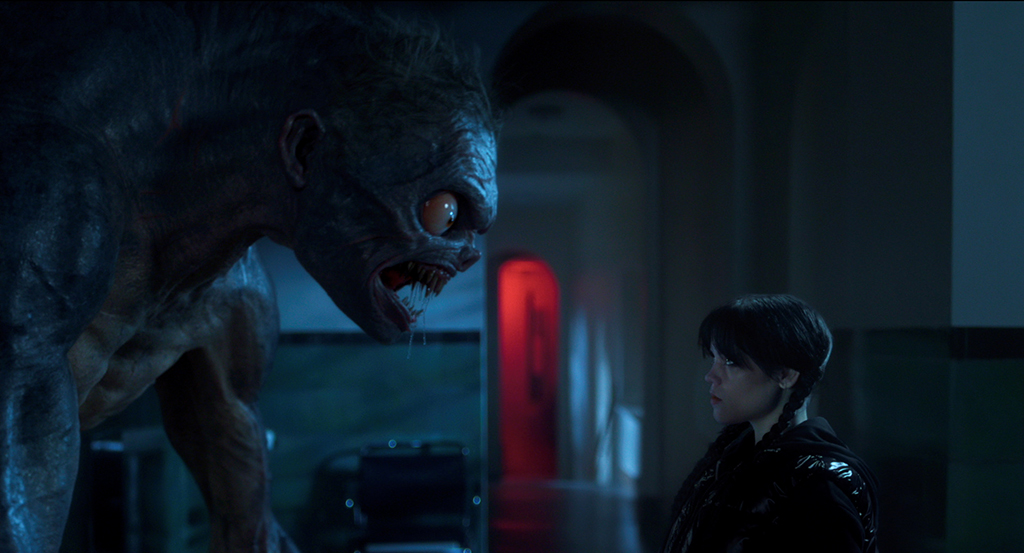
A whole other challenge was the head of Orloff floating in a jar, which involved placing Christopher Lloyd in a volume capture stage. “When shooting the scene, we had his cart with nothing on it,” Turnbull states. “We mounted a lightning sphere on top of that to capture the light where his head would be. We also had a GoPro 360 that we attached to that, which was intended to capture all of the action in the scene, partly for reference, but also to help Christopher Lloyd when he was actually doing the performance.” Scheduling of the cast had to be kept in mind. “We had to do these things at different times, so we would have to make a choice as whether we wanted to have Christopher Lloyd play back to the actors on the set or have the actors on the set play back to Christopher Lloyd. We chose to play back the actors on the set for Christopher Lloyd. When we were on set, a continuity person would read the lines of Orloff, and they reacted to that. Then, we took those recordings and played them for Christopher Lloyd, who was much more detached from what was going on with the rest of the production, being in a big sphere with a bunch of cameras pointed at him. It was more helpful to have that for Christopher Lloyd rather than having his performance for the actors on location.”
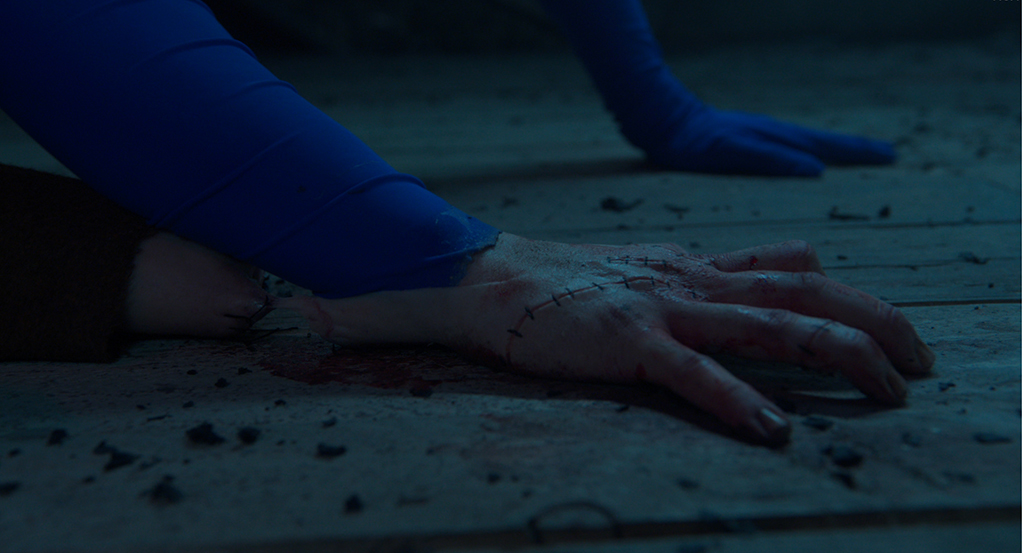
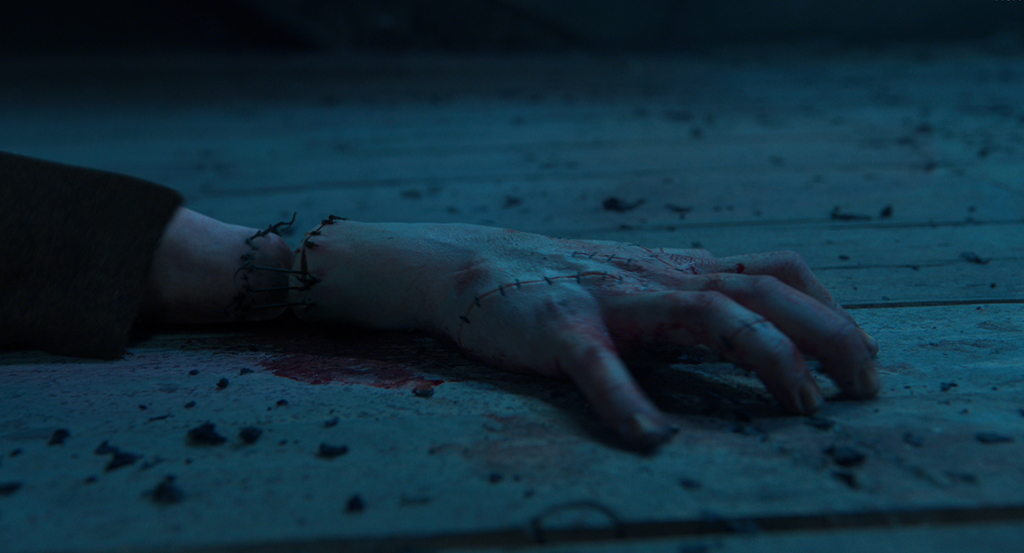
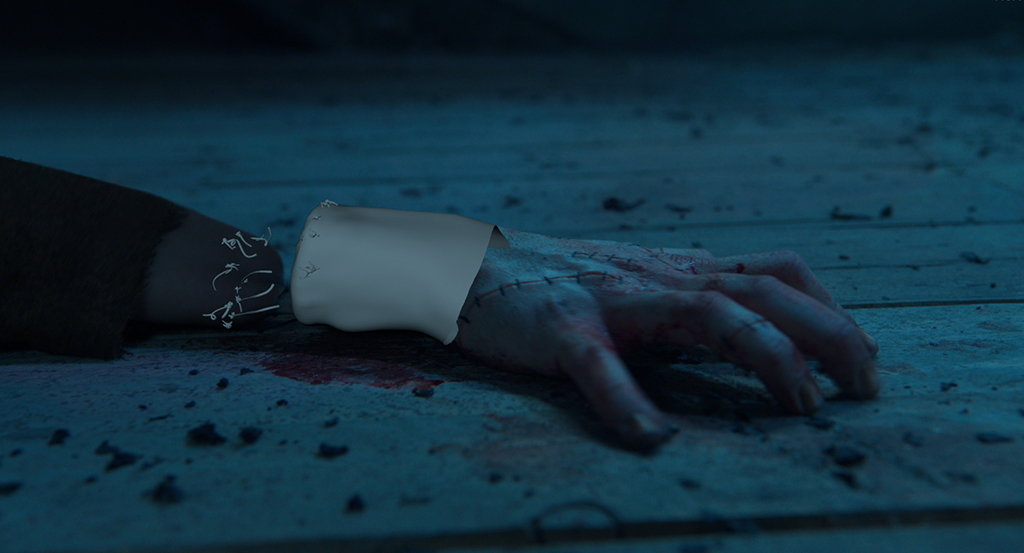
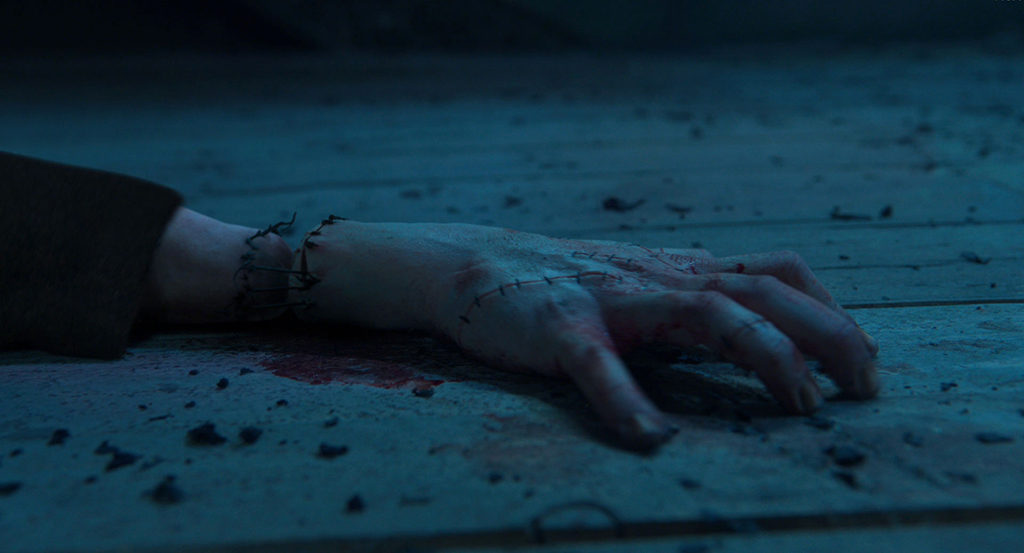
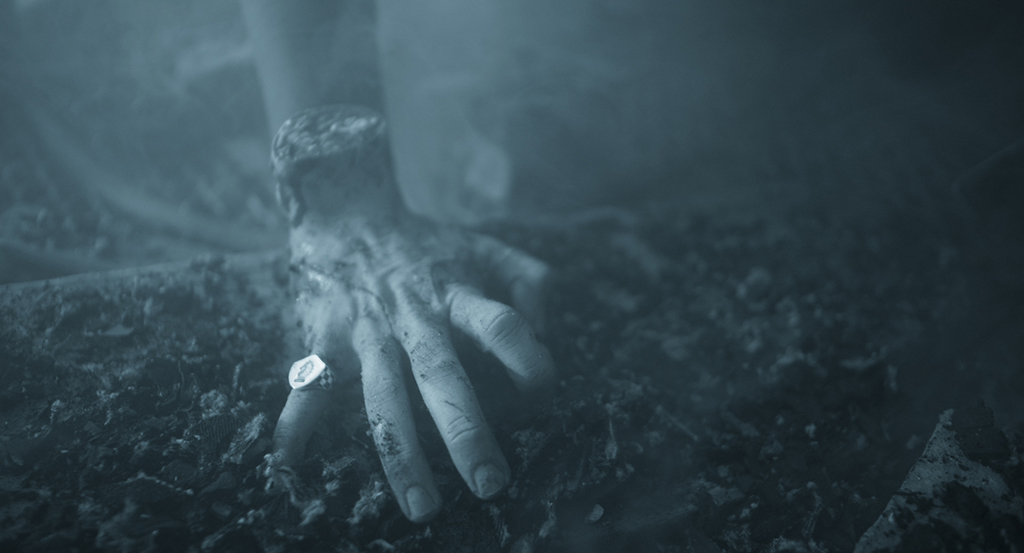
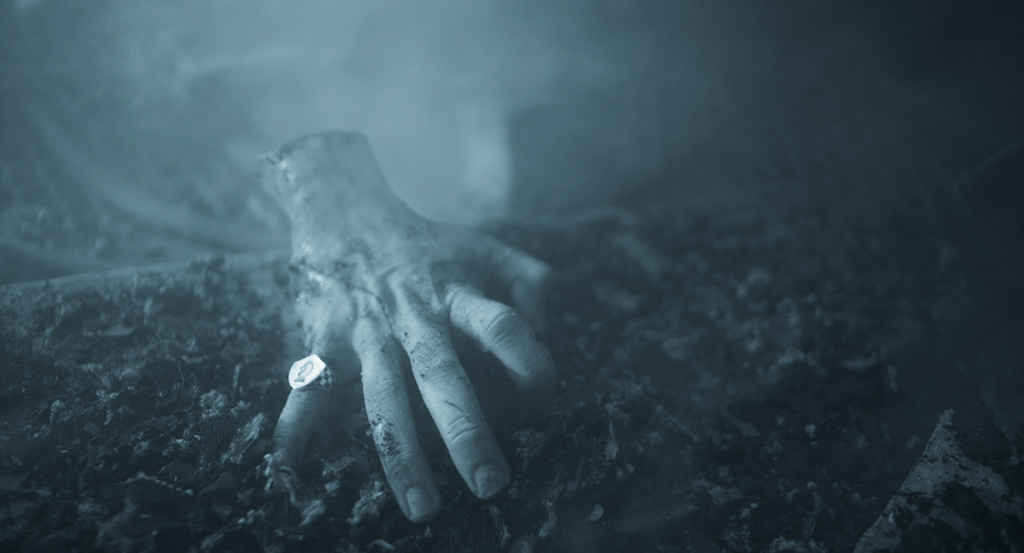
The backstory for Thing was difficult to execute. “We had to take the Slurp character, which by the end of the show is known as Isaac, and marry his performance to what Victor Dorobantu was doing as Thing,” Turnbull explains. “To their credit, both Owen Painter and Victor choreographed how Thing would behave. On their side, they created a cohesive performance, but we had to actually connect them together and show the point where Thing gets attached and breaks away from Isaac.” The scene dictated the approach taken for the effect. “In the case of where he’s pulling apart, the way the scene was shot lent itself to a situation where we could do Victor’s performance. Normally, we put a stump on him that goes on the top so he can walk around. But in this particular performance, Victor had to be laying flat, so we had another prosthetic that we had attached to the bottom, which allowed him to sit flat on the floor, and his arm was above. Using that and an attachment to a prosthetic stump, which was supposed to belong to Isaac, we were able to make that breakaway point happen practically. We were left with a situation there where we did mostly clean up and some 3D strings to make it look like they’re attached together and breaking apart. In the case of where he’s being attached, there was really no way that Victor and Isaac could play that together. Our approach to that was to go to WeFX and say, ‘Here’s the problem. We need you to solve this.’ And sometimes that is the solution. We provided all the information and reference we could.”
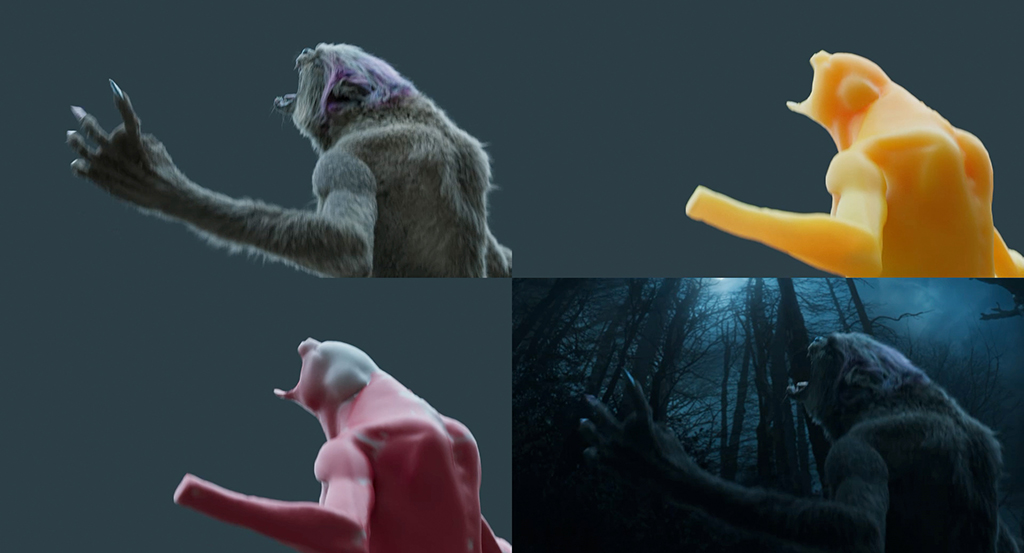
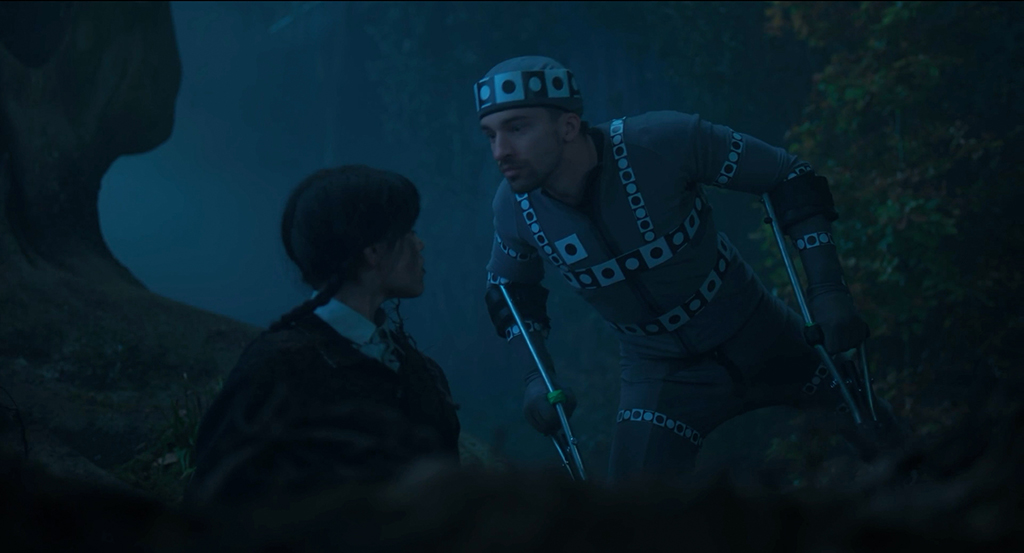
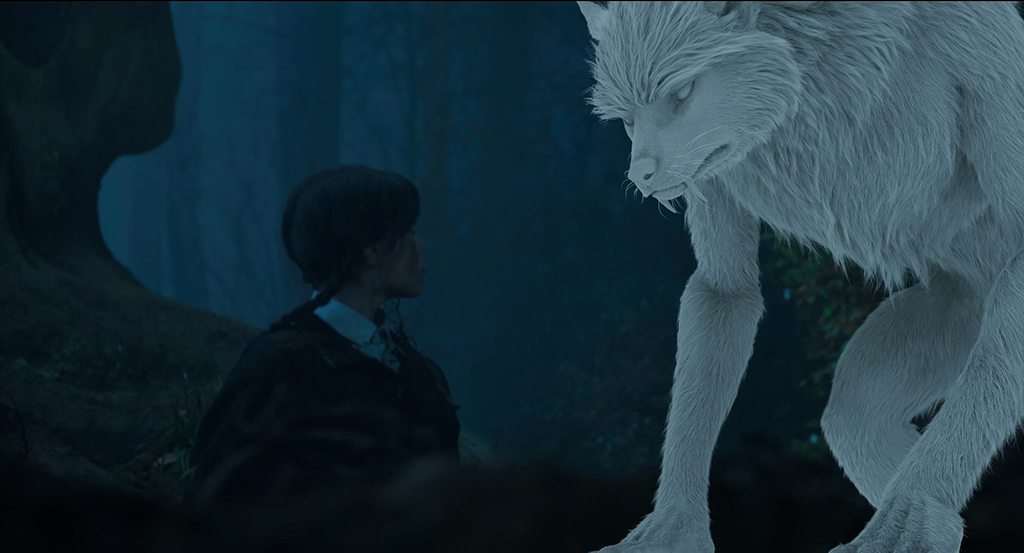
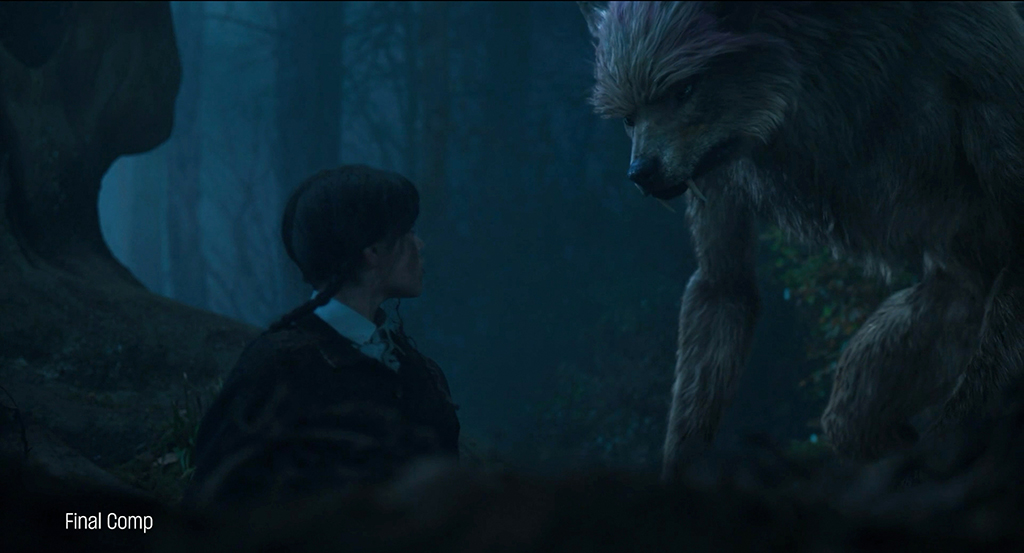
Getting an upgrade were the werewolves and Hyde creatures. “You couldn’t change their geometry in any significant way, but we certainly did a lot with shaders and the muscle system underneath,” Turnbull states. “It had to look like Season 1, but we had room to make things more sophisticated than they were the first time around. Going into Season 3 we will push that even further because that’s where we have to go with those creatures. There’s no hiding in the shadows anymore.” Transformations were altered for Season 2. “In Season 1, we shied away from transformations. We only had two on-camera transformations, and in both cases we didn’t show much. Season 2, that became much bigger and complex. There is a lot of precedent out there where you do a lot of cutting away to different things or cut from one part of the transformation to another part, so you don’t often see transformations in their entirety. You don’t have enough screentime for that. If you try to do too much for any one shot, it becomes quite rubbery and distorted- looking. It breaks the suspension of disbelief. We took the approach that we only wanted to show what we had to show. However, in Season 2, we had to show a lot more than Season 1. We had a lot more problem-solving to do as a result. In terms of the Hyde transformations, we’ve never shown it in its entirety. We are still in a world where we can break it down into pieces, and we tried to change it up every time we did it. We would look at a scene and pick the points we thought would be most impactful and try to exploit those. When Tyler Galpin is in his cell and has chains on him, we know that if he’s going to get a lot bigger, then the chains can’t hold, so you can use the chains breaking as the moment you focus on.”
“The scene where it really came together the most is in Episode 206 and is called ‘Some of Your Parts.’ It was quite a challenging scene on paper, and when we had to execute it, it involved a bunch of body parts sitting around in a self-help session with a guy with his head in the jar as the group leader. When watching it, you believe there’s a head in a jar delivering his lines. We had foot and leg characters and a couple of eyeballs.”
—Tom Turnbull, Visual Effects Supervisor
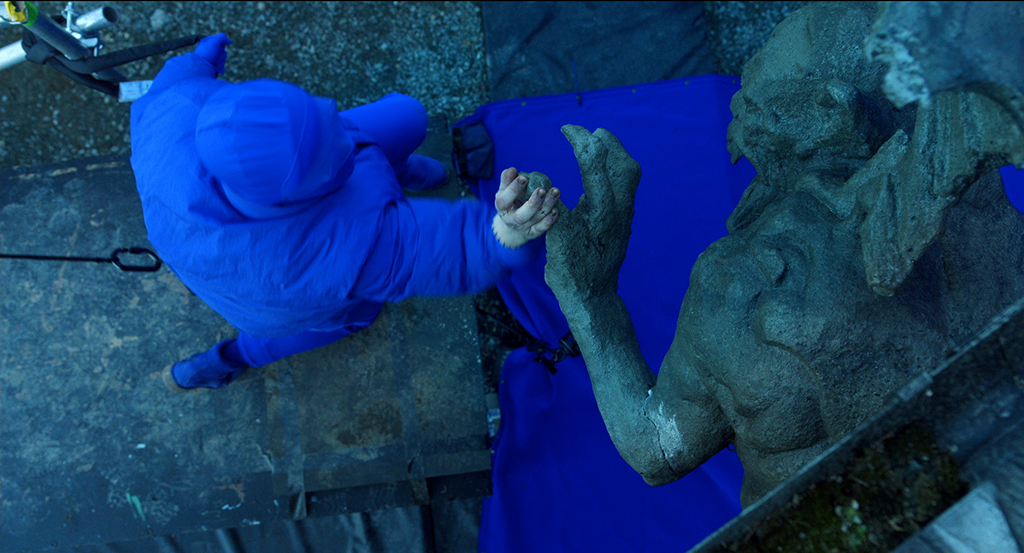
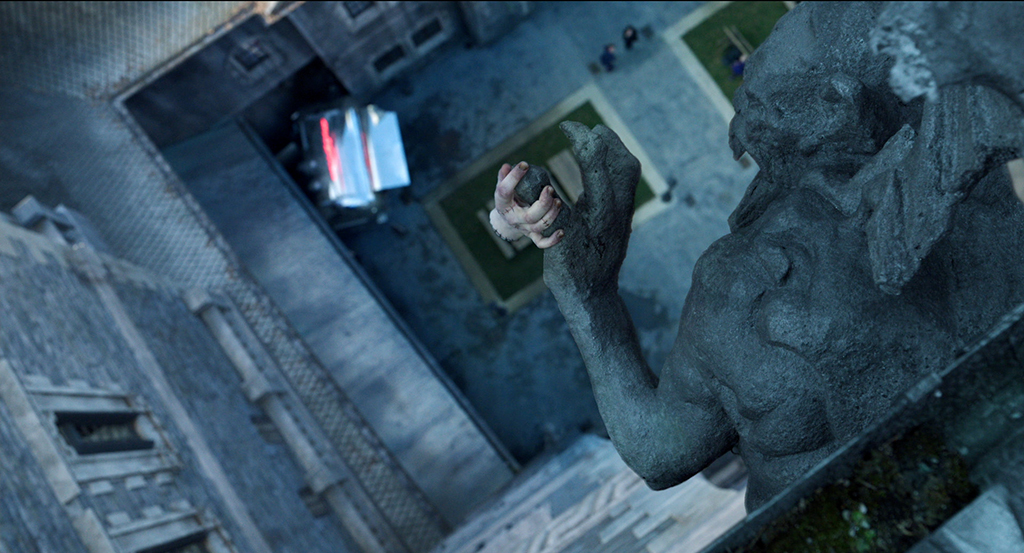
Secondary creatures include spiders, caterpillars and moths. “We would treat each one as a separate problem, and they generally only existed for one episode, or sometimes for just a scene or shot,” notes Turnbull, who had to deal with a significant increase in visual effects shots for Season 2. “About 1,500 more shots. We ended up with around 3,700. The idea going into Season 2 was to have everything bigger. There was more Thing in Season 2 along with werewolves and the Hyde. But then we added in Slurp and Orloff, which are a whole new set of effects.” An effort was made to retain the visual effects companies from Season 1. “Scanline VFX and Herne Hill/Mr. X were new on this season. We also brought on WeFX. Folks VFX did a great job in Season 1. We brought back MPC, but, sadly, they didn’t make it through the show. We had Rocket Science VFX on Season 1 as well. We did our best to keep the continuity and relationships going, but there was so much more to do.” Helping to guide the process was a great storyboard artist. “He was the fastest and most comprehensive guy I’ve ever worked with. He did do a lot of the sequences for us. Tim tends to shy away from storyboards, but the other directors tended to embrace them more. We didn’t do a ton of previs. We started doing it when we got into the big Hyde fight in Episode 208; that’s the one we focused on the most for that process, and then we went back and did postvis because what we shot evolved over time.”
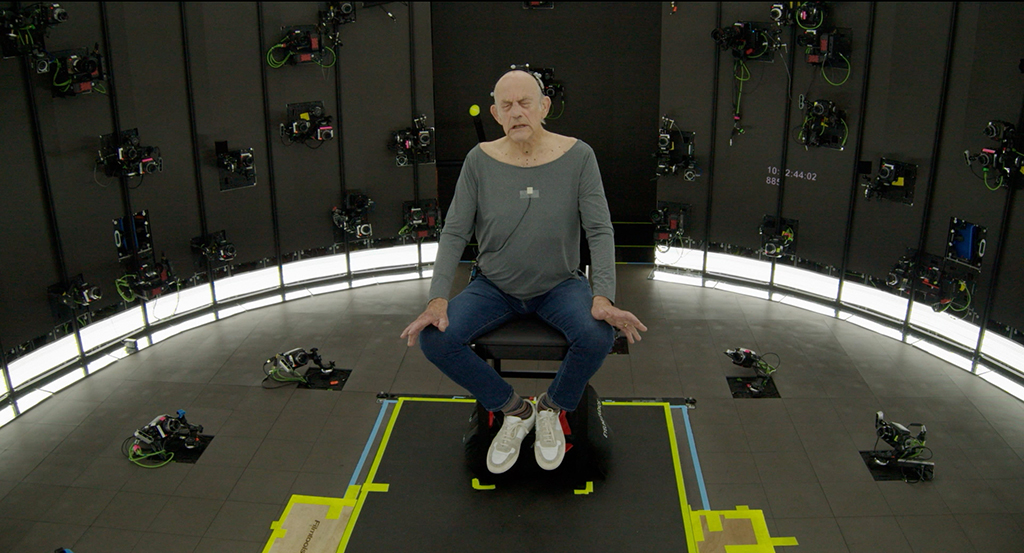
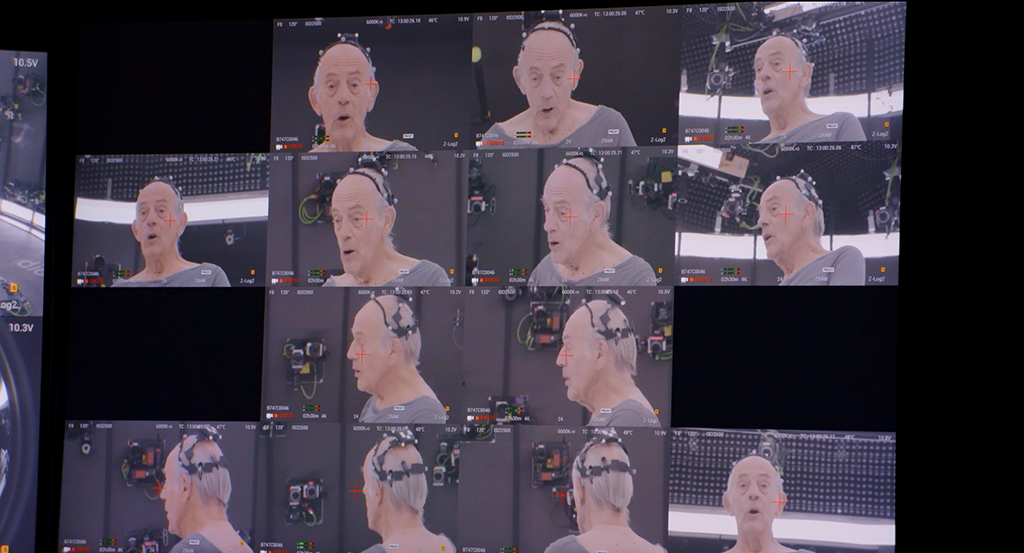
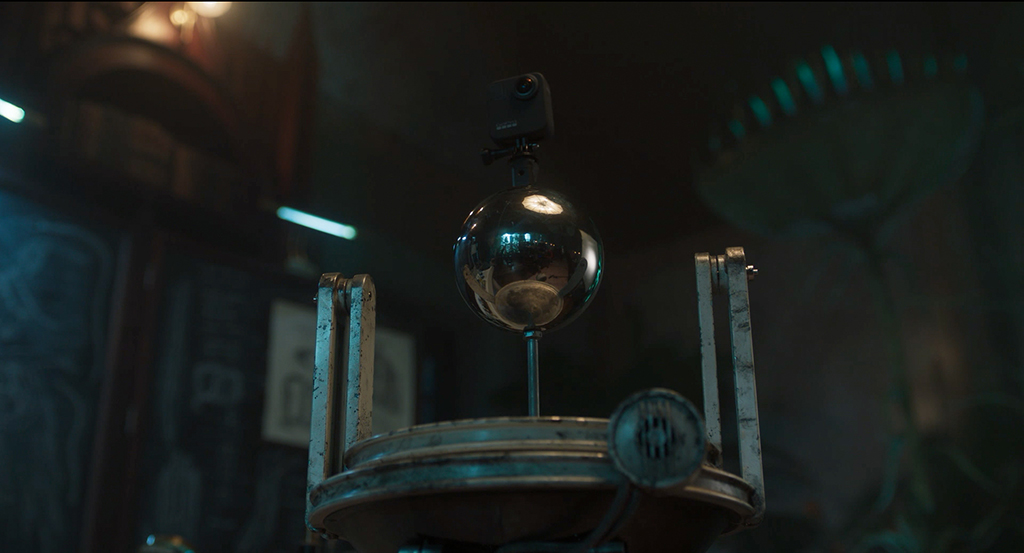
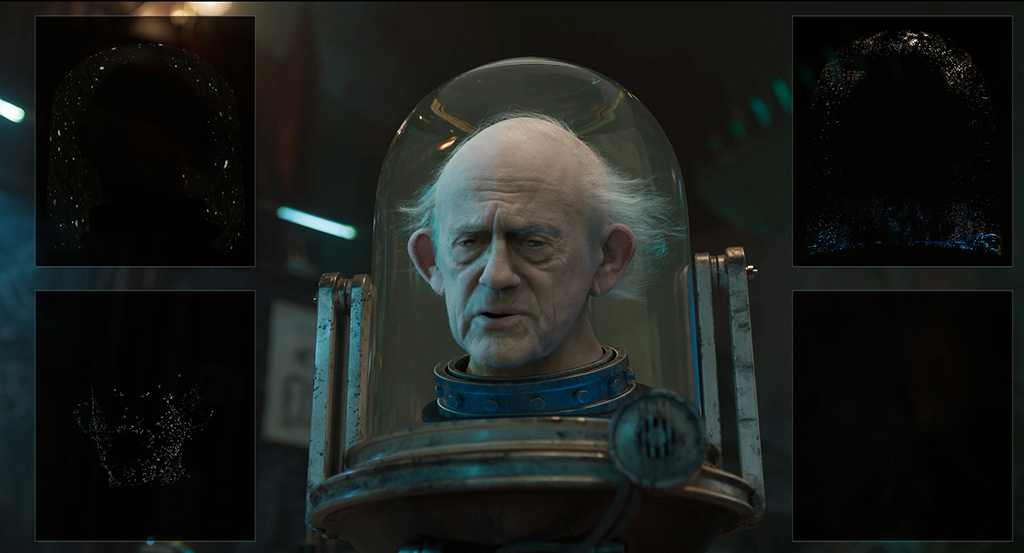
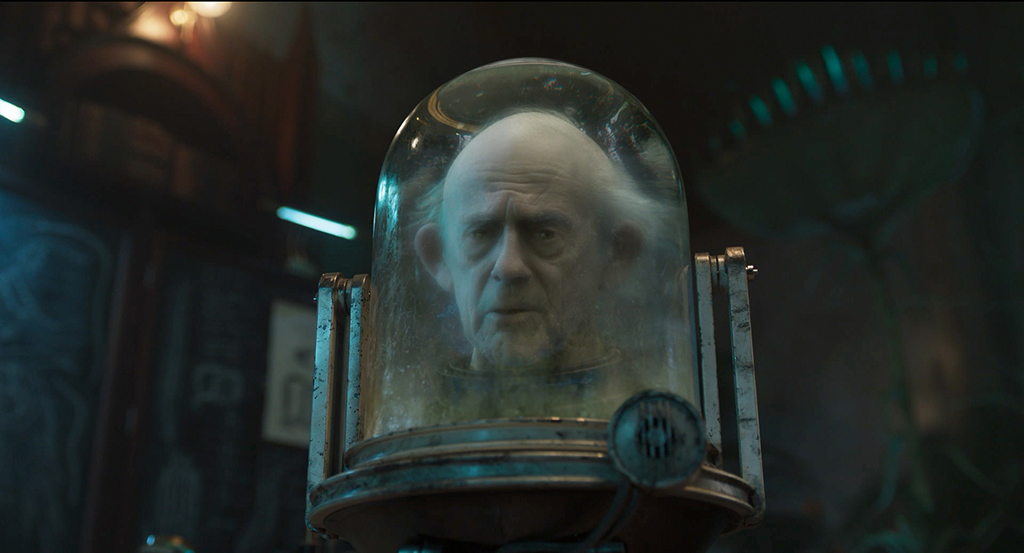
The biggest technical problem was Orloff. “We looked around at what our options were for Orloff, and when we decided to go down the volume capture road, there’s only so many places with the capacity to actually do that,” Turnbull remarks. “We went to Eyeline, the sister company of Scanline VFX. That was a hugely technically complicated thing they were doing, but it was also incredibly intensive in terms of the amount of data they were managing and how to use that data. Most of that was handled internally by them, and they did a terrific job. What we had to do was make sure that everything we provided them was the best set information and performances we could provide. The scene where it really came together the most is in Episode 206 and is called ‘Some of Your Parts.’ It was quite a challenging scene on paper, and when we had to execute it, it involved a bunch of body parts sitting around in a self-help session with a guy with his head in the jar as the group leader. When watching it, you believe there’s a head in a jar delivering his lines. We had foot and leg characters and a couple of eyeballs. The whole thing comes together. That’s the most satisfying scene for me.”
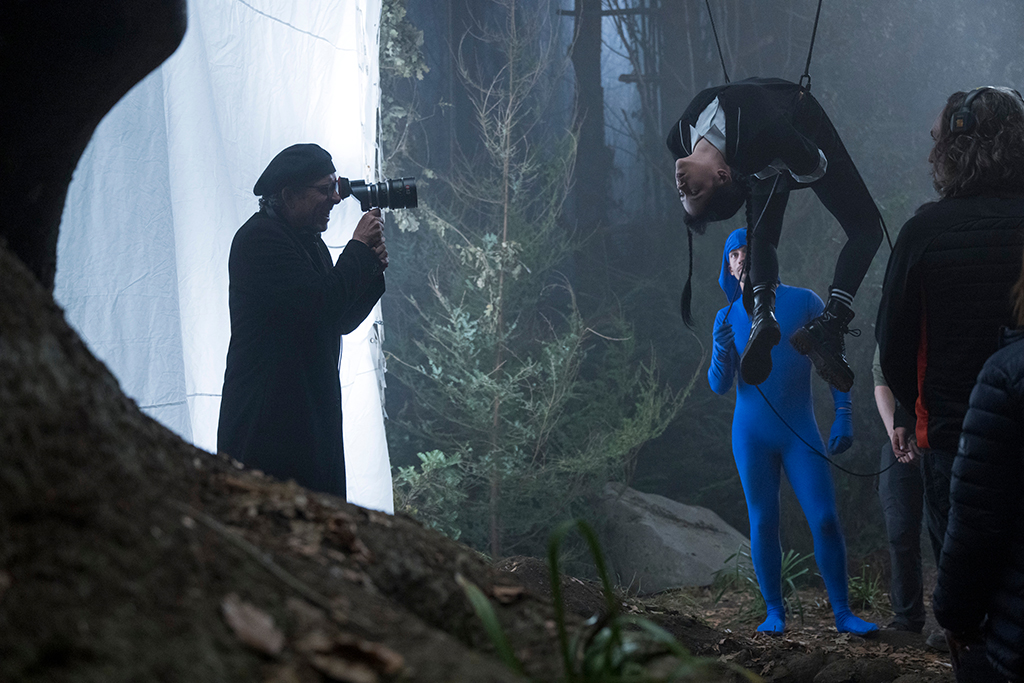
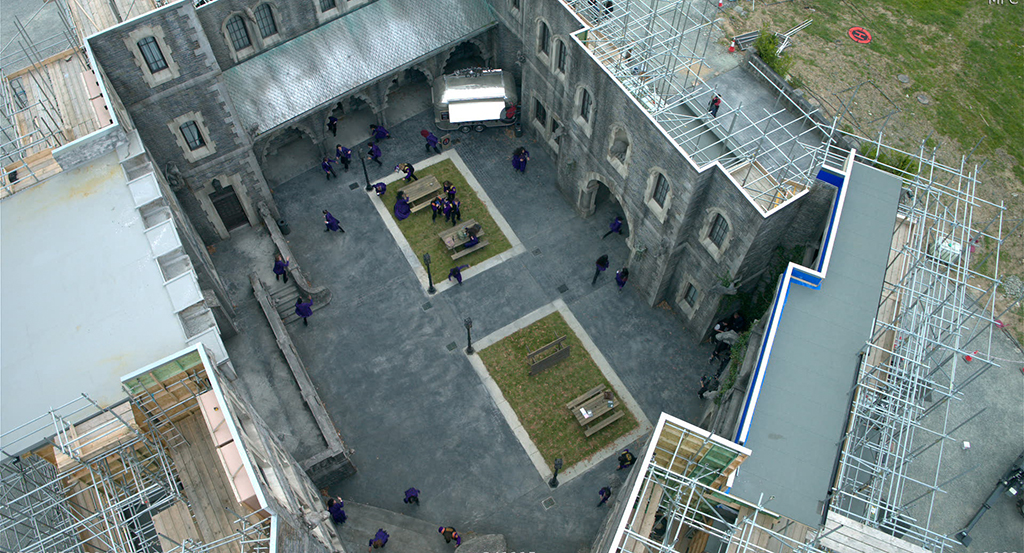
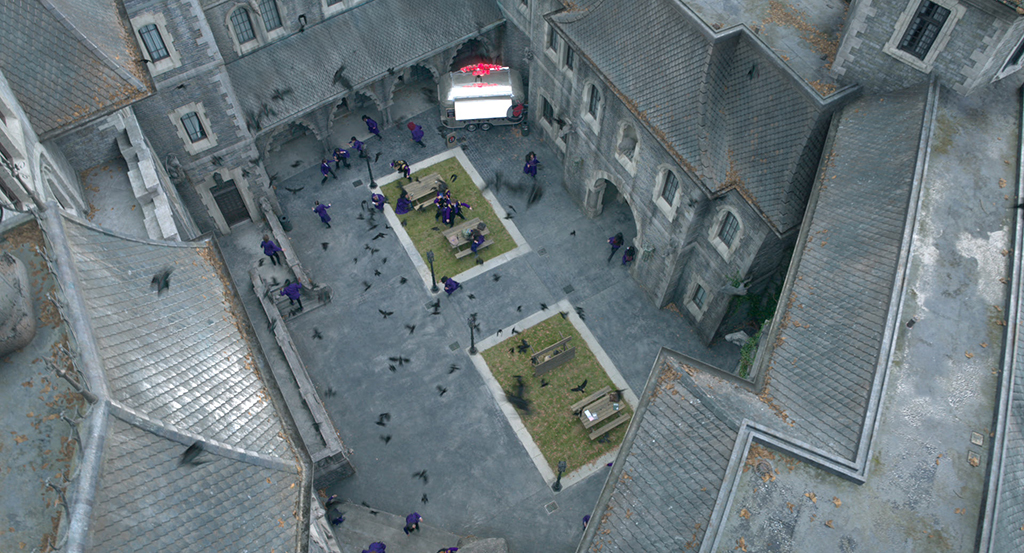
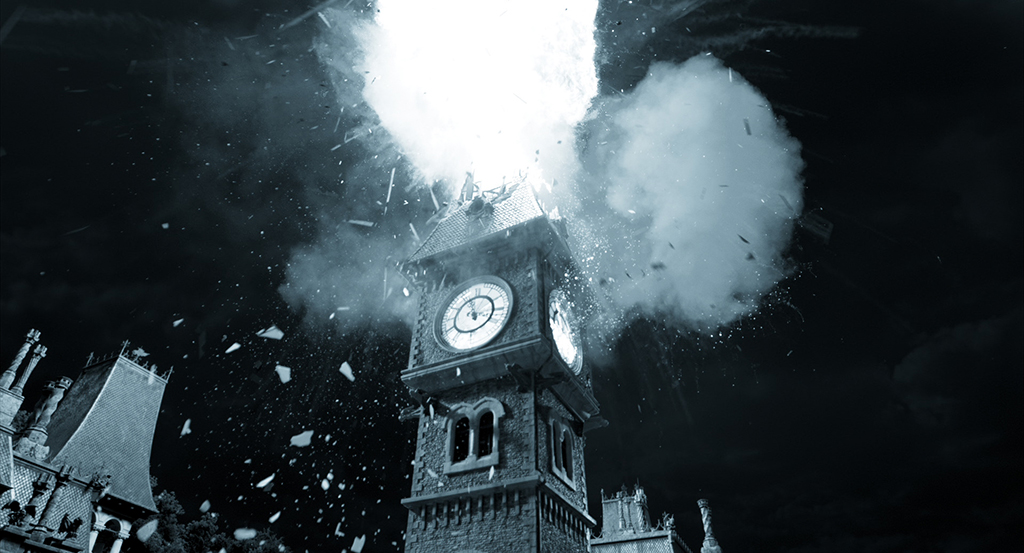
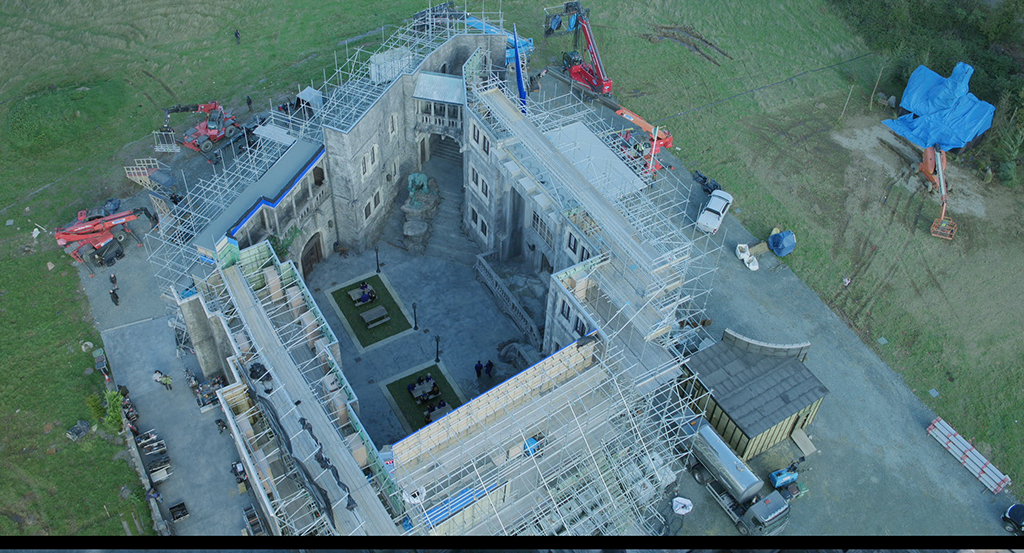
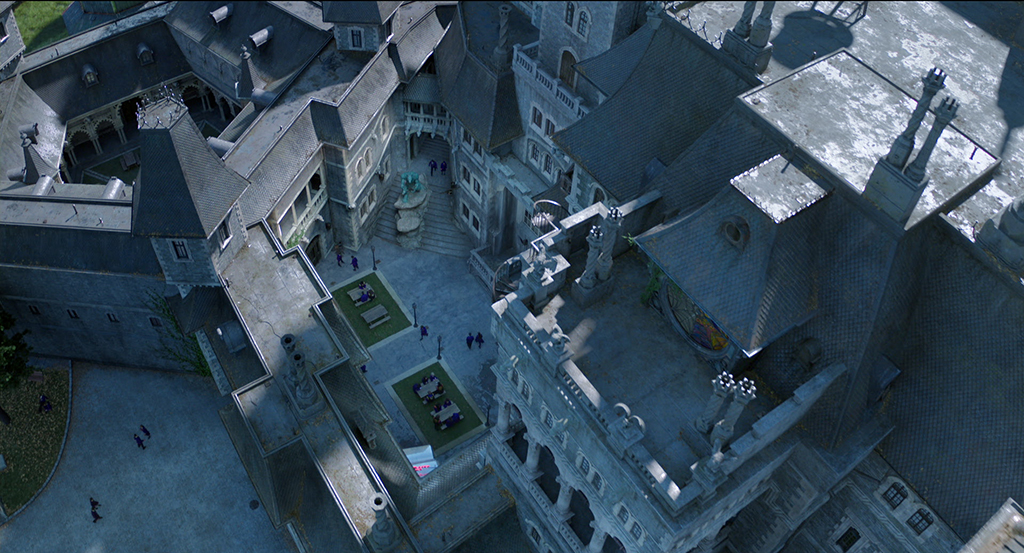
Nevermore had to be altered because of a change in locations. “In Season 1, Nevermore was based on a location in Romania, which gave us the bones and geography,” Turnbull observes. “We always played off the real location. In Season 2, we went to Ireland and didn’t have access to the location in Romania, so we had to take a different approach. On Season 2, we had to rely much more on CG to generate our world and the entirety of Nevermore while keeping the reality of what we achieved in Season 1. That was tricky because we’re taking something that is familiar to people, using a different process in Season 2, and wanting to look like Season 1. We ended up using Rodeo FX, which took it on late in the process because they inherited it from MPC. Rodeo FX had to take that asset, rebuild it and fit it into our template for Season 1, which was hard, but they did a good job, and I know what we can do to make it even better. That’s going to be our goal for Season 3.” Impacting the visual effects was Burton’s visual sensibility. “Whenever you set up a shot for Wednesday, so much of the look was established by Tim as to what lenses he would choose. I can’t tell how much of the main unit was shot with a 29mm lens, but we could have had that one lens in the kit and been okay. We took that into the visual effects as well. When we were setting up a shot that was heavy in visual effects it would be, ‘How would Tim shoot this?’ In our minds, we would try to marry into that. The tendency is towards wider lenses and camera moves that are not over the top. I can’t believe how many locked-offs we shot for things that weren’t even visual effects.”
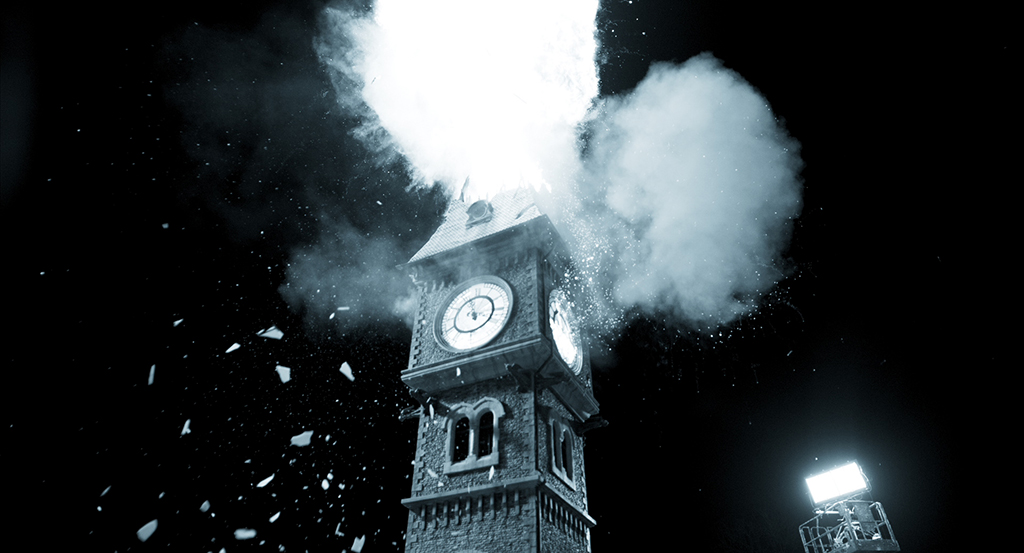
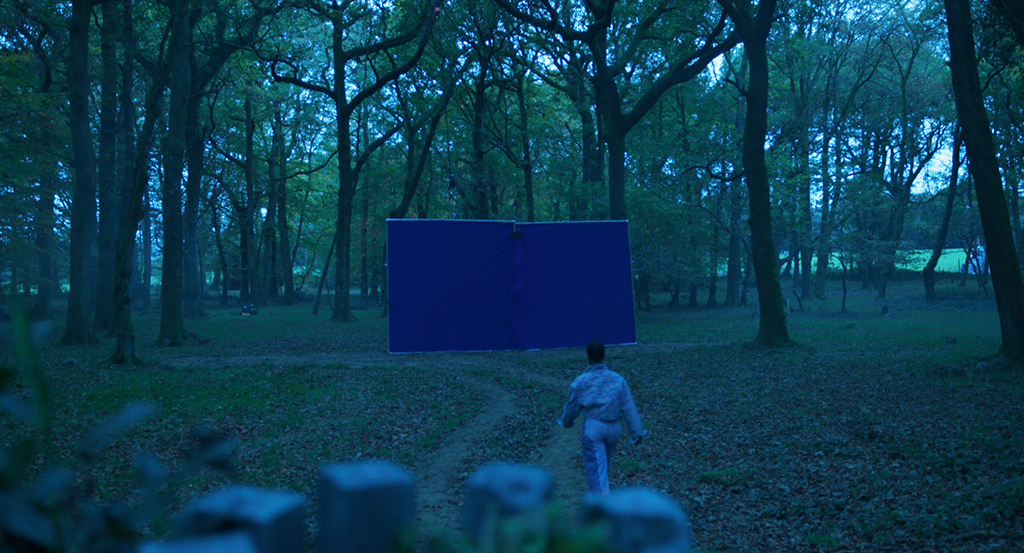
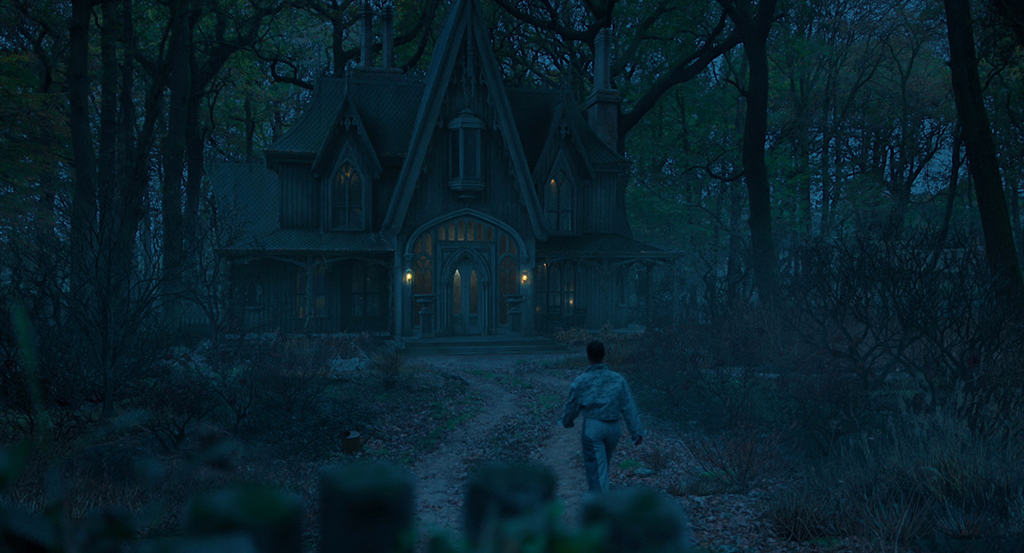
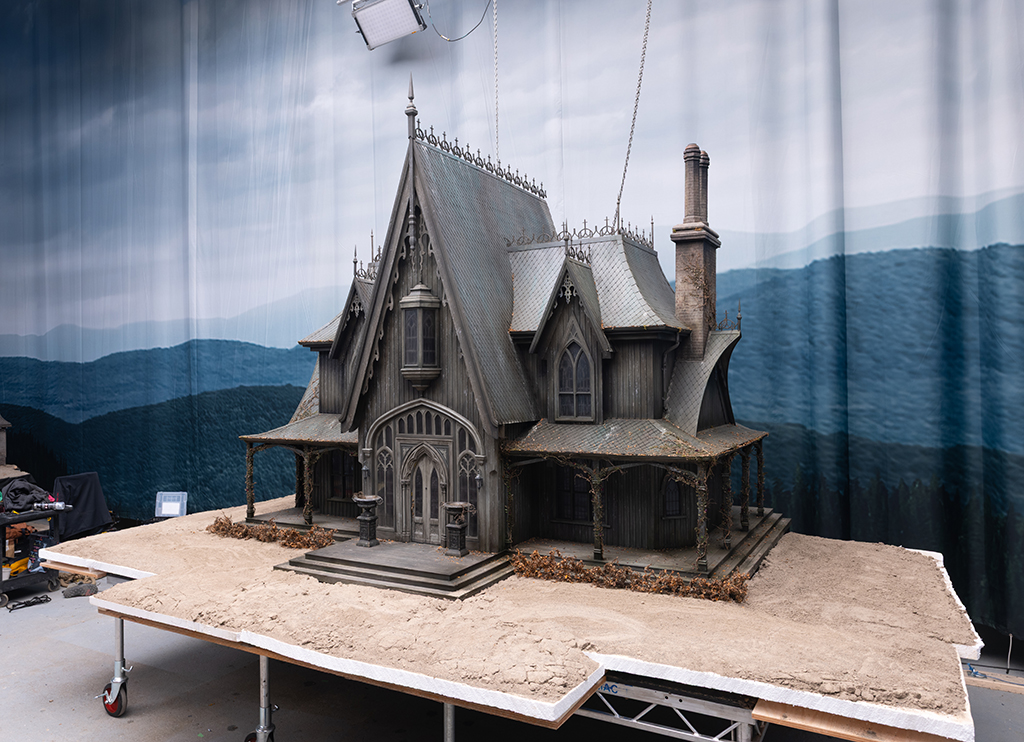
Another set that had to be altered because of the move from Romania to Ireland was the fictional town of Jericho, Vermont. Turnbull notes, “We had to create that as a 3D version, and it doesn’t appear in a lot of shots, but there’s enough where we had to rebuild a fair amount of that as a CG set. Probably nobody knows that it is a CG set. I’m revealing it now! It’s one of those where it came across quite flawlessly but was definitely a challenge because we weren’t sure how to do it going into Season 2, and it worked out well. It’s not world-building. We had already built the world but had to rebuild it.” The digital asset from Season 1 came in handy. Turnbull states, “When you’re on set, you try to document as much as you can, and there’s always a pushback. Do you really need to scan this set? To our credit in Season 1, we did document some of the sets and Jericho was one of them. That was the case of good visual effects due diligence paying off.” The Zipline sequence required some digital doubles. “We recreated Wednesday traveling on the zipline as a CG creation. A lot of that sequence was done practically with bluescreen and a camera moving back and forth. When we got into post, we realized that more was needed than what had been shot by the main and second unit. There are two or three shots with a CG Wednesday. We had a couple of minor digital doubles. The whole premise of the production side of the show is to lean into practical as much as we can and to enhance and make it better from that.”