Images courtesy of A24. Photos by Asterios Moutsokapas.

Images courtesy of A24. Photos by Asterios Moutsokapas.
What began as a viral photo of an empty room in a Wisconsin furniture store has become the source material for one of the biggest box-office hits of 2026. A24’s Backrooms, directed by Kane Parsons in his feature debut, expands the filmmaker’s prolific web series into a psychological horror film following Clark (Chiwetel Ejiofor), a down-on-his-luck furniture store owner who slips through a strange portal beneath his showroom into an endless maze of rooms and corridors, and his therapist Mary (Renate Reinsve), who sets out to find him.
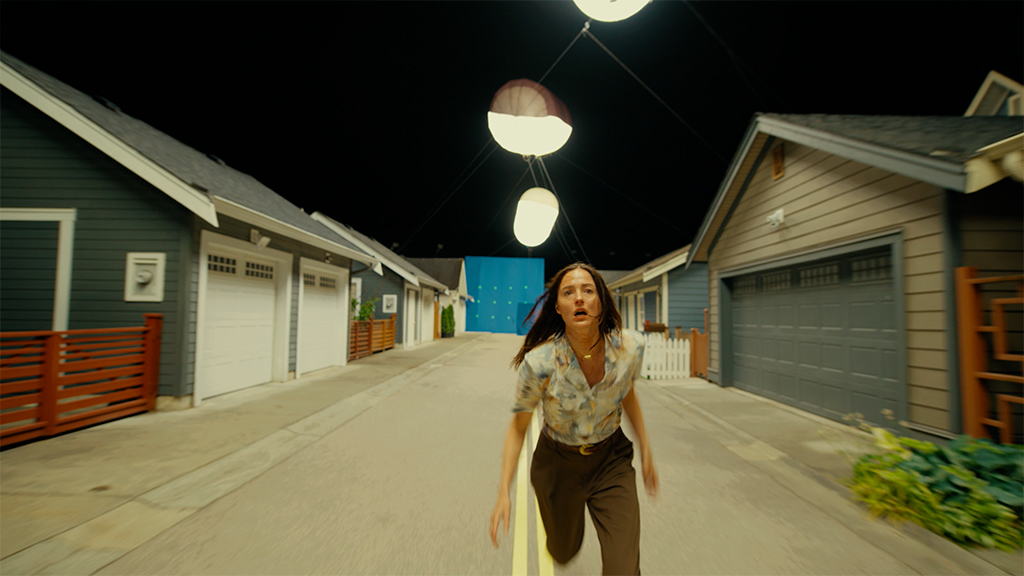
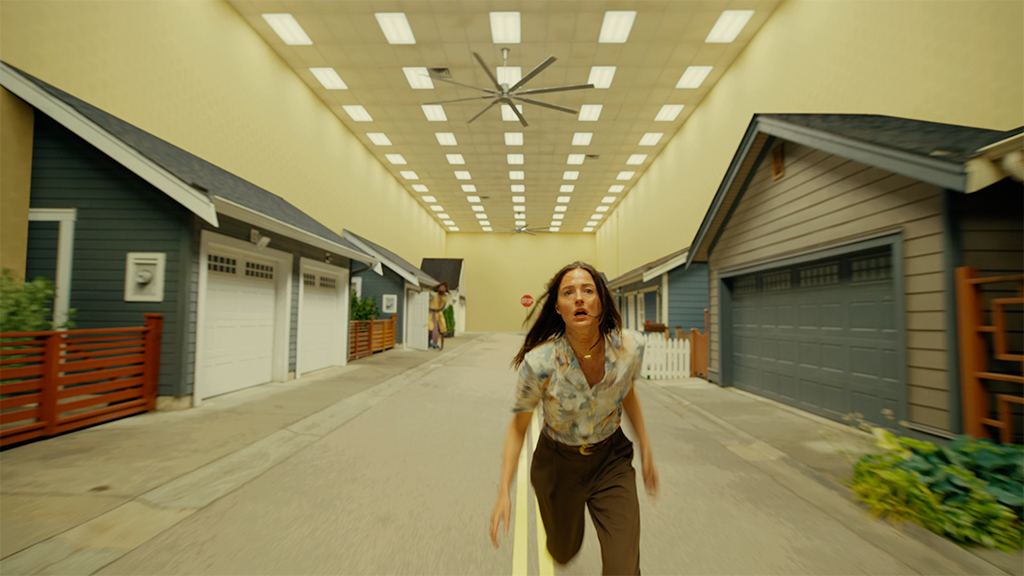
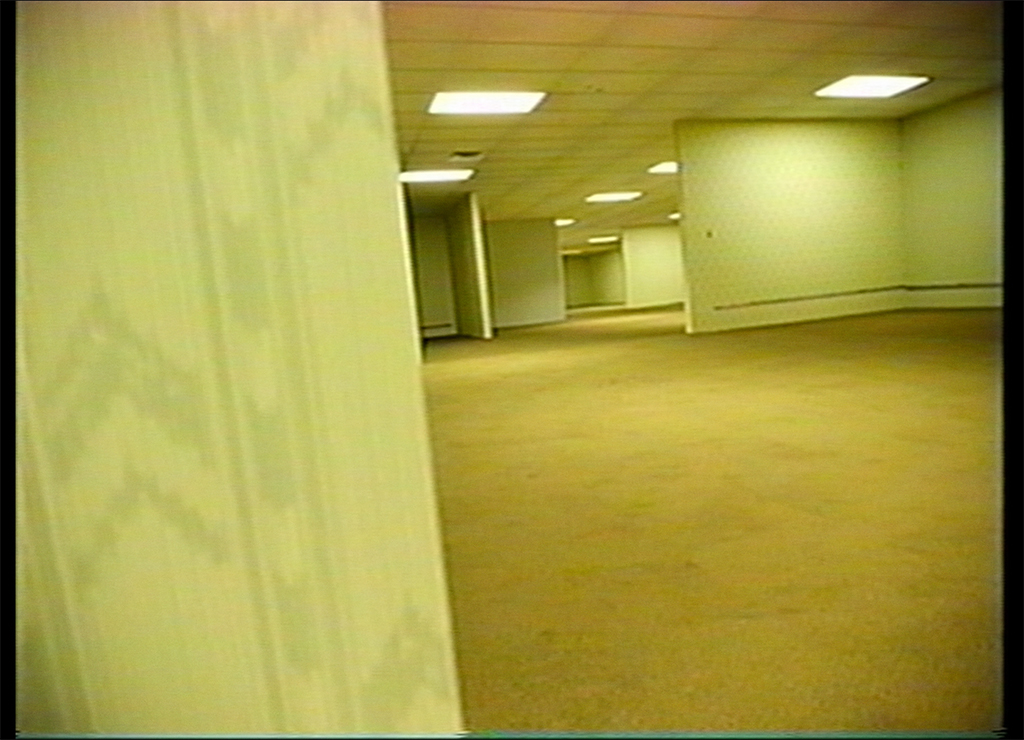
Parsons first began building his version of the Backrooms in Blender when he was 16. This early digital work eventually became part of the feature’s VFX pipeline, but the production was never built around the idea that everything should be CG. Physical sets, practical makeup, puppetry, simulations and digital environments were developed together, with the VFX team determining where the physical production had to hand things over. “There were certain moments where we were literally taking the Blender file he built when he was 16 and working off it, enhancing it, getting it ready for cinematic quality and then moving it into a production pipeline,” says Visual Effects Supervisor Edward Douglas.
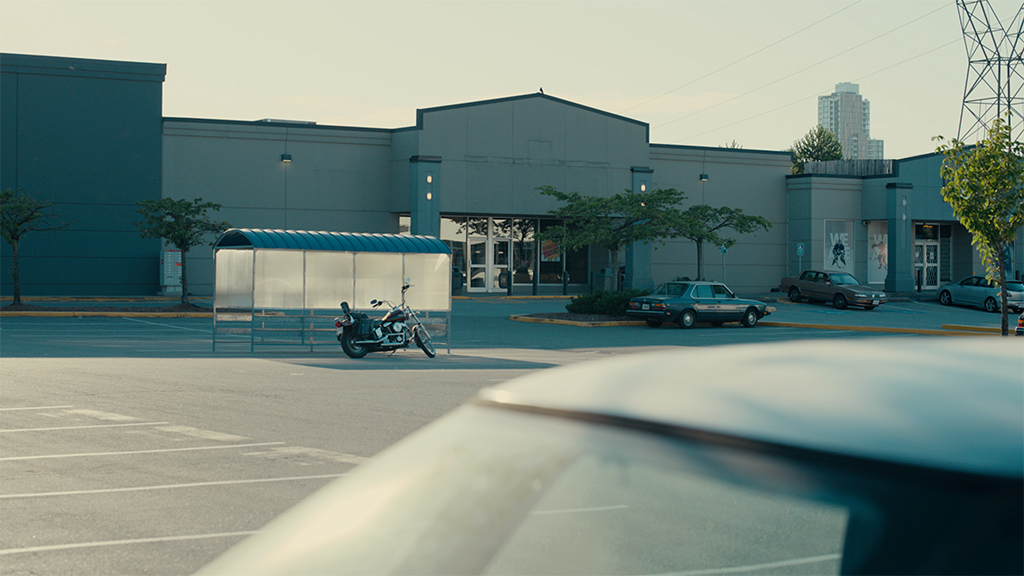
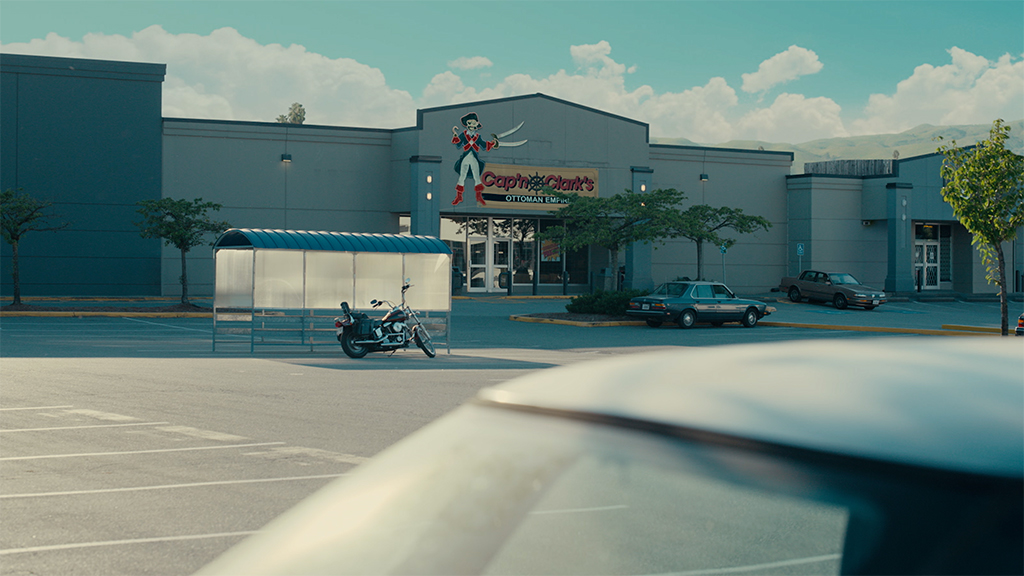
That Blender background also shaped how Parsons approached the physical production. “He was so committed to building a real practical world that the actors could live in and be in,” Douglas says. “He was not the kind of director who said, ‘I come from a VFX world and therefore everything’s CG.’”
Douglas describes the role of VFX in similarly practical terms. “I don’t think of visual effects as computer things. I think of visual effects as figuring out what tricks we need that we can’t film for real. My job as a supervisor is to make sure that whatever we can’t film for real ends up in the movie.”
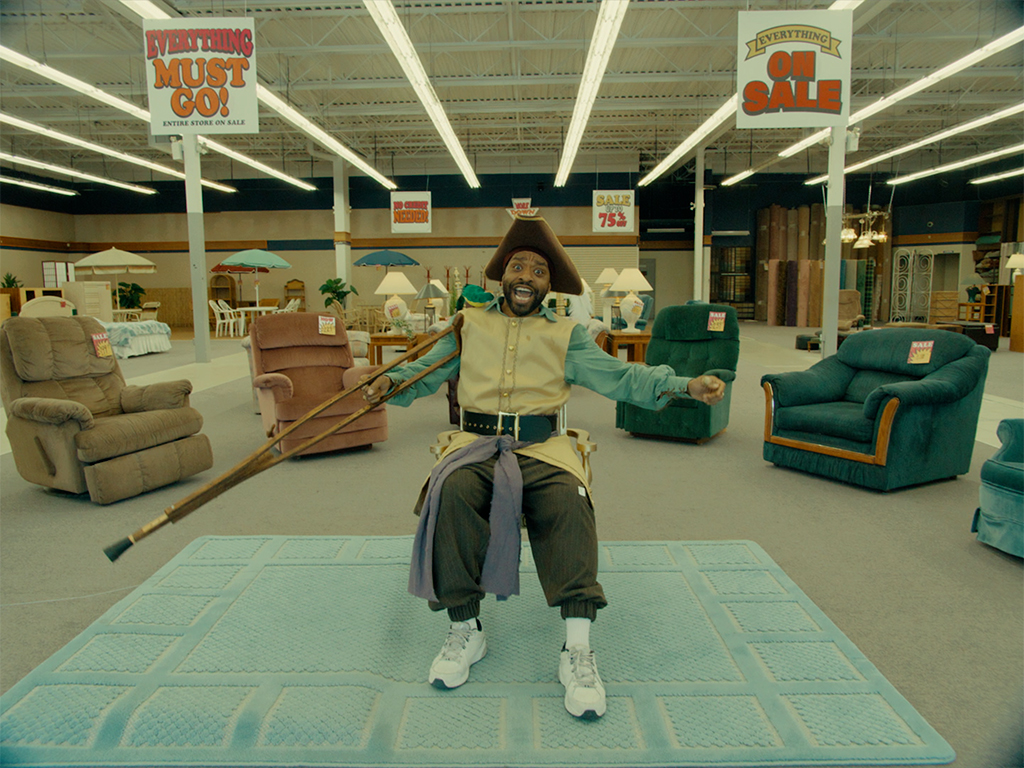
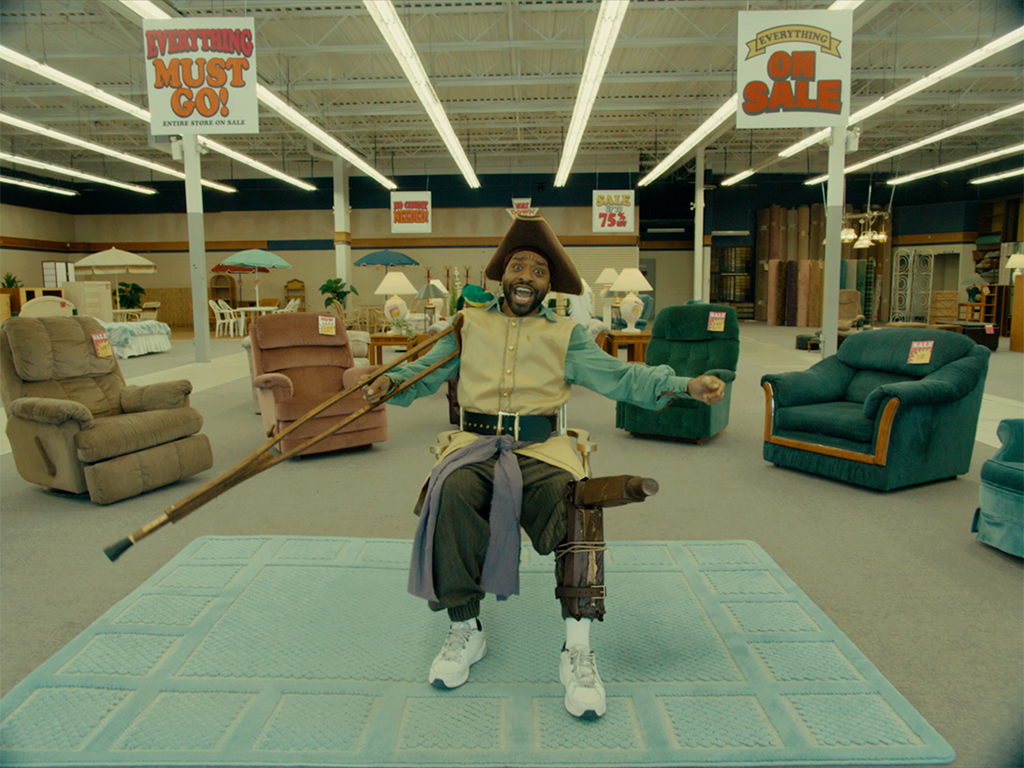
The production built roughly 30,000 square feet of sets across four sound stages, while Parsons had designed approximately 100,000 square feet digitally. “We’re all building this world together,” Douglas says. “Kane built these incredible sets, but there are key images that are full CG. There are moments where we are in Kane’s Blender CG world. There are moments where it might look like we are, but it’s actually a set.”
The blurred lines between practical and VFX became especially important for the clipping effects, which can be seen when the characters enter and exit the Backrooms. The actors could physically walk through openings in the sets and VFX restored the walls around them. “Clipping was an incredibly simple concept but pretty challenging to pull off,” Douglas says. “You have two objects in a computer and you’re just sliding them together. There’s nowhere to hide. So it was about letting the actors perform naturally and then adding in the walls where they would slide back through.”
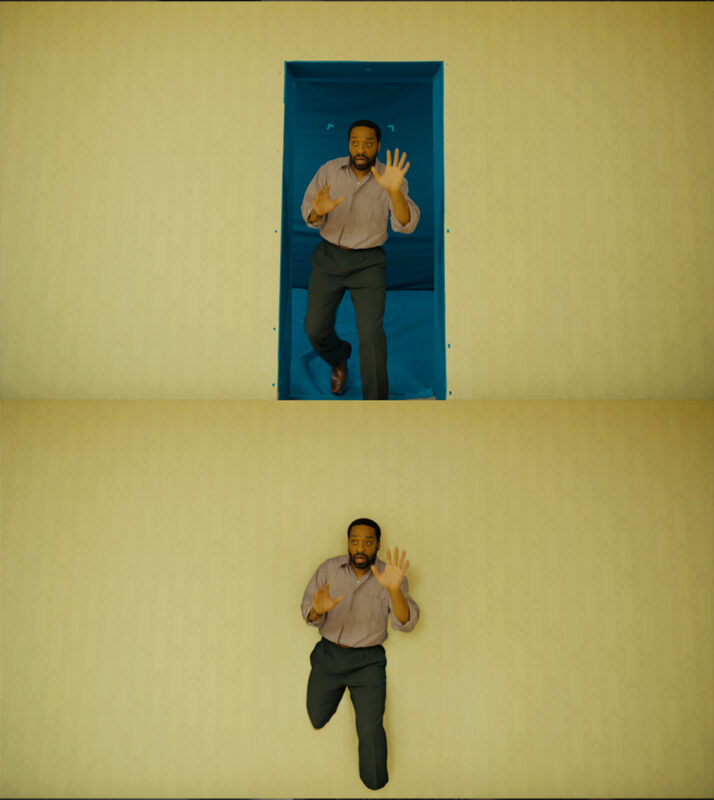
Mr. Wolf VFX handled much of the set-extension work, including some of the clipping. “The hard part is the clipping, which is a mix of rotomation, intersection and then hand rotoscoping to get the details really refined,” Douglas explains. “But the real trick there is the shadows. All the shadows you’re seeing on the walls are CG shadows projected from animation. What we found is the shadows and how those shadows appeared is what sold the effects.”
The Still Lifes pushed the production even further toward practical makeup. Makeup Effects Supervisor Werner Pretorius (Snowpiercer) and his team at Amazing Ape built considerably more of the creatures than Douglas initially expected. “There’s a lot of conversations about how much is practical, how much is visual effects, how much do we want out of these things? And ultimately it was a lot more practical than I expected it to be,” he says.
The redheaded Still Life’s design drew inspiration from sculptor Evan Penny’s work, particularly the idea of faces appearing smeared or distorted from different angles. On set, it was a test of endurance for actress Rhiannon Roberts. “We had holes she could see out of. She stood in that corner on those high heels in that makeup for three days while we filmed that scene. It was an incredible feat.” Douglas adds, “That was a masterful piece of prosthetics makeup.”
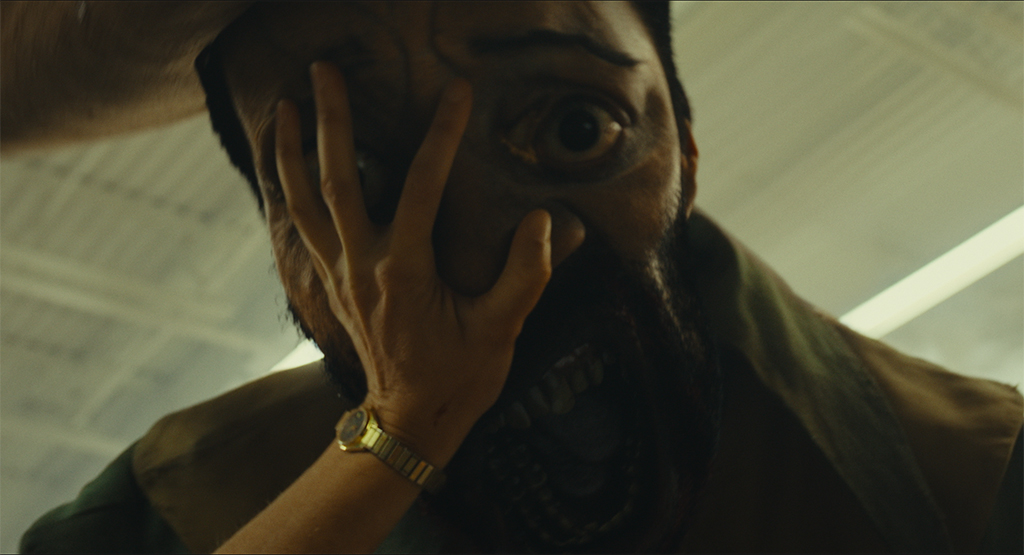
The striped-shirt Still Life followed the same practical-first approach. Roughly 90% of the face was prosthetic makeup, with VFX brought in for the character’s multiple sets of eyes. “It was an amazing prosthetic. For the VFX work to support his face, we made sure all the eyes looked the same. So the top and bottom eyes were prosthetic, glass eyes, but they didn’t really have any depth and couldn’t do anything. So in VFX, we replaced those with CGI, so it would look like the same eye line looking in the same direction.” Then came one of Douglas’ favorite details. “Whenever he blinked, we made the other eyes blink, but offset. So it was like creepy cascading blinks. It is so creepy, and I love it so much.”
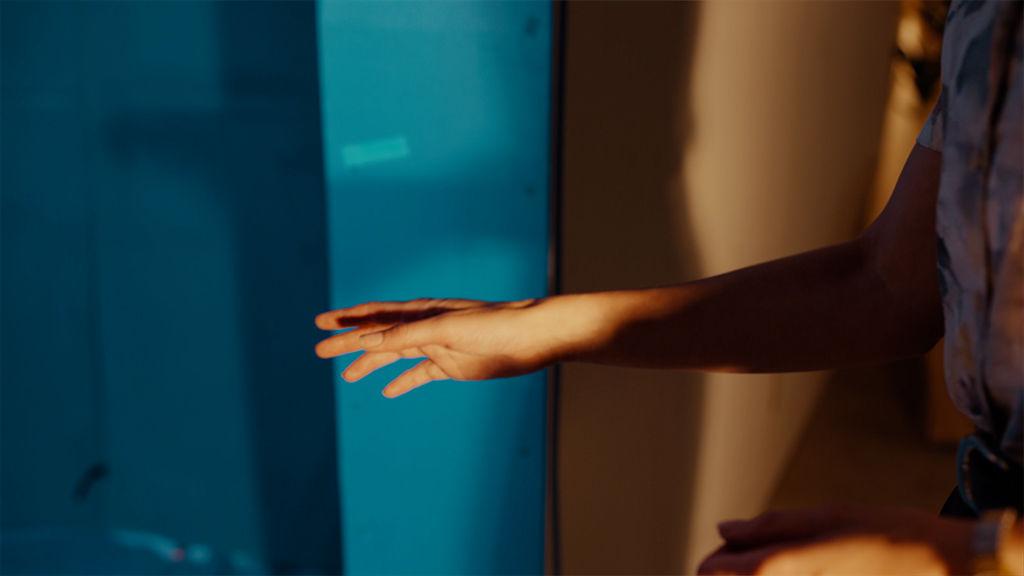
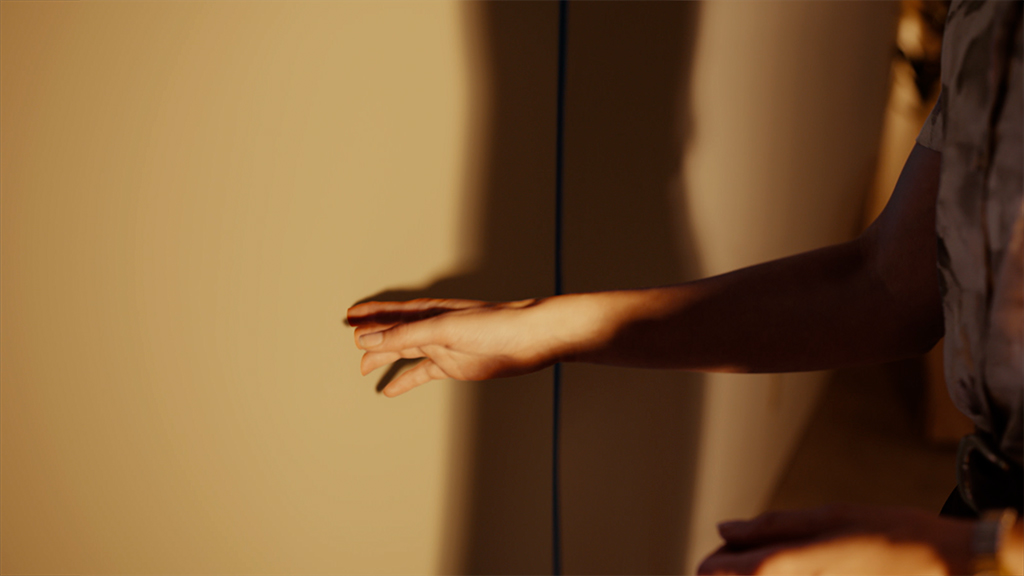
“Clipping was an incredibly simple concept but pretty challenging to pull off. You have two objects in a computer and you’re just sliding them together. There’s nowhere to hide. So it was about letting the actors perform naturally and then adding in the walls where they would slide back through. The hard part is the clipping, which is a mix of rotomation, intersection and then hand rotoscoping to get the details really refined. But the real trick there is the shadows. All the shadows you’re seeing on the walls are CG shadows projected from animation. What we found is the shadows and how those shadows appeared is what sold the effects.”
—Edward Douglas, Visual Effects Supervisor, Backrooms
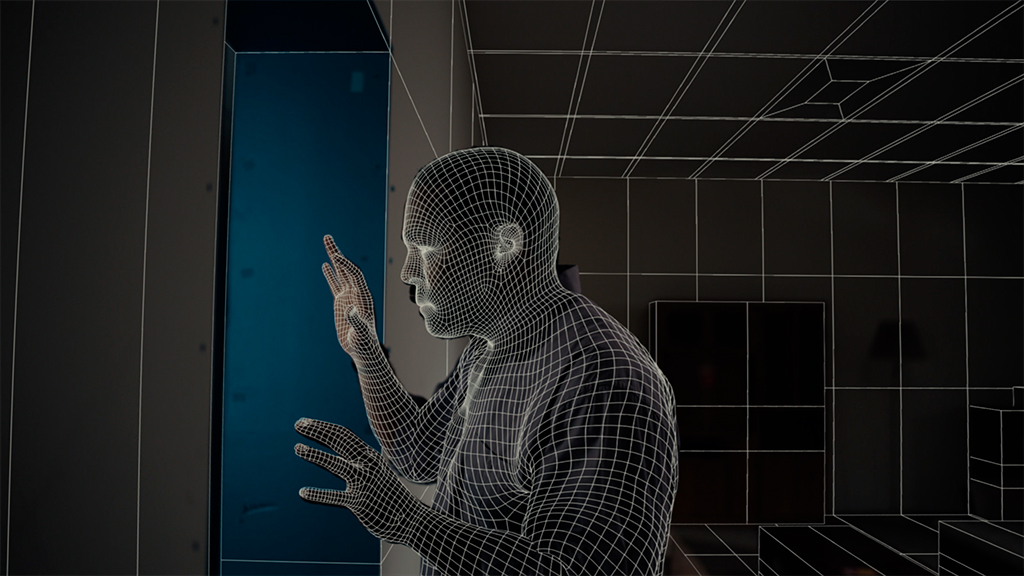
The practical work was convincing enough to trick other VFX artists. “When we sent the plates to the VFX vendor to work on the eyes, they looked at it and asked, ‘Do you have the originals without VFX on these?’” Douglas laughs. “They thought the prosthetics were CG because Werner and the Makeup Effects team did such a good job.”
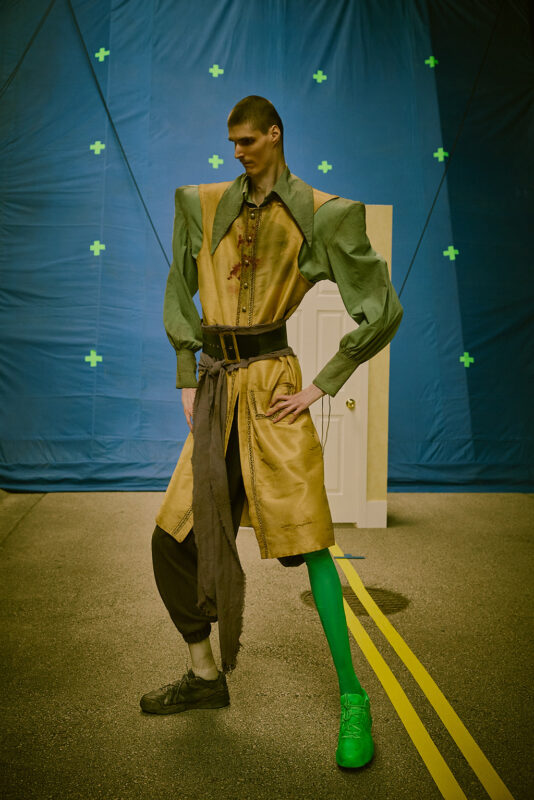
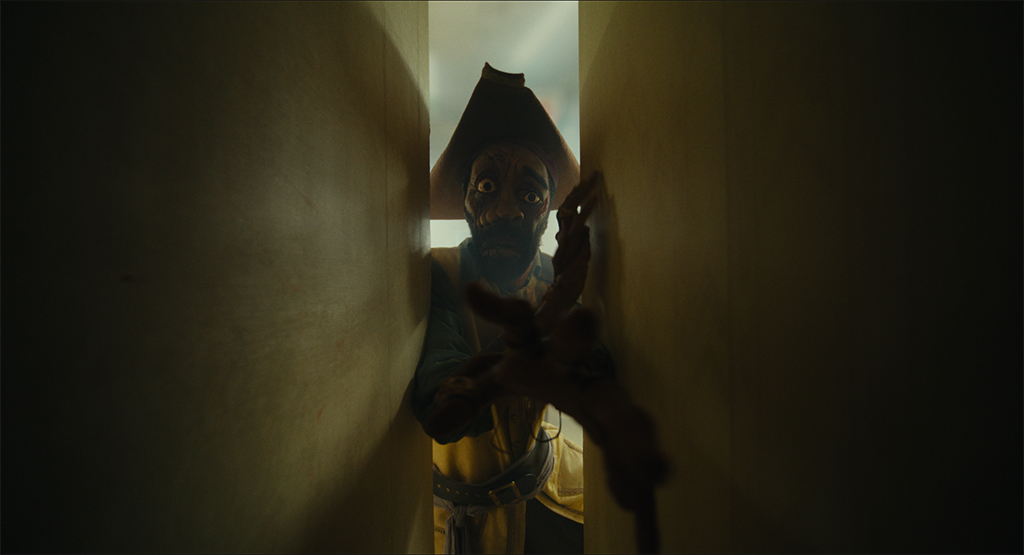
Pirate Clark, an 8.5-foot-tall duplicate of Clark, required a more complicated combination of physical performance, makeup effects, puppetry and digital facial work. The production initially considered putting a performer on stilts. “We spent a lot of time in production meetings talking through this. We were talking with our stunt folks, and they said, ‘No problem. Guy on stilts.’ And we started going down that path and thinking about how much time that takes and how much slower the process is.” Douglas says inspiration for a simpler solution arrived when someone suggested Robert Bobroczkyi, the towering performer from Alien: Romulus, for the role. “This was on a Thursday. By Monday, he was booked, and we started designing around that.”
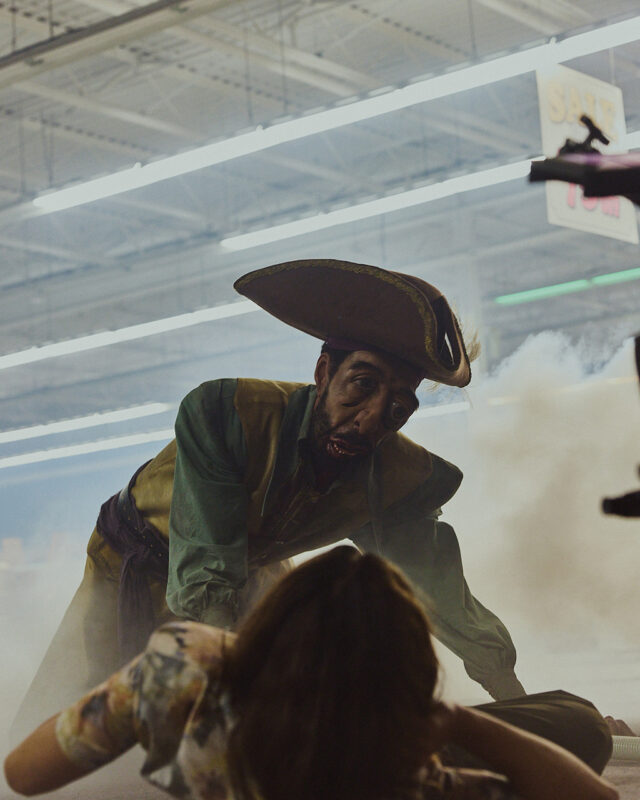
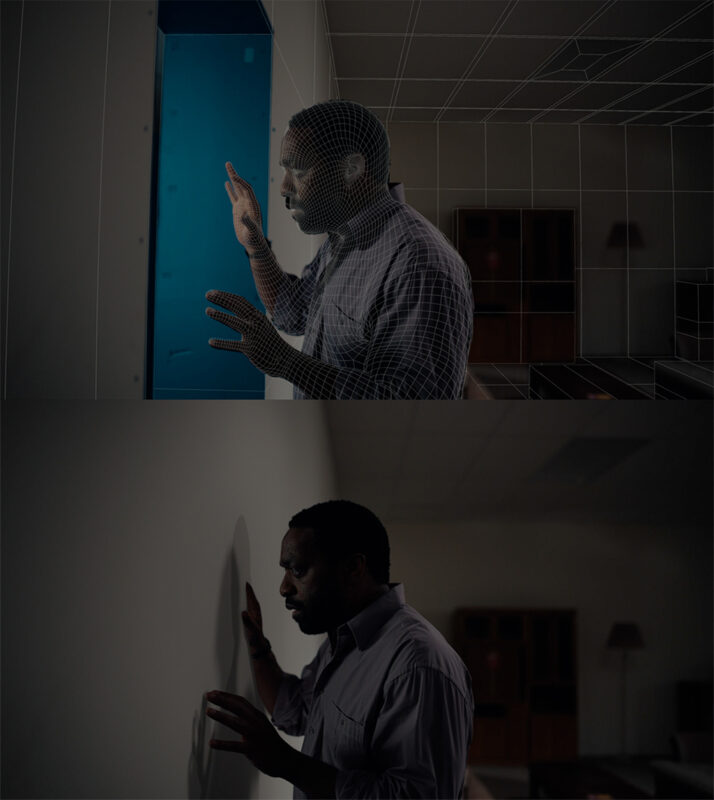
The practical performance remained central once Bobroczkyi was cast. “We got to really have the performance driven 100% from Robert and Richard [Darwin], the puppeteer,” Douglas says. The facial performance presented a new problem. The mask could not provide the facial articulation the character needed, so Zoic Studios built the CG face from a detailed scan of Ejiofor. “We tried some digital makeup tests, but it wasn’t quite far enough and we weren’t quite getting the emotion we wanted out of it. During post, we committed to updating the face, just the face, with CG, which meant we could go back to the original scan of Chiwetel – a very high-quality, very detailed scan of him – and then start modifying from that.”
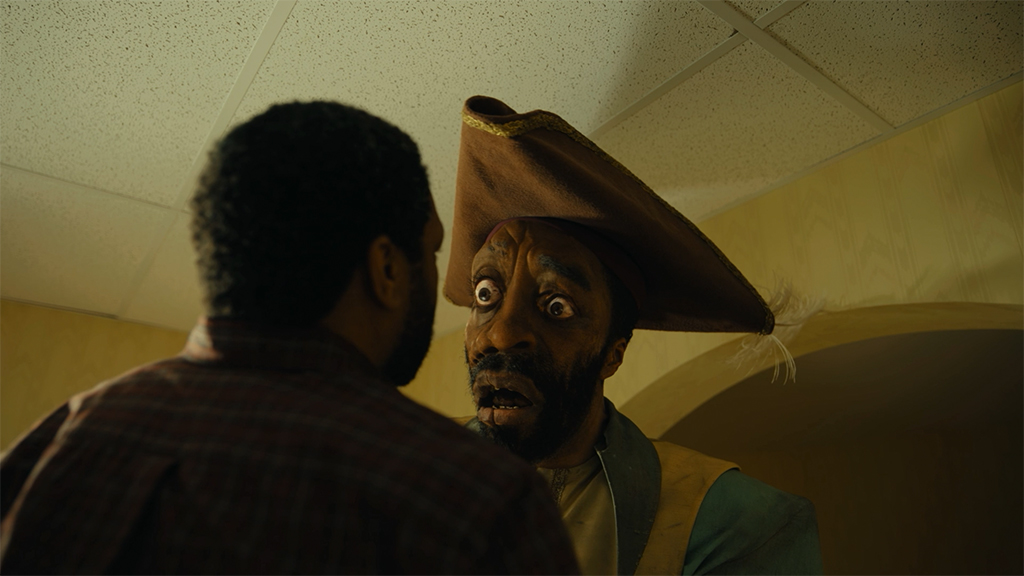
The animation had to preserve the character’s emotional performance rather than turn him into a conventional monster. “Some of the early instincts in animation was, ‘let’s give him a scary face and he’s gonna have furrowed eyebrows and snarls,’” Douglas notes. “Some of the very first iterations came in that way, which wasn’t at all right for the character. The context makes it scary. He doesn’t need a scary face. We wanted him to really express this fear and sadness.” That expression then had to remain consistent as the camera moved. “We had shots where the camera was moving toward him at different angles, his expression would change. Even if it was static, it would look different at different angles and different lightings. So we were constantly micro-animating adjustments to keep this expression feeling consistent.”
The same restraint applied when Pirate Clark bites Clark. “The puppet couldn’t do that much and we wanted to enhance that motion and increase the horror of it,” Douglas says. “We were committed to not replacing the body and not replacing the hat, which meant we had to find the action in the performance, in the body, in the face, in the mouth, without just making everything CG without doing a CG body and a CG hat for a takeover.”
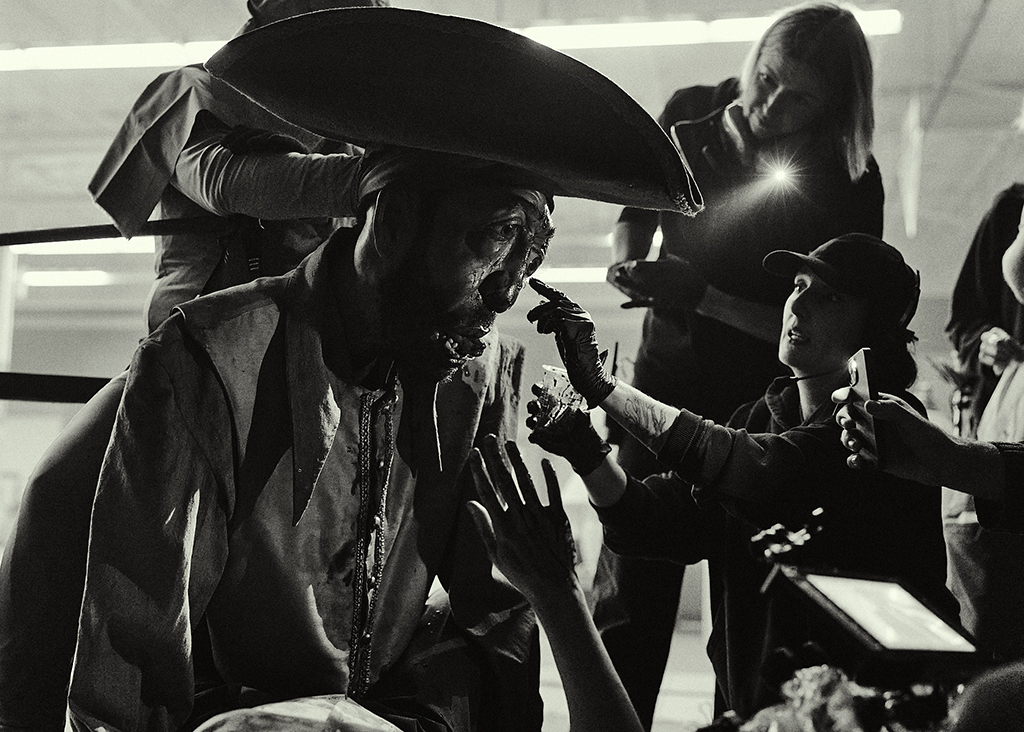
The final fight brought the practical and digital pieces together under even more difficult conditions. “The ending fight scene was a big challenge for the team because we have smoke, flickering lights and Mary pressing her hand up against the puppet, and now we have to make that hand press against a CG face.” Douglas even became part of the effect. “There are a couple shots of me in the movie when Pirate Clark is trying to grab at Mary. It’s actually my hand wearing the glove as a VFX element.”
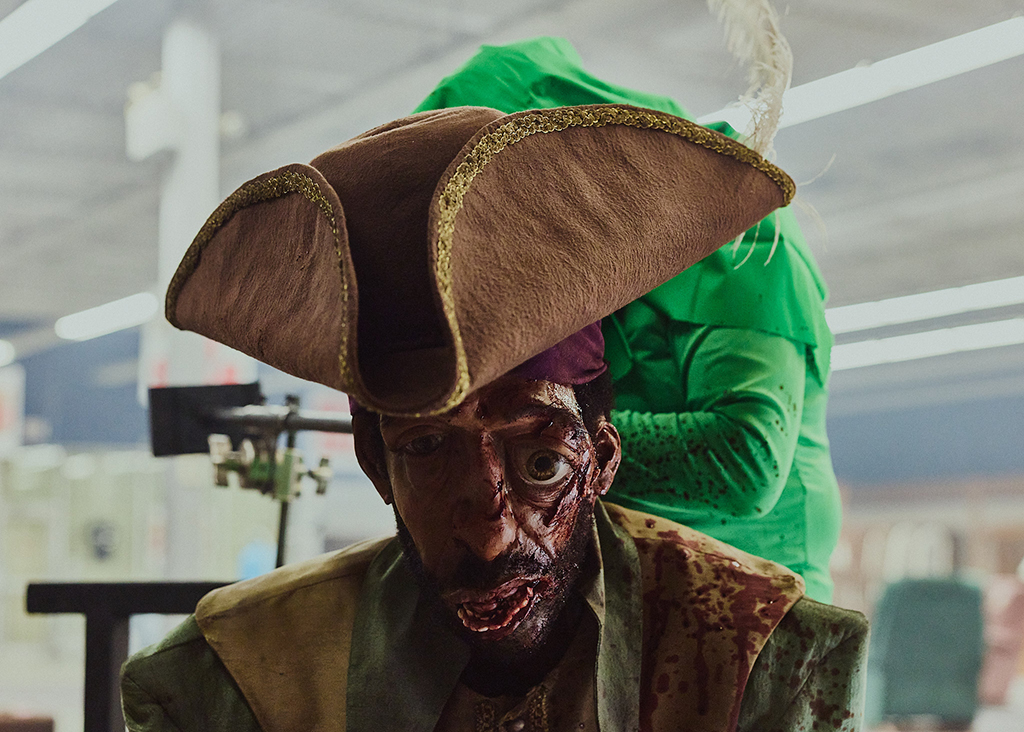
Having the physical puppet added authenticity. “For me, VFX starts with prep and great collaboration with the production partners, DOP, production design and the makeup effects team,” Douglas shares. “Because then you can ground everything in something that feels authentic in post rather than the guesswork when you use the traditional green stuffy and tennis balls. Yes, we had to roto and there was cleanup work around that, but there were no lighting notes.”
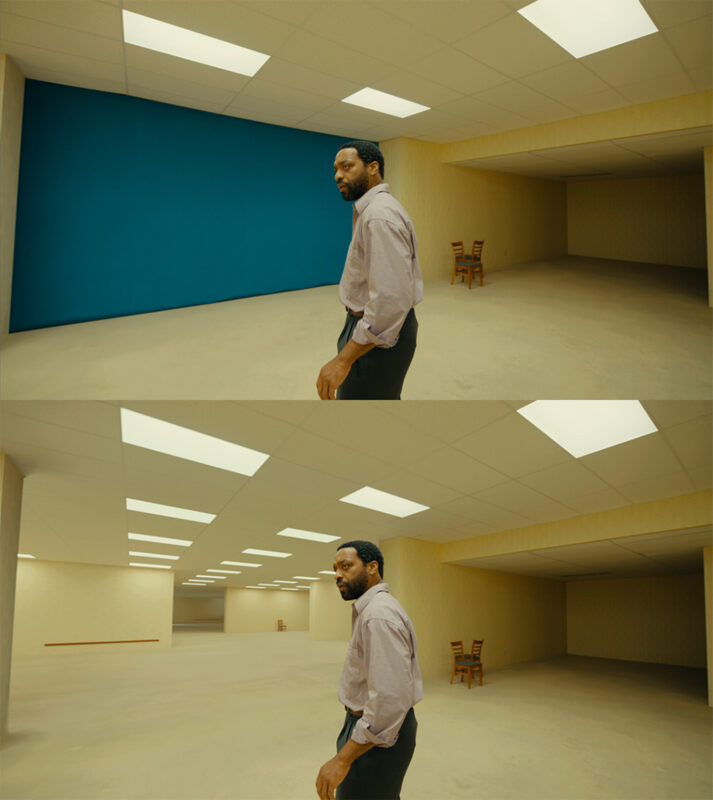
“The really fun thing about [Threshold Chamber] is that it was our most greenscreen or bluescreen intense set. We only built the door and the floor. Everything else was virtual.” The chamber also connected directly to Parsons’ earliest Blender work. “That is the one location that appears in Kane’s YouTube series. It was built off his original Blender file that he created when he was 16. We modified it, upres’d it, brought it into a VFX pipeline, and then we put it in the scene.”
— Edward Douglas, Visual Effects Supervisor, Backrooms
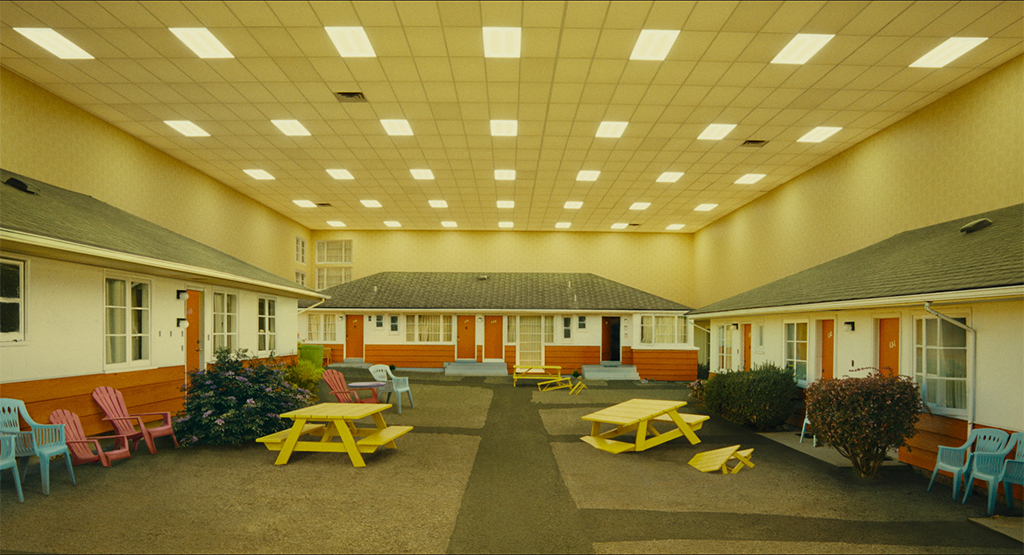
Goran Pavles and his team at Stormborn VFX (The Penguin) handled the water sequence and the destruction of Mary’s childhood home. “There’s a shot where the excavator smashes through the wall of Mary’s childhood home. We weren’t allowed to wreck a house. That was a full CG simulation where Goran and the team built a detailed interior of the house, period construction, created all the furniture that was pushed up against that door, and then destroyed it all in a sim. So it starts out all practical, and then as things start getting destroyed, the CG sim takes over.”
CoSA VFX, led by Brian Fisher and Tom Mahoney, came in toward the end of production for the Threshold Chamber, the room Mary is brought through near the end of the film. “The really fun thing about that set is that it was our most greenscreen or bluescreen intense set,” Douglas reveals. “We only built the door and the floor. Everything else was virtual.” The chamber also connected directly to Parsons’ earliest Blender work. “That is the one location that appears in Kane’s YouTube series. It was built off his original Blender file that he created when he was 16. We modified it, up-res’d it, brought it into a VFX pipeline, and then we put it in the scene.”
Roxel Creative was another key partner, with Associate VFX Supervisor Calvin Romeyn working closely with Douglas across the film. Romeyn was particularly involved in the Blender-based pipeline, helping bring Parsons’ digital environments into the VFX workflow and collaborating with other vendors on sequences. The scale of the work was substantial for an indie film. “The whole movie just has one hour and eighteen minutes of VFX in it,” Douglas notes. “We delivered 600 VFX shots. But there’s only 830 shots in the entire movie. So that is enormous for an A24 indie film with a $10 million budget. I’m incredibly proud of the challenge the whole team pulled off, because it also includes 10 minutes of full CG, including the found footage in the opening.”
The production worked with 11 external vendors plus the in-house team: Zoic Studios, Roxel Creative, Mr. Wolf VFX, CoSA VFX, Barnstorm Visual Effects, Stormborn VFX, Shapeshifter VFX, OscarFX, Rotomaker, Beyond Performance Capture Studios and Industrial Pixel 3D Studios. Parsons also remained close to the VFX pipeline. “He’s very happy to jump in and do it himself and it’s what he does,” Douglas says. “Sometimes he may have a note, but him just logging in and doing the thing is going to be much more efficient and closer to his vision than passing a note through me and then I go to the vendors to work on it and come back hoping we got it all right.”
Some of the effects existed simply to make the physical photography work safer. “In Clark’s pirate commercial, for safety reasons, his peg leg is entirely CG,” Douglas says. “On set, hopping around with a peg leg and then sitting in the chair that would collapse wasn’t gonna be safe or practical. So we ended up doing a pants replacement and a peg leg addition to him for that.” Most exterior shots also received digital treatment, including the replacement of modern Vancouver skylines with period San Jose views. The team adjusted skies, clouds and other details while pushing toward what Douglas describes as an “uncanny dreamcore feeling.”
The VHS material brought the same hands-on thinking into the film’s analog imagery. Douglas says, “Everything we did with the VHS was actually going through a VHS machine. We were doing frame-rate conversion, tape speeds, tracking, all of that.” Parsons also used a physical distortion box. “It’s almost like a guitar pedal where he could press the button to get more distortion, just jamming distortion into the cables going between the computer and the VHS machine. Which is really cool. It was super analog. None of that was digitally simulated. We knew we wanted to be very authentic to that old technology and have everything go through this analog process.”
For Douglas, that kind of decision gets back to how the production approached the entire film. “It’s one of the joys I have working with this team. We get to all jam together on the best ways to do all these gags and figure out how far we can go with the practical effects, the makeup effects and the special effects, and when VFX kind of finishes it. It’s always such a collaboration between all the departments. And if you don’t know where one starts and one ends, it makes it that much more magical.”