
As CGI permeates film and television productions, opportunities have increased exponentially for visual effects studios to grow from hired hands to creative partners in the design and execution of shots. On projects that rely on a single vendor, this collaboration can extend to vendor-side VFX supervisors taking on production-level responsibilities. As digital technology has matured over the past three decades, studios and filmmakers have gained extensive experience with the visual effects process and now treat it as a standard part of their creative toolkit.
“It’s an incredibly fluid world right now,” Chris Jones, Founder and Executive Creative Director of Zoic Studios, states. “Each show seems to have its own ecosystem. In some scenarios, we are the sole vendor, which is advantageous for a lot of reasons. The show is not being piecemealed out across a ton of different vendors, so you have a much greater view of the overall project and can contribute at a higher level. Also, when you have a vendor-side supervisor, they tend to be involved at an early stage, so they’re helping to shape the creative. That can be advantageous to production because you’re building within a budget to give the show the maximum amount of creative. The other side of it is when you have a production-side visual effects supervisor, you tend to do work that’s in your wheelhouse, which makes it a strong production. This itself is an advantage. A sole vendor isn’t necessarily focused on what it does well, and time-consuming tasks can become distracting. There are a lot of advantages and disadvantages to both ways.”
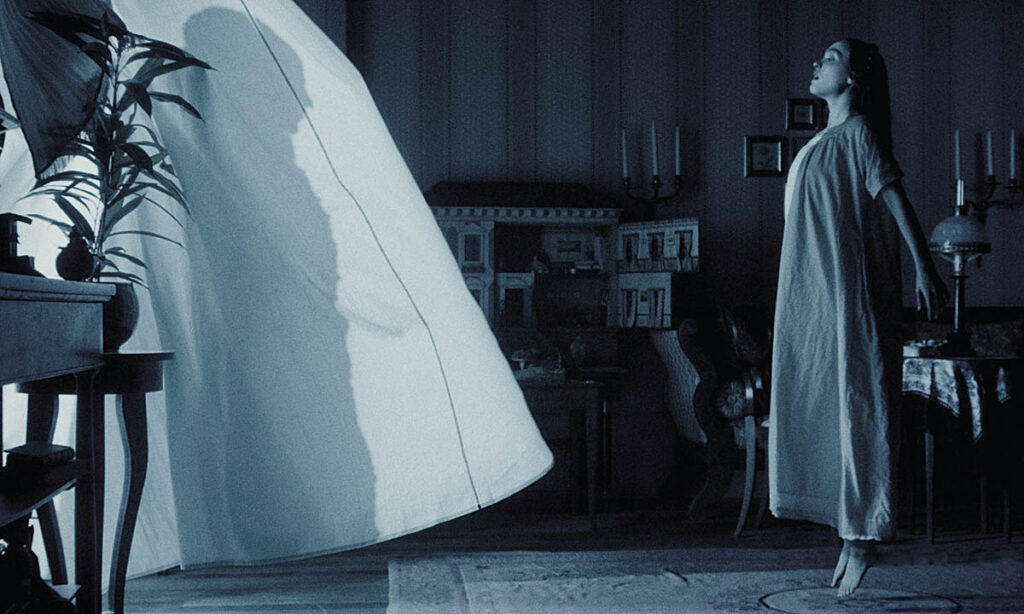
“It’s an incredibly fluid world right now. Each show seems to have its own ecosystem. In some scenarios, we are the sole vendor, and that becomes advantageous for a lot of reasons.”
—Chris Jones, Founder and Executive Creative Director, Zoic Studios
Visual effects have become a necessity, but at the same time, they’re treated as taboo in publicity campaigns. “As far as affecting the creative, it affects the morale of the artists more than anything,” Jones remarks. “We all got into this because we love creating things. As with anything else, whether it’s monitoring comps or full CG shots, every artist goes into it knowing the work they’re putting on the screen is the best it can possibly be, given the time and budget. When filmmakers turn around and say, ‘There were no visual effects in it.’ From a company standpoint, you understand that, smile and know deep inside that there were hundreds of visual effects in it. The filmmakers know how valuable our contributions are to the storytelling process. Generally, it’s a very good relationship. You’re always working hand in hand with filmmakers to generate the best possible shots.”
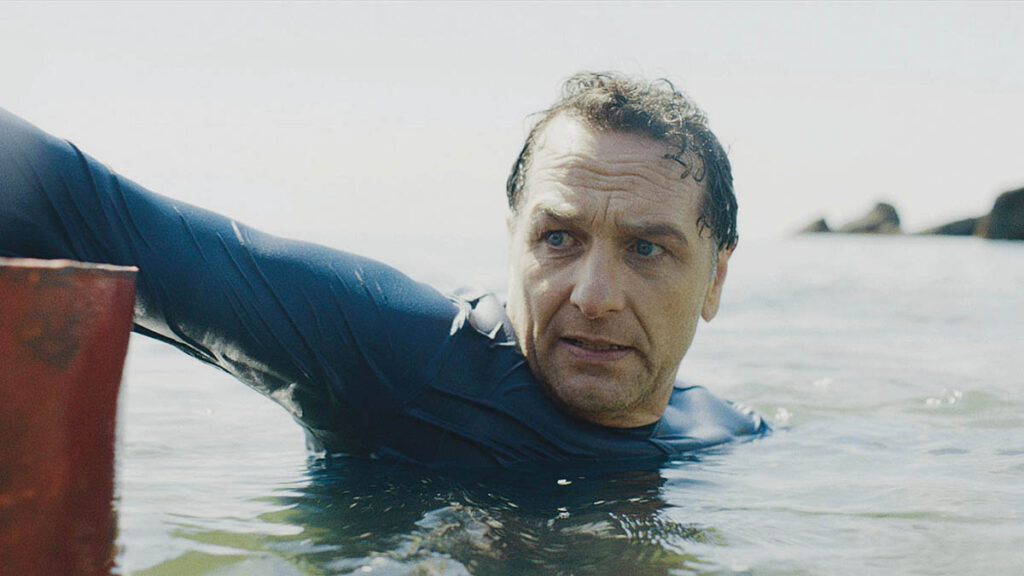
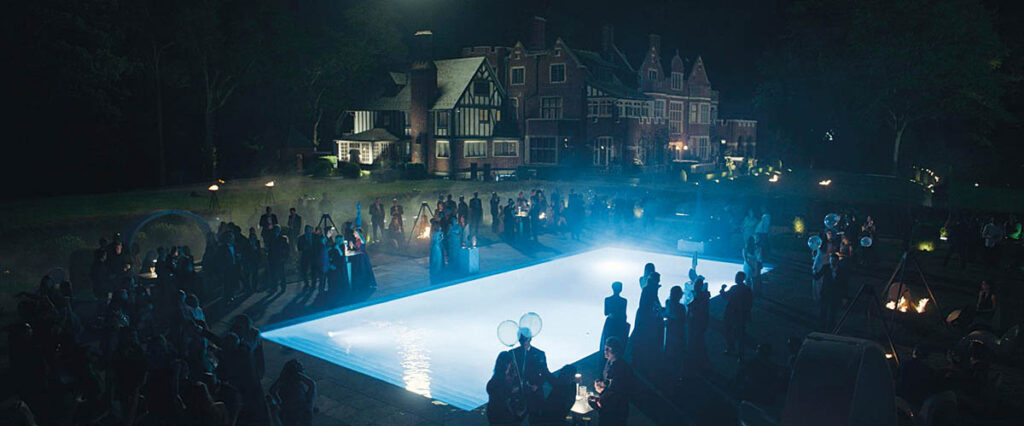
Creativity is determined by the context behind the visual effects work. “If we’re creating visual effects that are needed to tell the story, then we are part of the creative braintrust and help to solve how we’re going to bring audiences to different worlds and create various characters,” Christa Tazzeo Morson, Vice President of Global Partnerships and Executive Visual Effects Producer at Rocket Science VFX, states. Filmmaking has shifted from a linear process to a more vertical one. “You have many departments operating a lot earlier on the front end, rather than waiting for each department to move down the line to finish the movie or television show. The pandemic and remote toolsets have helped with that. Editing and sound are starting earlier. Everyone’s trying to push it as early as possible, so that you’re creating a dynamic blueprint of what the finished product is going to look like.” Art departments have become commonplace within visual effects studios. “We work closely with filmmakers at various stages. It depends on the size and scale of the show you’re delivering. If you have heavy R&D and are creating a new effect or look, then it makes sense to have a bigger art department for that at one of the larger vendors. A lot of times the ideas are created on the production side, and visual effects adapts them into the digital world.”
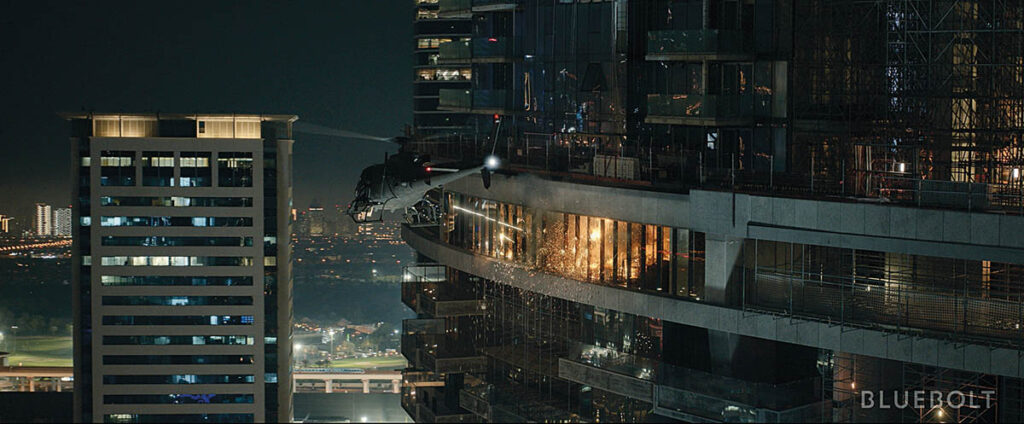
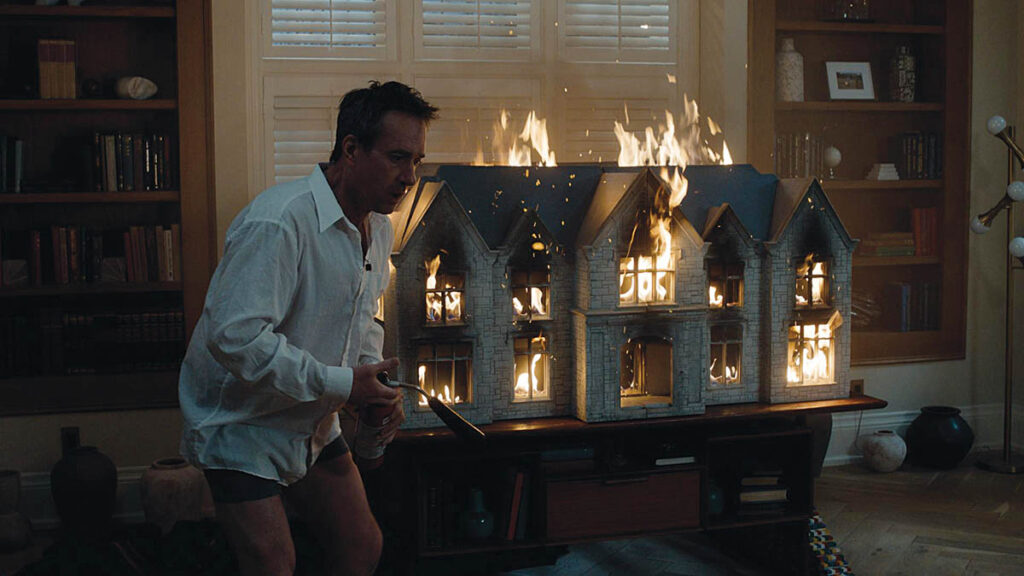
Unreal Engine is a powerful tool for previsualization. “Unreal Engine helps to elevate the overall quality and finish,” Morson remarks. “Clients are continually pushing for higher standards. They want to see more advancement and efficiency in the process. Unreal Engine allows us to work in real-time, back and forth with our clients. Also, it sets a stronger foundation for the production. We can develop cameras and blocking and work more collaboratively in real-time within Unreal Engine.” Everything centers around collaboration. “A lot of it is in the management and delivery. You certainly need creative and technical brainpower and the ability to execute. But like much of the world, it’s relationship driven. When you have a shorthand with a particular supervisor, producer or director, there are some advantages there. People like to work with likeminded people, and sometimes people who bring something unique to the table they might not have thought of. The key is for VFX studios and talent to do what they do best and build relationships with their clients. Ultimately, that’s where there will be success.”
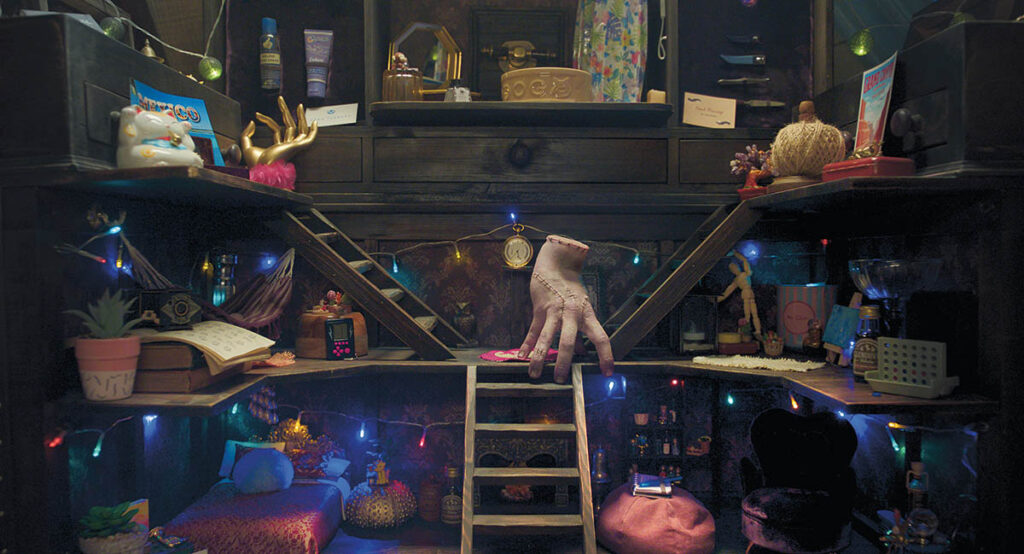
Partnerships with the other departments need to be forged. “Visual effects is one of the few departments that needs to interact with almost every other department, including post,” Tom Mahoney, Founder and Partner of CoSA VFX, notes. “On big projects, visual effects is involved from the concept stage through to delivery. On a given project, there’s almost no way I’m not in close communication with the stunts supervisor, special effects supervisor, cinematographer, camera operators, wardrobe, makeup, transportation and props. There’s almost no department I don’t talk to at some point to make sure they’re aware of what we need to do and the specific parameters we may need to operate within. Because I want to tell them, ‘If you do this with a certain prop, that’s going to screw us up.’ Or, ‘if you can’t do this with a certain prop, we can fix that and make it work.’ It’s always a reciprocal relationship. I never want to say that visual effects should do everything. We shouldn’t. Truth be told, if you can do it for real, do it for real. There are three places where visual effects will definitely be needed. If something can’t be done physically, like shooting in space, then visual effects come in. If it’s not safe to do within a reasonable thing, we should try to take it over. If it’s too expensive or logistically prohibitive to do it practically, like one shot of a cruise ship on the horizon on the ocean. Could you shoot that practically? Sure, but it’s going to be a lot cheaper to do a visual effect there.”
Finding better ways to communicate is key in any industry. “The biggest waste is miscommunication,” Mahoney states. “It happens internally in companies and in productions. It occurs all the time. A miscommunication can cost hundreds of thousands of dollars in bad cases. Everybody is always trying to improve that. I would also like to see visual effects valued for what it is. It’s neither good nor bad. We can’t use visual effects because it’s bad, or market it by saying we didn’t use visual effects, even though a ton were used. It’s like cinematography, editing or art direction. It’s another part of what’s going on, and I don’t like it being vilified. I don’t understand it.” The actors’ strike caused a major reset in visual effects expenditures. “The pandemic slowed down the productions, but, specifically, all the linear networks were terrified by what was happening with the streamers. As soon as the pandemic ended, they all jumped to: ‘We’ve got to produce as much as possible.’ Especially on the streaming side. There was a lot of work. Then accountants started catching up with the desire to beat Netflix and said, ‘This isn’t working.’ What the actors’ strike did was give every accountant a chance to say, ‘Put the brakes on what you’re doing. We can’t be spending money like crazy as we’ve been doing for the past 10 months.’ Everybody thought that when the strike ended, the industry would go back to where it was before the strike in March 2025. That didn’t happen. Just now we’re getting to a new equilibrium.”

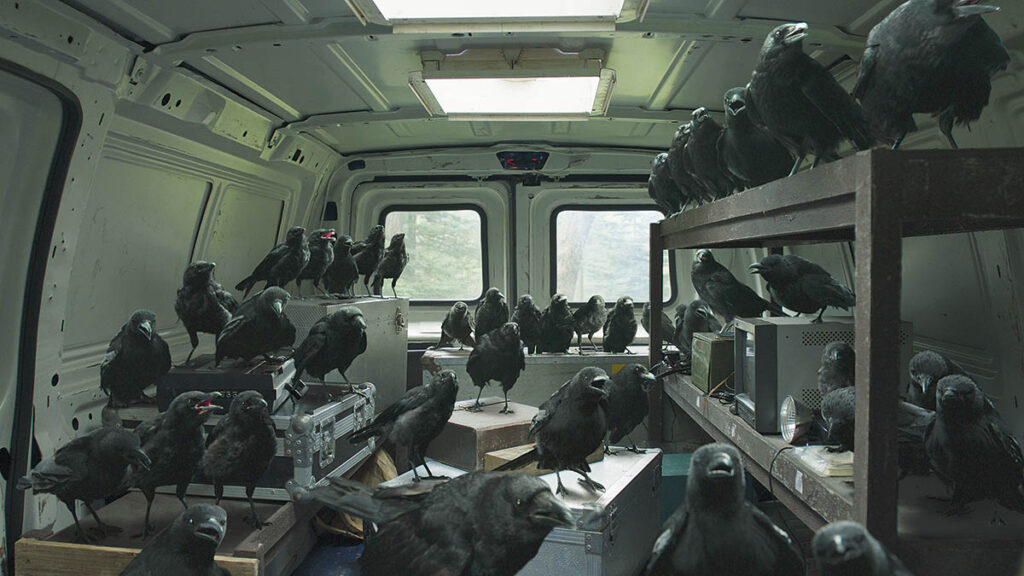
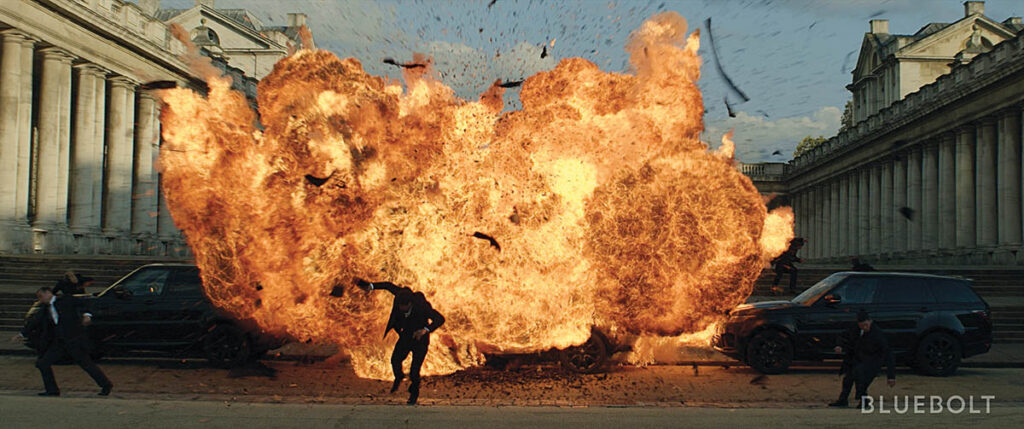

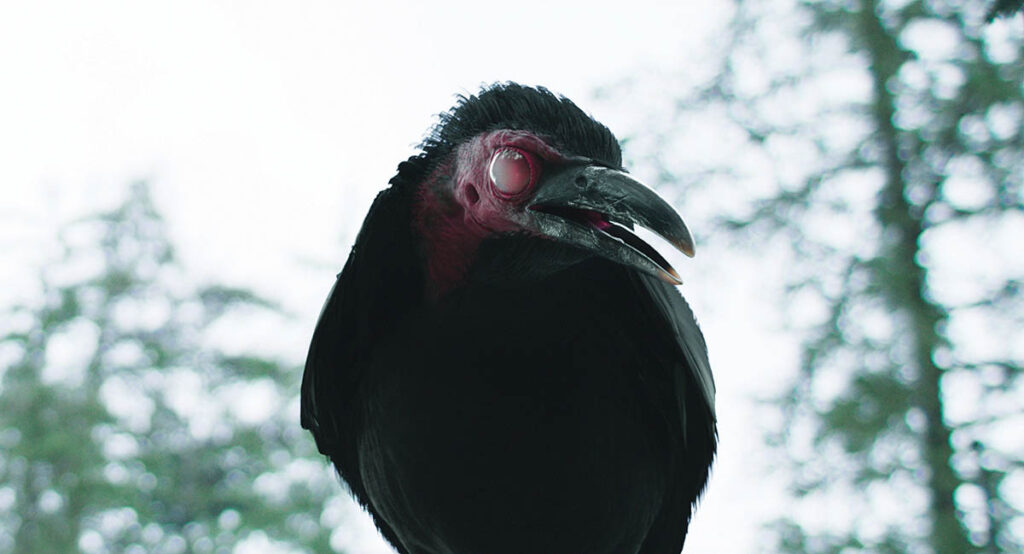
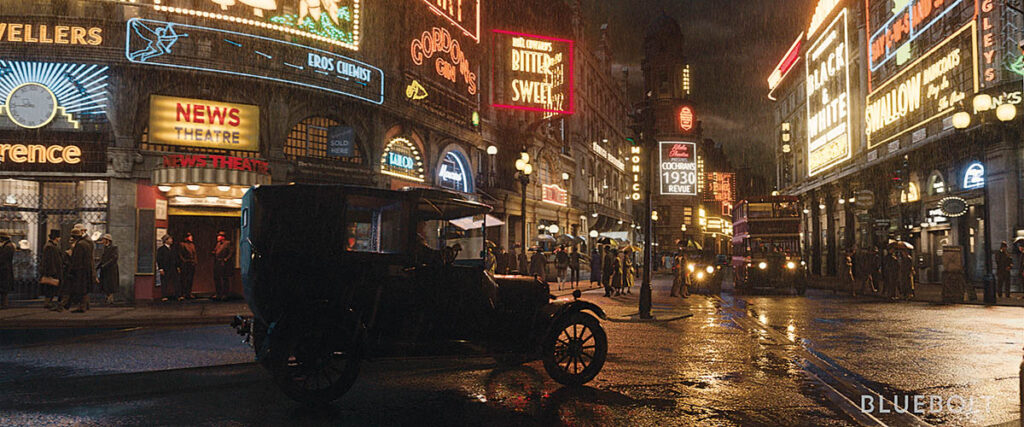
Over the past three decades, digital effects have vastly improved and been adopted as an essential filmmaking tool. “The studios are getting better at integrating visual effects into the process and understanding what to expect and what to use it for,” Henry Badgett, Visual Effects Supervisor and Creative Director at BlueBolt, remarks. “But there are always individuals in the system coming up on the production side where visual effects can be an impenetrable subject because they haven’t come across it before.” Creativity comes in different forms. “We see ourselves as creative problem-solvers rather than the genesis of the creative idea,” Tracy McCreary, Managing Director at BlueBolt, observes. “A filmmaker may make 15 to 20 films if they’re super successful, but it doesn’t mean it’s going to be the same thing over and over again. There’s always going to be a new problem to solve.” Digital tools are not confined to visual effects. “The art department has become more digital, and we slightly speak more of the same language,” Badgett remarks. “I love it when they can isolate something that is clearly easier for us to do, like a poster or billboard that is above the heads of the actors. We are seeing better editorial temp comps these days, and directors get attached to them because they look quite good to start with. A good editor can capture the gist of a shot in a short time, which is often the most important thing. Although we’re doing it again at high resolution, a junior artist typically struggles to reproduce the feel a senior editor has achieved with the timing just right. It’s a useful guide; however, slightly less creative for us.”
While visual effects are more accessible than ever, productions continue to rely on specialized VFX studios. “Maybe at the lowest end of indie filmmaking there is somebody in their bedroom who can do it with Blender, and at some point, the visual effects houses are compared to that by somebody,” Badgett notes. “We’re not quite in that realm. The indie films we used to do at MPC 25 years ago would have five to 10 visual effects shots, with a maximum of 20, of which two or three would be big ones. Now the same sort of indie film will come along, and they will have absolutely no limits on what they’re going to ask us to bid on; that might inform what they keep, lose or go out to shoot.” The workload has shifted. “No film can go out there with things that need to be cleaned up remaining on the project,” McCreary states. “They have to find the money for these things because audiences have such different expectations these days. Whereas 15 years ago, the work we did would be comprised of the big visual effects plus a bunch of other smaller stuff; the smaller stuff now ends up happening in a post house.” Accommodating the various needs of filmmakers is a core principle. “Some visionary filmmakers want to control every single aspect of the frame,” McCreary remarks. “That is okay. Being part of that journey is incredibly rewarding. It is mind-blowing how meticulous writer-director Robert Eggers is about everything.” There is also the opposite side of the creative equation. “Other directors come in and ask, ‘What do you have that looks good? What do you have in your toolbox? What do you recommend?’” Badgett observes. “That is fun in a different way. It’s giving them the options and guidelines, then they go off and decide what they’re going to do.”