Images courtesy of Prime Video

Images courtesy of Prime Video
For the first time in 18 years, Emmy-nominated VFX supervisor Stephan Fleet is looking for work. After eight years overseeing the visual effects for 40 episodes of The Boys, the Prime Video series created by Eric Kripke, Fleet is closing the book on a defining chapter of his career, following the series finale of the superhero satire that pushed its visual effects to outrageous extremes.
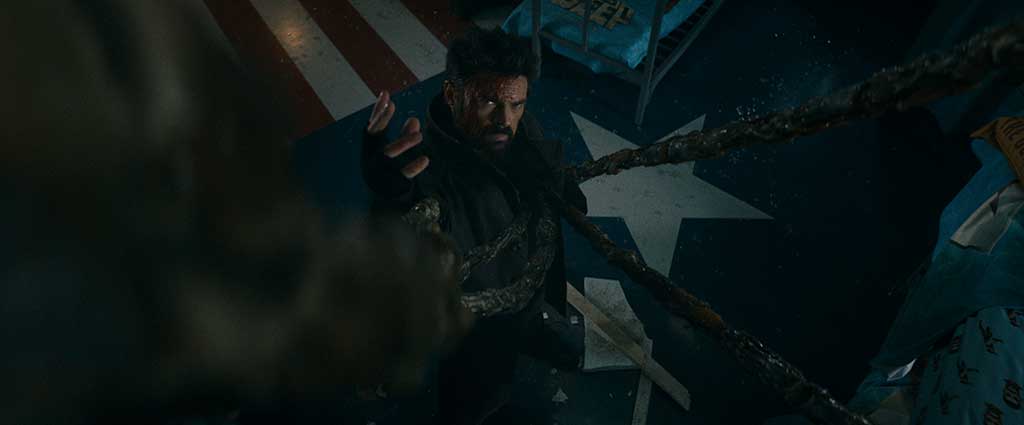
“If anyone out there is looking for a supervisor who knows how to do death by rectum eel, look me up!” Fleet laughs. “This is the only show that I have been on from beginning to end. An opportunity to make a show like this comes around once in a lifetime. We went through COVID, the strikes and a lot of other personal things across the board. I would say that my biggest takeaway has a lot less to do with the work itself and what’s out there. It has a lot more to do with my personal growth, my connection with the people who worked on the show, the teams I worked with in visual effects, and how I work with others in visual effects. I came out of this show a better and happier person than when I started the show, which is a testament to working on a good project.”
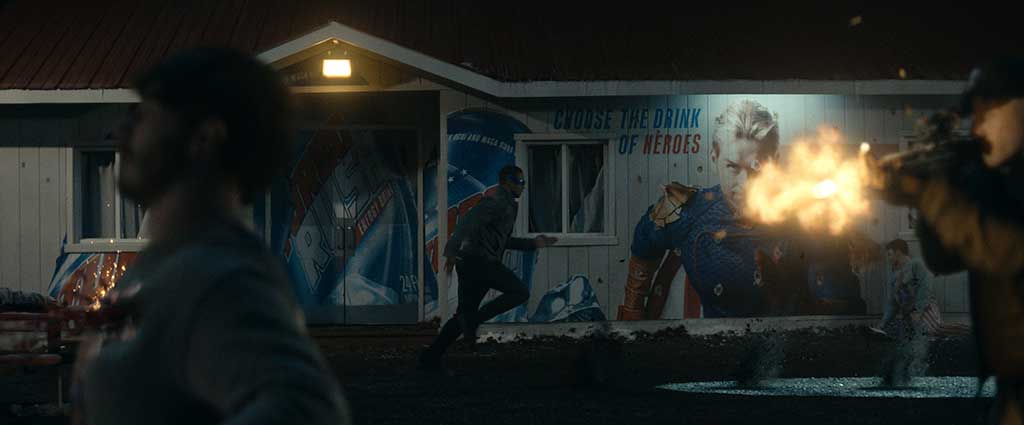
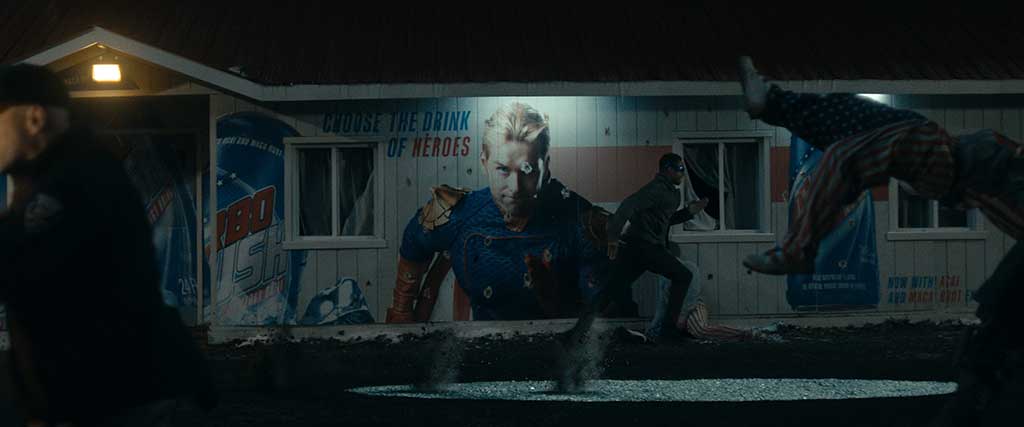
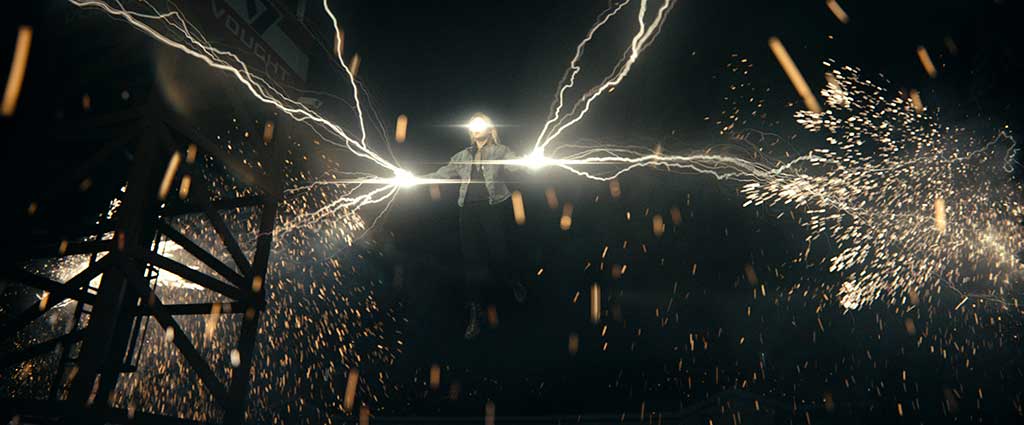
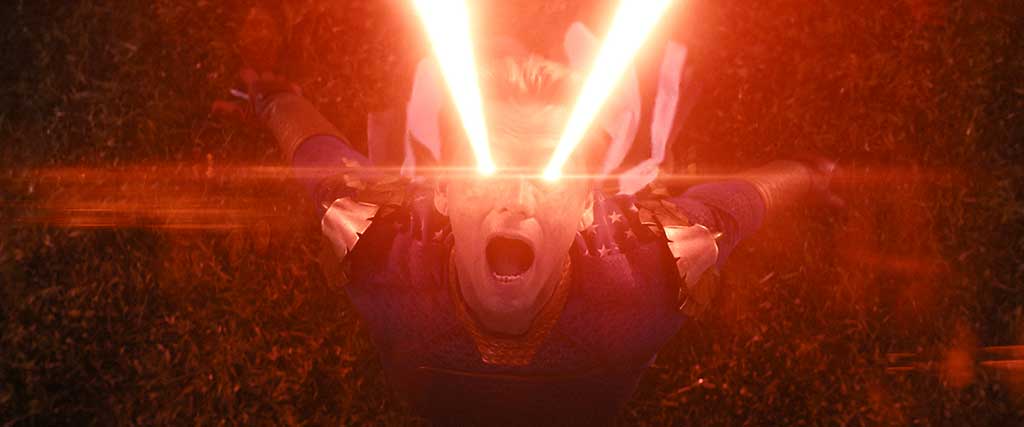
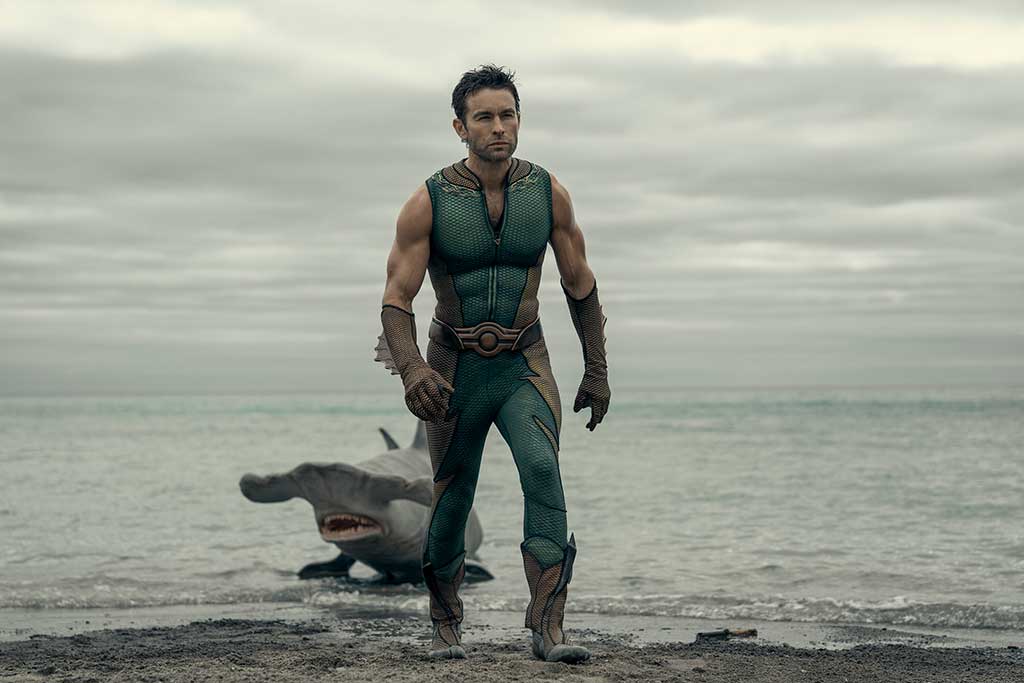
Given the satirical nature of The Boys, the superpowers had to be treated accordingly. “The funny thing is in my department, I am also responsible for all of the superhero powers,” Fleet notes. “I’m also doing a lot of superhero powers with the sentiment that we don’t want to be the regular superhero show. You’re always looking for ways to spice them up and change them a little bit, but it is a satire, and in the end, you’re satirizing that other work. You’re looking at it, or you’re studying it. You’re either choosing to go against it or go with it. We created a couple of cool signature looks. I see a lot of Homelander lasers being done by people out there right now. I’ve learned to make a lot of sea life during the course of the show. I prided myself, given our situation – and where we landed in this fear of budget, time and quality – that we kept the bar as high as we could the whole time.” Even the writers were influenced by the VFX work. “There’s this signature thing down by the feet of Soldier Boy, where you see these rocks coming toward him. It’s like he’s got this energy gravitational pull when he’s charging up his power, which we ended up employing as a storytelling device with Kimiko in Episode 508. What’s interesting is that way back in Season 3, when Soldier Boy first came to be, that was something fun we came up with during the previs and visual effects process. It’s cool to see the writers then use that as a storytelling device later in the show.”
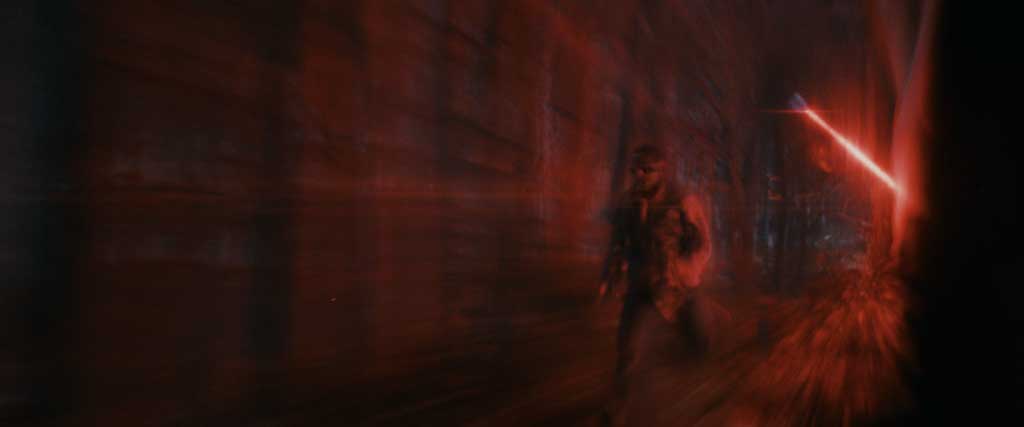
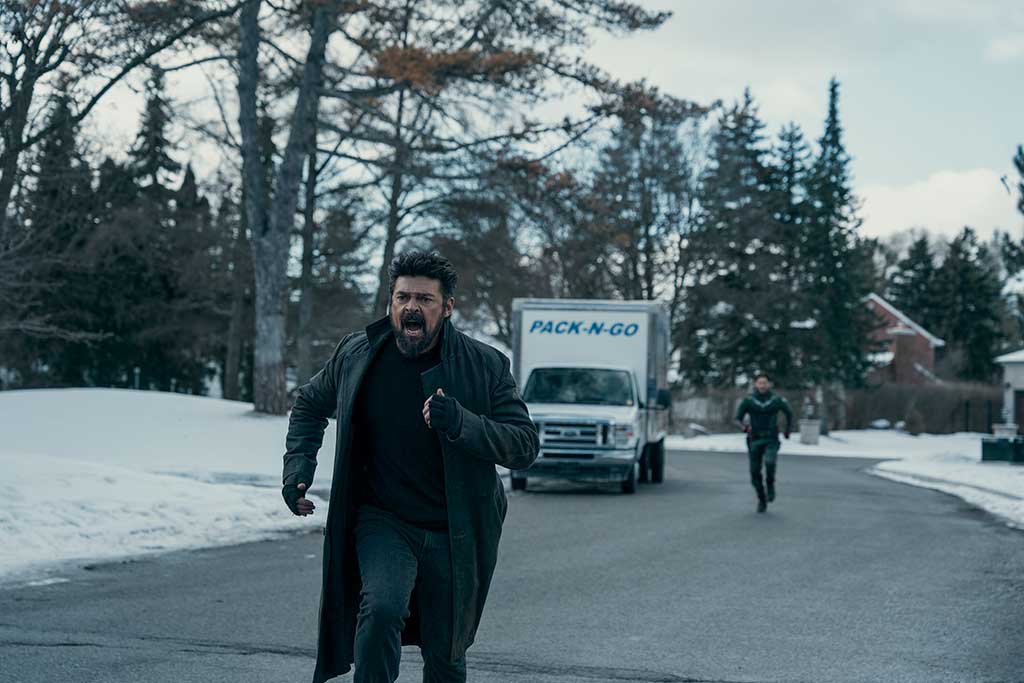
“The whole chase with A-Train and Homelander ended up being mostly CG. We shot a lot of greenscreen plates, which ended up being good reference. We used some of the close-ups to keep real faces and performances. But for the wides, we wanted to create a much more dynamic sequence than we could ever shoot in real life without putting our actors in harm’s way. We created a lot of CG environments and trees. Luckily, it’s nighttime, so we’re able to hide a lot of it. A lot of flicker, shape, energy and freneticism.”
—Stephan Fleet, Visual Effects Supervisor, The Boys
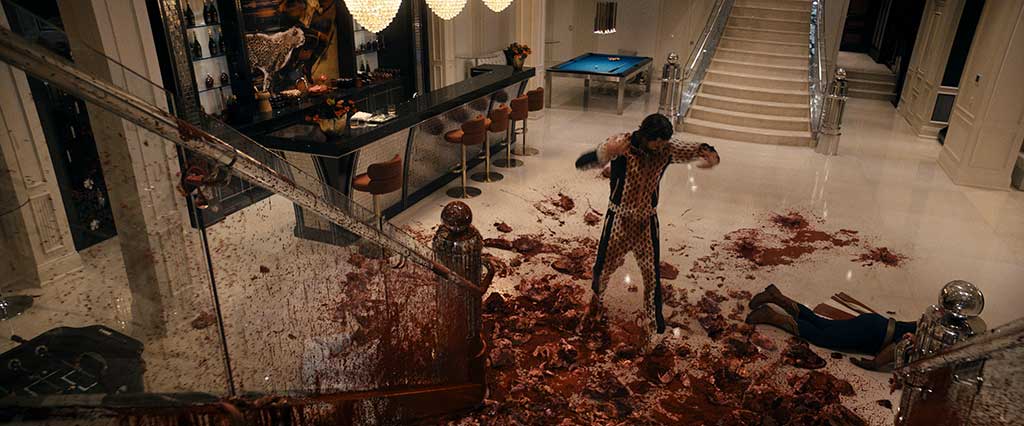
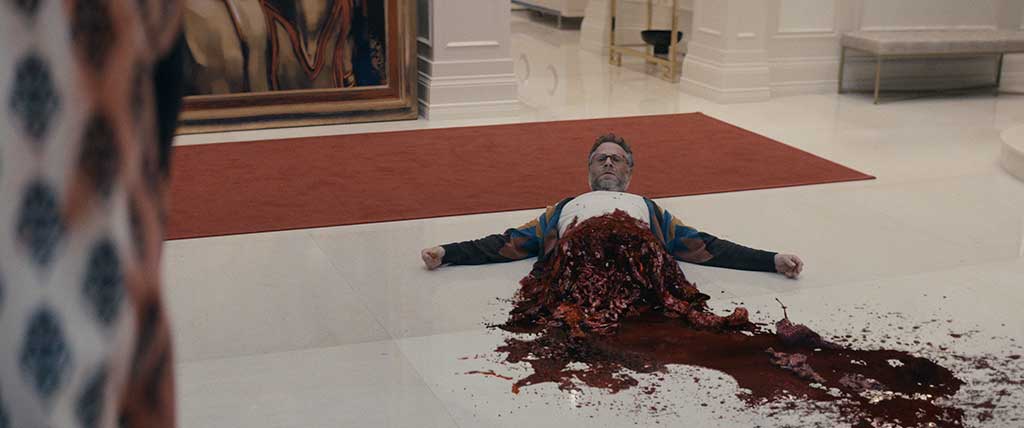
Using CG for entire sequences was a rarity. “There’s one sequence where they’re in this tunnel under the White House and get attacked with a bunch of guns, and there are muzzle flashes,” Fleet remarks. “It’s like The Matrix hallway scene going on. Because of the location where we filmed… we had to do it with 100% visual effects, and to my surprise, it turned out great on round two. El Ranchito, the company that did the work, just kicked ass. They also did that sequence with all the cameos, where they were all blown up by Mr. Marathon and turned into blood explosions. That was another great surprise and an interesting situation because the location constrained things. All the blood had to be visual effects. We couldn’t bloody up this guy’s mansion.”
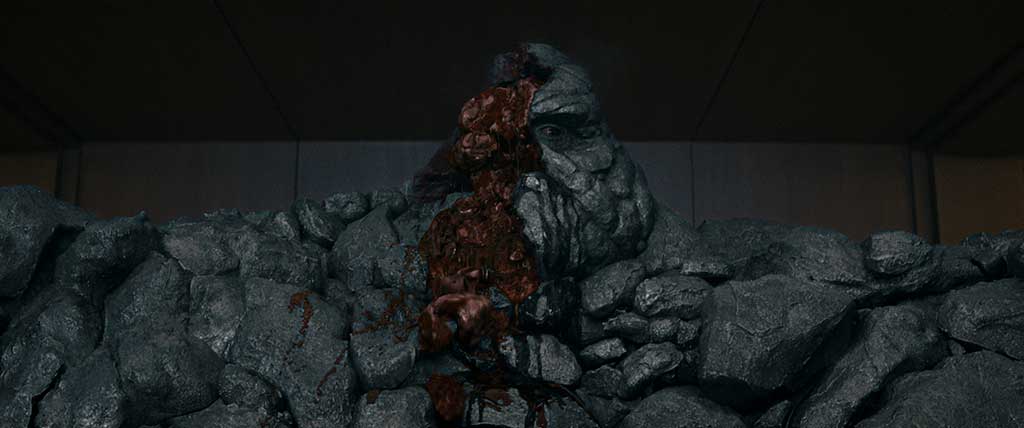
Homelander meets a grisly end in the Oval Office when Billy Butcher smashes a crowbar through his head. “One of my favorite shots of the season is after Homelander’s head gets taken off and he slides down, revealing this piece of brain on the presidential desk,” Fleet reveals. “It involved creating a slicked, sliding blood pattern and a little bit of movement. It’s not like I created dinosaurs and robots here. But it’s such a specific, important part to make look real, and not have people at that moment think this is a visual effect. They can go back and look at it later and analyze it for visual effects, but in that moment, you have to be connected. You have to be in that sequence and with the performer in his face but also have this thing that looks so real on top of his head. Traditionally, for me, doing anything to a human’s head or face is the hardest thing to do.”
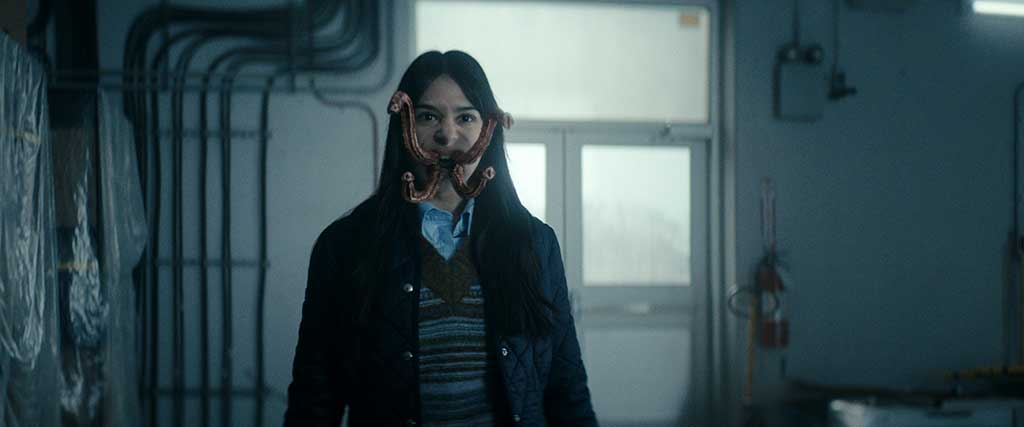
The Deep is killed by vengeful sea life, which involves a lot of physical interaction. Fleet says, “Because we had the previs, we were on set and had this dummy tentacle that our friends in prosthetics made for us, so we were able to wrap it around his leg with the wire and do like a little pulling. I’m a big fan of giving actors something more than a tennis ball. I like to give people pieces of the reality of the vision of what it’s going to be. We had a lot of tools on hand to help him understand what it would be. You’re tugging on his leg underwater with the wire, so there’s real tug to the actor as he’s swimming away.”
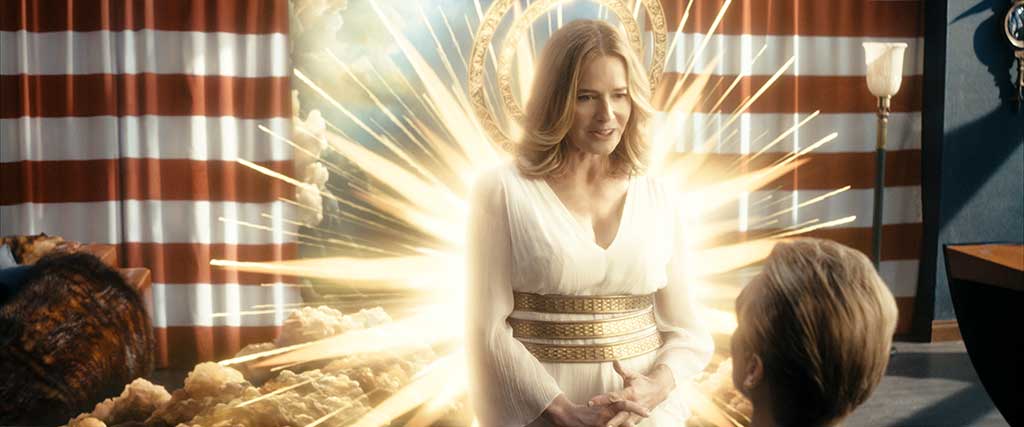
The death of A-Train was relatively straightforward, but the lead-up to it was an entirely different story. “The whole chase with A-Train and Homelander ended up being mostly CG,” Fleet remarks. “We shot a lot of greenscreen plates which ended up being good reference. We used some of the close-ups to keep real faces and performances. But for the wides, we wanted to create a much more dynamic sequence than we could ever shoot in real life without putting our actors in harm’s way. We created a lot of CG environments and trees. Luckily, it’s nighttime, so we’re able to hide a lot of it. A lot of flicker, shape, energy and freneticism.”
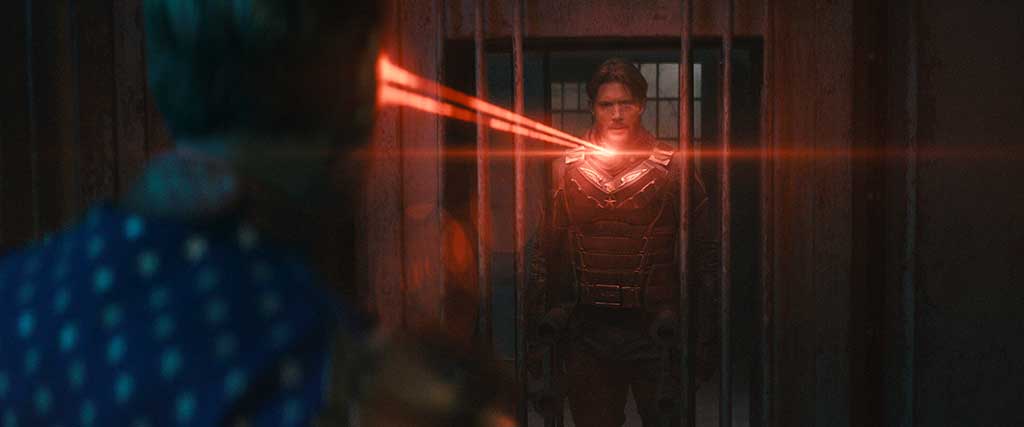
Transferring Soldier Boy’s powers to Kimiko came with its own set of difficulties. “We developed the look to glow around his chest armor, but with Kimiko being female, wearing more natural regular clothing that was mainly black made seeing it shine through the biggest challenge,” Fleet reveals. “We dove into the anatomy of a human underneath. If you frame through it, you will see ribs, veins and nervous system lines lighting up underneath. You will see veins and nervous system lines lighting up beneath there, giving a sense of depth and connecting it to her body. The danger of doing powers like that is it can feel topical, almost like a lens flare pasted on top. We always want to make sure it feels like it’s emanating and coming from inside the chi or soul.”
“There’s one sequence where they’re in this tunnel under the White House and get attacked with a bunch of guns, and there are muzzle flashes. It’s like The Matrix hallway scene going on. Because of the location where we filmed… we had to do it with 100% visual effects, and to my surprise, it turned out great on round two. El Ranchito, the company that did the work, just kicked ass. They also did that sequence with all of the cameos, where they were all blown up by Mr. Marathon and turned into blood explosions. That was another great surprise and an interesting situation because the location constrained things. All the blood had to be visual effects. We couldn’t bloody up this guy’s mansion.”
—Stephan Fleet, Visual Effects Supervisor, The Boys
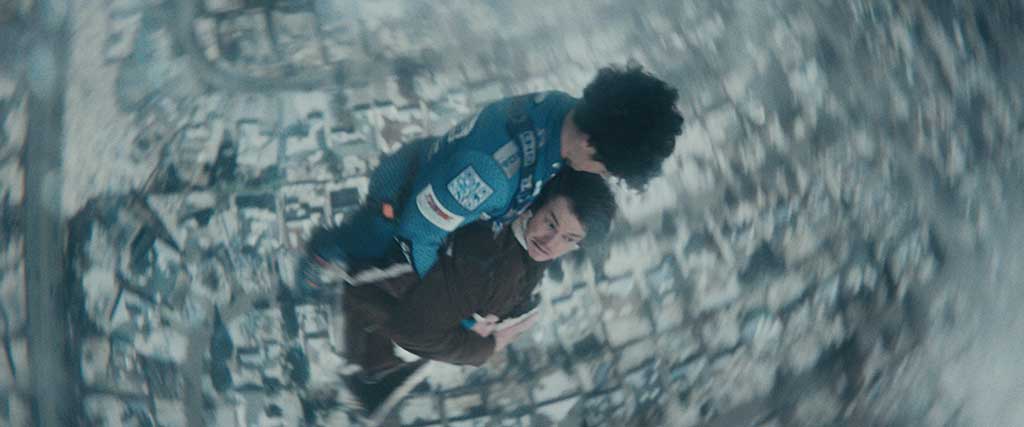
Car shots were not confined to a greenscreen stage as demonstrated during the fight between Soldier Boy and Billy Butcher. “The most fun I had during that shoot was an earlier sequence where a car spins 360 with the Boys in it,” Fleet states. They’re doing that slow-motion ‘whaahaaa’ thing. We don’t do greenscreen car work on this show, so our special effects team, along with our picture car team, built a 360 gimbal for a car that spun around, which we brought right there onto that street. When you see the actors in there spinning around 360, the background outside is real houses. I got to sit in that car, do a test run and got super sick. It was fun.”
The number of visual shots across the eight episodes ranged from 1,600 to 1,800, with contributions from DNEG, Eyeline, Soho VFX, El Ranchito, Untold Studios, Spin VFX and Splice. “By design, we are a lower shot count show, so we can put our money into the shots that count. [That’s my] trademark catchphrase!”
Blood and gore are a significant part of the visual language. “When it came to the blood, it was actually nice in Season 5 to have this reservoir library, and for a lot of them, just knowing what we were doing,” Fleet remarks. “But then you get to that Episode 505 sequence where my special effects are pulled away from me because of the location, and it all has to be visual effects. That made me anxious. But we previs’d it and prepped the crap out of it. I’ve learned a lot over the years. I know that a piece of colon flying in the air is going to look great and a kidney is not!”
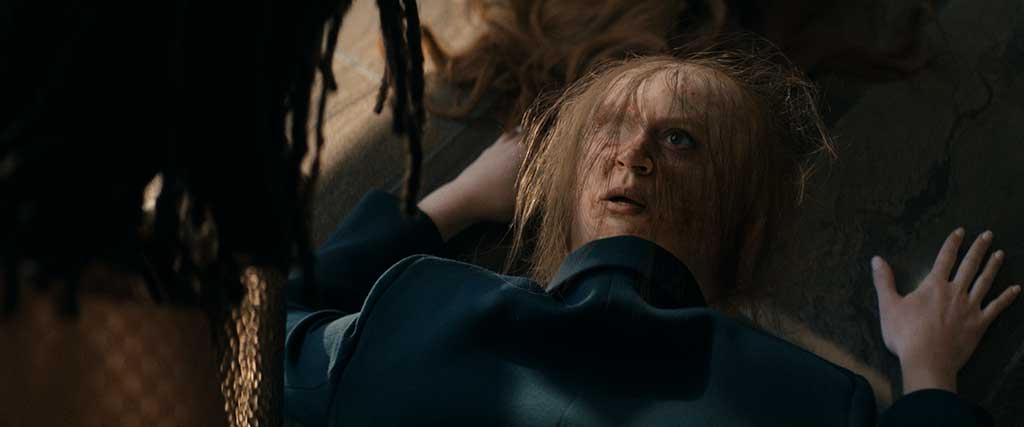
The biggest challenge of the season was placing a CG head on the back of Ashley Barrett’s head. “That was a lot of performance capture and detail, like skin work, and trying our hardest to get it to look like a weird creature on the back of someone’s head with the performance and everything,” Fleet says. “We built this huge camera array and stuck it on her head, then put a helmet on her. Colby Minifie performed every line directed by various directors and Eric for the whole season; then we had to take that audio and performance and make it work as a living creature on the back of her head.”
Visual effects is inherently collaborative. “What’s fun about visual effects is that I get to be an intruder or fly on the wall with every department because one way or another I’m going to have to interact with them. I’ve learned a lot from all the different departments.”