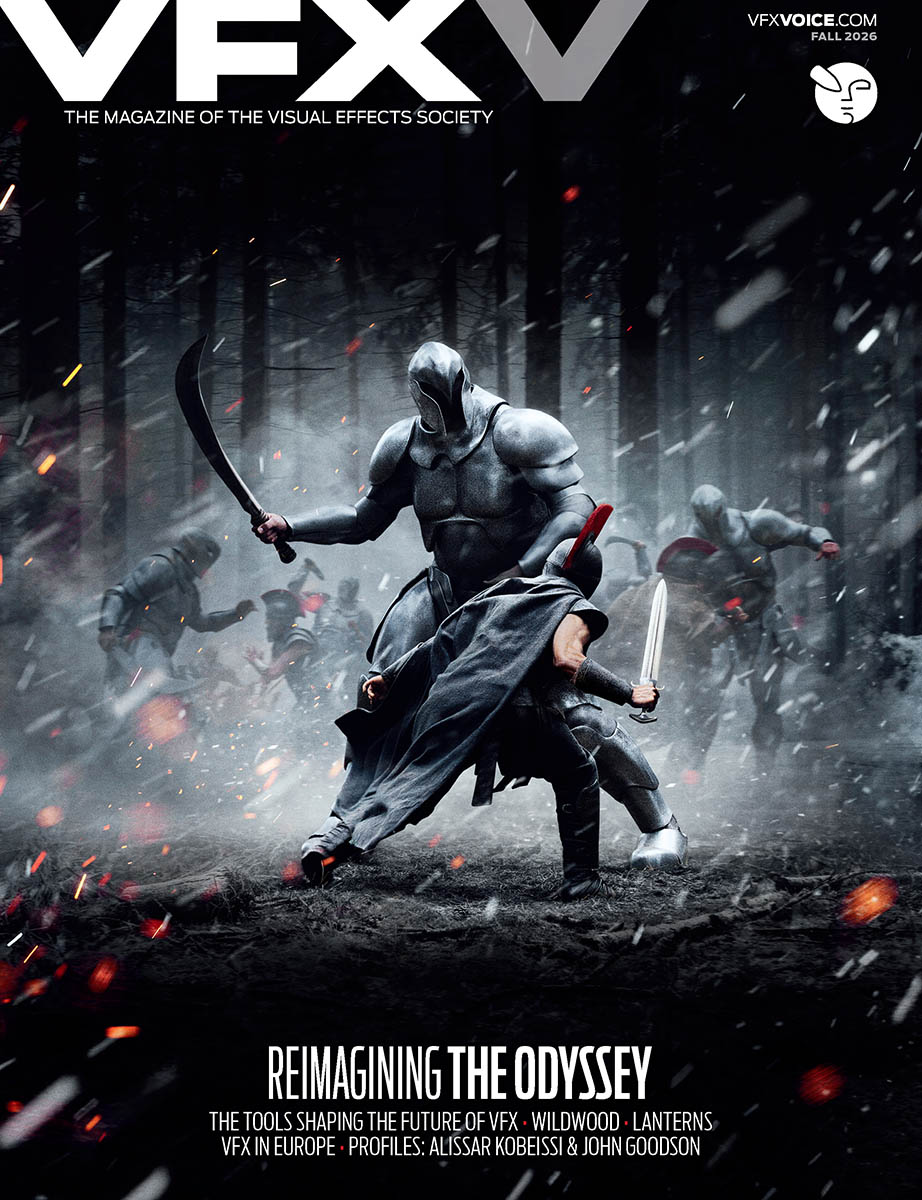
Images courtesy of Wētā Workshop.

Images courtesy of Wētā Workshop.
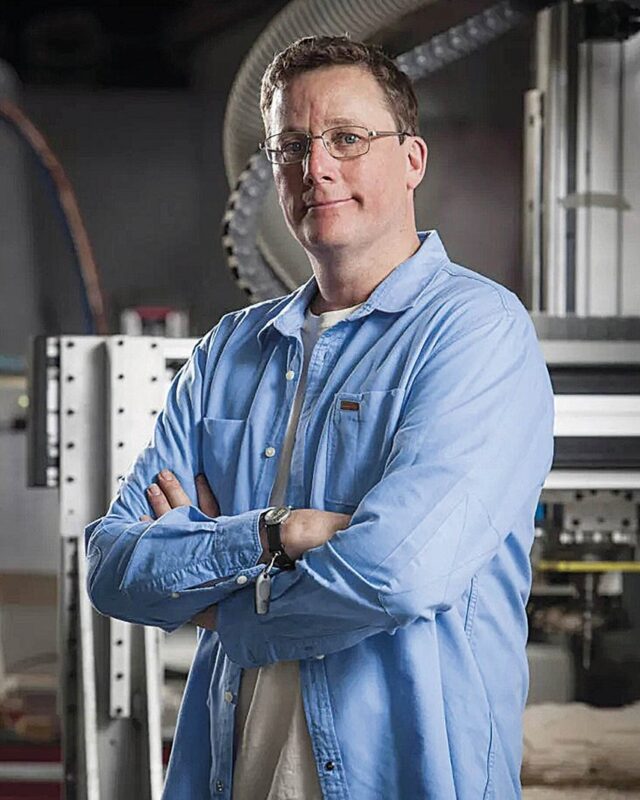
Going from being a toilet cleaner on international flights at Auckland Airport to a Knight of the New Zealand Order of Merit for services to film is a remarkable journey that Sir Richard Taylor embarked on with his wife and business partner, Tania Rodger. Despite the awards and accolades and RT Effects transforming into Wētā Workshop, where the employee payroll went from two to 380, the native of Cheshire, U.K., who left one island nation for another as a child, remains grounded and open-minded.
“The term that I used in the interview with our general manager 12 years ago when we put the board together is ‘You must do everything in your power to help us remain as a soft ball of clay. Never allow us to become a hard block of wood,’” recalls Sir Richard Taylor, Co-Founder, Co-CEO, Chief Creative Officer of Wētā Workshop. “Because a hard block of wood gets knocked off its trajectory easily, while a soft ball of clay can absorb the punches.”
Four key principles are needed to remain relevant: love of oneself, love of what you do, love of who you do it with and love of who you do it for. “At its core, you have to have love in the aspiration,” Taylor states. “It’s a word that’s so rarely used by CEOs and business executives. Why are you even bothering to do it if you don’t love it? You see it across all strata of society. If the individual leading it doesn’t have pride and self-love for what they stand for, their ethics and how they handle themselves, how can you expect to look after people and demand that of others? You’ve got to love what you do. Of course, I love what I do. I wouldn’t do anything else in the film industry other than what I do here every day at the workshop. I genuinely love the people I do it with. You occasionally encounter the rare ratbag that you have to deal with, but for the most part, our colleagues around us are our closest friends. We socialize with them in and outside the workshop because we’re united by exactly the same calling. Then you have to love the people that you do it for. That’s such an obvious one. But how many companies don’t respect their market, customers or fans? We’re only in our business because the fanbase has allowed us to do the type of projects that we do. If there’s a fifth one, it’s simply ‘don’t be a jerk.’”
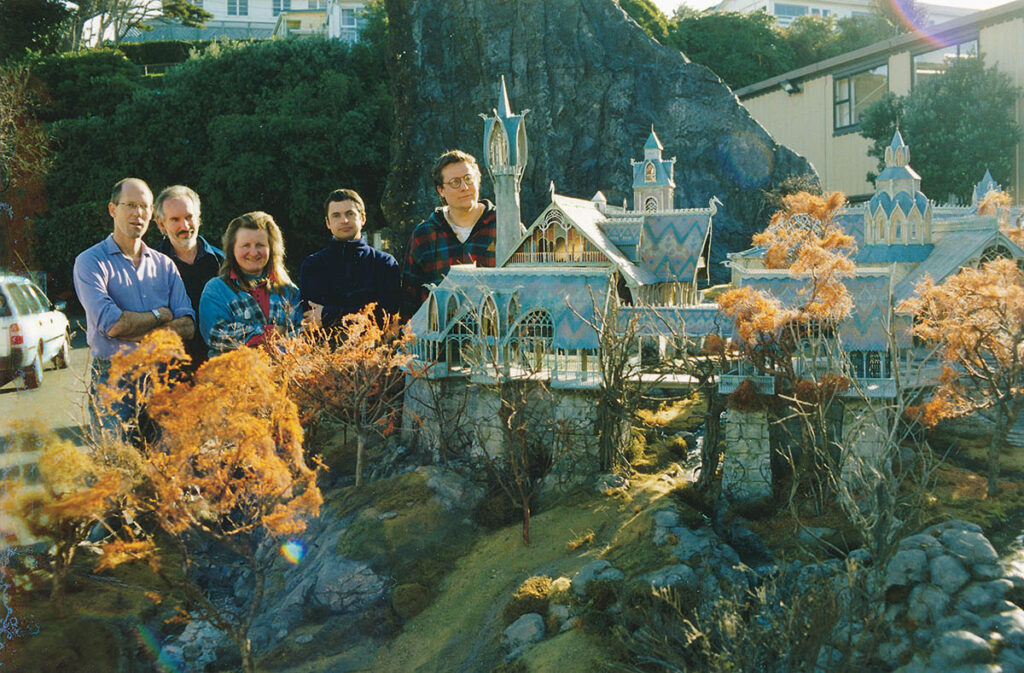
Receiving the VES Visionary Award was a pleasant surprise. “In all honesty, when I was told about this award, I was caught somewhat on the back foot because I am not a visual effects supervisor,” Taylor notes. “Although I have had a long career working around the visual effects industry through our design, miniatures and creatures. When I consider myself alongside the visionaries of the international film industry, I probably would be a little more circumspect about aligning myself with them, but in my own country and the way I started and what I’ve achieved, we’ve been in business for 38 years. I would like to think that we’ve pioneered some good stuff here. There was a vibrant and dynamic film industry in New Zealand long before The Lord of the Rings was made, and we were certainly operating for many years before. But it is The Lord of the Rings that has really put New Zealand’s film industry on the map, and it required a lot of pioneering by everyone involved to be able to achieve something of that status and scale here in our country.”
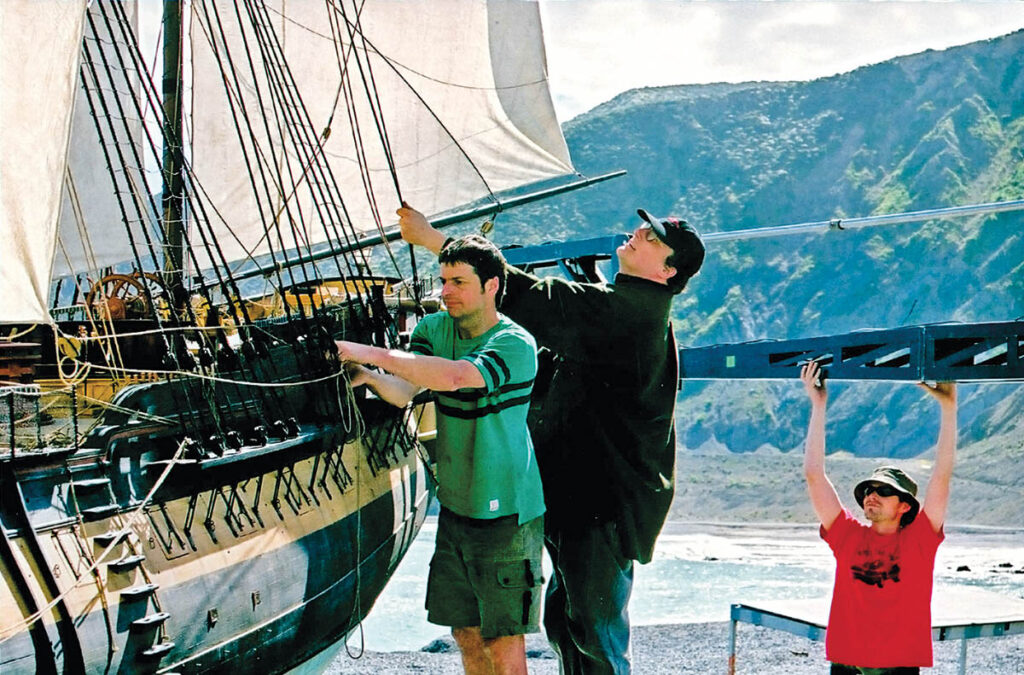
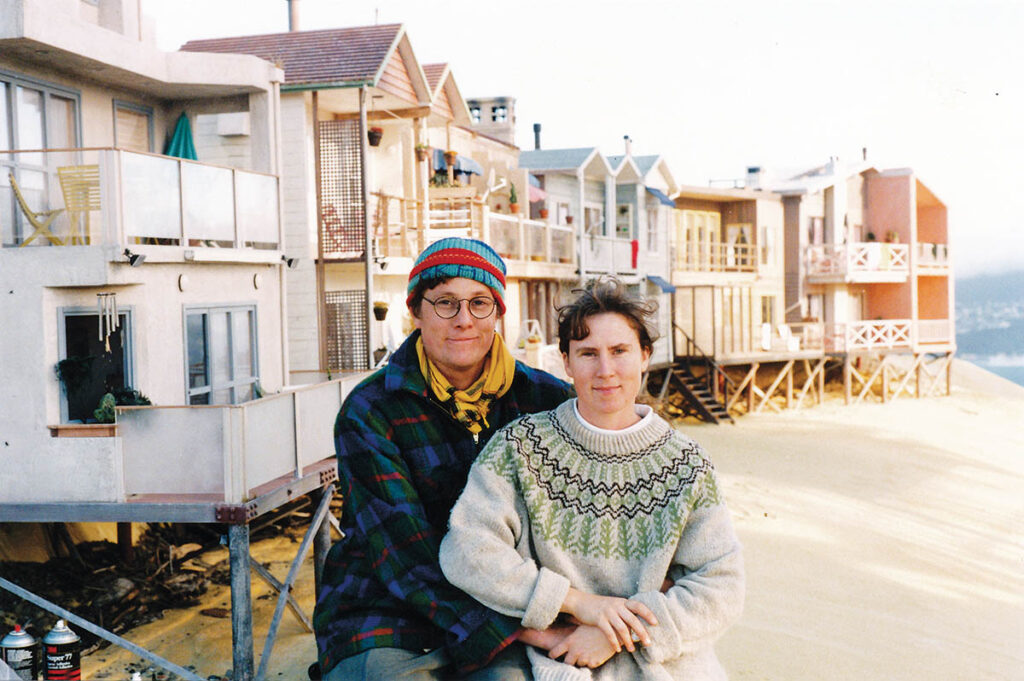
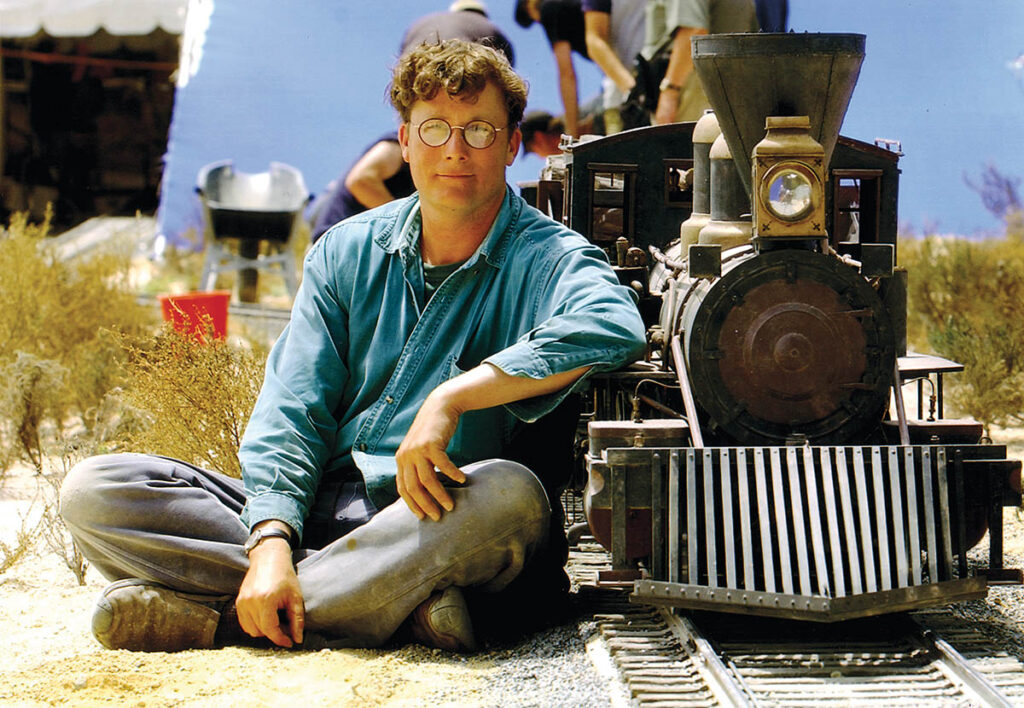
A source of inspiration is Richard Pearse, who lacked the documented evidence to prove he had flown before the Wright Brothers. “This Kiwi farming boy wakes up in the bottom of the South Island of New Zealand, the farthest place you can have from the aeronautical aspirations of the world, decides to build an airplane and achieves it,” Taylor remarks. “I’ve always said that if you wake up on a Monday morning with fantasies in your head and you’re not going to be able to buy them blister-packed from the corner toy store, then you better be able to make them with your hands. That’s really the spirit of the inception of my whole life and career. Growing up on a farm in rural New Zealand, if I wanted to learn to sculpt, I dug clay out of the creek. If I wanted to learn to model make, I model made with anything I could find within my environment. Even though my mum was a science teacher and my father was an aircraft engineer, I knew from about the age of six, when I first started doing paper-mâché and model railroading, that I had to have a life making things. I didn’t even know the film industry existed until I was in my mid-teens. I visualized that I would actually be working in the theater industry. I started doing all of my personal training outside of school and in my art classes at school, in theater, making costumes, learning to sew, doing set building, modelmaking, lighting and makeup. By the time we moved to Wellington at 17 and discovered that there was a film industry, I’d already become adept at doing many of these things, not appreciating at the time that they could adapt to a film industry.”
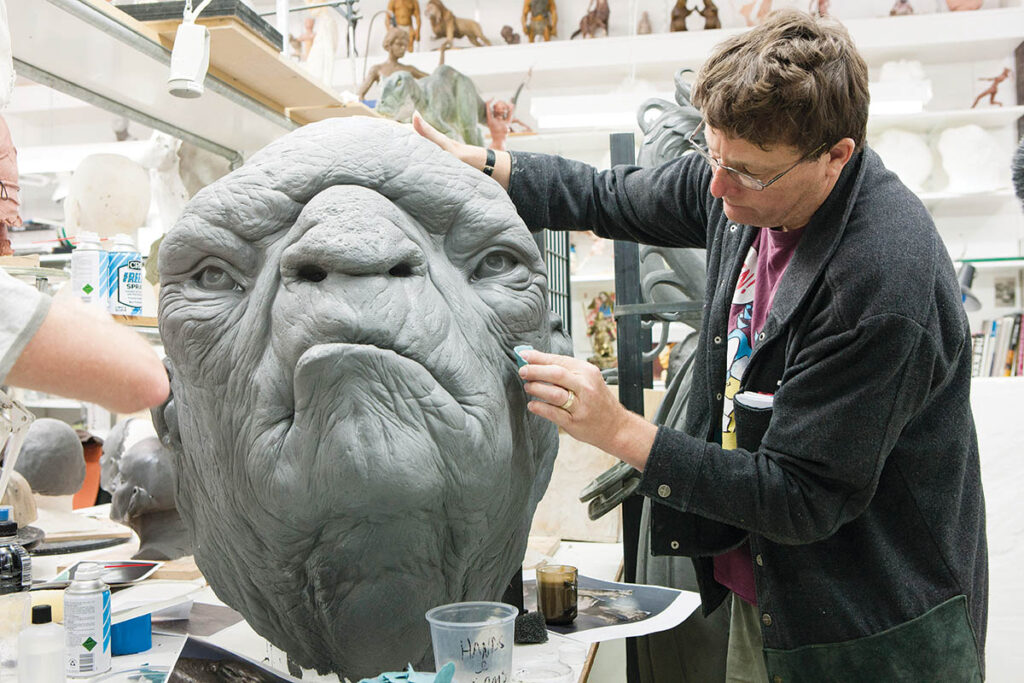
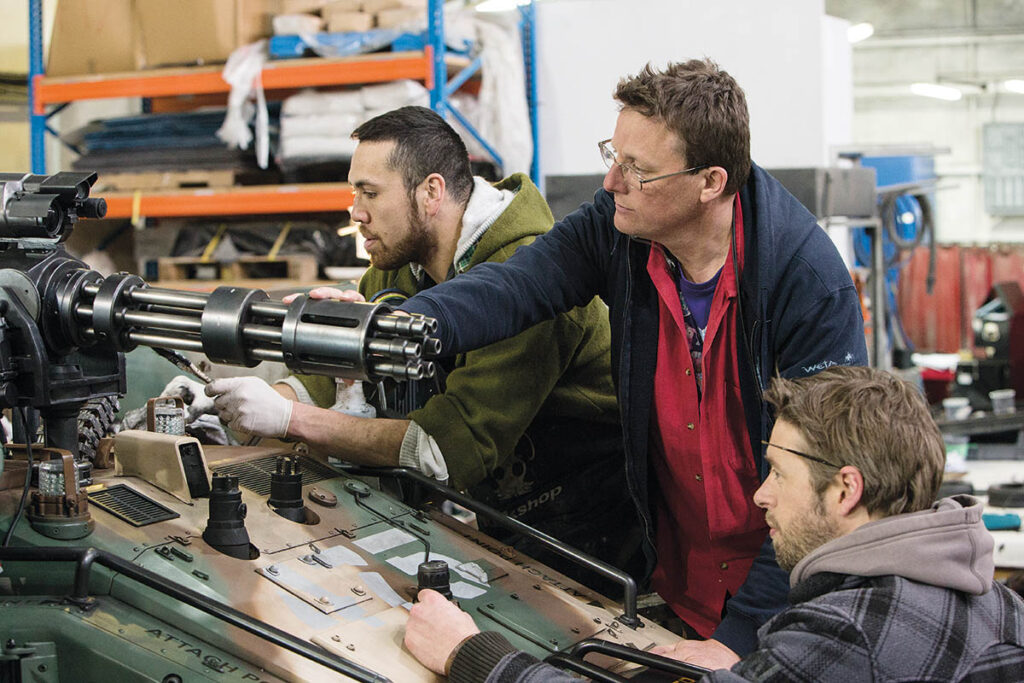
Stability is the greatest reward. “One of the primary things I always try to think about is how we create stability for our crew,” Taylor notes. “When you measure a blue-collar work environment like ours, what is success. and how is it measured? It’s not measured necessarily in awards won or red carpets trod. It’s measured in the number of babies born to your staff and the number of mortgages owned by your crew because that suggests that you’ve been able to offer enough stability in an otherwise very unstable industry.” Wētā Workshop designs for digital gaming, film and television; manufactures everything from weapons to vehicles for film and television; makes and sells high-end collectibles; and has three tourism offerings. “30% of our work is private and public commissions, things that a billionaire can’t buy anywhere in the world we’ll build it for them. Last year, we built a stargate as a lighting source for the bonnet of 40 supercars in a private garage. We are building 68 points-of-articulation AI-driven robots at the moment as an effort to enter the robotics industry. We have an immersive experience division that numbers about 24 people. It did the largest pavilion for the Dubai Expo, the atrium of the Haikou Duty-Free Shopping Mall and the Traditional Chinese Medicine Cultural Experience Center. We have two retail experiences where we sell our products and have a creative media division that deals with Asia’s largest pop star through AAA games.”
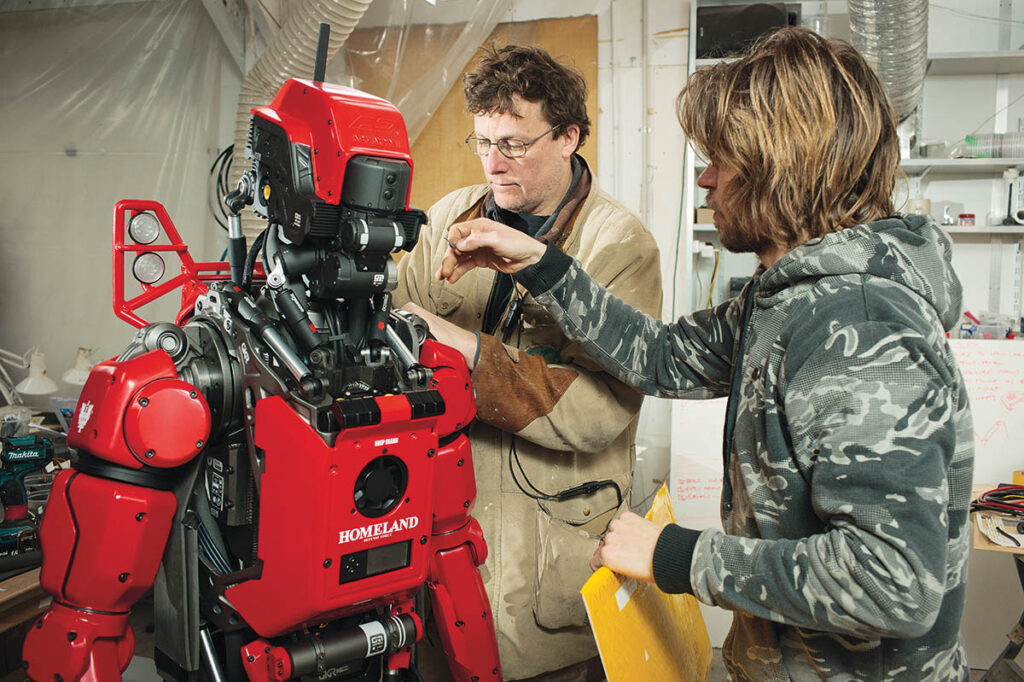
Client expectations are open to interpretation. “There’s a metaphor that I used a lot, which is, ‘It’s not a math exam where if you do it right, you’ll get 100%. But when you sit an English exam, you will never get 100% because it is in the aptitude and understanding of the interpretation of what you’ve done,’” Taylor reveals. “That is very much the career we are in, and even the career we’re in can be bifurcated down to math and English exams. Miniatures are much more like sitting in a math exam. Doing a prosthetic is much more like an English exam. What is critical is understanding quickly, and it’s often even in the first few minutes of a phone call with a director you’ve never met before that you see where they sit in their comfort zone when it comes to communicating their ideas visually. If you can grasp where on the spectrum that is, you can then start feeding into the conversation at a greater or lesser level with your interpretive input. Some directors come with a pure vision, and you are in the process of realizing and physically creating that vision. More commonly, the director is willing to explore with you and allow you to use your own creative knowledge and that of the team around you to try and enhance the written word into something that is greater than what they were imagining. Even a director like James Cameron, who is arguably one of the most visionary humans in the world, you’ll fail if you deliver at expectation. You deliver at a higher level of over-expectation so that you’re surprising him because Jim is not a dictatorial director; he’s a collaborative director who wants the collective vision to build a bigger, stronger, greater product.”
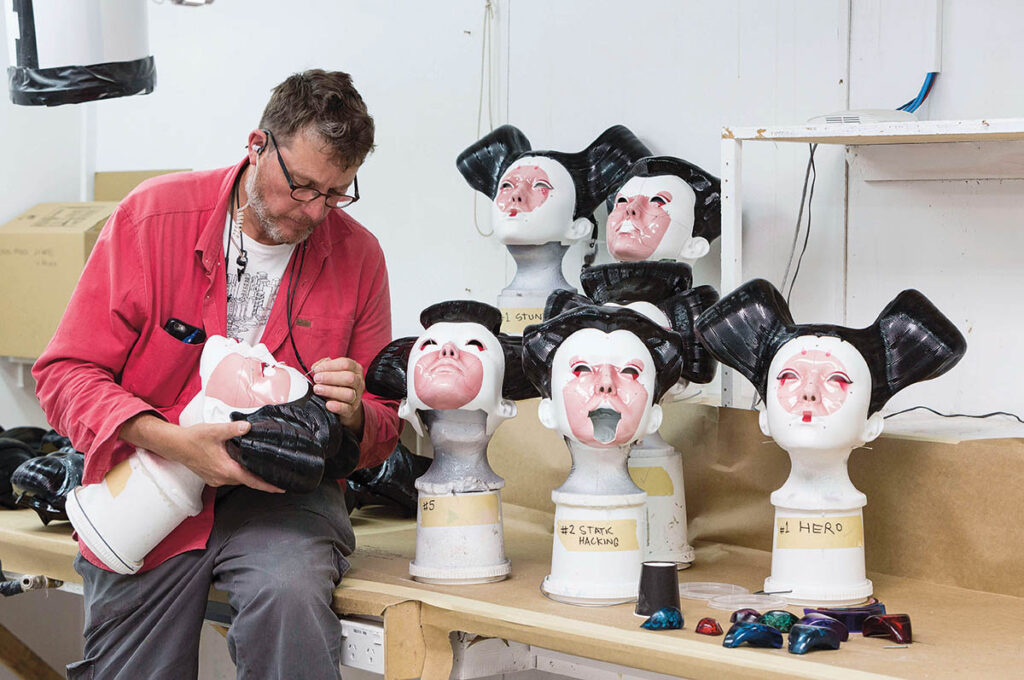
Even with international name recognition, a proactive approach is still required. “When you live in paradise, but paradise is at the furthest corner in the world, you have to take yourself to the industry,” Taylor notes. “I’m 61 now, and I will never even hesitate for a moment if a client either requests my appearance somewhere in the world or I feel it is a necessity to personalize our approach to a job by getting on a plane and getting up there. We’ve got a team of people, our senior management and sales team, that likewise, will at the drop of a hat do that because we identified early in our careers that if we pretended that we could hide away at the bottom side of the world and reach out when we needed to, that was never going to work.” Being on the cutting edge of technology is critical. “A good example is using over half of the profit that we had made in seven and a half years on The Lord of the Rings to buy the first commercially available 3D printer in the world that I was aware of. I could even see way back here in New Zealand that technology was going to change everything we did. There was a lot of uncertainty from some corners of our staff about putting people out of work, but it’s the exact opposite. We have replaced hand drawing with Photoshop technology; ZBrush came in, and different software programs we now use for our hard surface and sculptural modeling work. I love the fact that we have a full-time leather worker who has been with us almost since the company’s beginning, and every day he uses a tool that can be traced back to Egyptian hieroglyphs. Sitting within 100 meters of that person is someone coding into AI software to allow us to 3D print a hyper-realistic eyeball on an Israeli 3D printer that we partially hacked to achieve the level of results we required.”
When talking to students, a certain point is emphasized. “I always try to impress upon them that the most critical component they need is an inquisitive mind,” Taylor remarks. “Without that, you’re not open-minded enough to the shifts and different states of the technology in the industry you work in, and that to me is an imperative.” As for managing creative talent, a particular philosophy prevails. “Always expect excellence and always ask for excellence. Perfection is a fallacy that a hobbyist can exercise, but not in a commercial environment like ours. We want to be the best we can be in the world.”
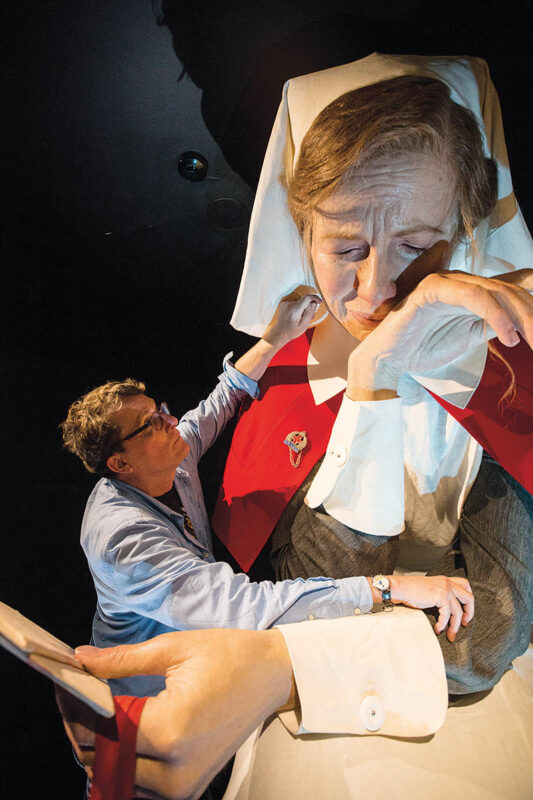
Taylor’s seminal project is not being part of the Fellowship from Middle-earth. “The seminal project of my career is the Gallipoli war exhibition that we’ve done for our national museum, which has been open for 12 years and has just been extended by another eight years. It has had 4.7 million people from a country with a population of five million pass through it because of the patriotic pride and the subject matter of representing men and women who served our country.”
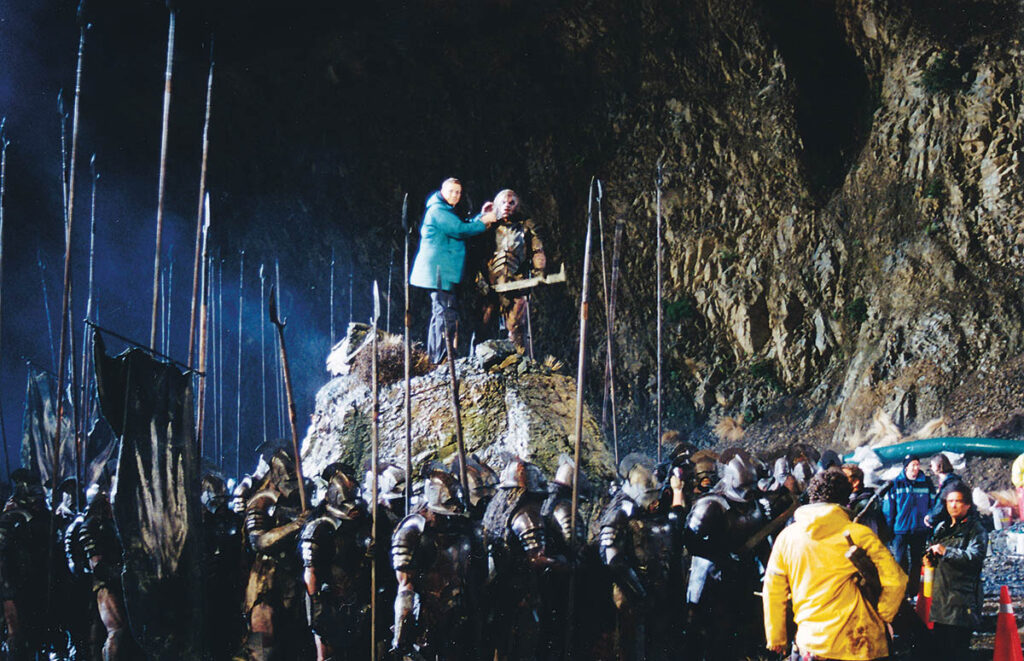
Taylor declares, “One of my favorite movies is Ridley Scott’s original Blade Runner, so getting to build miniatures for Blade Runner 2049 was beyond belief. My favorite character we have ever created is Lurtz, being practical effects and makeup. Probably one of the most memorable characters we had a part in designing would be Smaug. And that’s a lovely thing to think about. If you could own one animal, maybe you would have Smaug living under your house, which would be cool!”