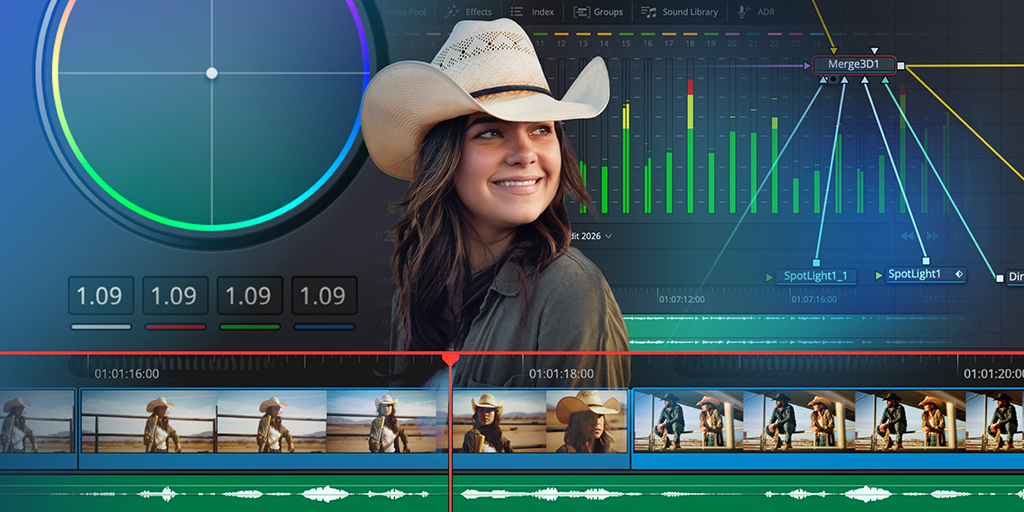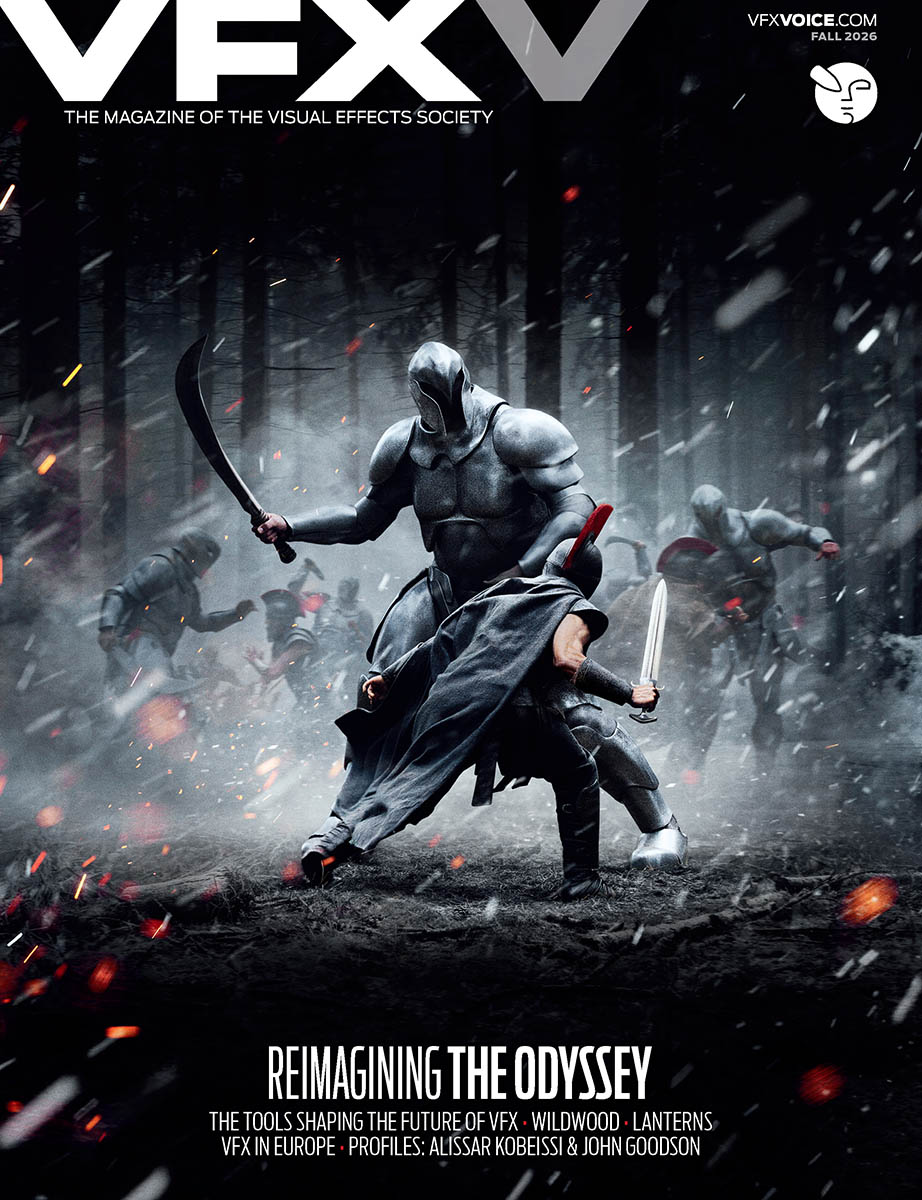

If the Summer issue of VFX Voice proves anything, it’s that visual effects rarely stand still for long. In these pages alone, artists are capturing volumetric humans with astonishing fidelity, re-imagining digital creatures with ever more convincing biology and performance, and blending real-time technology with traditional cinematography in ways that would have sounded like science fiction only a decade ago. The tools are evolving rapidly, but they’re also expanding the creative palette for film-makers who want to build worlds that feel richer, deeper and more immersive than ever.
At the same time, the industry thrives on continuity as much as innovation. Toy Story 5 (see article page 58) continues the CG legacy that began in 1995. The Mandalorian and Grogu (see article page 58) returns to the Star Wars universe nearly 50 years after the original film changed movie history in 1977 and seven years since the last Star Wars film. Even George Orwell’s Animal Farm (see article, page 34) from director Andy Serkis, last filmed in 1999 as a live-action CGI film with animals created by the Jim Henson Creature Shop, finds new life through modern animation and performance capture. Technologies evolve, pipelines change and render farms get faster, but the mission remains constant: finding better ways to tell stories that audiences will believe.
Behind every breakthrough frame is a team of artists, supervisors and technologists who spent years mastering tools that didn’t exist when they started their careers and who are already figuring out the next ones. That’s what VFX Voice has always been about: not just documenting what the industry has made but understanding how and why it got made that way. If you’re reading this, you already know the difference.
In visual effects, the final frame is rarely the end of the story – it’s usually just the starting point for the next breakthrough.