By TREVOR HOGG
Images courtesy of Netflix
By TREVOR HOGG
Images courtesy of Netflix
Imitation is often considered the greatest form of flattery, but to have it endure for centuries after the original material first appeared is remarkable, given how each generation seeks to make its own distinct mark on history. William Shakespeare’s work has transcended dramatic shifts in technology and societal values, spanning an era when women could not perform onstage to the present, when actors fear they will be replaced by AI-generated characters. Their themes are so universal that they continue to resonate beyond the English shoreline. In The Fragrant Flower Blooms With Dignity, manga author and illustrator Saka Mikami reimagines Romeo and Juliet by swapping the two feuding Italian families for students at neighboring Japanese schools with a long-standing rivalry.
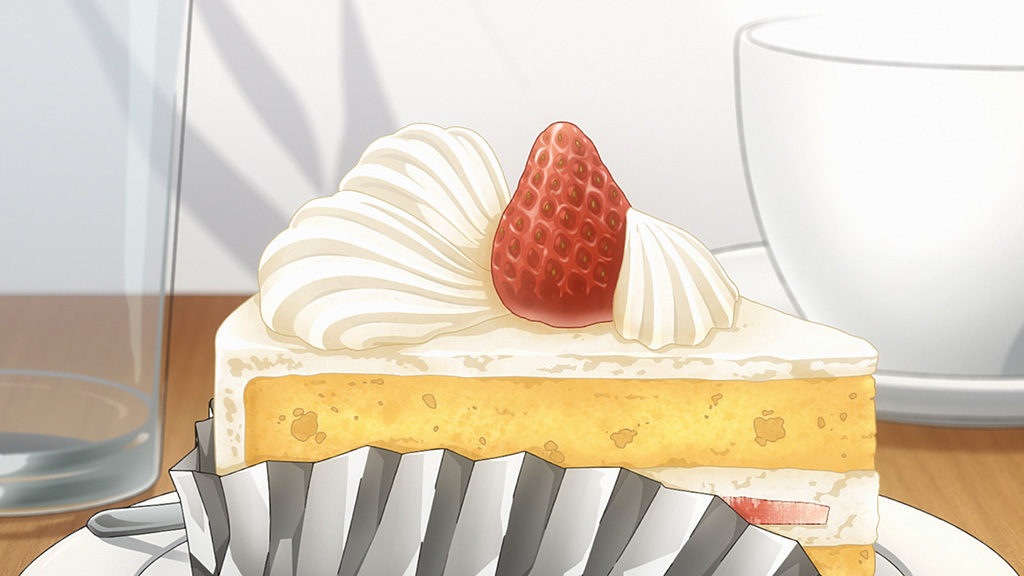
What makes the story so unique is that it transforms the original “feud” into a “misunderstanding.” Instead of wringing out every ounce of melodrama, the principal cast seek to understand each other and are not afraid to apologize and rectify their mistakes. While Rintarō Tsumugi and Kaoruko Waguri avoid the suicidal fate of their Shakespearean predecessors, the narrative is not entirely as sweet as the cakes made at Pâtisserie Plain (the bakery owned by Rintarō’s parents). Backstories reveal emotional scars that need to be overcome to enjoy life.
The Fragrant Flower Blooms With Dignity manga has proven to be so successful that it has been adapted into an anime series produced by Aniplex and animated by CloverWorks, now streaming on Netflix. Directed by Miyuki Kuroki, the 13 episodes cover the story through Chapter 40 of the manga. The goal was to capture the spirit of the source material, which meant exploring the growing attraction between Rintarō and Kaoruko and taking a thoughtful approach in depicting how people build relationships. The visuals are designed to evoke emotion rather than being realistic, whether exaggerating a facial reaction to emphasize the humor of a moment, introducing bokeh in the background to create a sense of romanticism, taking a minimalistic illustrative approach to convey loneliness and self-doubt, having watercolor paint droplets fall on a blank page to symbolize a profound revelation or using a close-up shot of sparklers to indicate a love fully ignited.
“The sense of distance and tension between the characters in the early part of the story might have been similar to how I personally felt toward the project at the time. I, too, was exploring how to approach this work when I first started… As the story progressed and I encountered the characters’ various emotions, I gradually became more comfortable with the project, and I was able to express a wider range of emotions through the artwork. In that sense, the character who left the strongest impression on me was Rintarō, the one I’ve been walking alongside since Episode 101.”
—Kōhei Tokuoka, Character Designer & Chief Animation Director
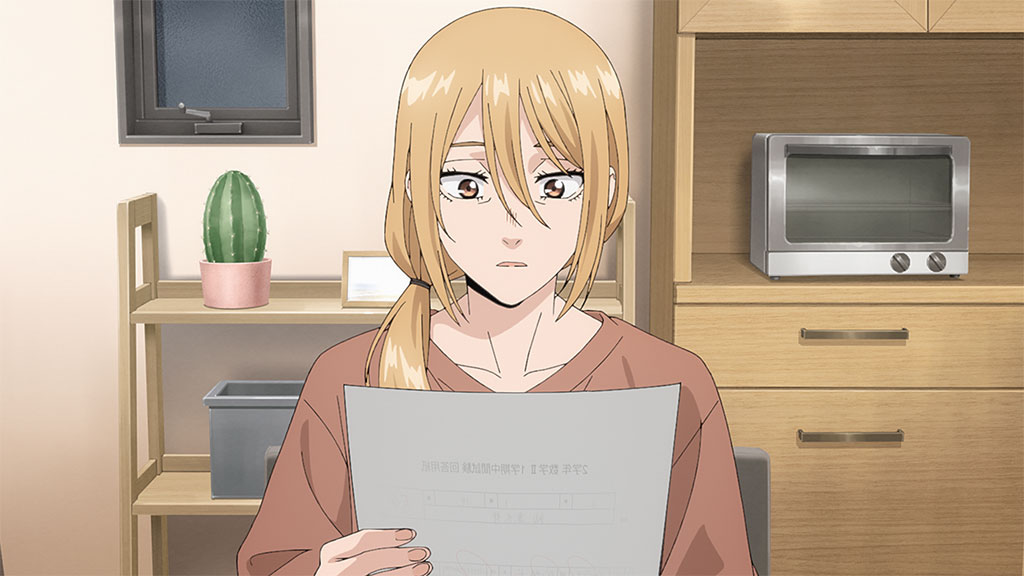
However, none of these artistic decisions resonates unless the viewer can empathize with the characters. Kōhei Tokuoka was tasked with adapting Saka Mikami’s designs for animation. “By serving as both the Character Designer and the Chief Animation Director, I was able to control the range of artistic expression to some extent on my own,” explains Tokuoka, who previously worked as an animation director on Sword Art Online and Revue Starlight: The Movie. “I incorporated the good aspects of drawings done by others, and as the main production progressed, my own art gradually evolved as well. On the other hand, there was also the pressure of having to decide what the ‘correct’ version of the drawings should be.”
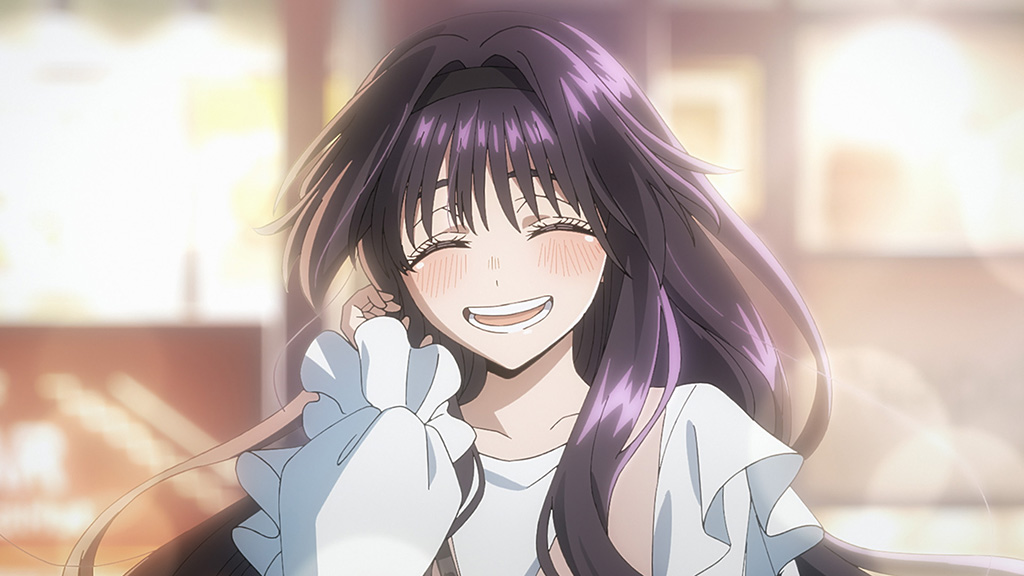
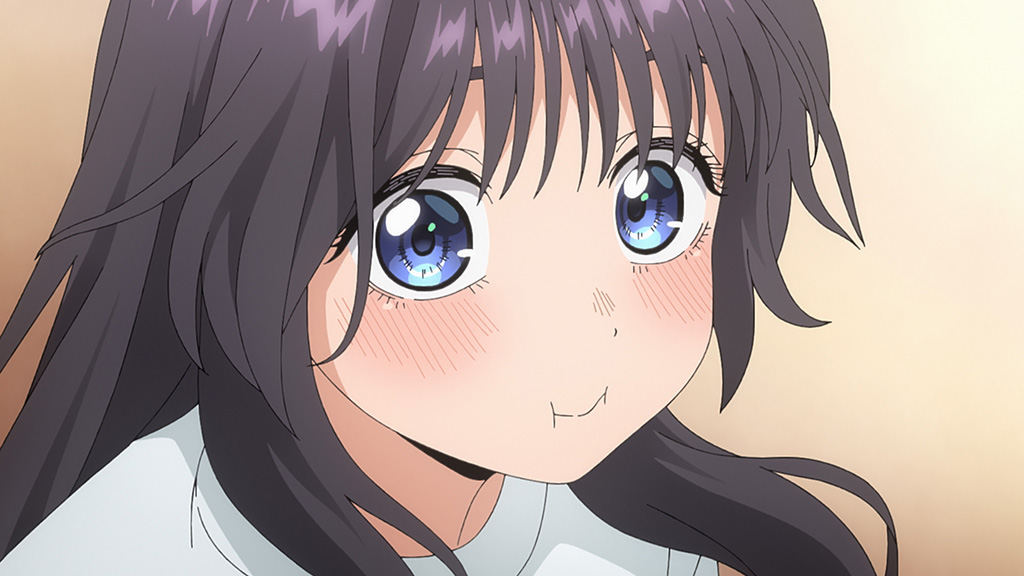
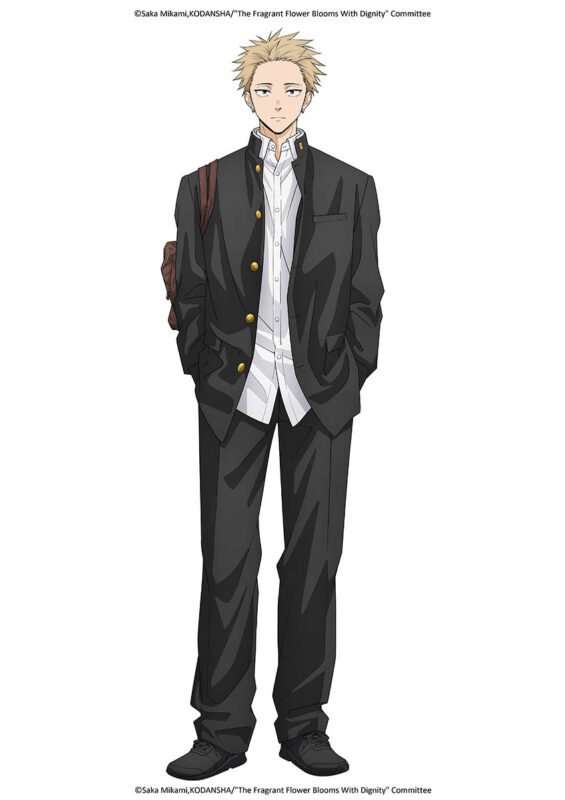
Honoring the manga was important; however, animation is a different medium. “When adapting a work with an existing original source into an anime, I try as much as possible to stay close to the original artwork,” Tokuoka states. “From there, I work on translating it into a design that can move as animation – making sure it holds up from various angles and doesn’t fall apart when seen in 360 degrees. The original work has many captivating panels, but because of that, the characters’ faces can look quite different from panel to panel. Deciding which panel to use as the basis for the design in the anime was a real challenge.”
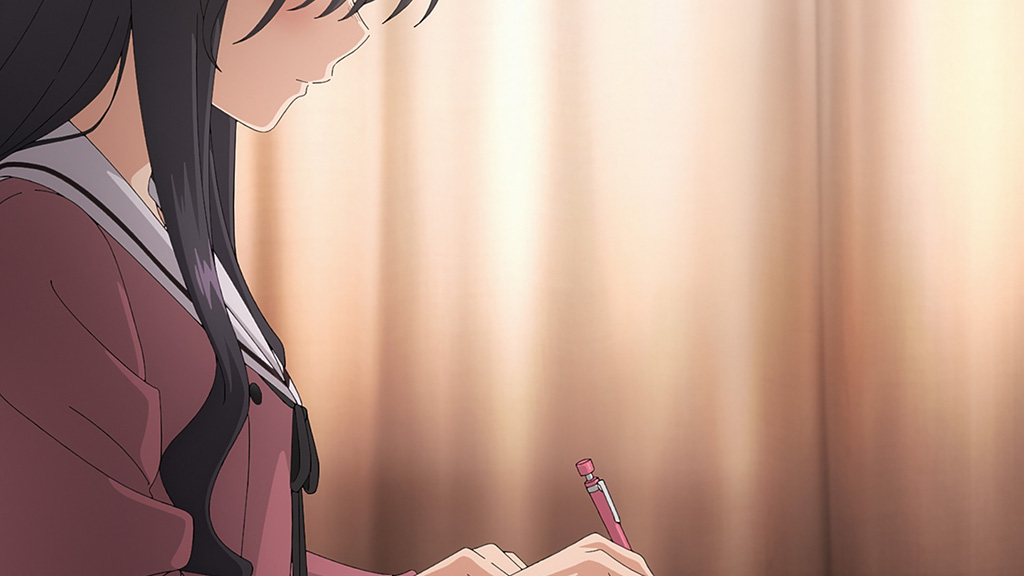
The emotional journey to be depicted influences both the character design and animation. “The sense of distance and tension between the characters in the early part of the story might have been similar to how I personally felt toward the project at the time,” Tokuoka remarks. “I, too, was exploring how to approach this work when I first started, so looking back now, I think the drawings in the beginning feel a bit stiff. As the story progressed and I encountered the characters’ various emotions, I gradually became more comfortable with the project, and I was able to express a wider range of emotions through the artwork. In that sense, the character who left the strongest impression on me was Rintarō, the one I’ve been walking alongside since Episode 101.”
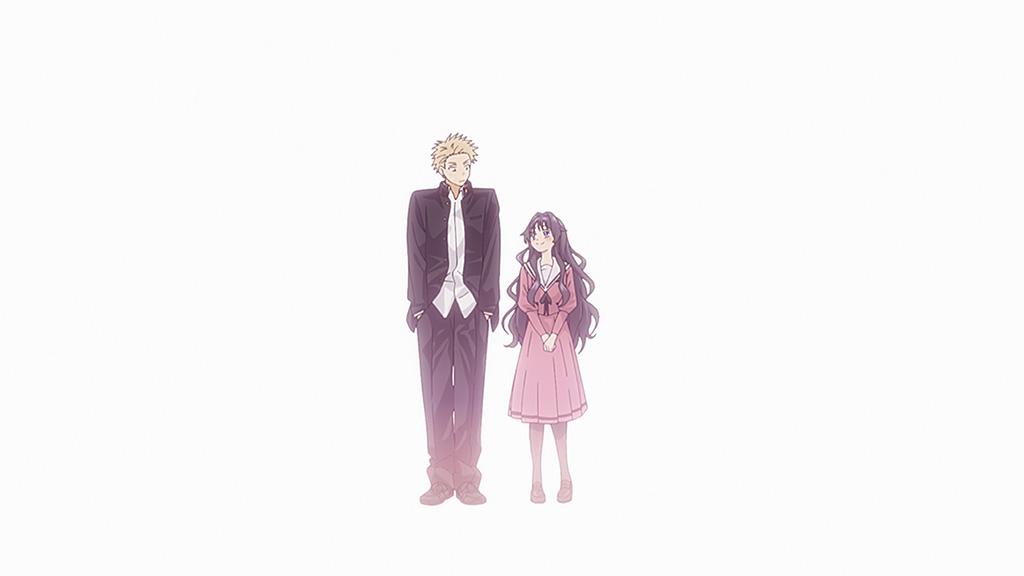
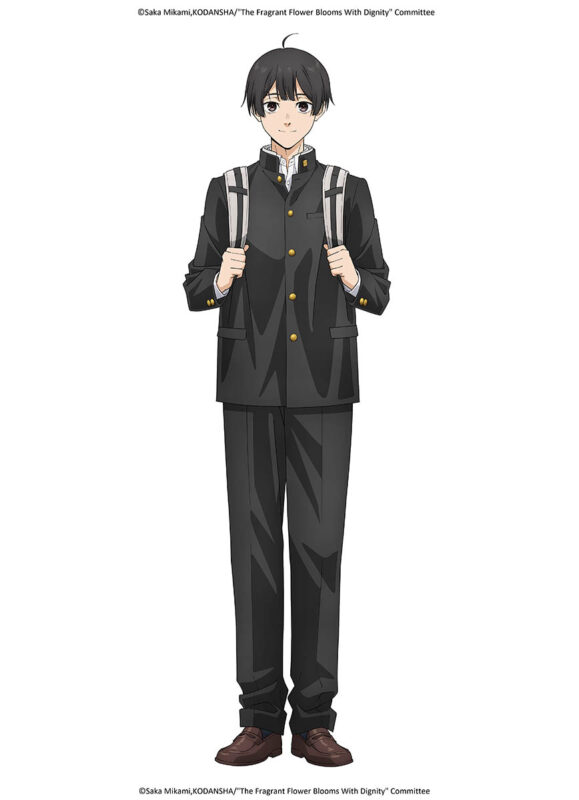
Often mistaken for a ruffian because of his intense facial expressions and imposing figure, Rintarō Tsumugi is, in fact, quite a considerate and kind individual. “Since his height is one of his defining traits, I paid special attention to making sure he actually looks tall,” Tokuoka notes. “For his poses, I aimed to convey a relaxed, almost effortless feeling. As for the outfit [this applies to all the male characters], I was particular about giving it that trendy oversized look.”
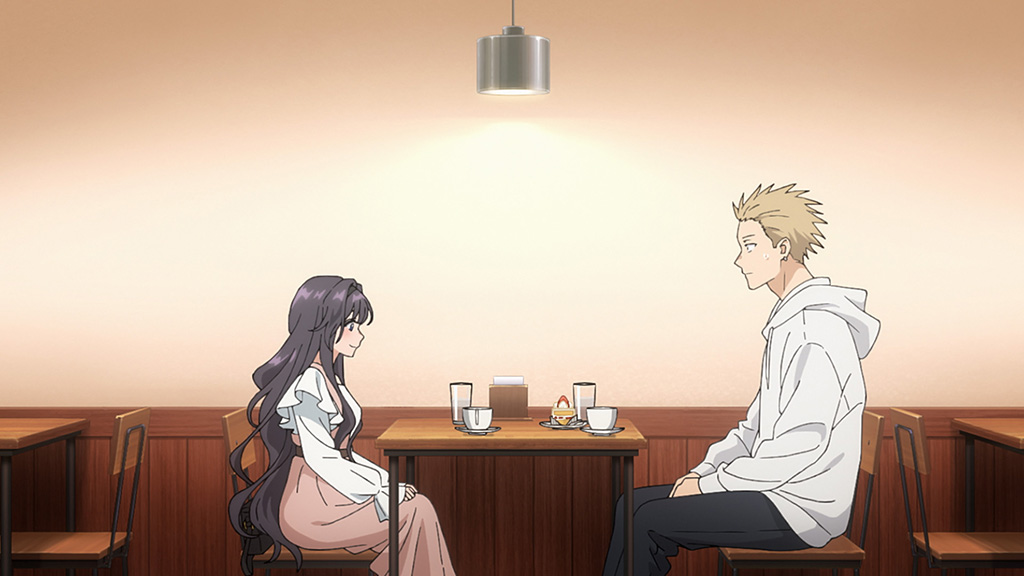
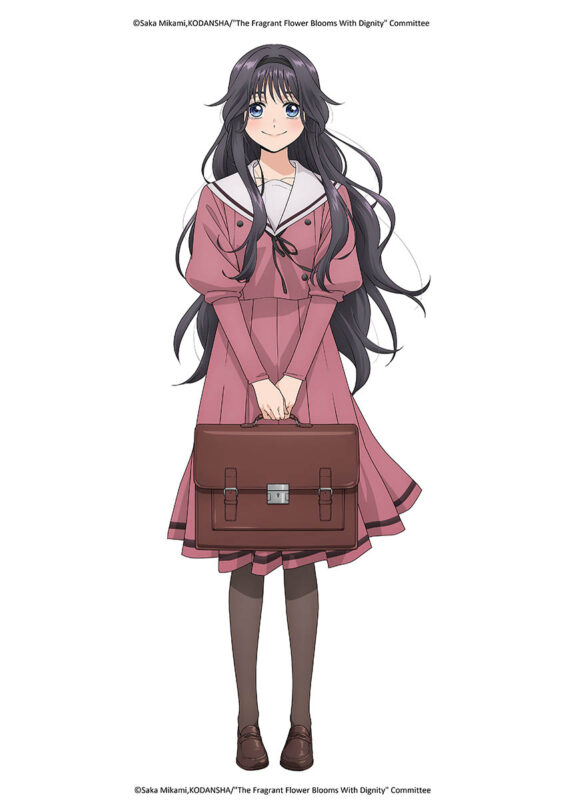
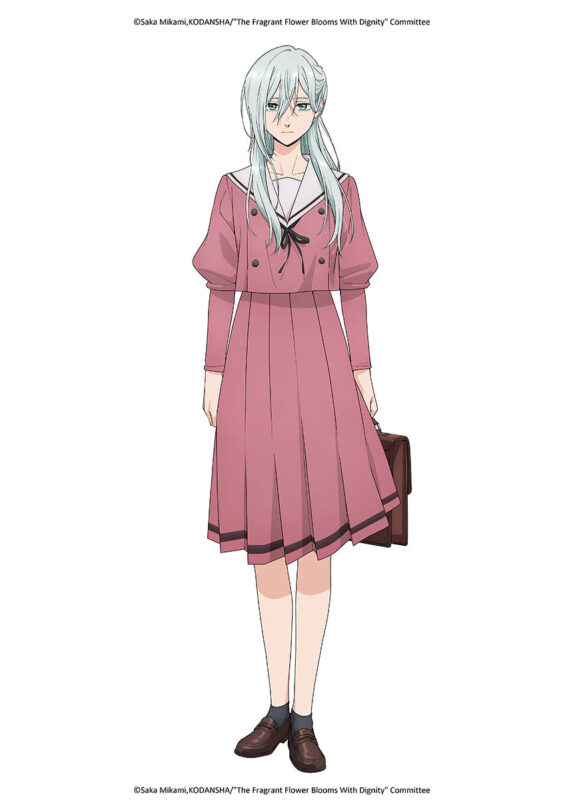
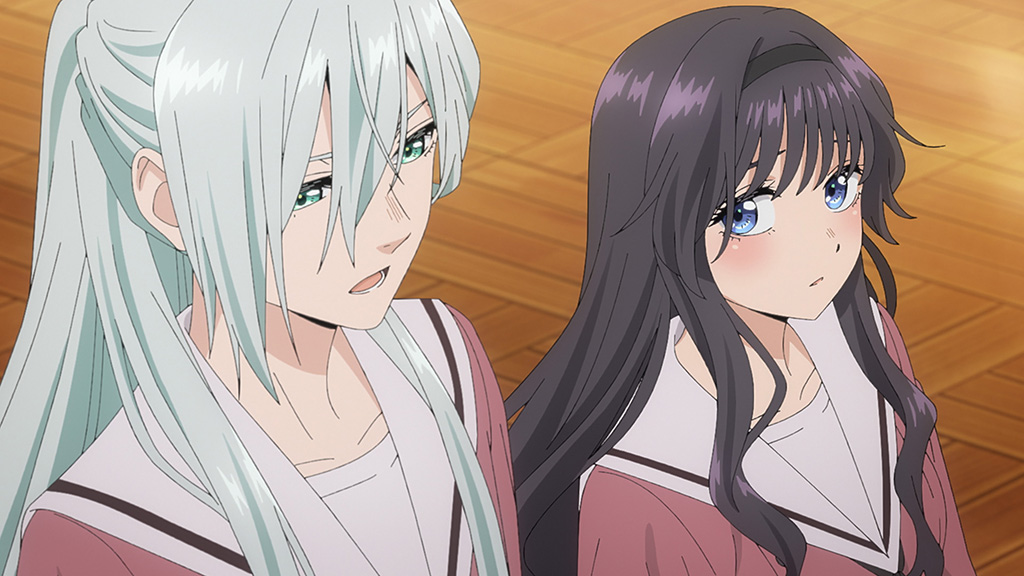
Honor student Kaoruko Waguri crosses the social divide between Chidori Public High School for delinquent boys and Kikyo Private Academy, a prestigious high school for girls. Tokuoka explains, “Partly to emphasize the contrast with Rintarō, I focused on keeping her image small and delicate. And above all, I wanted her to be adorable! I was careful not to make her poses feel too stereotypically ‘girly.’ Her hairstyle and outfit were both designed very cutely by [Manami] Umeshita-san.” Subaru Hoshina, Kaoruko’s best friend and confidante, is ridiculed for having silver hair. “I aimed for a stylish, elegant look, and also paid close attention to the visual balance when she stands next to Kaoruko. Her hairstyle turned out to be surprisingly difficult to draw, and she was a character I really struggled with during the main production.”
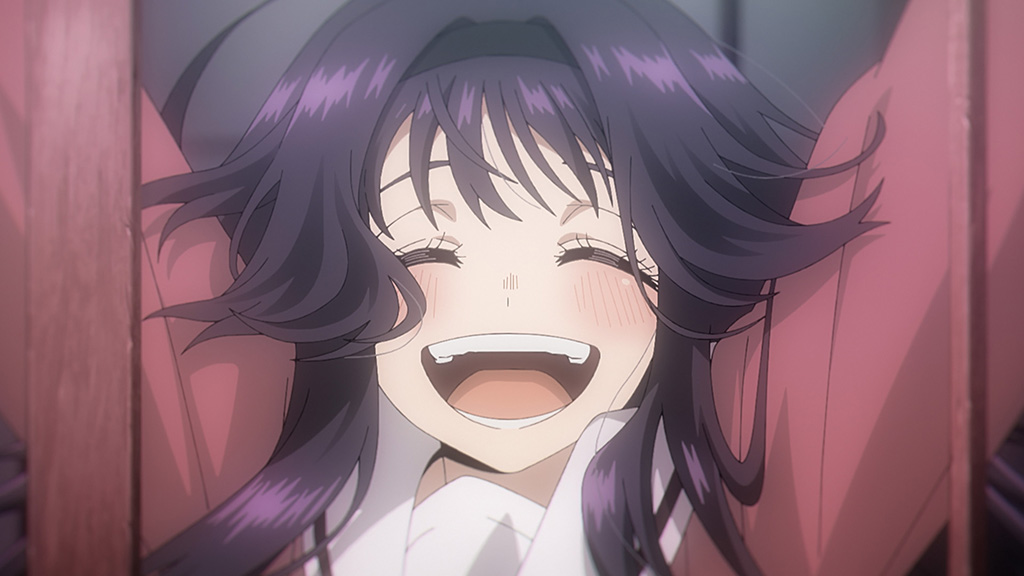
“By serving as both the Character Designer and the Chief Animation Director, I was able to control the range of artistic expression to some extent on my own. I incorporated the good aspects of drawings done by others, and as the main production progressed, my own art gradually evolved as well. On the other hand, there was also the pressure of having to decide what the ‘correct’ version of the drawings should be.”
—Kōhei Tokuoka, Character Designer & Chief Animation Director
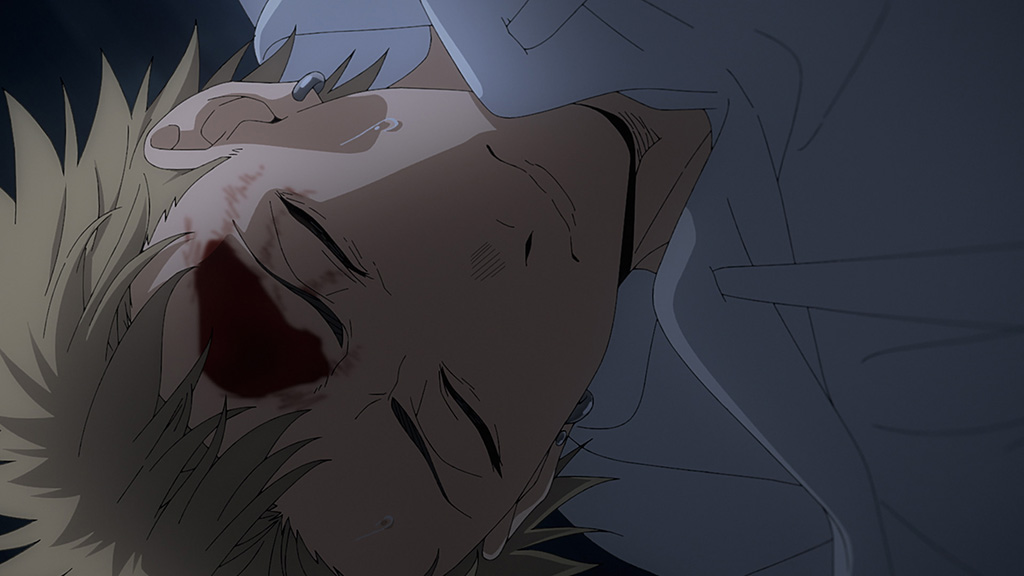
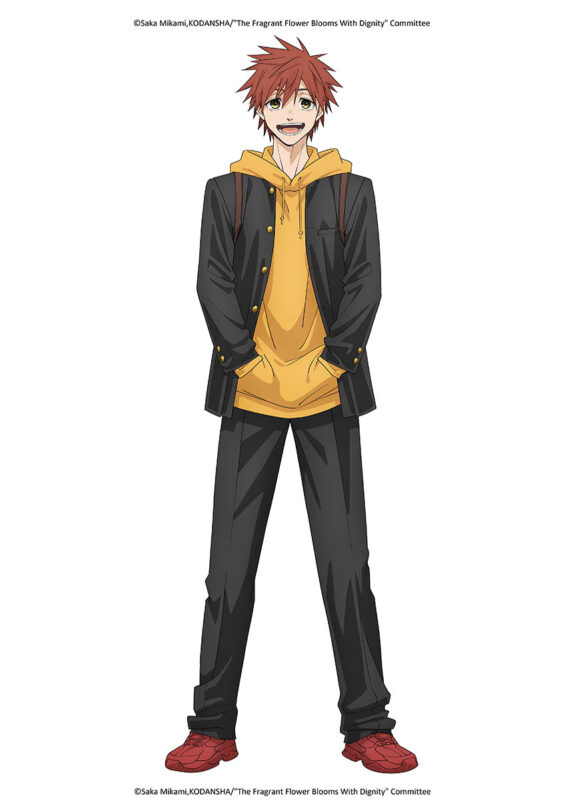
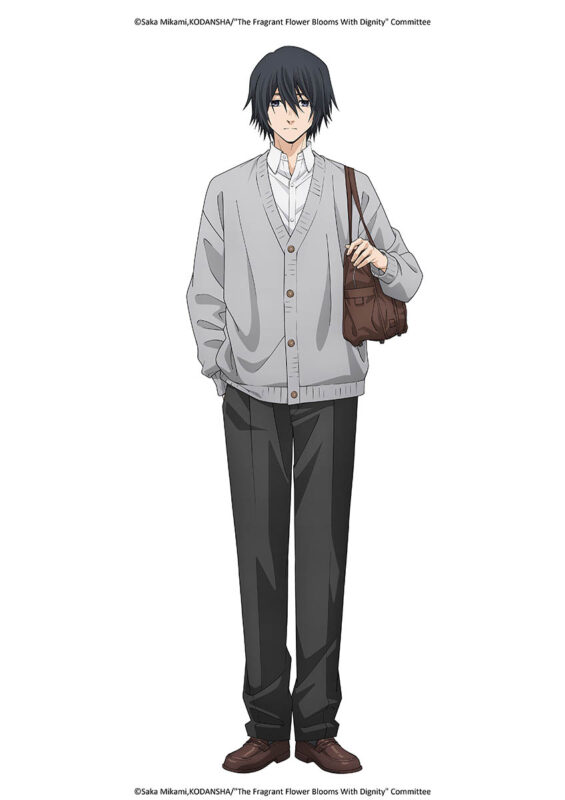
Of Rintarō’s high school friends, Shohei Usami is the most free-spirited and disarming. “The spiky silhouette of his hair is one of his key features,” Tokuoka states. “Since he’s a lively character, it was easy and fun to give him expressive poses and movements. In his casual clothes, he actually wears more accessories than you might expect.” Another member of Rintarō’s inner circle is the smart and reserved Saku Natsusawa. “I focused on preserving a laid-back, moody atmosphere in his silhouette and poses; he was a character that was easy to draw in a cool, stylish way.” Ayato Yorita is not afraid to set aside his pacifist beliefs to physically defend Rintarō, Shohei and Saku. “He was the most difficult character to work on, because it was hard to give him distinctive features. His defining traits are the smooth, glossy texture of his hair and his cowlick.” The most significant woman in Rintarō’s life is his mother, Kyoko Tsumugi, who breaks the common anime parental trope of being overbearing and clueless. “She’s an energetic mother,” Tokuoka notes. “With her rich emotional range, she was easy to give expressive poses, movements and facial expressions.”
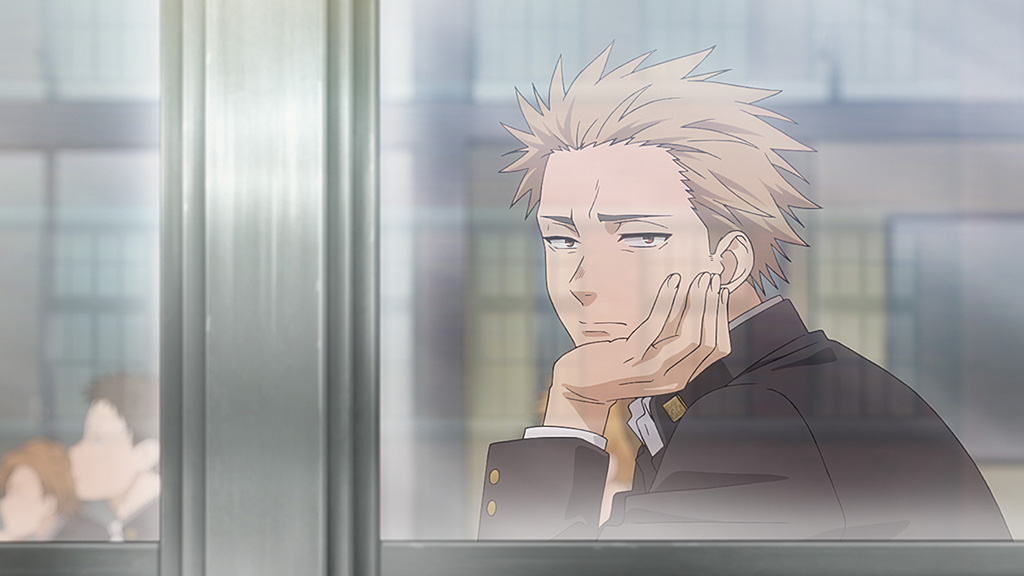
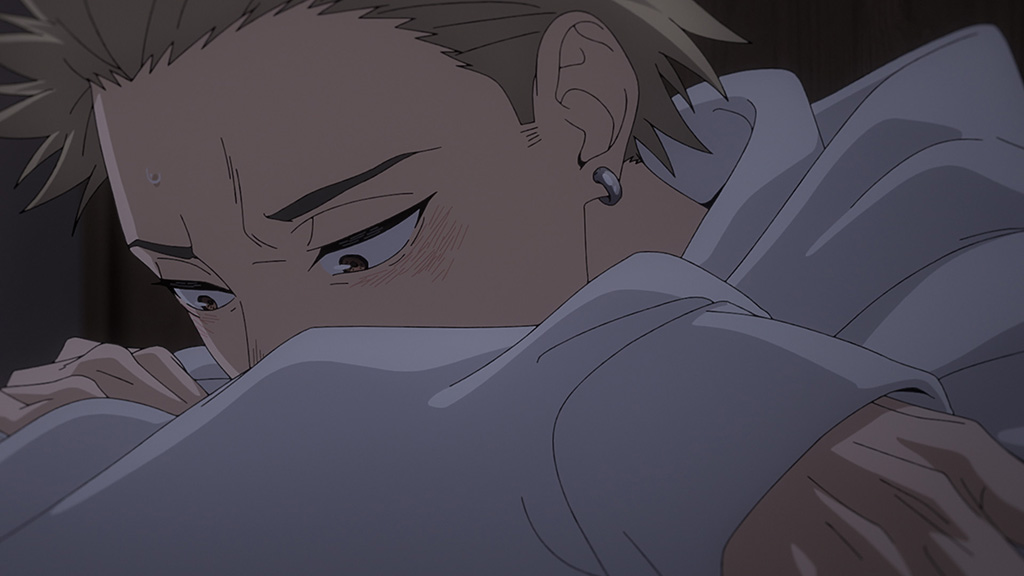
Dealing with a slice-of-life anime that combines romance, comedy and drama provided a break in routine. “Since I’ve mainly worked on action-oriented projects up to now, expressing subtle emotions was something I really focused on as a challenge,” Tokuoka states. “Beyond facial expressions, I tried experimenting with various approaches, such as poses seen from behind, and the use of light and shadow, to convey emotion. The director and other staff members also offered many suggestions, which made it a great learning experience for me.”
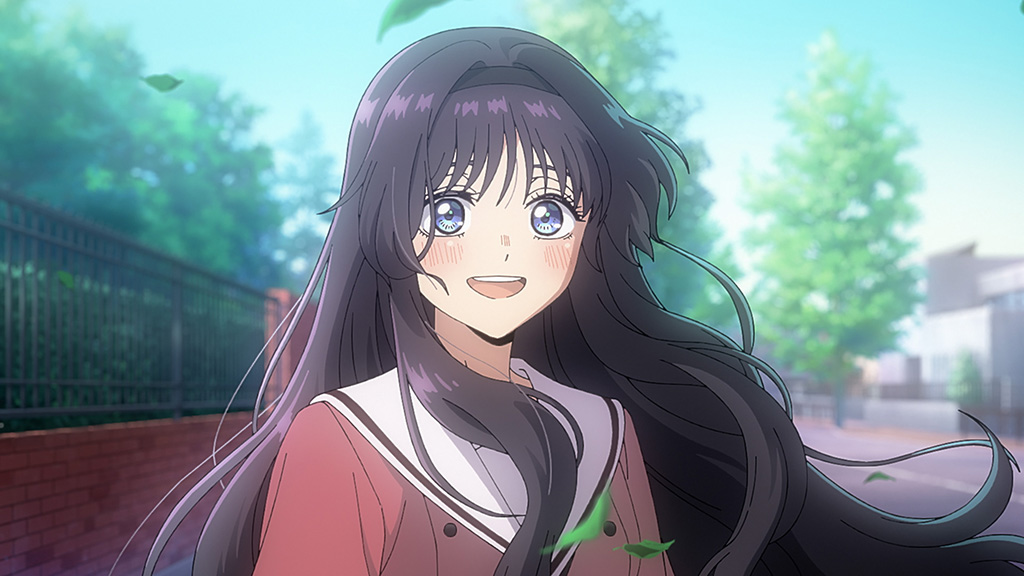
Many memorable scenes are found throughout the series. “If I had to pick, though, the scene with Kaoruko and Subaru in Episode 106 left a particularly strong impression on me,” Tokuoka remarks. “Episode Director Katō-san and Animation Director Umeshita-san did such an outstanding job that it’s actually one of the episodes where I had less hands-on involvement compared to the others.” The end result was rewarding. “It’s such a wonderful series, so I’m truly happy that people all over the world will be able to watch it. The show is filled with great characters, and there are many scenes that can really move you to tears. The story is set in a Japanese school, and I hope this beautiful story will resonate with audiences around the world and cross cultural boundaries.”