Images courtesy of Marvel Studios.

Images courtesy of Marvel Studios.
In Wonder Man, things get rather meta in the Marvel Cinematic Universe as struggling actors Simon Williams (Yahya Abdul-Mateen II) and Trevor Slattery (Sir Ben Kingsley) form an unlikely friendship while auditioning for roles in the remake of the titular superhero film. Now streaming on Disney+, the series was created by Destin Daniel Cretton (Shang-Chi and the Legend of the Ten Rings) and Andrew Guest and consists of eight episodes featuring a wide range of visual effects shots supervised by John Haley (Echo) and created by the primary vendor, Base FX, the visual effects and animation studio behind Sinners, Thunderbolts* and the upcoming Avengers: Doomsday.
“When I originally spoke to Marvel about the project, we were excited about the opportunity to work with John Haley [Marvel Studios Visual Effects Supervisor] and his team in creating the look and design of Simon’s and DeMarr’s powers,” Shad Davis, Executive Producer at Base FX, states. “We were also intrigued by the Simon Williams character and how the suppression of his own powers to keep them secret would translate into the development of the visual effects scope of work, especially as they become stronger and more defined.”
The effects were designed to support the narrative. “Concept art, previs and postvis played an important role in the development of several key effects,” Wang Lei, Visual Effects Supervisor at Base FX, says. “During early production, we worked with Marvel to test different approaches for Simon’s skin fluctuation effect and the way his energy interacts with surrounding objects. These early tests helped inform the production team’s shooting strategy and technical planning. Concept art and postvis were also particularly useful when developing Simon’s eye energy effects and DeMarr’s teleportation ability. They allowed us to quickly present different visual options so the creative team could evaluate and confirm the direction early in the process. Having that alignment early on made the later stages of production much more efficient.”
Marvel Studios brought in Base FX relatively early in the process. “That allowed us to run technical tests and evaluate different approaches before principal photography was completed,” Lei notes. “For instance, when exploring how Simon’s energy would affect the environment, we tested 2D distortion techniques applied to live-action plates. These tests helped them evaluate feasibility, complexity and cost considerations. Having that information early on made the later post-production phase much more efficient and allowed us to move quickly once the final shots were delivered. As the primary visual effects vendor, Base FX was responsible for all look development and final delivery of the Simon/Demarr power set, as well as delivering all heavy effects-based sequences. This ensured strong creative continuity across all sequences, particularly for Simon’s powers and their interaction with the environment. It also reduced the communication overhead that typically occurs when multiple vendors are involved. Feedback cycles were faster, and implementation of notes from the director, producers and Marvel team could be done more efficiently.”
One creative concern was whether the visual look of the superhero powers might evolve significantly during production, which would affect the schedule and budget. “Technically, we focused on optimizing our workflow so we could generate multiple look-development options quickly,” Lei explains. “During the early phase, we worked closely with department leads to establish testing pipelines and development processes; that preparation allowed us to focus primarily on refining the effects once production moved forward.”
Simon’s energy effects were among the key visual elements of the series. “We studied a wide range of vibration and waveform references, experimenting with different wave patterns and layered textures,” Lei shares. “This research helped us design the fluctuating energy patterns that appear across Simon’s body and interact with the surrounding environment.”
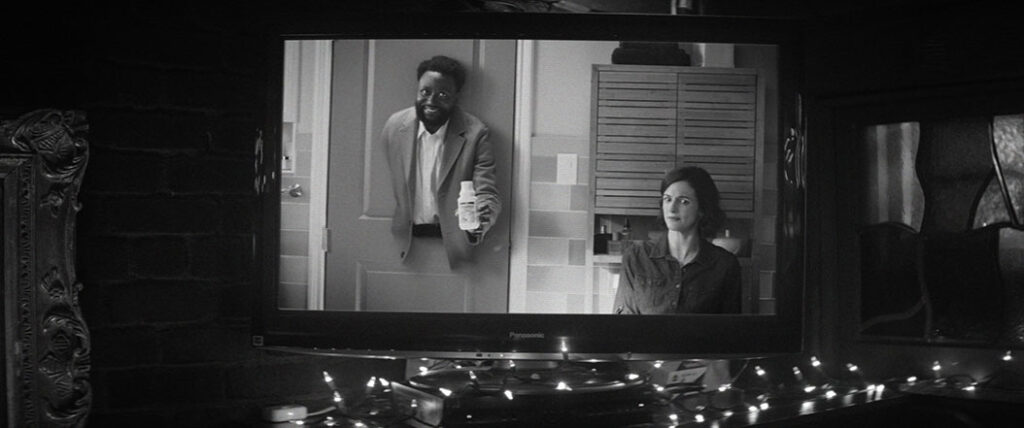
A standard visual effects pipeline was utilized. Lei says, “We did adjust certain workflows to improve efficiency. In some cases, tasks that would traditionally be handled in 3D were partially moved into compositing. For example, for Simon’s skin fluctuation effect, we did not fully replace the actor’s skin with CG. Instead, we simulated the deformation on a 3D model and projected that motion back onto the live-action plate in compositing. Combined with lighting and rendering elements, the final look was integrated during the compositing stage.”
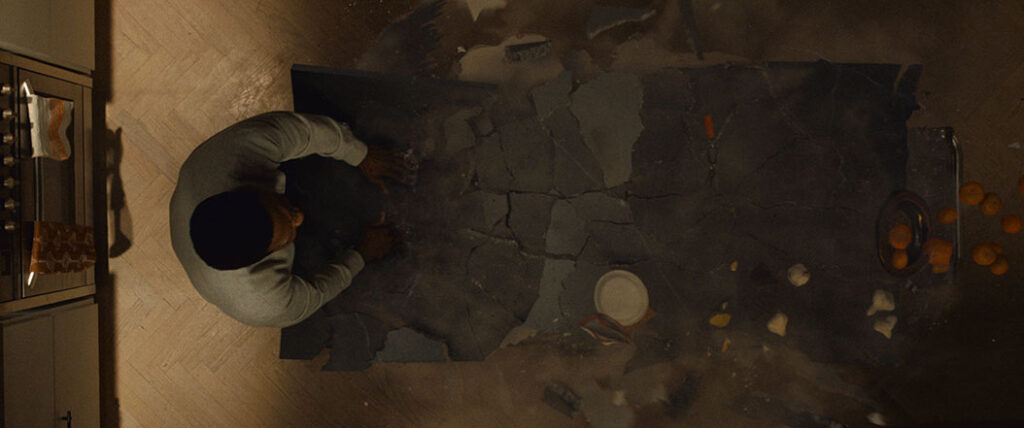
Client reviews were managed by Base FX’s Los Angeles team because of the time zone difference with Beijing. “We delivered over 300 shots with quite a bit of look development work done in the first few months,” Davis explains. “The total run of the show was approximately 10 months. All the initial work we did in the look development testing period was helpful when we moved into full shot production. We had some hero shots and sequences identified early that we used in the testing process and were working on toward the final as well. The kitchen island destruction, Simon’s skin effects and Simon’s interaction within environment sequences are some that we started on early to allow ourselves time to make adjustments for the filmmakers and get the look just right.”
“Concept art, previs and postvis played an important role in the development of several key effects. During early production, we worked with Marvel to test different approaches for Simon’s skin fluctuation effect and the way his energy interacts with surrounding objects. These early tests helped inform the production team’s shooting strategy and technical planning. Concept art and postvis were also particularly useful when developing Simon’s eye energy effects and DeMarr’s teleportation ability. They allowed us to quickly present different visual options so the creative team could evaluate and confirm the direction early in the process. Having that alignment early on made the later stages of production much more efficient.”
—Wang Lei, Visual Effects Supervisor, Base FX.
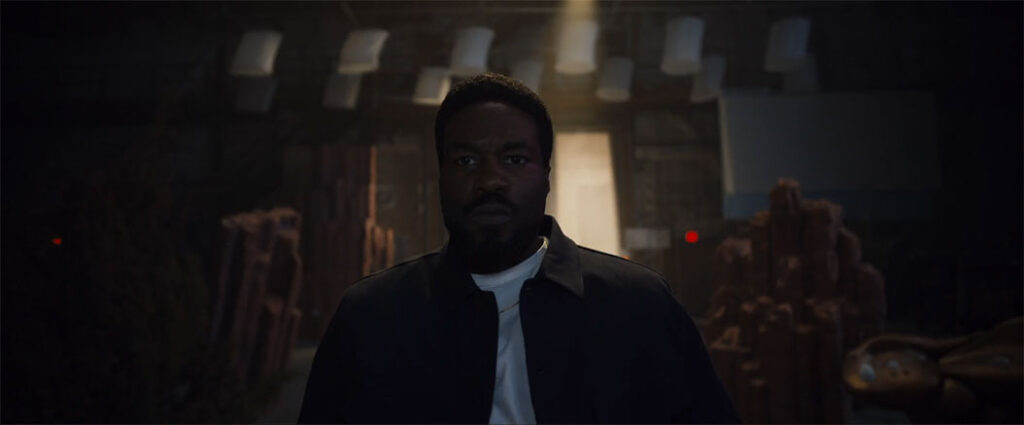
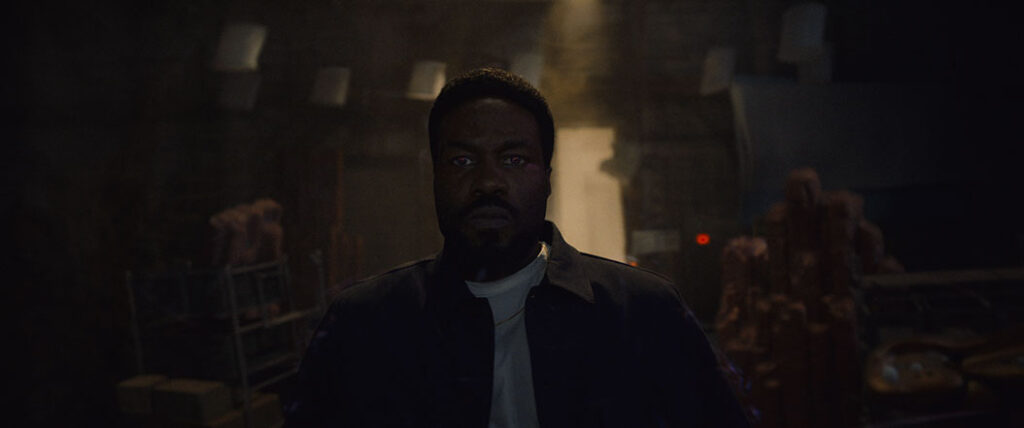
Controlling the subtlety of Simon’s eye effect was difficult. As Lei explains, “The creative direction was to keep the energy grounded in physical realism rather than making it feel magical. The energy needed to be noticeable enough for the audience to perceive that something was happening, while remaining subtle enough that it would not distract from the actor’s facial performance.”
The skin ion fluctuation effect required careful control of wave amplitude, frequency and layering. “Different areas of the body required slightly different treatments,” Lei states. “Areas near bones and joints needed more subtle movement, while softer areas of the body allowed stronger fluctuations. These variations helped the energy propagation feel more physically believable.”

The energy that Simon generates interacts with the surrounding environment. “Walls vibrate, picture frames shake, liquids ripple in glasses and small objects move or oscillate,” Lei notes. “The challenge was creating these interactions across many environmental elements within a limited production timeframe. To achieve this efficiently, we used a hybrid approach combining 2D techniques with selective 3D replacements.”
Compositing was heavily relied upon for DeMarr Davis’s teleportation effect. “Multiple layers were filmed on set and later combined in post-production to create the transition,” Lei remarks. “The challenge was ensuring that the spatial transformation felt volumetric and physically consistent. We used 3D geometry to guide the compositing process and maintain proper occlusion relationships between elements.”
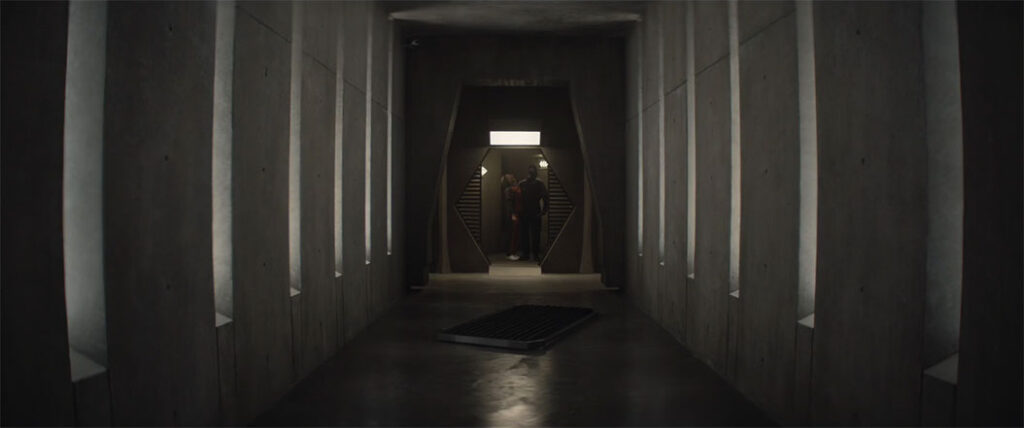
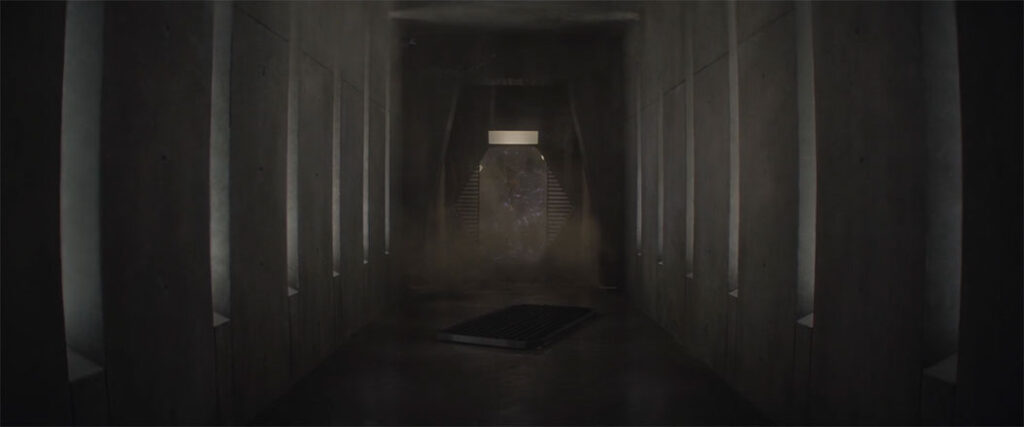
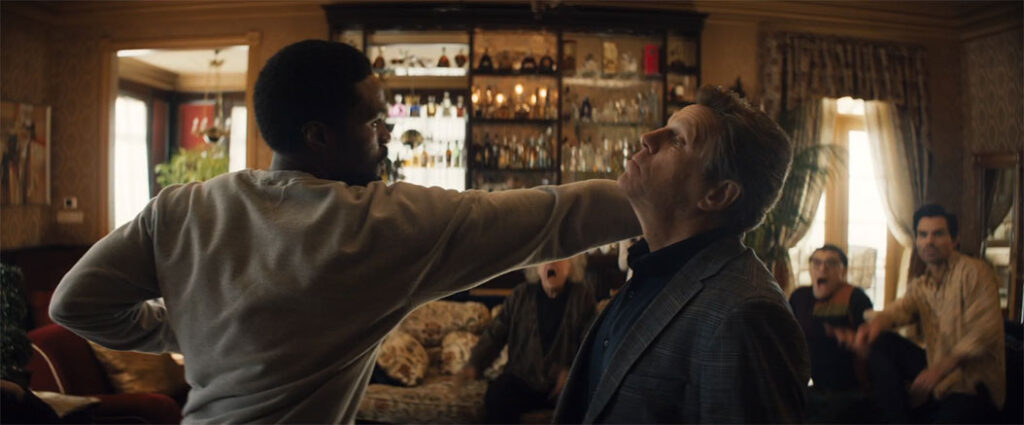
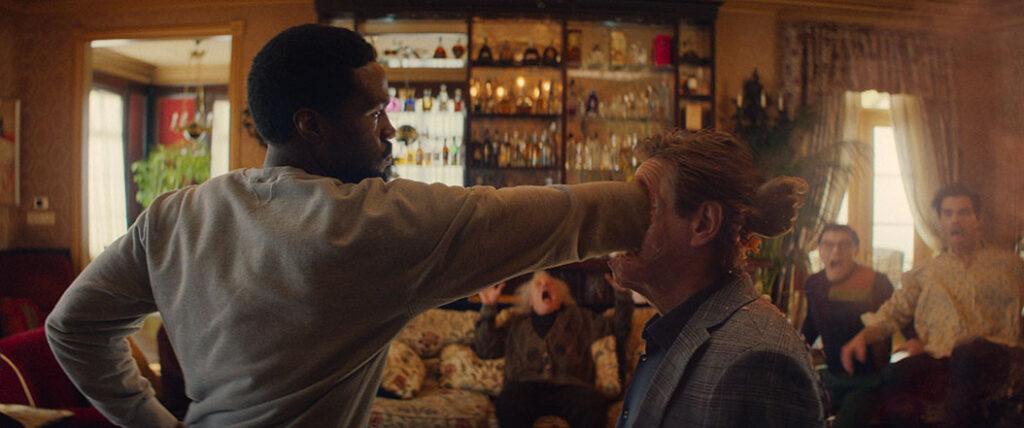
In one scene, a hand gets pushed through an actor’s face. “Most of these shots were achieved by compositing multiple live-action elements,” Lei reveals. “The Marvel team provided several different plates, which we combined during the compositing stage. The main challenge was ensuring that each element aligned correctly in timing, spatial position and perspective so that everything appeared naturally within the same space. Color consistency between the different elements was also essential. We also added CG debris and dust interacting with the characters to enhance the physical impact and make the shot feel more grounded and believable.”
A kitchen island gets destroyed. “This sequence required a physically believable destruction simulation that was also driven by Simon’s energy waves,” Lei says. “We replaced the practical table and surrounding objects with CG assets and simulated the destruction in 3D. The motion of the fragments was influenced by the underlying energy patterns to visually connect the destruction with Simon’s powers.”

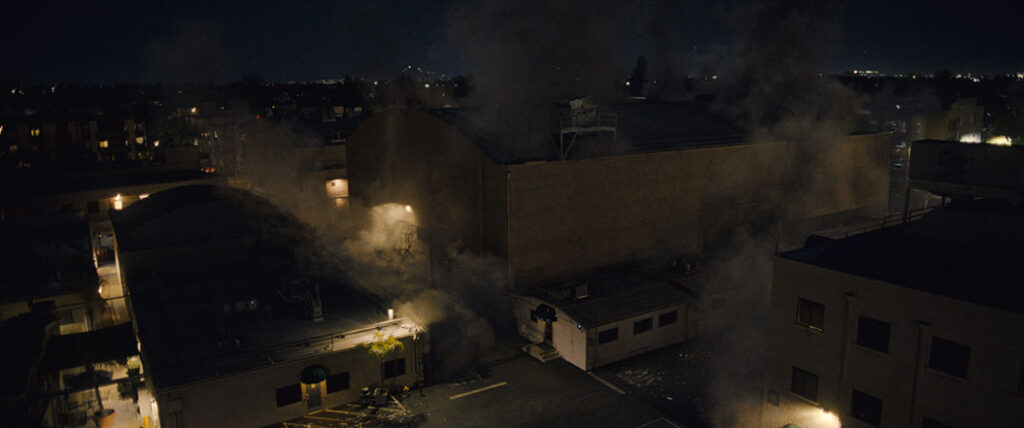
The recording studio also gets blown apart. “We needed to closely coordinate Simon’s powers with the dynamics of the scene,” Lei notes. “As his energy evolves, from a subtle initial state, gradually intensifying, to a full explosion, the surrounding objects respond accordingly; they first tremble lightly, then move outward, gradually break apart, and finally, at the moment of the energy peak, dissipate into dust and debris.”
“We delivered over 300 shots with quite a bit of look development work done in the first few months. The total run of the show was approximately 10 months. All the initial work we did in the look development testing period was helpful when we moved into full shot production. We had some hero shots and sequences identified early that we used in the testing process and were working on toward the final as well. The kitchen island destruction, Simon’s skin effects and Simon’s interaction within environment sequences are some that we started on early to allow ourselves time to make adjustments for the filmmakers and get the look just right.”
—Shad Davis, Executive Producer, Base FX
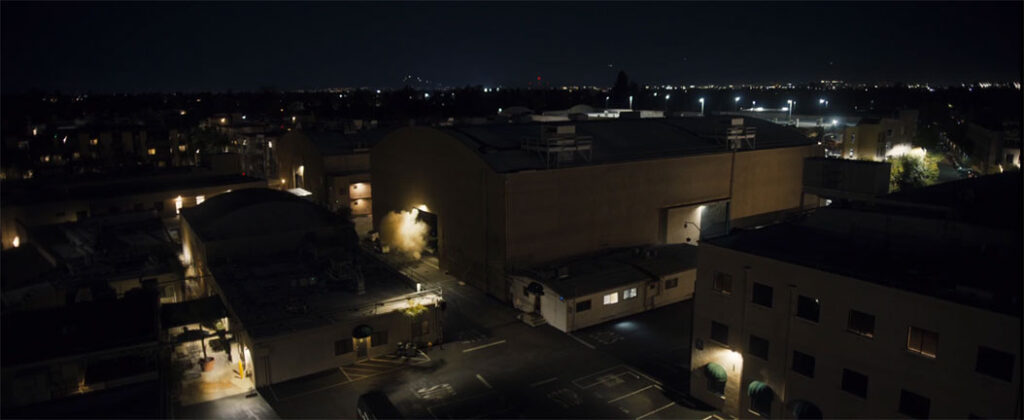
Atmospherics appear frequently throughout the series, often as dust particles floating in the air. Lei reveals that many of Simon’s medium and close-up shots feature subtle dust movement in reaction to his energy waves. The most complex shot to execute was the recording studio explosion, where Simon walks towards the camera. “During filming, there were already practical props in the background, but we needed to link all of these objects to Simon’s energy waves,” Lei recalls. “As a result, every practical element in the scene had to be cleaned up and re-added, with appropriate vibrations applied. Some objects were handled using 3D projection models to simulate motion, while certain foreground elements required CG replacement to account for rotational and perspective changes during the shakes.”
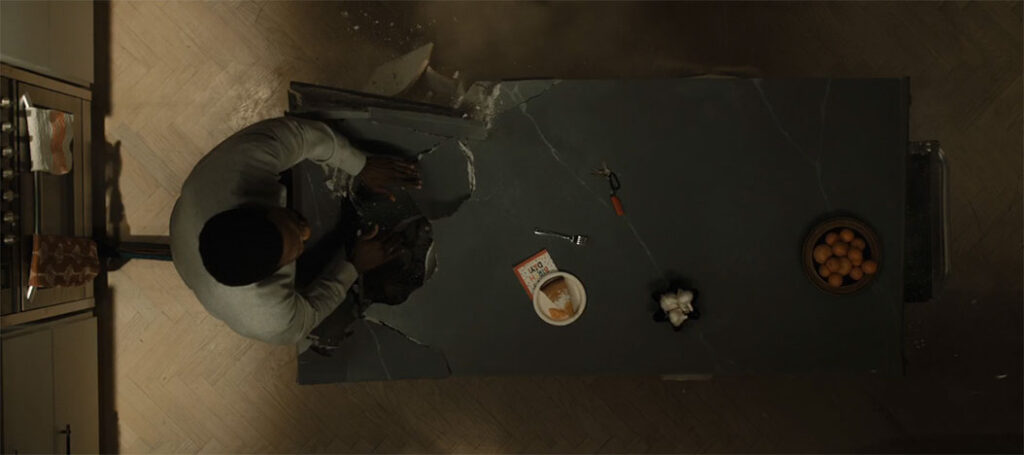
Throughout production, it was essential to maintain accurate spatial relationships among all elements and to synchronize their movements with Simon’s energy, including the timing of vibrations and the propulsion of objects outward. Lei explains, “To enhance realism, we also added simulations for falling lanterns in the background, cloth dynamics on racks, subtle airborne dust, Simon’s eye effects, body energy fluctuations and particle distortions and scattering. Each effect had distinct timing and intensity, culminating in the final energy eruption where the scene’s objects disintegrate and dust vaporizes. The sheer number of elements and their coordination made this shot far more labor-intensive than initially anticipated.”
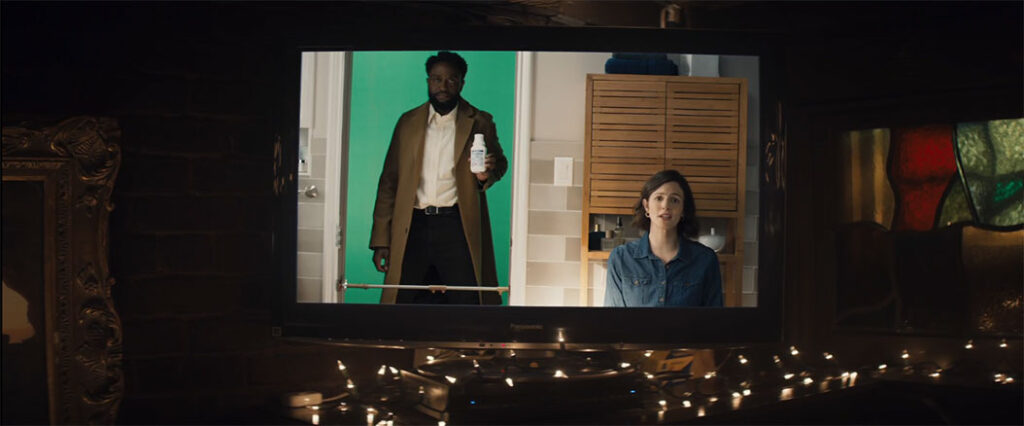
Not all the effects are noticeable. “When DeMarr pulls an envelope and a skull from inside his coat, the props were created using a combination of CG replacements and composited practical elements,” Lei reveals. “Shots like these often go unnoticed by audiences, but they play an important role in maintaining realism.”
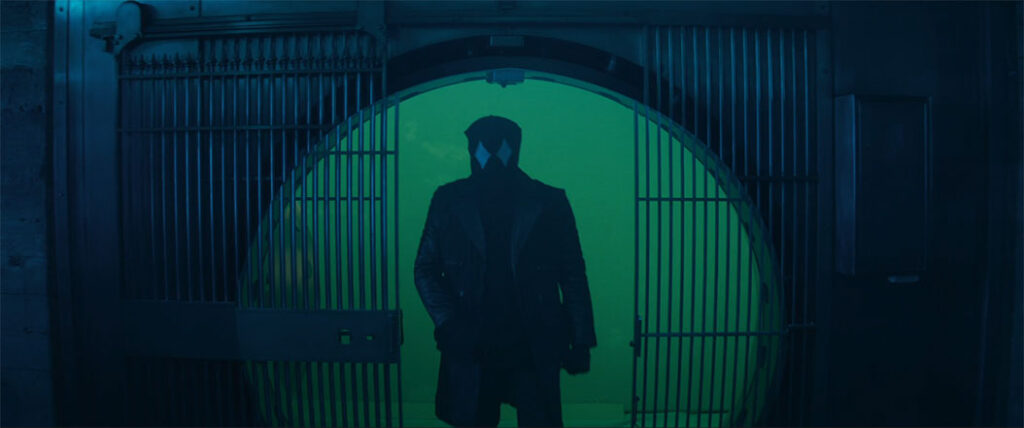
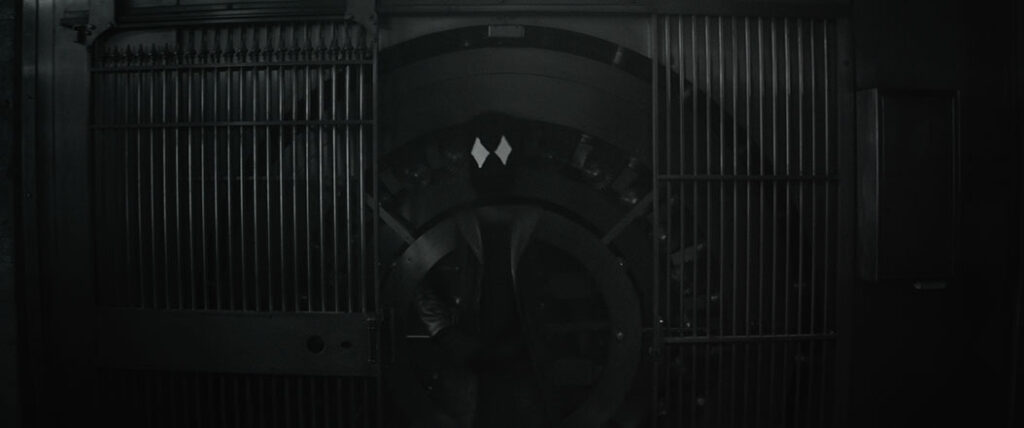
Time was of the essence. “The biggest challenge was setting up the show quickly to make sure we didn’t waste any valuable time given the schedule requirements and the amount of look development and shot work needed in the creation of the show’s overall visual effects look and design,” Davis notes. “John and his team were great partners, so the process was very smooth. We were still working on some of the sequence’s look development during shot production, so it was challenging to identify and lock down the approved look while meeting the delivery schedule’s demands. Lei and the team successfully managed and delivered on all fronts, a huge achievement for BaseFX.”
Some scenes have become personal favorites. “There is a sequence where DeMarr is pulled into a surreal void by a black liquid before returning to the real world,” Lei shares. “We created CG portal elements and animated black liquid simulations for this scene. The transition between the void environment and reality is visually interesting and works nicely with the storytelling.”
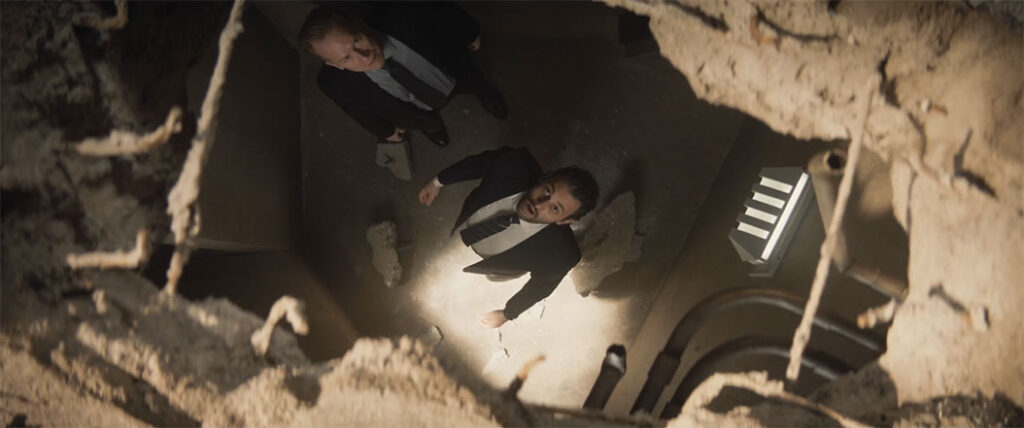
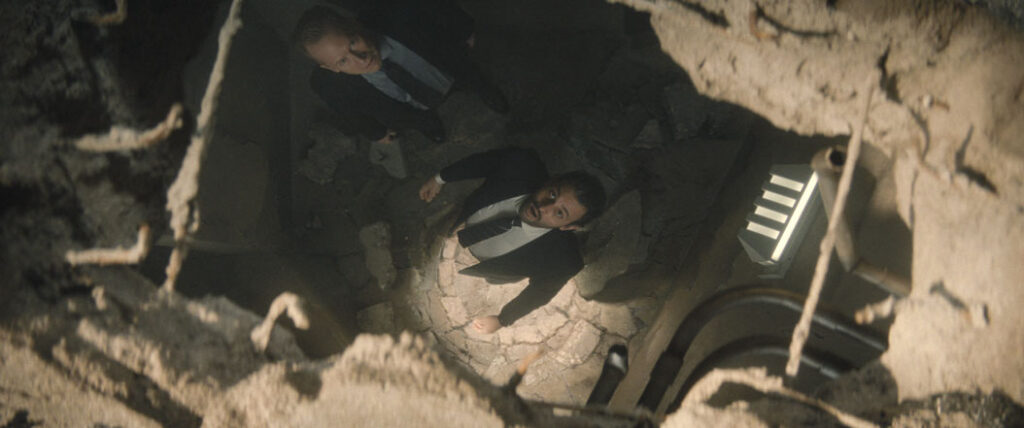
The head punch shot is a standout for Davis, who says, “It always manages to get people to jump in their seats! Also, the soundstage explosion is amazing! There is so much great work in the show that every episode has cool shots to see.”
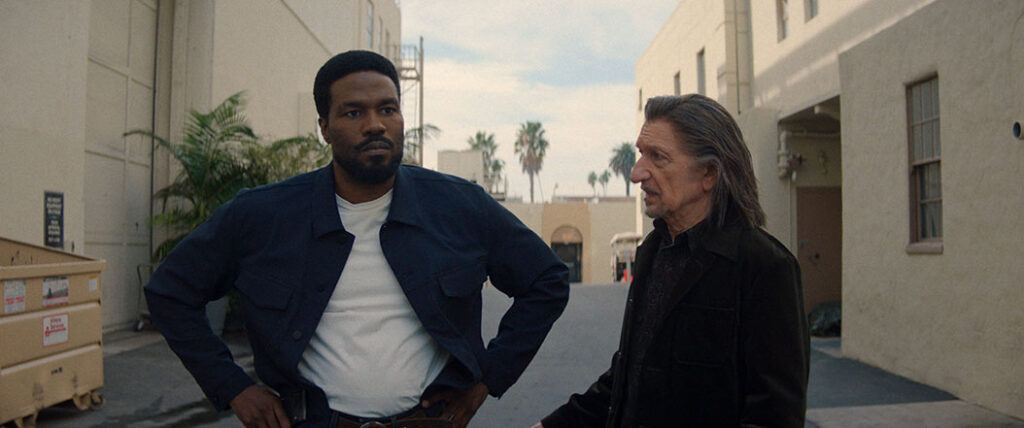
Base FX is proud of its work on Wonder Man. “We would like to thank Marvel for their trust and support over the years,” Davis remarks. “This was a great project to showcase our artists’ skills and open some eyes to what we are capable of achieving if given the opportunity in the future.”